Published on
As of 2026, rent growth remains muted at the national level, averaging half a percentage point of annual growth in April. Overall vacancy has been steadily rising since a trough of 4.9 percent in late 2021 during the COVID-era demand boom.
While conditions have varied nationwide, oversupply in the Sun Belt and Mountain regions has driven up vacancy most significantly in these parts of the country. Here are the 12 markets where the multifamily vacancy rate remains among the nation’s most elevated, according to the latest CoStar data projections for the second quarter.
1. San Antonio, TX
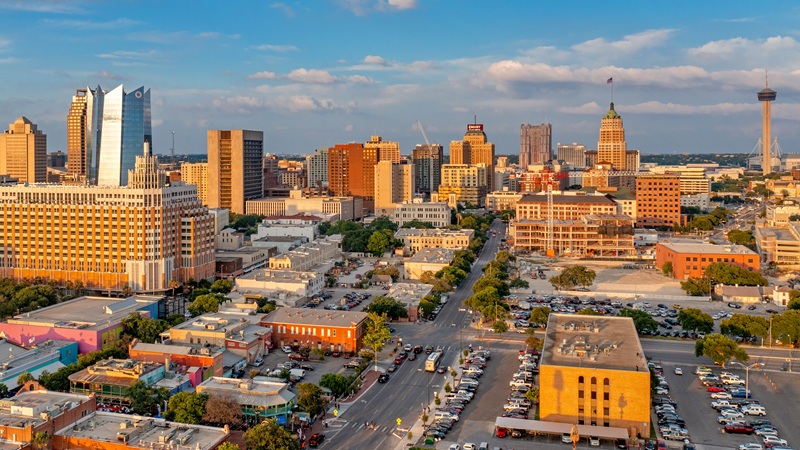
With 16 percent vacancy, San Antonio has the highest vacancy rate of all major multifamily markets currently, according to the latest estimate for Q2. This market in south-central Texas has faced a massive supply wave recently, with net new additions peaking in late 2024 with over 13,000 units, or 6 percent of total inventory, added in the previous 12 months.
While the supply wave has crested, the San Antonio multifamily market continues to see new deliveries come online, exacerbating the supply-demand mismatch. The vacancy rate, which hit double digits at the end of 2022, has been rising since.
2. Memphis, TN
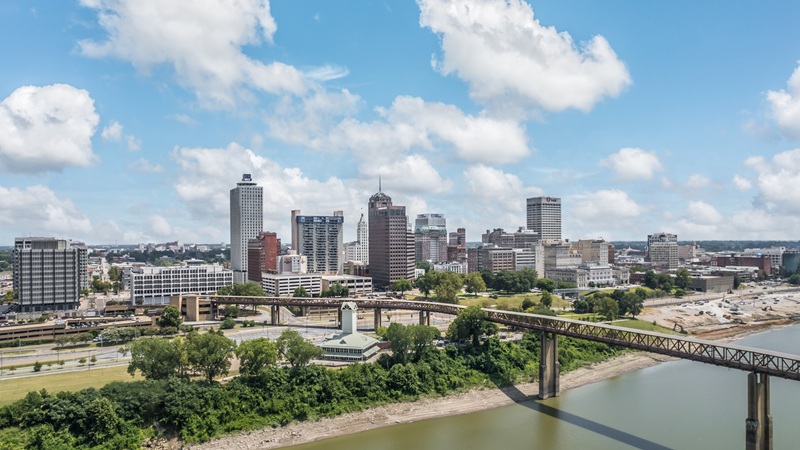
At an estimated 15.1 percent multifamily vacancy rate, Memphis ranks second nationwide for highest multifamily vacancy in Q2. The Memphis area, which extends across the border into Mississippi and Arkansas, has had a rising multifamily vacancy rate since 2021.
Deliveries peaked in early 2025, with nearly 2,500 new units added in the previous 12 months, and gradually slowed throughout the remainder of the year, reaching just below 2,300 by the end of the year. Demand in the Memphis market has remained weak.
As of this quarter, deliveries have declined to below 1,000 units, setting the stage for a gradual recovery as demand begins to absorb the recent wave of new additions.
3. Austin, TX
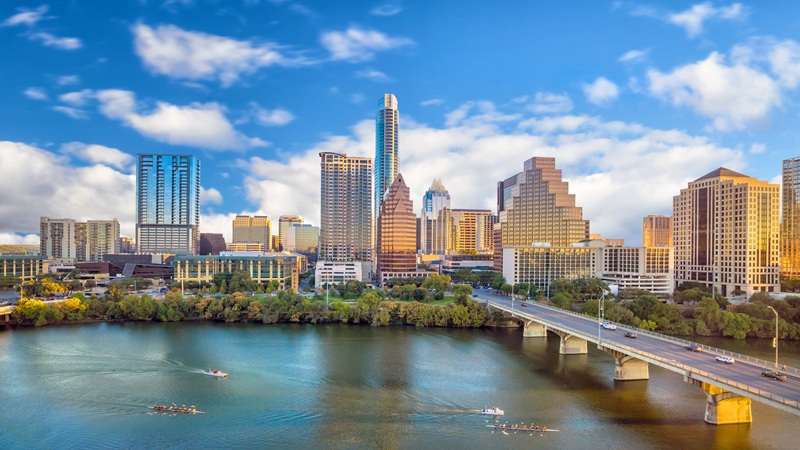
Austin, which saw one of the most dramatic supply pipelines during the post-pandemic period, has continued to struggle with high vacancy and negative rent growth. Despite retaining the unfortunate bottom spot on the rent growth charts for 11 straight quarters, the Austin multifamily market ranks only third for highest vacancy, with an estimated 13.3% vacancy rate in the second quarter.
In response to the large influx of new renters during the COVID-19 pandemic, developers kicked the Austin construction pipeline into high gear. At its peak in late 2025, Austin saw an addition of over 32,100 new units within 12 months. Given the modest size of the Austin market, these additions made a significant impact, amounting to 10 percent of total inventory.
Since then, Austin’s construction pipeline has slowed but remains above the pre-pandemic average for the market. As of the second quarter, Austin is expected to have added nearly 12,700 new units — or 4 percent of total inventory — in the past 12 months.
The slowdown has seen Austin’s vacancy rate decline from its peak of 15.8 percent in the third quarter of 2024, but vacancy remains in double digits. Recovery for this market is expected to be slow.
4. Charlotte, NC
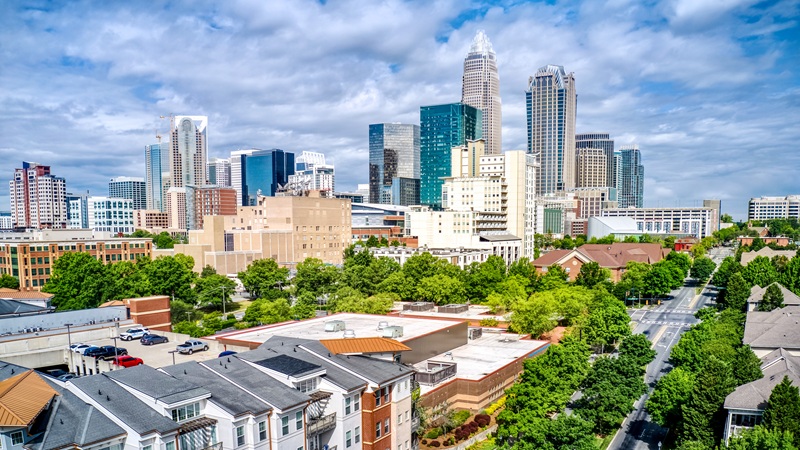
In fourth place, Charlotte has a projected 13 percent multifamily vacancy rate for the second quarter.
The Charlotte market has faced a flood of new supply additions in recent years. The supply wave crested in the second quarter of last year with nearly 18,100 new units, or 8 percent of total inventory. As of this quarter, new additions remain high, at 5 percent of total inventory, but the construction pipeline has been slowing.
After hitting double digits three years ago, Charlotte’s multifamily vacancy rate has been on the rise. Continual additions of new units have pushed the vacancy rate up to 13 percent — higher than at any point in the last decade.
5. Houston, TX
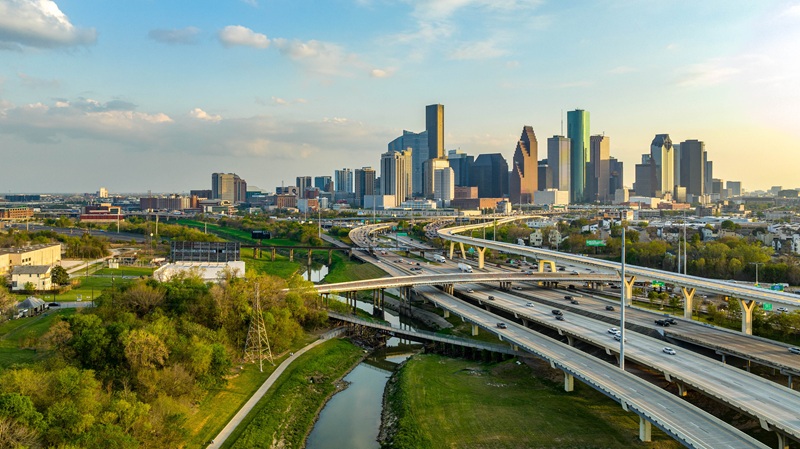
Houston is projected to have a 12.9 percent vacancy rate in the second quarter, putting it fifth place nationwide for elevated vacancy. Rent growth in the Houston multifamily market fell into negative territory a year ago and has gradually increased as vacancy has crept upwards, passing the negative 1-percent mark this year.
New supply additions, which peaked in 2024, continue to weigh on the Houston market even as new additions have slowed to pre-pandemic levels. Renter demand has weakened due to economic strain, a slowdown in employment, and deportation concerns, according to CoStar.
6. Dallas-Fort Worth, TX
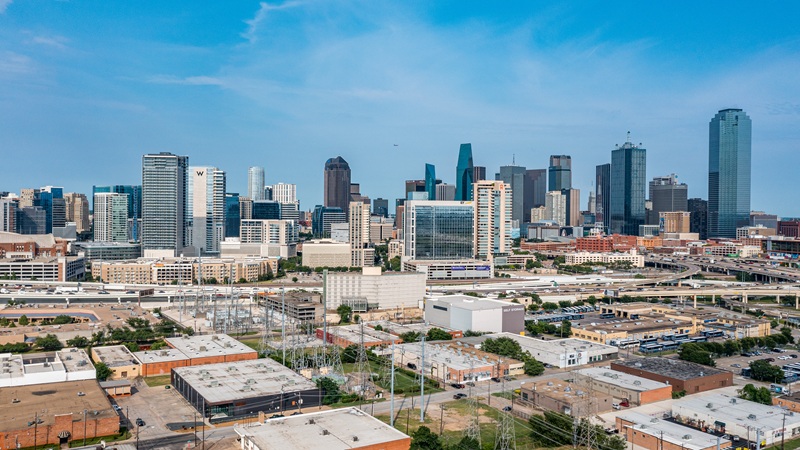
In the Dallas-Fort Worth multifamily market, vacancy is expected to rise to 12.6 percent by the end of the second quarter. Vacancy, which has remained above 12 percent for a year, has marked a 20-year high.
By sheer volume, the DFW metroplex has had one of the most active construction pipelines in the country. Over 33,500 new units were added to the Dallas-Fort Worth multifamily market in the previous 12 months as of Q1 — more than in New York City, Phoenix, Austin, or Atlanta. But given the size of DFW, these new deliveries made up only 4 percent of total inventory.
Rent growth in Dallas-Fort Worth has remained negative since the third quarter of 2023.
7. Oklahoma City, OK
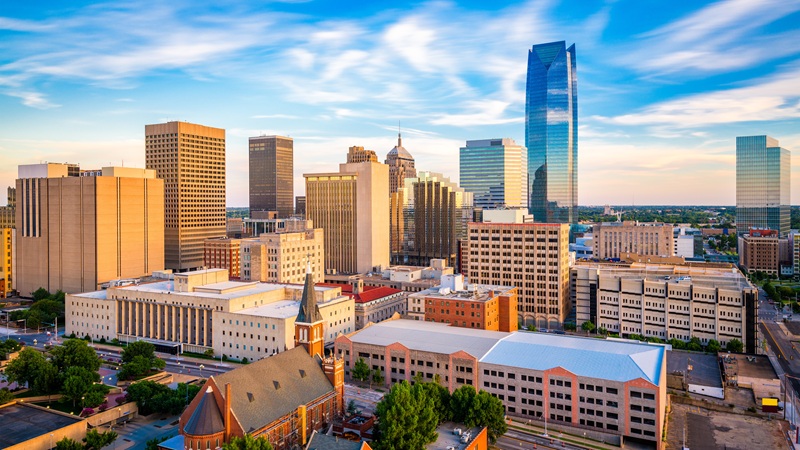
Vacancy rates in the Oklahoma City multifamily market have been on the rise since the pandemic, with vacancy expected to end the second quarter at 12.2 percent.
Even before the COVID-19 pandemic, vacancy rates have traditionally remained in double digits in this market, where new high-end supply typically outpaces demand, while low-end supply remains limited.
Rent growth in the OKC multifamily market has remained in positive territory, typically in line with the national average. In the first quarter of 2026, Oklahoma City posted 0.5 percent rent growth, falling from 1.3 percent at the end of 2025.
8. Indianapolis, IN

The Indianapolis multifamily market has seen vacancy rates rise following a supply wave that crested in mid-2024. Vacancy is projected to hit a high of 11.8 percent by the end of the second quarter.
At the same time, annual rent growth has slowed to 0.8 percent but remains positive and strong relative to other high-vacancy markets.
9. Jacksonville, FL
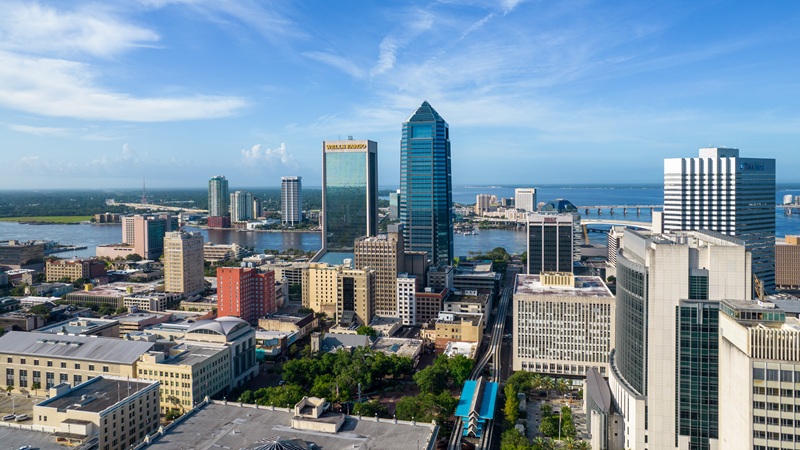
The multifamily vacancy rate in Jacksonville has been slowing but remains high at an expected 11.7 percent for the second quarter. Vacancy peaked at 14.2 percent in the first quarter of 2024.
From mid-2023 through early 2025, the supply pipeline in Jacksonville remained active, with new annual deliveries constituting 7 percent of total inventory.
Rent growth in the Jacksonville multifamily market hit a low of negative 2.8 percent in early 2024 and has been accelerating since, though it remains negative.
10. Atlanta, GA
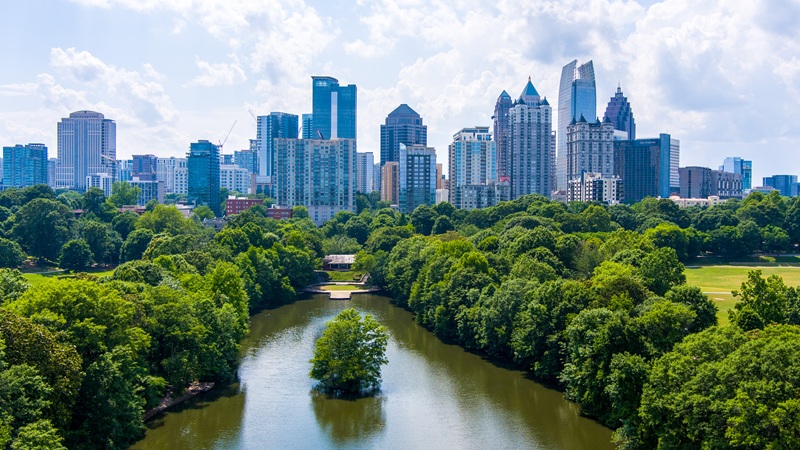
The multifamily development pipeline has been active in Atlanta, driving up vacancy rates, which peaked at 14.2 percent in early 2024. Vacancy has been declining since and is expected to fall to 11.7 percent in the second quarter.
From 2024 through 2025, new deliveries in the Atlanta multifamily market made up 5 percent of total inventory, more than double the pre-pandemic average for this market. As the construction pipeline has slowed, rent growth has accelerated. Though still negative at 0.9 percent in the first quarter, it is expected to creep back into positive territory this year.
11. Phoenix, AZ
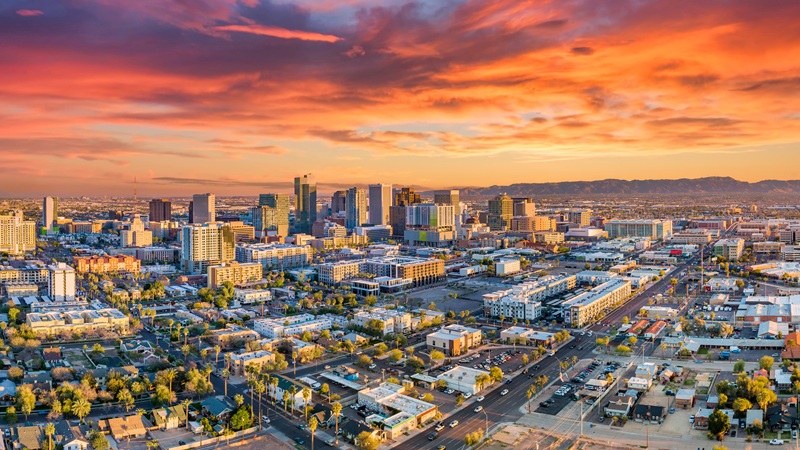
Vacancy in Phoenix remains high at 11.6 percent, though it has fallen since its peak of 12.6 percent at the end of 2025.
The supply pipeline continues to be active in this multifamily market, with annual deliveries making up 5 percent of total inventory as recently as the first quarter of this year.
Despite a gradual slowdown, new supplies remain well above the pre-pandemic average for Phoenix, when net deliveries average under 7,000 units per year, compared to nearly 21,000 units today.
Rent growth has been negative since early 2023, despite slight acceleration in recent quarters.
12. Denver, CO
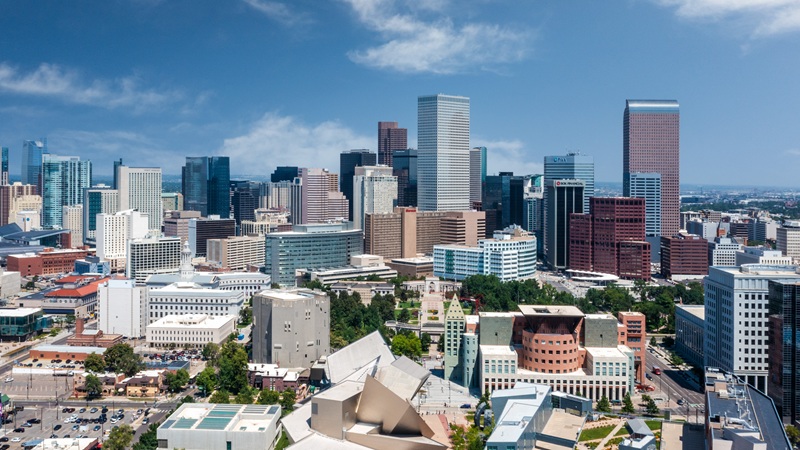
The Denver multifamily market has struggled with one of the greatest annual declines of major multifamily markets outside of Austin, with annual rents declining by over 3 percent each quarter since the second quarter of 2025.
Vacancy in Denver is estimated to fall slightly to 11.6 percent, a downward trend from its peak at 12.2 percent in late 2025.