

The US covers the world’s third-largest land area and has the third-largest population, creating a wide range of cities with distinct identities and lifestyles. From coast to coast and north to south, no two cities feel the same. Renters move to cities for different reasons but share commonalities that lead to some metros becoming standouts. To help you find the place that fits you best, here are the best cities to live in for 2026.
The best places to live in 2026 for renters are:
- Chicago, IL
- New York, NY
- Los Angeles, CA
- Houston, TX
- Dallas, TX
- Atlanta, GA
- Boston, MA
- San Diego, CA
- Austin, TX
- Miami, FL
Methodology
We evaluated the best places to live in 2026 for renter based on availability, search trends, lifestyle, economics, walkability, and public transit. All rent data is from Apartments.com as of January 2026.
Chicago
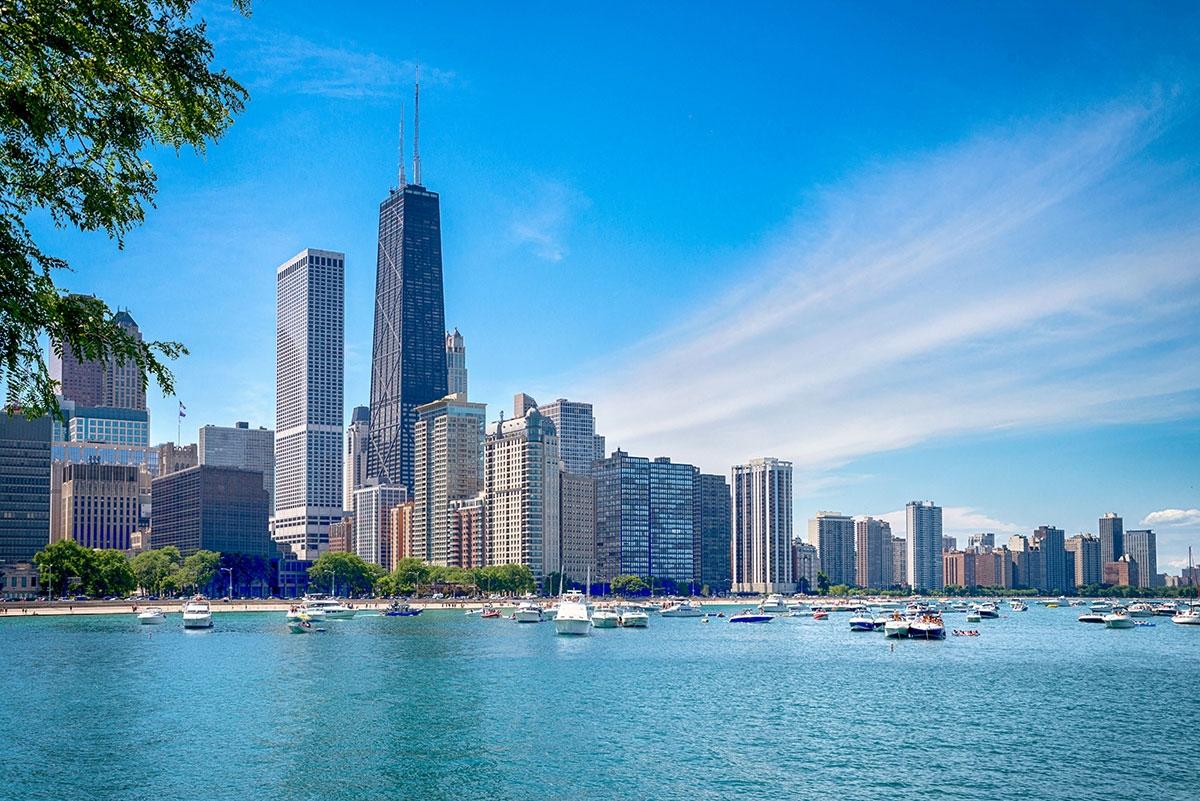
- Average Rent in the US: $1,624/month
- Average Rent in Chicago: $1,967/month
- Average One-Bedroom Size in Chicago: 660 square feet
Why renters like living in Chicago
Chicago stands out for its well-developed public transport, walkability, diverse economy, and a strong education scene. Combined with the active downtown, neighborhoods with distinct identities, booming cultural scene, and plentiful green space, it’s easy to see why the city attracts so many.
Iconic landmarks and museums keep residents entertained through explorations into the world around them and the past. Music and cheers spill out of all corners of the city with concert and sports events at Wrigley Field and United Center. Residents take a break from exploring the Magnificent Mile or strolling next to Lake Michigan in Grant Park by sitting down for Chicagoan food or international fare.
What renters should know before moving to Chicago
Before you make the move, there are a few things you should know before moving to Chicago. High demand paired with low availability and few new apartments causes a tough market. However, renters find it well worth the renting challenges as Chicago offers a life that you can’t find anywhere else.
New York
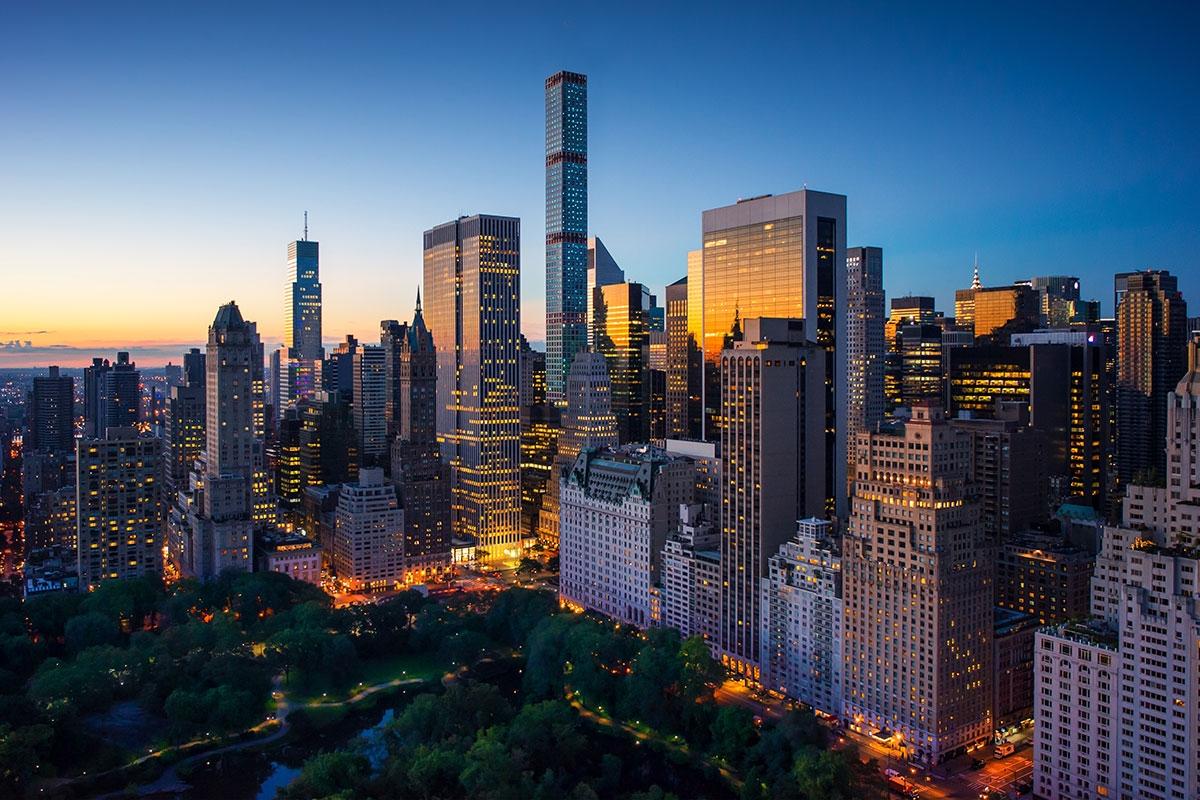
- Average Rent in the US: $1,624/month
- Average Rent in New York: $4,030/month
- Average One-Bedroom Size in New York: 595 square feet
Why renters like living in New York
New York is the epitome of a big city with countless professional and educational opportunities, easy-to-walk streets, an expansive subway that connects all five boroughs, and a cultural landscape embedded in every corner of the city. Each neighborhood has its own vibe, with unique foods, parks, nightlife, art, venues, and lifestyles. From Central Park’s tree-lined paths to the energy of Times Square and the waterfront views along the Hudson and East Rivers, culture and history show up in every corner of the city.
This variance across New York allows renters to settle into a place that truly feels like home. Whether you’re heading there for the always-awake entertainment in Hell’s Kitchen or to take advantage of the countless major corporate headquarters in the Financial District, there is a slice of the city for you.
What renters should know before moving to New York
Living in New York City has its pros and cons as the city has the highest average rent in the country, beating out San Francisco. Space comes at a premium, and many must make sacrifices to get their must-haves, whether that means giving up desirable features, amenities, location, or space. Yet even with the high rents, tough competition, and limited availability, the city still continues to grow, thanks to the lifestyle and opportunities.
Los Angeles
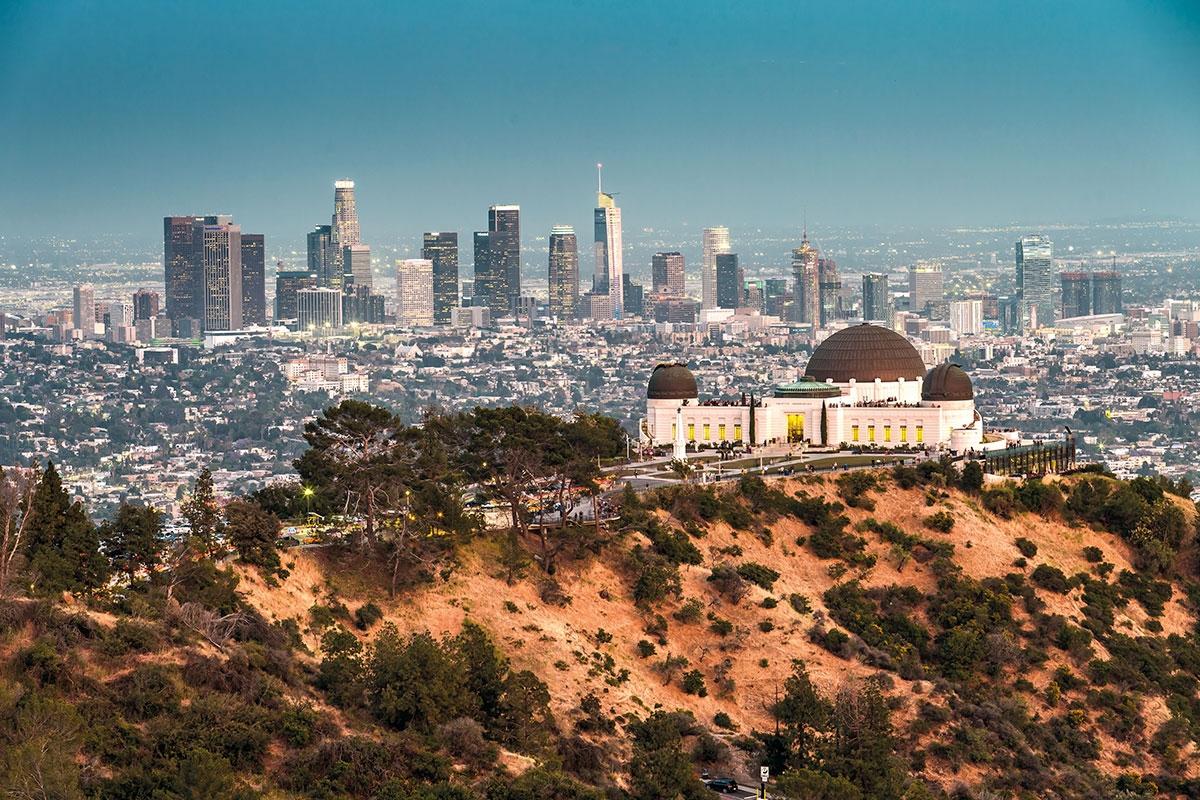
- Average Rent in the US: $1,624/month
- Average Rent in Los Angeles: $2,170/month
- Average One-Bedroom Size in Los Angeles: 611 square feet
Why renters like living in Los Angeles
Los Angeles is a city of creatives and techies that revolves around beautiful weather and outdoor opportunities. Renters frequently spend their free time in the sun on the beach or climbing through canyons and cliffs in Griffith Park. The outdoor lifestyle supports the health and wellness focus of many residents, in addition to plenty of food choices.
The city’s entertainment and creative scene is second to none. Neighborhoods, like Echo Park and Venice Beach, burst with colors and music as artists practice their craft on the streets and actors bring stories to life. The creativity takes on a more technical side in Silicon Beach, which is home to major industry players, startups, and everything in between.
What renters should know before moving to Los Angeles
The most commonly repeated issues that renters should know before moving to Los Angeles is that rush hour is terrible and everything is expensive. Renters try to find homes as close as possible to their workplace to shorten commutes as even a couple of miles can turn into hours. Some try to avoid traffic by taking the subway, light-rail, or buses in the city, but those can be limited.
Houston
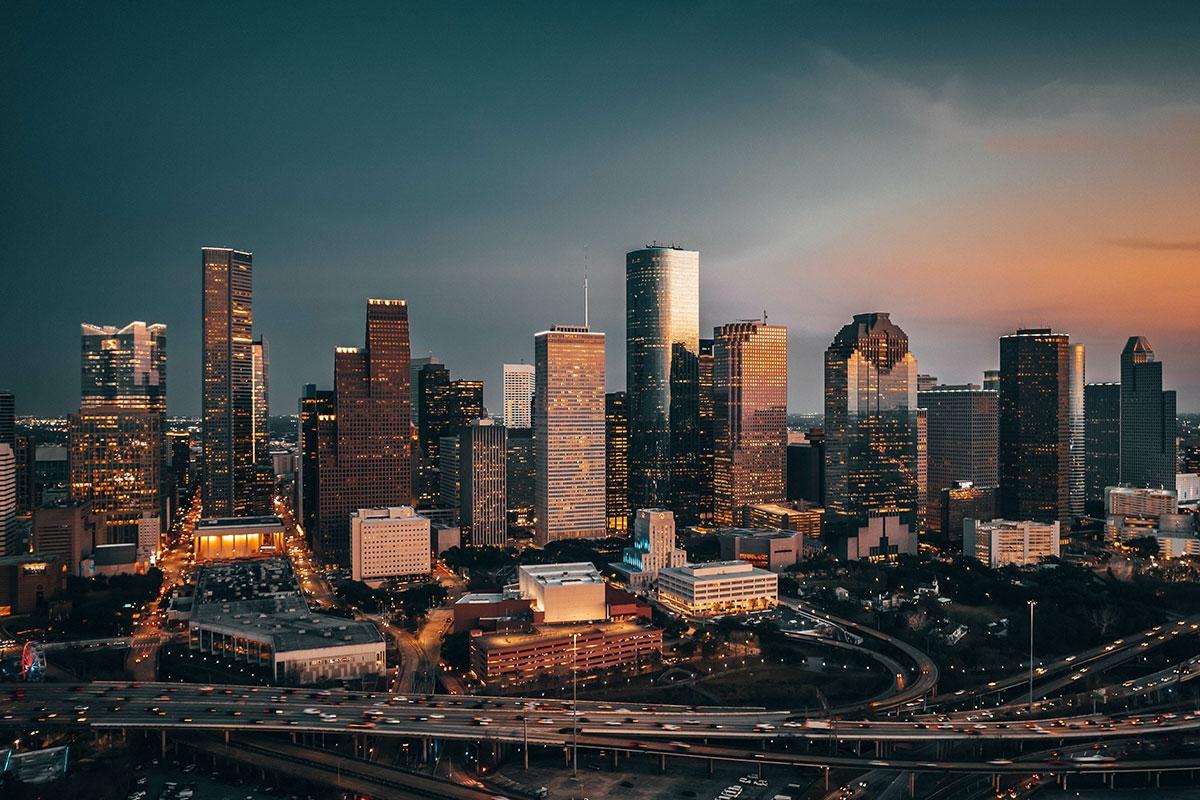
- Average Rent in the US: $1,624/month
- Average Rent in Houston: $1,181/month
- Average One-Bedroom Size in Houston: 724 square feet
Why renters like living in Houston
Texas has become a renter hotspot, with Houston topping the list of the best places to live in the state. A strong economy supports professional opportunities in a variety of industries. There is also plenty to experience, from trails at Buffalo Bayou Park to cultural attractions packed into Museum Park. Houston lets you travel the world through its food, with restaurants representing nearly every global cuisine. However, the main draw of the city is the amazing neighborhoods that offer affordability, space, and good school quality.
What to know before moving to Houston
Houston is a great place to live for renters but there are a couple of things that potential residents should know. Public transit includes bus routes and a train system, though coverage is limited outside downtown areas. Hot, humid weather, combined with limited sidewalks, keeps walkability low in many neighborhoods. The city is also prone to severe weather, including flooding and hurricanes.
Dallas
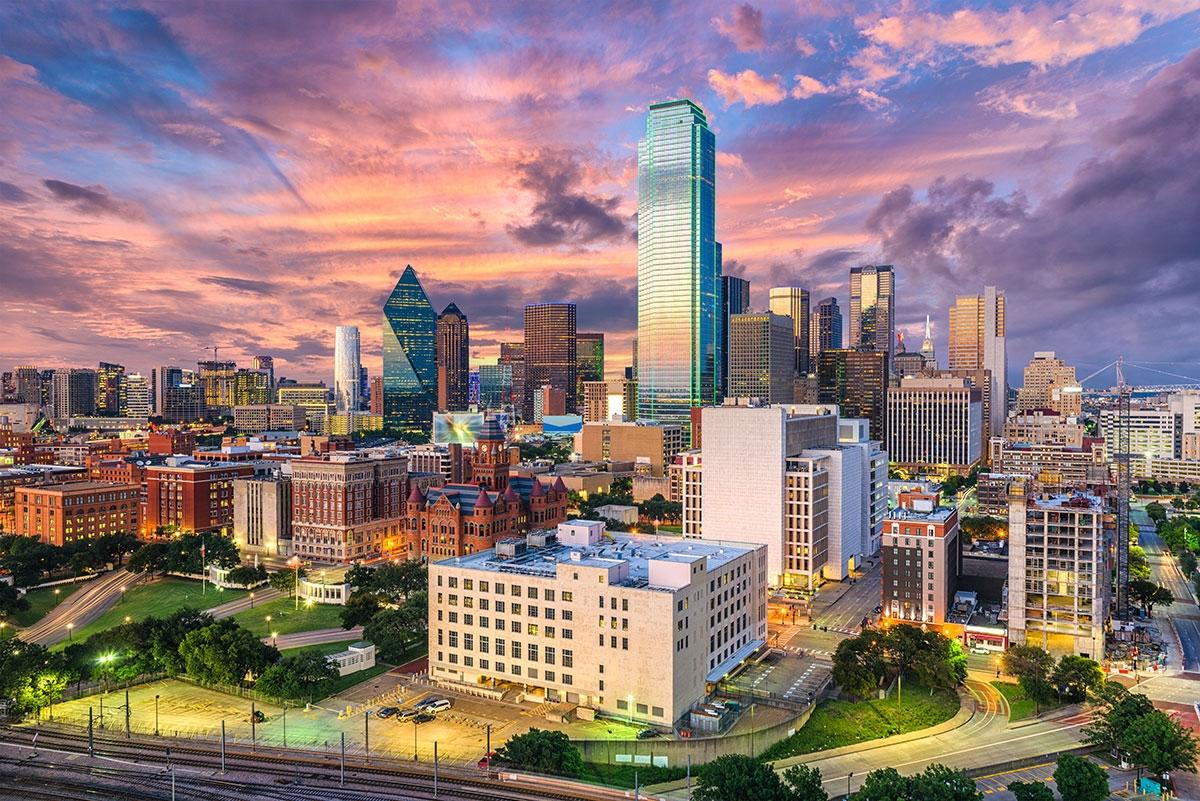
- Average Rent in the US: $1,624/month
- Average Rent in Dallas: $1,394/month
- Average One-Bedroom Size in Dallas: 713 square feet
Why renters like living in Dallas
Dallas has established itself as a business hub, as major companies call the city home across a wide variety of industries. This has contributed to the modern feeling of the city, yet it’s still very affordable. In addition, the suburbs offer a quieter lifestyle compared to the energy of downtown so you can pick the neighborhood that matches you best.
The Trinity River provides miles of trails while each district has its own distinct character, whether that’s a focus on food and art or on sports and the outdoors. Iconic festivals and events, like the State Fair of Texas and the Deep Ellum Arts Festival, bring tantalizing smells and sounds to the city.
What renters should know before moving to Dallas
While Dallas remains affordable compared to many major U.S. metros, it is one of the more expensive cities in Texas. The cost of living in Dallas is just 0.8 percent lower than the national average, compared to Houston’s 6.5 percent lower. Dallas also experiences severe weather like Houston, but its North Texas location makes tornadoes and intense thunderstorms more common.
Public transit does exist in Dallas but it is limited, leading to many residents relying on cars. Downtown renters and certain suburbs can manage with buses and the rail system but for those in areas that are not served by public transit, driving is a daily ritual. That daily ritual can be frustrating due to heavy traffic and long commutes.
Atlanta
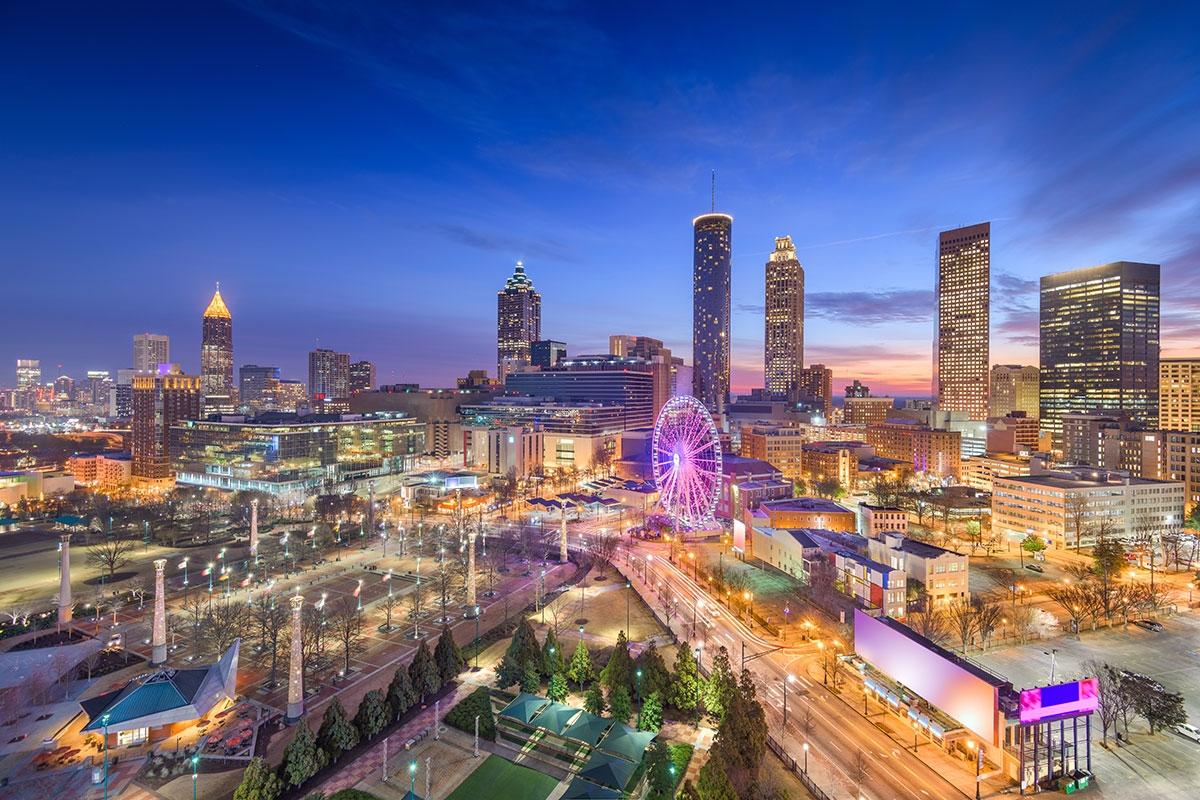
- Average Rent in the US: $1,624/month
- Average Rent in Atlanta: $1,609/month
- Average One-Bedroom Size in Atlanta: 769 square feet
Why renters like living in Atlanta
As part of the Sun Belt, Atlanta combines the affordability of the region with the lifestyle of a big city. Highly-regarded educational institutions and large companies fill the city, providing opportunities for all. Both the suburbs and downtown are popular among renters, as one offers space, excellent schools, and quiet while the other provides a compact core where daily essentials and entertainment are within walking distance.
Mixed-use developments and walkable neighborhoods packed with independently-owned shops and restaurants are filled during evenings and weekends. The same goes for the many stadiums and arenas that act as venues for both sports and music, like the Mercedes-Benz Stadium or Truist Park. There is never a calm weekend in Atlanta as there’s always an event or festival happening.
What renters should know before moving to Atlanta
Atlanta has plenty to love, but knowing what to expect makes all the difference. Traffic is heavy and persistent throughout the day, making commutes a challenge. MARTA provides public transit, but it’s only practical if you live or work near a station, since coverage is limited. Hills and heat can make getting around on foot more challenging, though there are many walkable areas.
Boston
- Average Rent in the US: $1,624/month
- Average Rent in Boston: $3,416/month
- Average One-Bedroom Size in Boston: 696 square feet
Why renters like living in Boston
Boston is known for its classic New England charm that seamlessly blends urban with greenery. Large parks dotted with historic landmarks and the harbor provide a striking contrast against 18th and 19th-century Federal style buildings. The world-class universities of Massachusetts Institute of Technology (MIT) and Harvard anchor the economy in Boston, alongside healthcare, government, and financial services.
Boston isn’t all business as events and festivals draw residents and visitors. Fenway Park lights up during the summer, and Downtown Crossing keeps people in the streets well into the night. Newbury Street puts modern shops in historic buildings for a shopping experience that can’t be found in other cities. Food is a cornerstone of the cultural scene in the city as New England classics like lobster rolls and clam chowder thrive alongside international fare.
What renters should know before moving to Boston
Living in Boston does come with challenges. One of the biggest is how expensive the city is, from a high average rent to the cost of living being 47.1 percent higher than the national average. The rental market also operates differently compared to other cities as most leases revolve around Moving Day on September 1st, leading to a chaotic day where a majority of renters in the city are all moving.
You’ll also have to contend with harsh winters that disrupt daily routines and even shut down the city. Snow can make driving in Boston extremely difficult, and even in good weather, traffic, confusing streets, unique traffic laws, and a complicated parking situation pose daily challenges. Luckily, the T gives residents an easier option to get around via the subway that snakes to all corners of the city.
San Diego
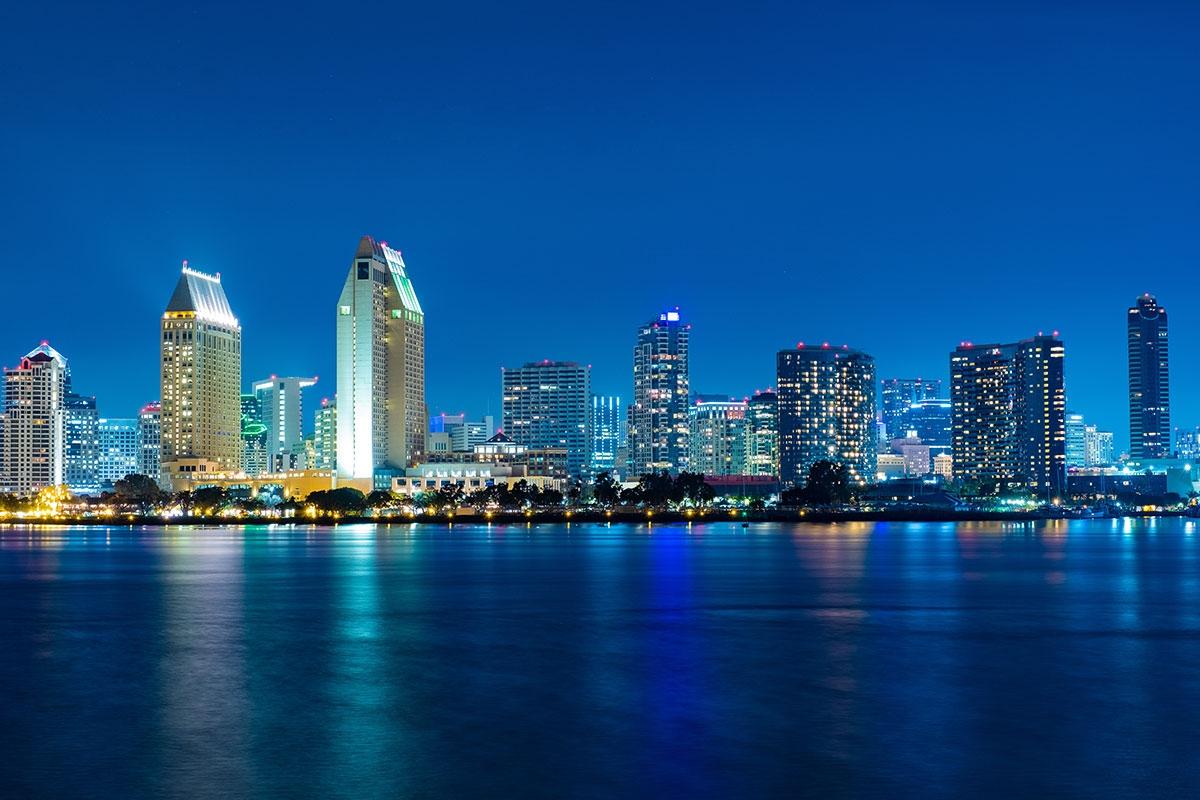
- Average Rent in the US: $1,624/month
- Average Rent in San Diego: $2,380/month
- Average One-Bedroom Size in San Diego: 652 square feet
Why renters like living in San Diego
San Diego is built for outdoorsy people with countless beaches, huge parks, and preserves. Get out in the water or explore tide pools at La Jolla or walk along the beach on the Mission Beach Boardwalk. Or enjoy the curated design of Balboa Park and its many museums, gardens, and zoo. Famous festivals and events happen in every neighborhood in San Diego, so you never have to go far from home to celebrate.
The refined and compact nature of downtown, with its many shops and restaurants, provides an urban contrast to the rest of the city’s laid-back, nature-focused lifestyle. The backbone of the economy consists of innovation, military, and tourism industries.
What renters should know before moving to San Diego
Living in San Diego revolves around the beach, outdoors, and sunshine but daily life is not always sunny. The biggest thing that causes overcast moods is the bumper-to-bumper traffic and lack of parking. Luckily, biking and walking are great year-round alternatives, thanks to the weather.
Austin
- Average Rent in the US: $1,624/month
- Average Rent in Austin: $1,381/month
- Average One-Bedroom Size in Austin: 713 square feet
Why renters like living in Austin
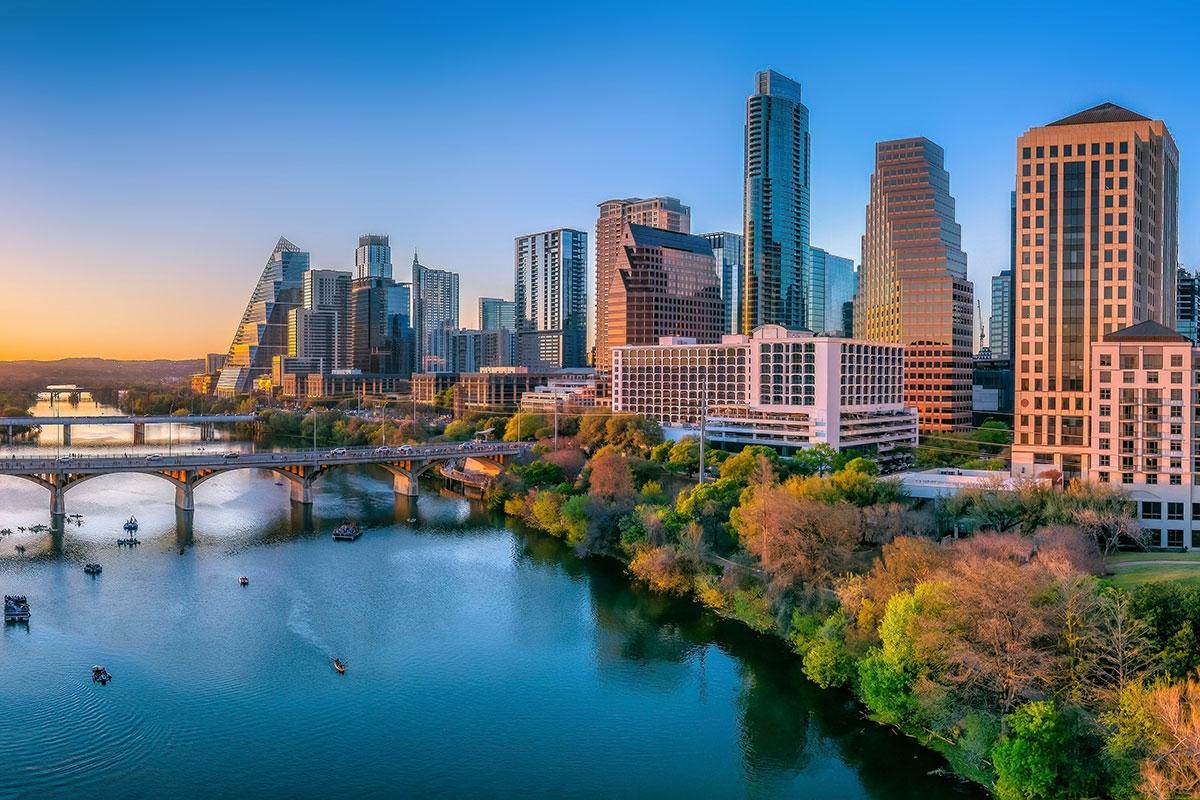
Austin's identity is tied to its culture, with music, film, and art shaping residents’ lives as much as the economy. There’s always a festival for residents to look forward to, with performances, concerts, and other events filling out the rest of the calendar. The Colorado River cuts through the city, giving rise to a network of parks, trails, waterways, and natural springs that are the perfect way to beat the Texas heat.
Neighborhoods in Austin give renters options, from riverfront living to downtown areas centered around companies. Often called “Silicon Hills,” the city has attracted major tech companies, but technology isn’t the whole story. Healthcare, education, and government remain cornerstones, while a growing film industry cements the city’s creative spot in the local economy.
What renters should know before moving to Austin
Austin has seen such a jump in growth that the city has struggled to keep up with the influx of people, especially when it comes to traffic. Almost all residents drive as there is little public transit beyond a singular rail line and buses. This results in packed highways and streets, especially during rush hour.
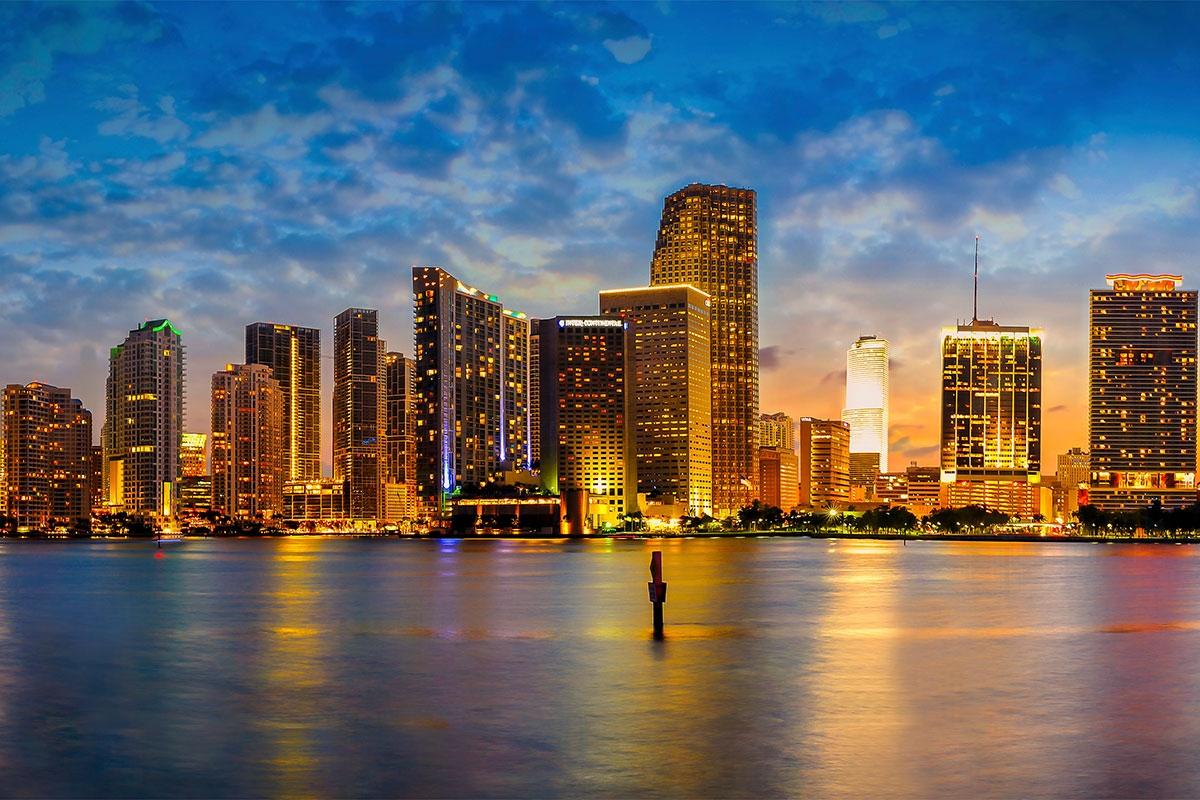
Miami
- Average Rent in the US: $1,624/month
- Average Rent in Miami: $2,207/month
- Average One-Bedroom Size in Miami: 693 square feet
Why renters like living in Miami
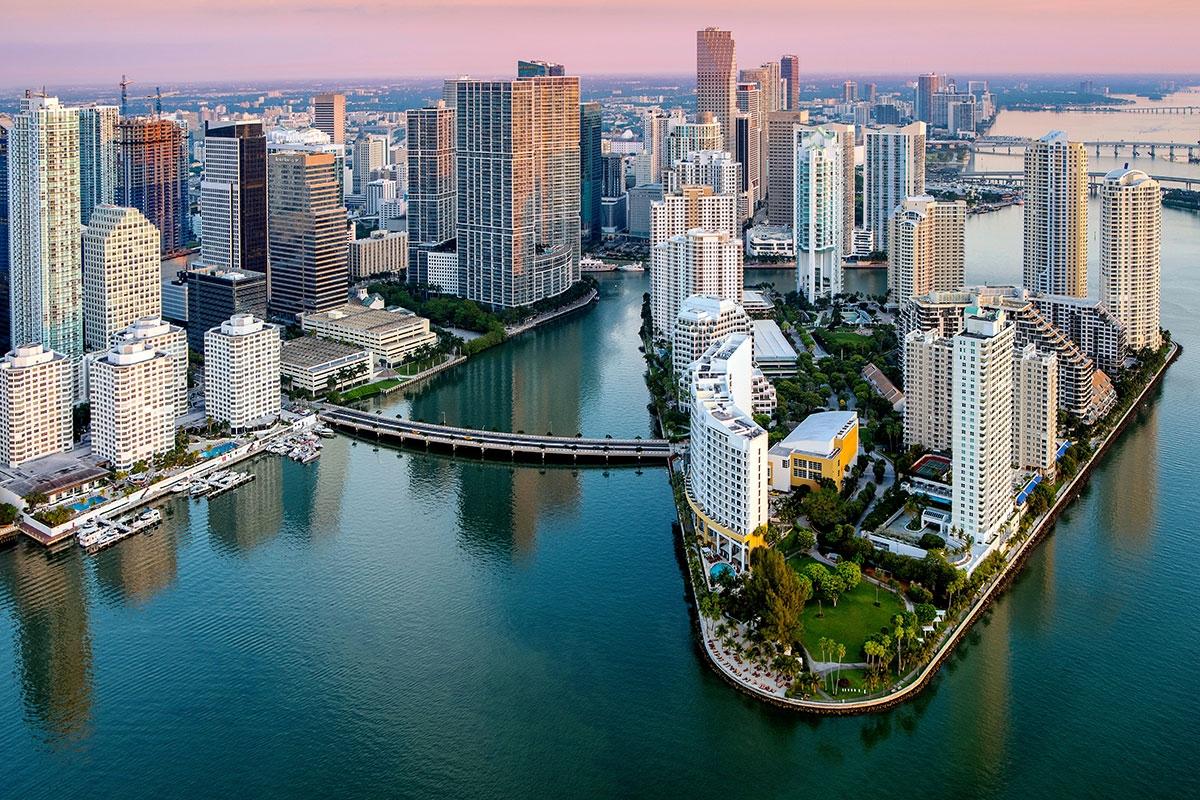
Miami weaves entertainment, business, culture, and beaches into one city. It has one of the biggest art scenes in the country, even when compared to New York, Los Angeles, or Chicago. Festivals and events highlight integral cultures and the creative arts of all mediums. The lights of the city never dim with restaurants and bars catering to late-night crowds.
Miami’s coastal location has shaped a globally connected economy with strong ties to international markets. In recent years, companies have relocated headquarters or expanded operations in the city, particularly in trade, finance, and tourism. This steady business growth has helped fuel demand for housing, making Miami appealing to both employers and renters.
What renters should know before moving to Miami
The surf, sand, sun, and fun of Miami does come with tradeoffs that renters need to be prepared for. While the city has drastically improved its public transit with the Metrorail, Metromover, and Metrobus, people in areas not covered still rely heavily on cars, causing heavy traffic. While the weather in Miami is one of the biggest draws to the city, it’s also one of the downsides as residents have to contend with hurricanes, tropical storms, and flooding.
Find Your Next Apartment with Apartments.com
No matter which city tops your list, Apartments.com makes it easy to compare rents, explore neighborhoods, and find a place that fits your budget and lifestyle. Filter by price, apartment size, and amenities, and dive into detailed neighborhood insights before you tour. With tools that help you narrow options quickly, Apartments.com will help you move forward with confidence, whether you’re eyeing a studio downtown or a one-bedroom in a quieter neighborhood.
FAQs
What is the cheapest state to live in?
The cheapest state to live in is Oklahoma as it has an average rent of $907/month for a one-bedroom apartment.
What is the best place to live in the US?
The best place to live in the US heavily depends on your budget, lifestyle, and preferences. Larger metros are often popular among renters for the plentiful opportunities, both entertainment and professional. Nature lovers look towards the cities with the best parks for plenty of green space.


