
Fayetteville
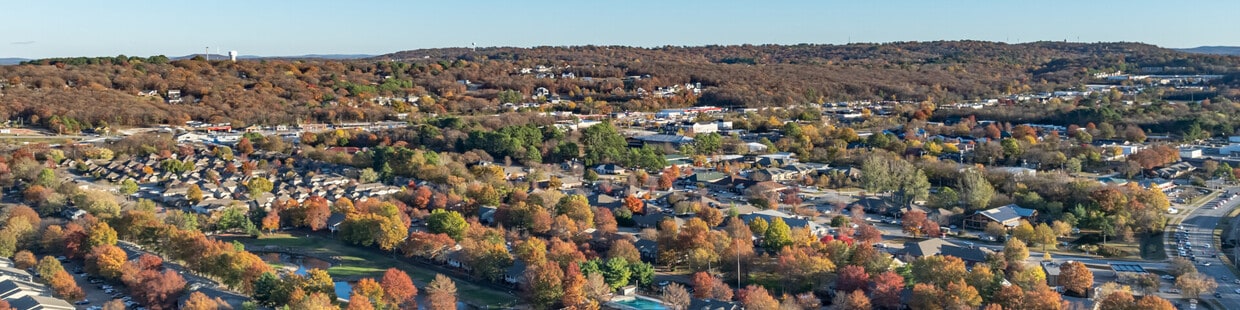
Located in the Ozark Mountains, Fayetteville combines small-town appeal with the energy of a university community. As home to the University of Arkansas, the city offers an array of cultural attractions and outdoor activities. The rental market includes apartments throughout the city, from communities near campus to residential options in the Uptown district, with current average rents ranging from $906 for one-bedroom units to $2,506 for four-bedroom homes. The rental market has seen moderate growth, with rates increasing approximately 4.4% annually. Fayetteville's downtown square hosts the farmers' market, a local tradition since 1974, while Dickson Street features local restaurants, shops, and live music venues. The city's trail system includes the Razorback Regional Greenway, which helped Fayetteville become the first U.S. city to receive the "Bike City" designation from the Union Cycliste Internationale. Outdoor spaces include Wilson Park and the Botanical Garden of the Ozarks. The Walton Arts Center and TheatreSquared offer performing arts programming throughout the year. Notable areas include the Mount Nord district, showcasing architecture from the early 1900s, and the Uptown area near the Northwest Arkansas Mall.
College Station
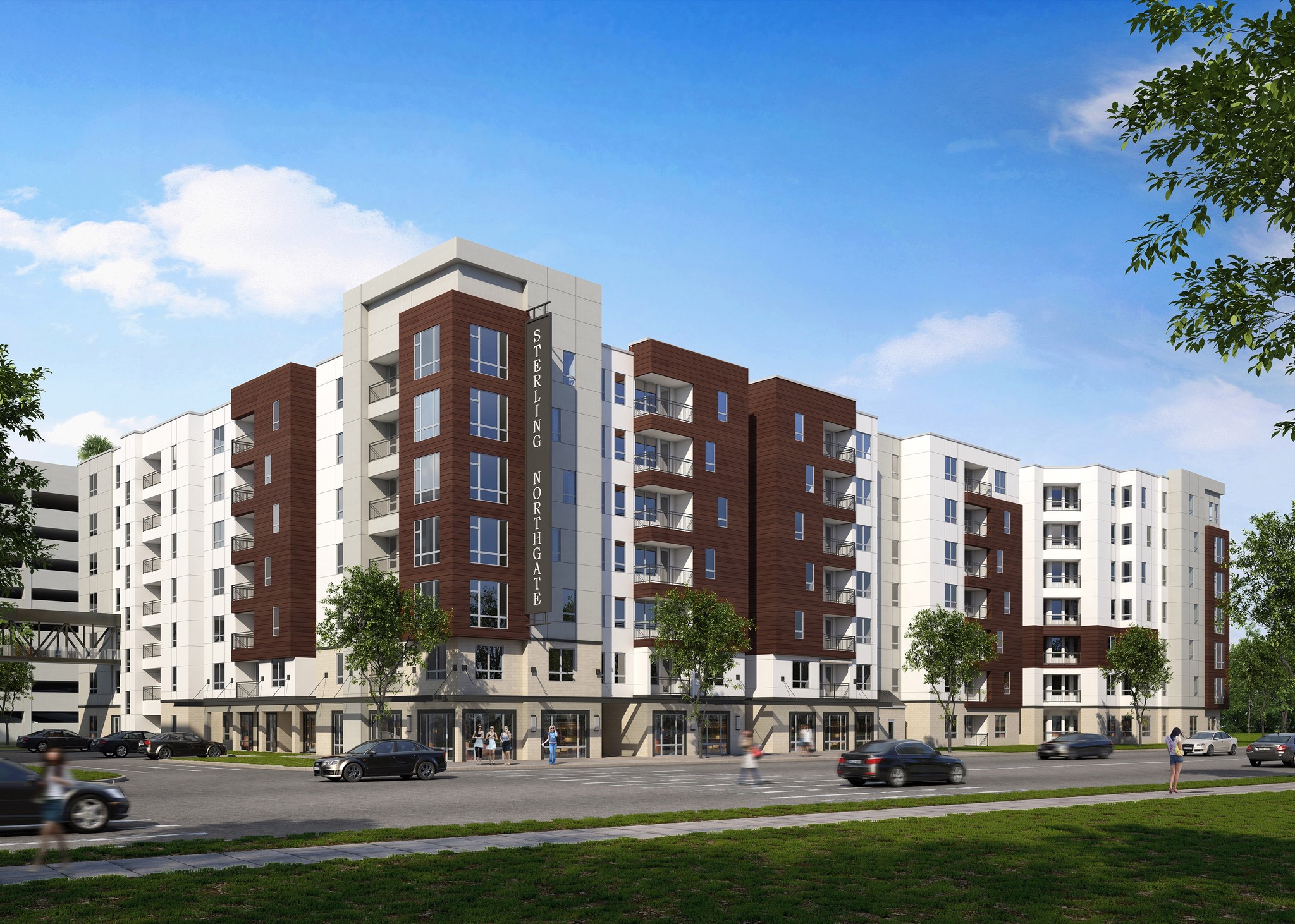
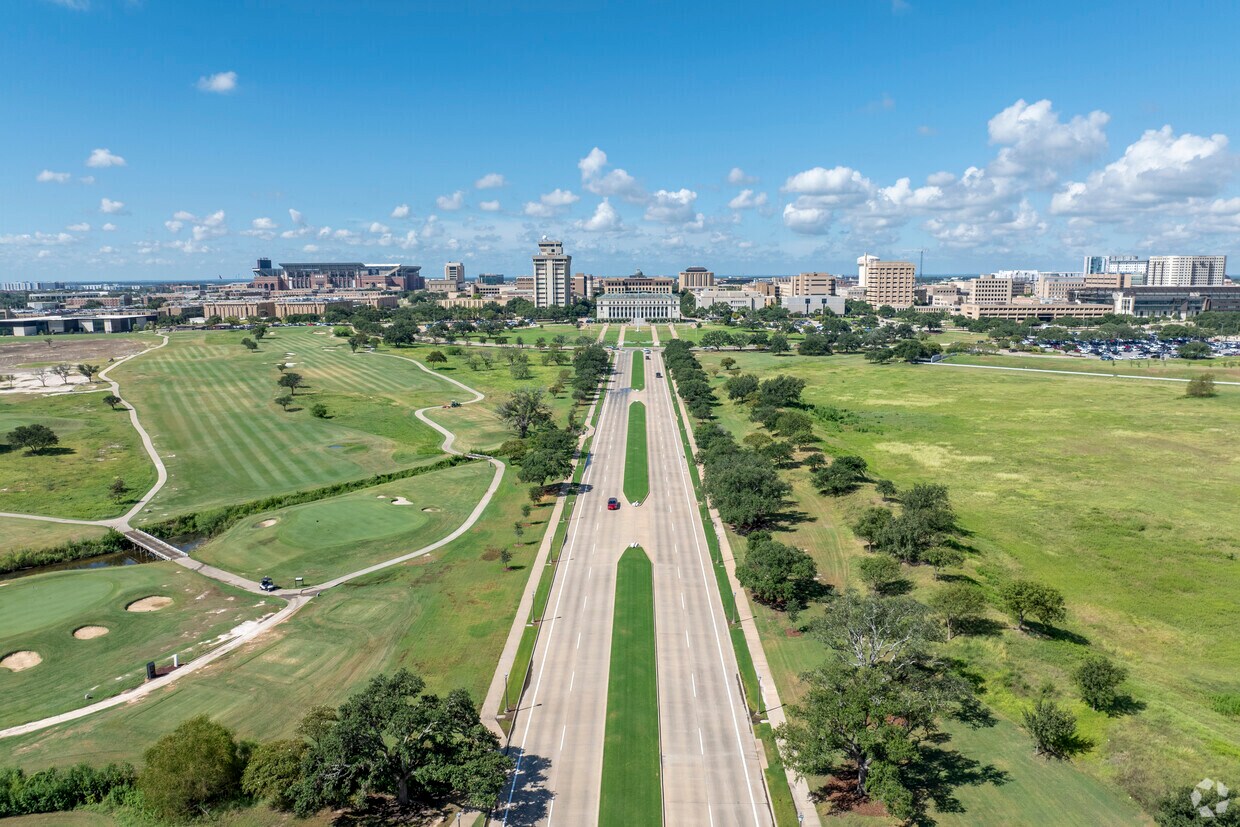
College Station exists because of Texas A&M University, and that relationship still shapes nearly everything about living here. The flagship campus of the Texas A&M University System draws students, researchers, and employers from across the country, giving the city an energy that extends well beyond academic calendars. Baylor Scott & White Medical Center and the Texas A&M Research Park anchor a growing employment base, so the city serves far more than a campus crowd. With a population just over 120,000, College Station sits within the Bryan-College Station metro and carries the easy, unhurried pace of Central Texas without feeling isolated. Neighborhoods range considerably in character. Northgate buzzes closest to campus with dense walkable blocks, while the Wolf Pen Creek District offers trails and an amphitheater anchoring a quieter stretch along Harvey Road. Southwood Valley and Castlegate deliver more spread-out residential settings toward the southern edge of the city. The rental market reflects that variety, with apartment communities spanning studio units near campus to spacious multi-bedroom townhomes in suburban-style settings. Kyle Field, one of the largest football stadiums in the country, seats over 100,000 and marks College Station as a place where community identity runs genuinely deep.
Bryan
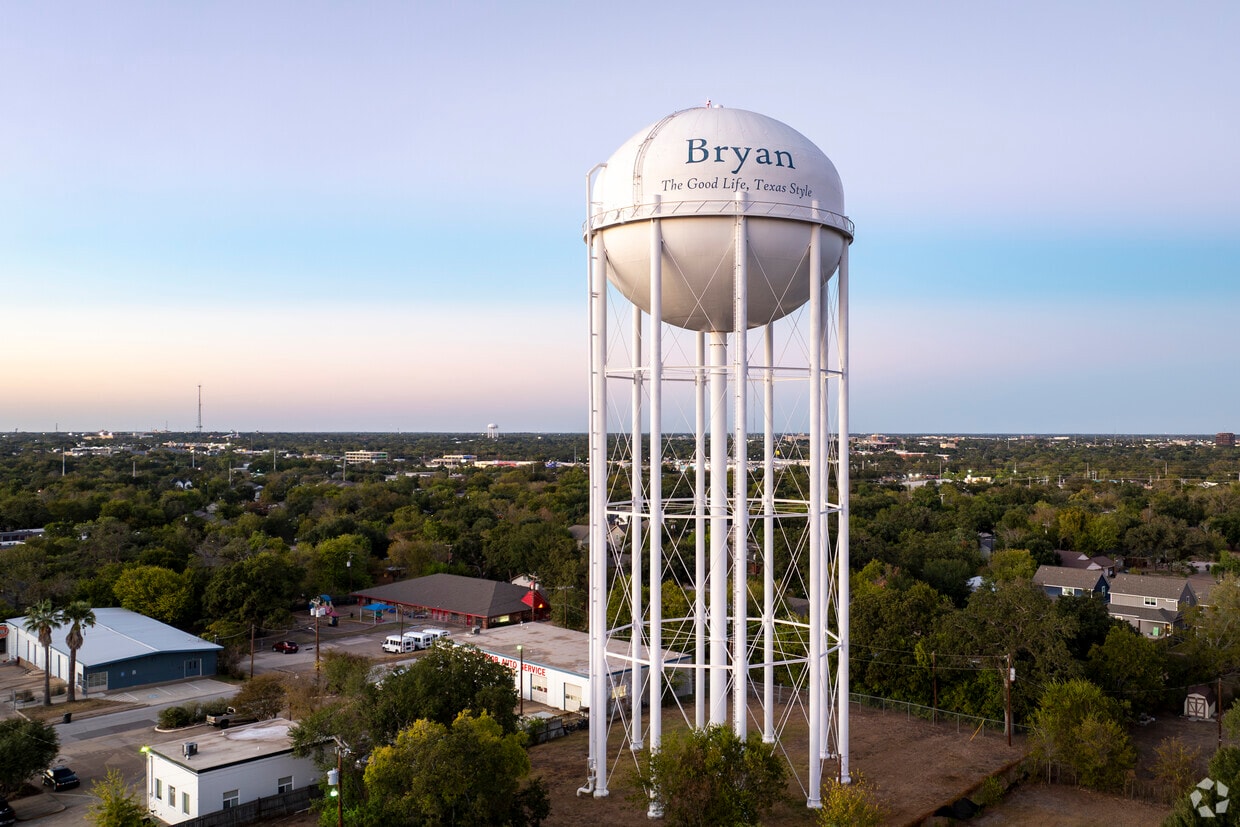
Bryan is the county seat of Brazos County and the older, quieter half of the Bryan–College Station metro, a combined area of more than 268,000 people set in the heart of the Brazos Valley. Texas A&M University anchors the region's economy and shapes much of its character, drawing researchers, healthcare workers, and educators to both cities. The Texas A&M Health Science Center and the RELLIS Campus add a layer of innovation and skilled-industry employment that extends well beyond the university's main campus. Downtown Bryan stands out with preserved late-19th- and early-20th-century architecture, a cultural arts district, and a walkable stretch of galleries and gathering spaces. Neighborhoods like Midtown, Park Hudson, and the Lake Walk area each offer a distinct feel, from tree-lined residential streets to newer mixed-use settings near medical facilities. The rental market reflects that range, with studio and garden-style apartments, spacious townhomes, and apartment communities spread across the city. Founded in 1871 and shaped by both railroad history and agricultural roots, Bryan carries a sense of place that newer Texas boomtowns rarely match.