Los Angeles
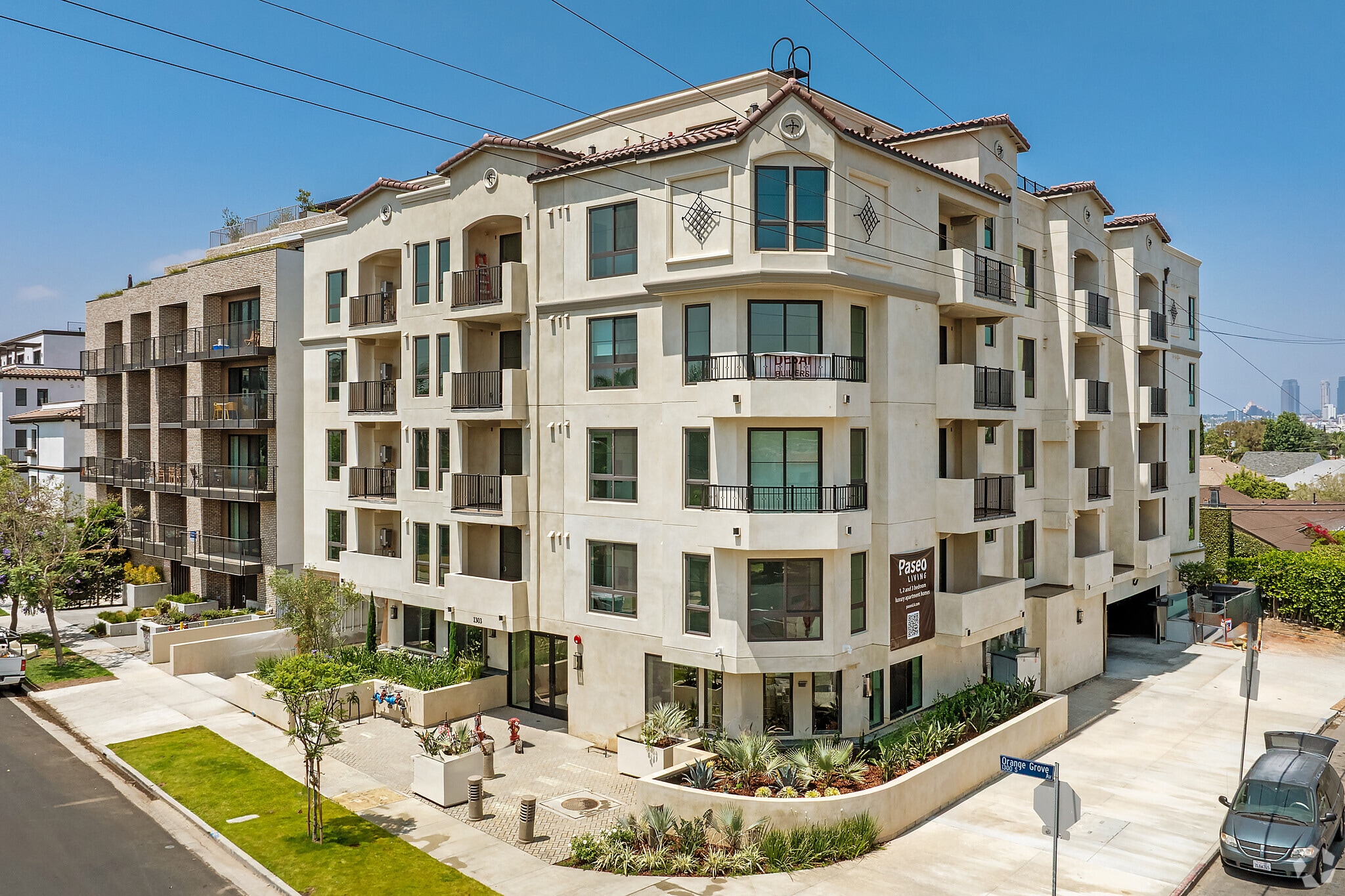
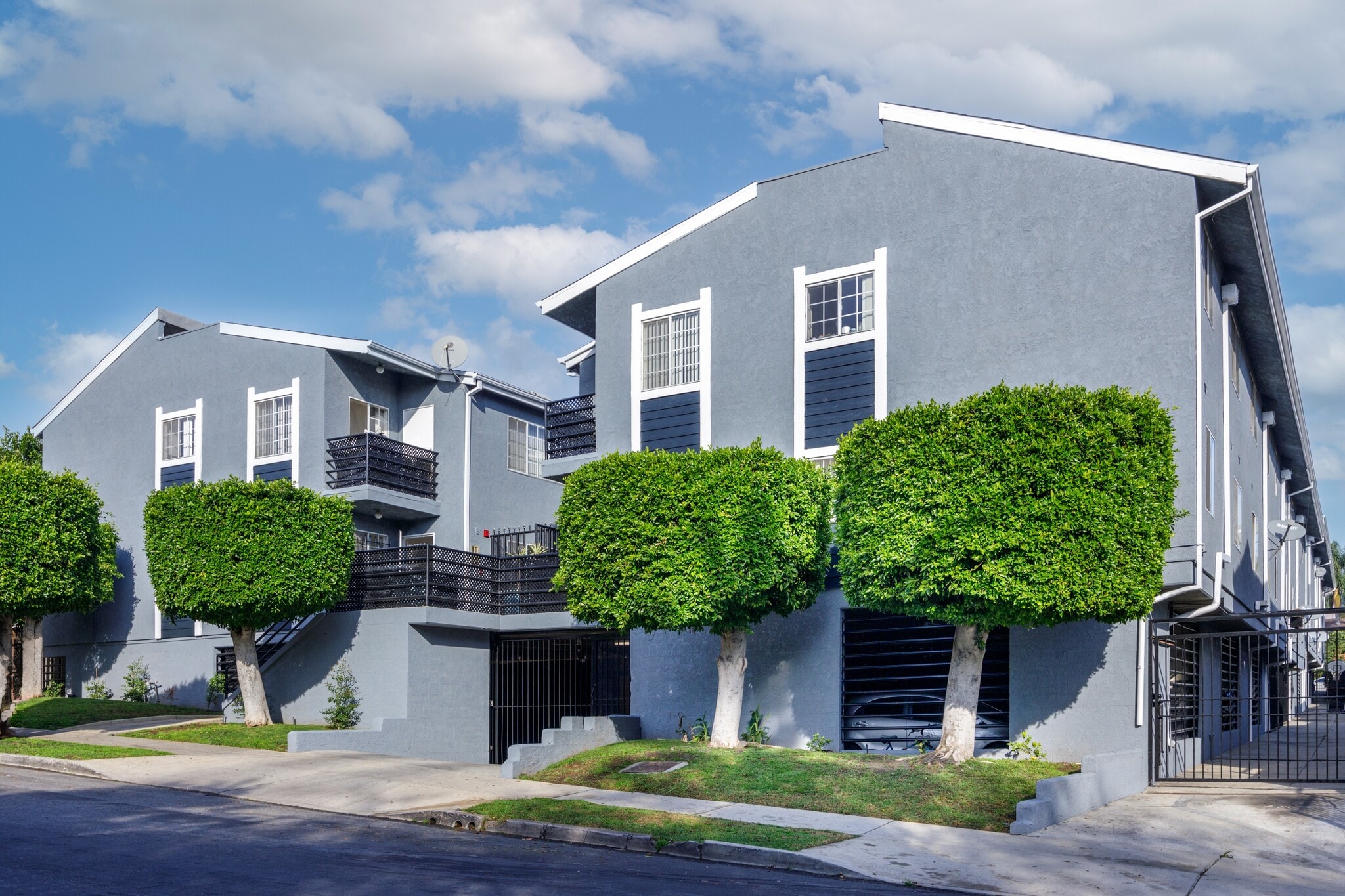
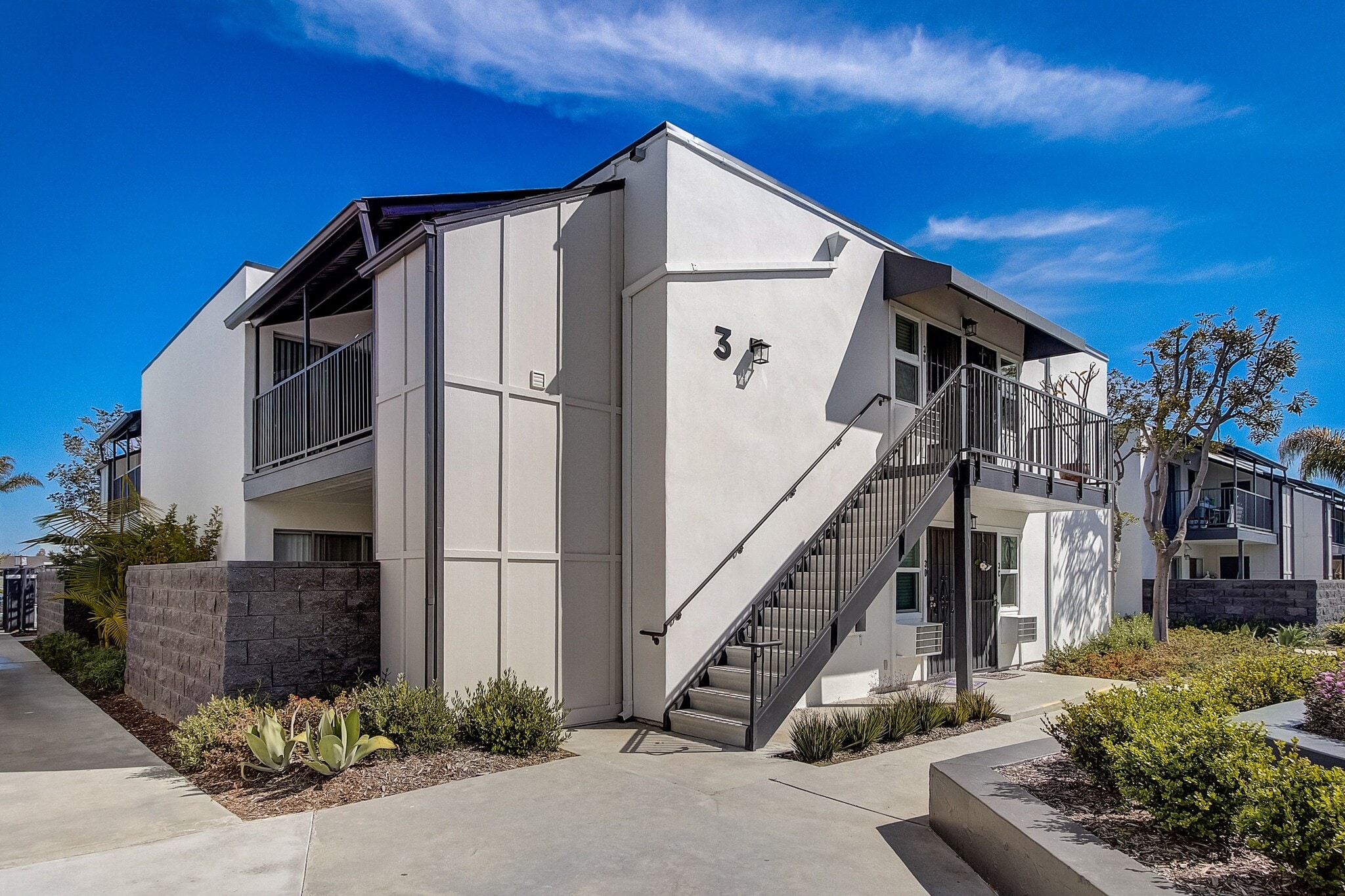
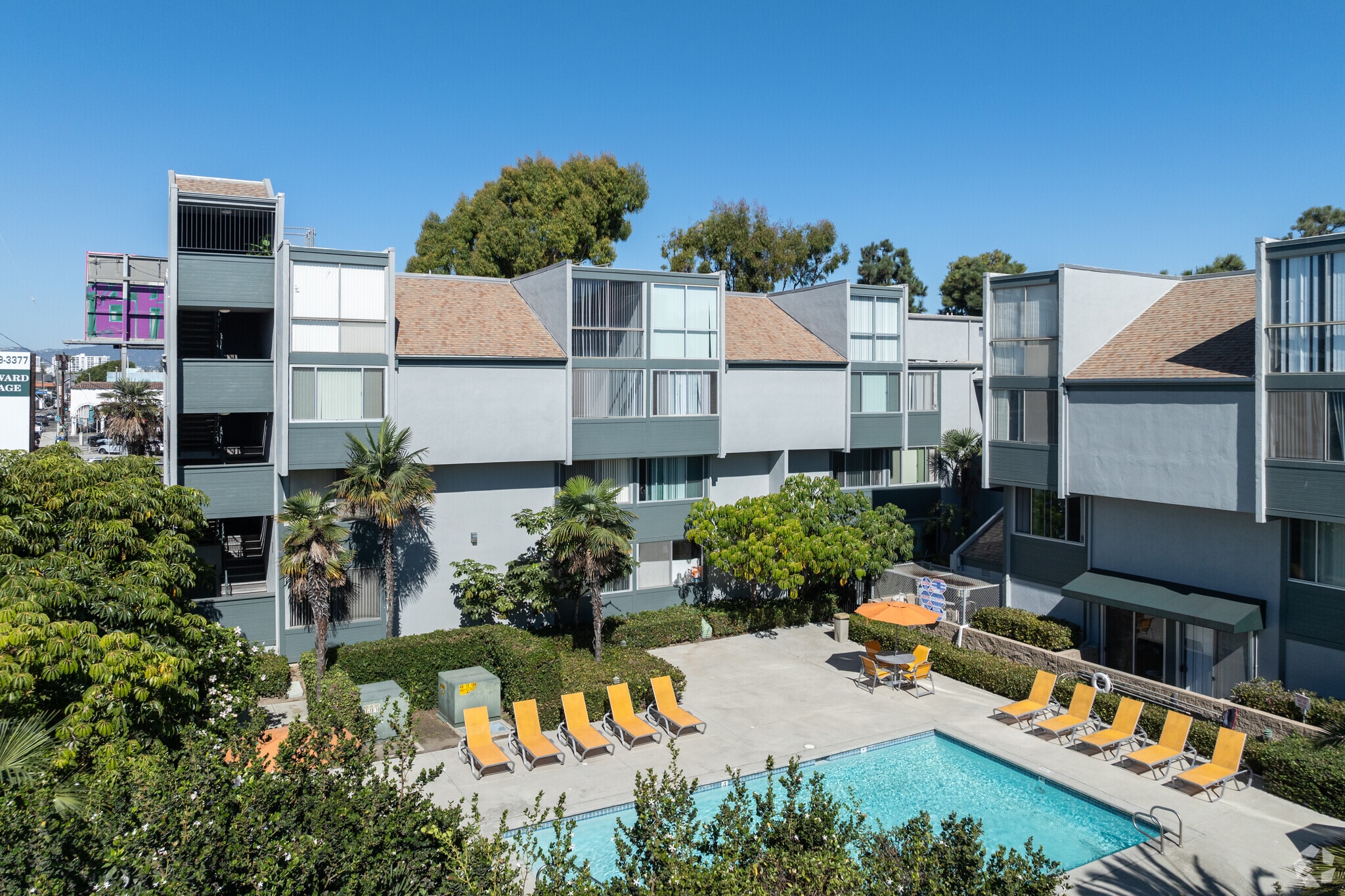
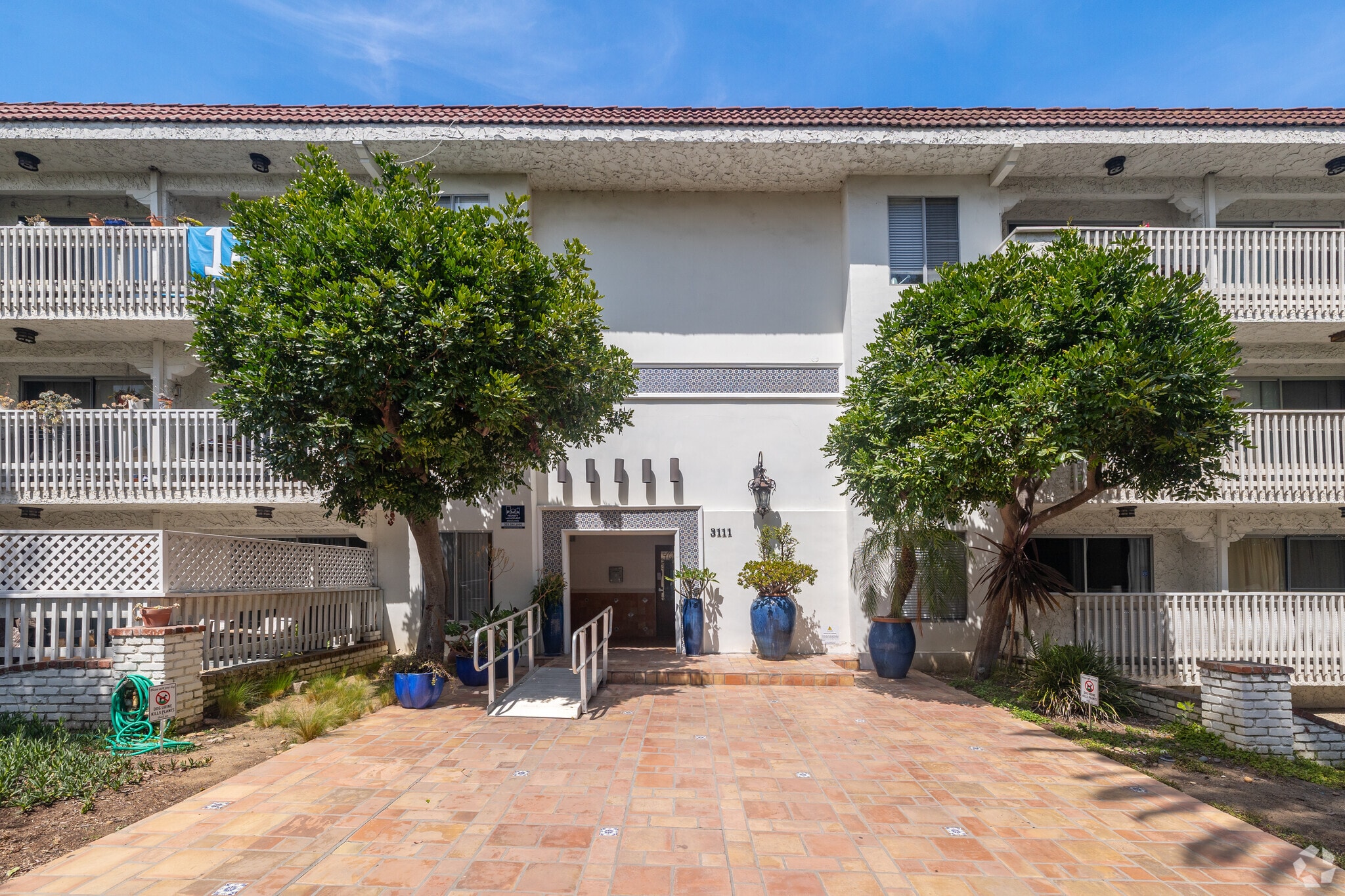
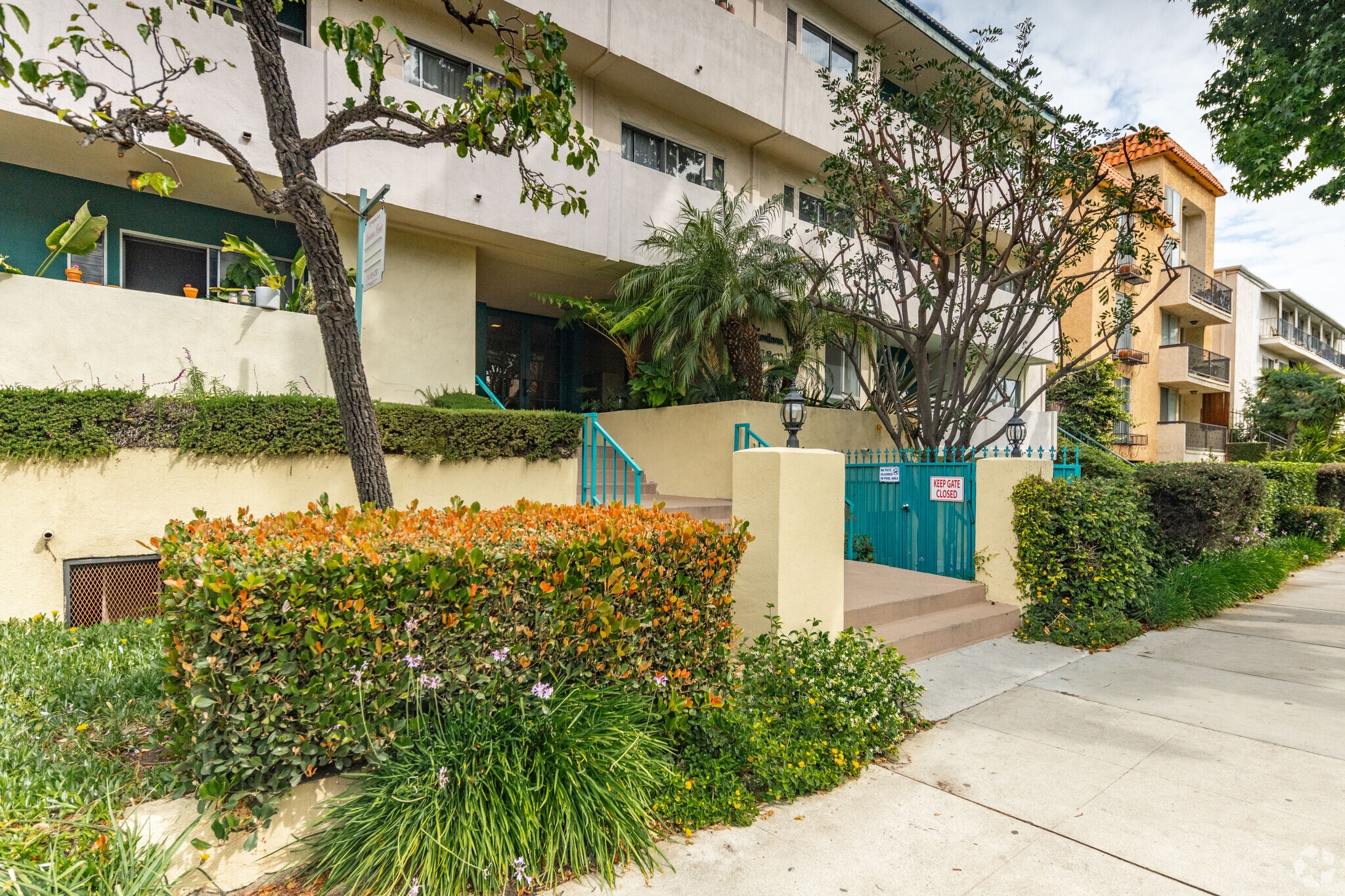
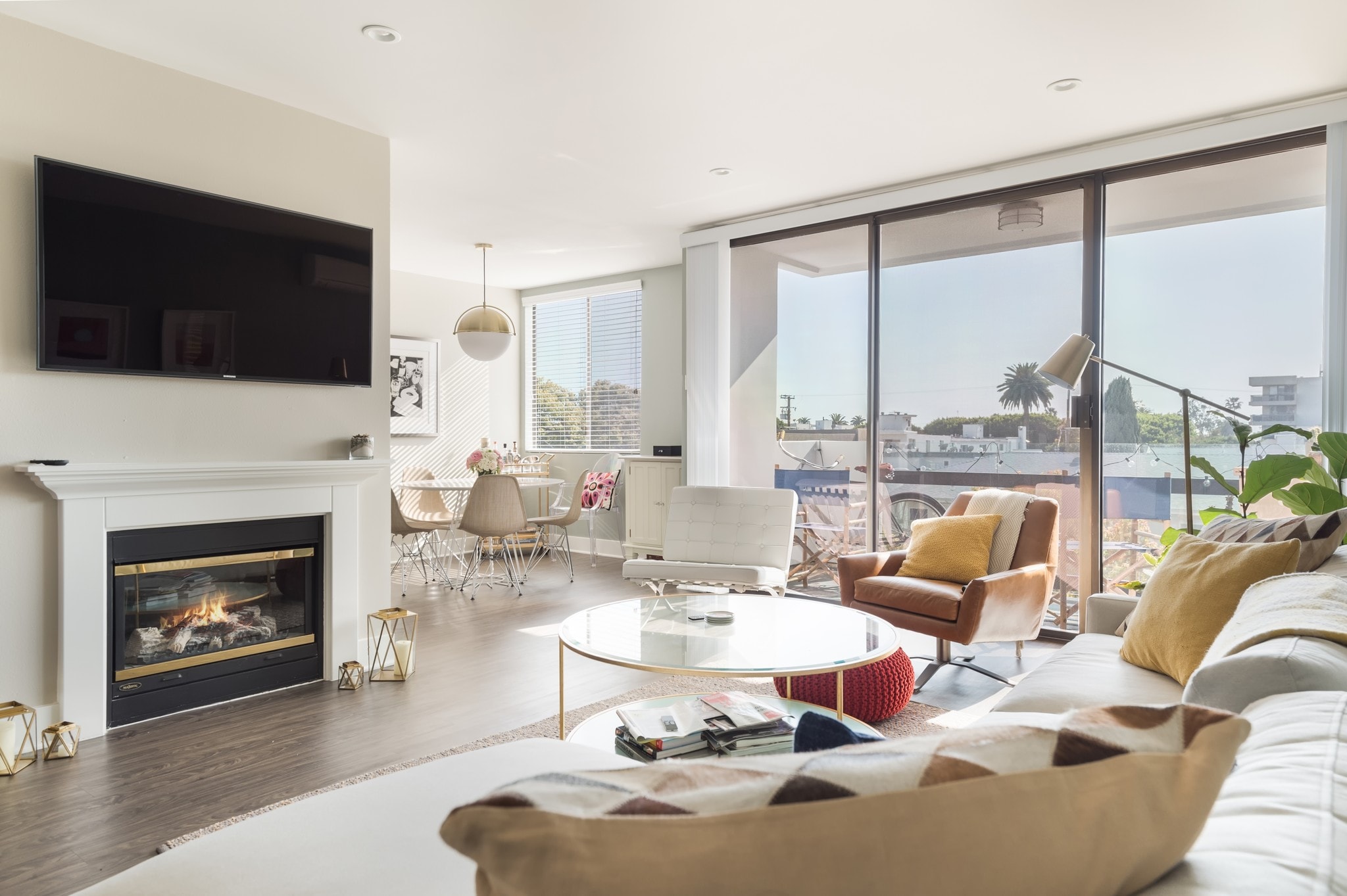
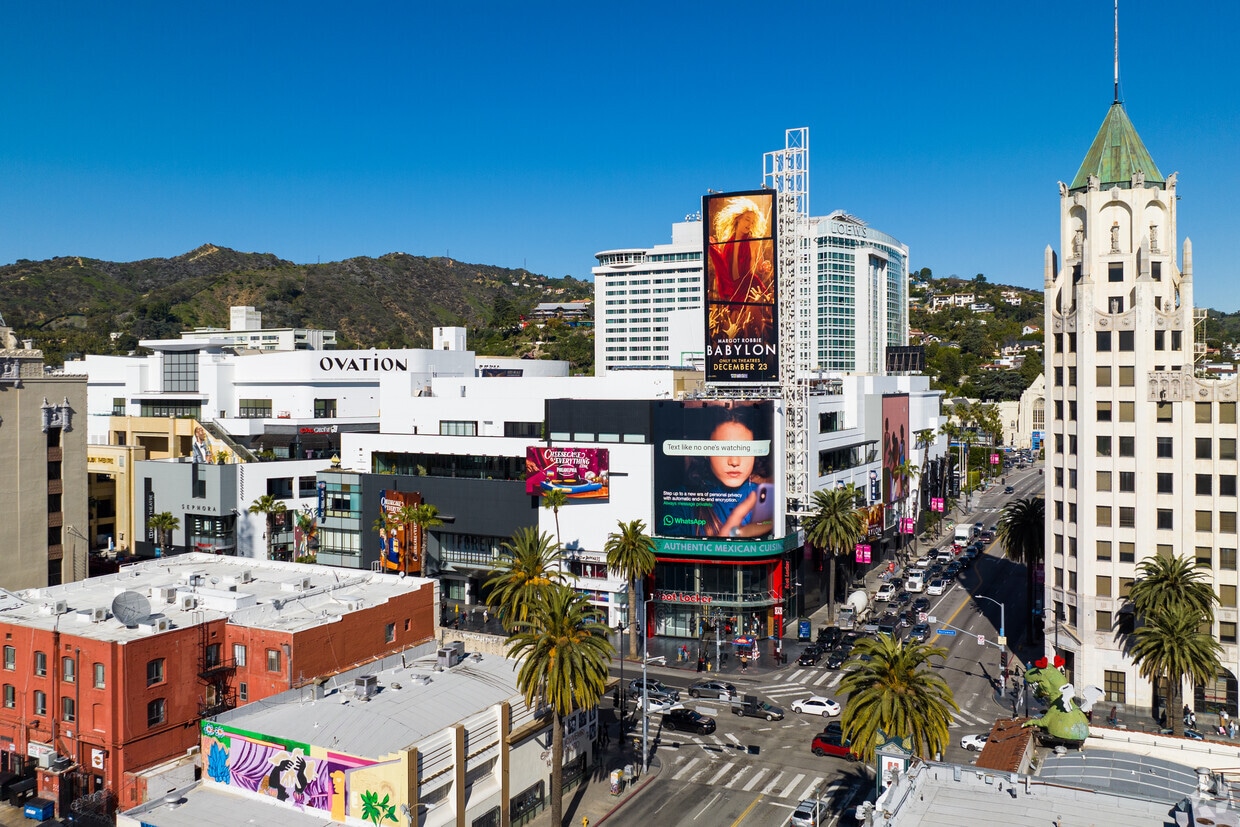
Los Angeles sprawls across nearly 500 square miles between the Pacific Ocean and the San Gabriel Mountains, making it one of the few places where you can surf in the morning and hike through chaparral-covered hills by afternoon. Sunshine, open-air farmers markets, and a food scene that pulls from dozens of culinary traditions are a staple of living in the city. Neighborhoods each have a distinct personality surrounding a particular focus, whether it be culture or nature. Westwood keeps residents close to entertainment at UCLA and the Hammer Museum's rotating art exhibitions. Koreatown is a cultural and food destination, known for authentic restaurants and shops paired with a bustling street energy and nightlife. The city overflows with iconic landmarks, from natural to man-made. Griffith Park, one of the largest urban parks in the country, offers hiking trails, sweeping skyline views, and the iconic Griffith Observatory. The Hollywood Walk of Fame, Venice Beach boardwalk, and the Los Angeles County Museum of Art are just a few of the landmarks that shape the city's landscape. The rental landscape in Los Angeles is as wide-ranging as the city itself. Spanish-style stucco buildings with terracotta rooftops sit alongside sleek high-rise apartment communities in Downtown, while converted bungalow courts and mid-century walk-ups fill out neighborhoods closer to the coast. Regardless of what style you are looking corner of the city has options. Lofts overlook bustling corridors in Hollywood, garden-style apartment communities sit next to the beaches of Mar Vista, and modern high-rises provide skyline views in Century City. The Metro's B and E Lines connect major hubs, and communities near Expo stations put residents within cycling distance of Santa Monica and Venice Beach. Founded on September 4, 1781, by Spanish governor Felipe de Neve on the site of a Tongva village called Yaanga, Los Angeles carries centuries of layered history beneath its sun-drenched surface. With nearly four million residents and a culture that constantly shifts and reinvents itself, Los Angeles isn't just a place to live, but a city that shapes how you see yourself and the world around you.
Gardena
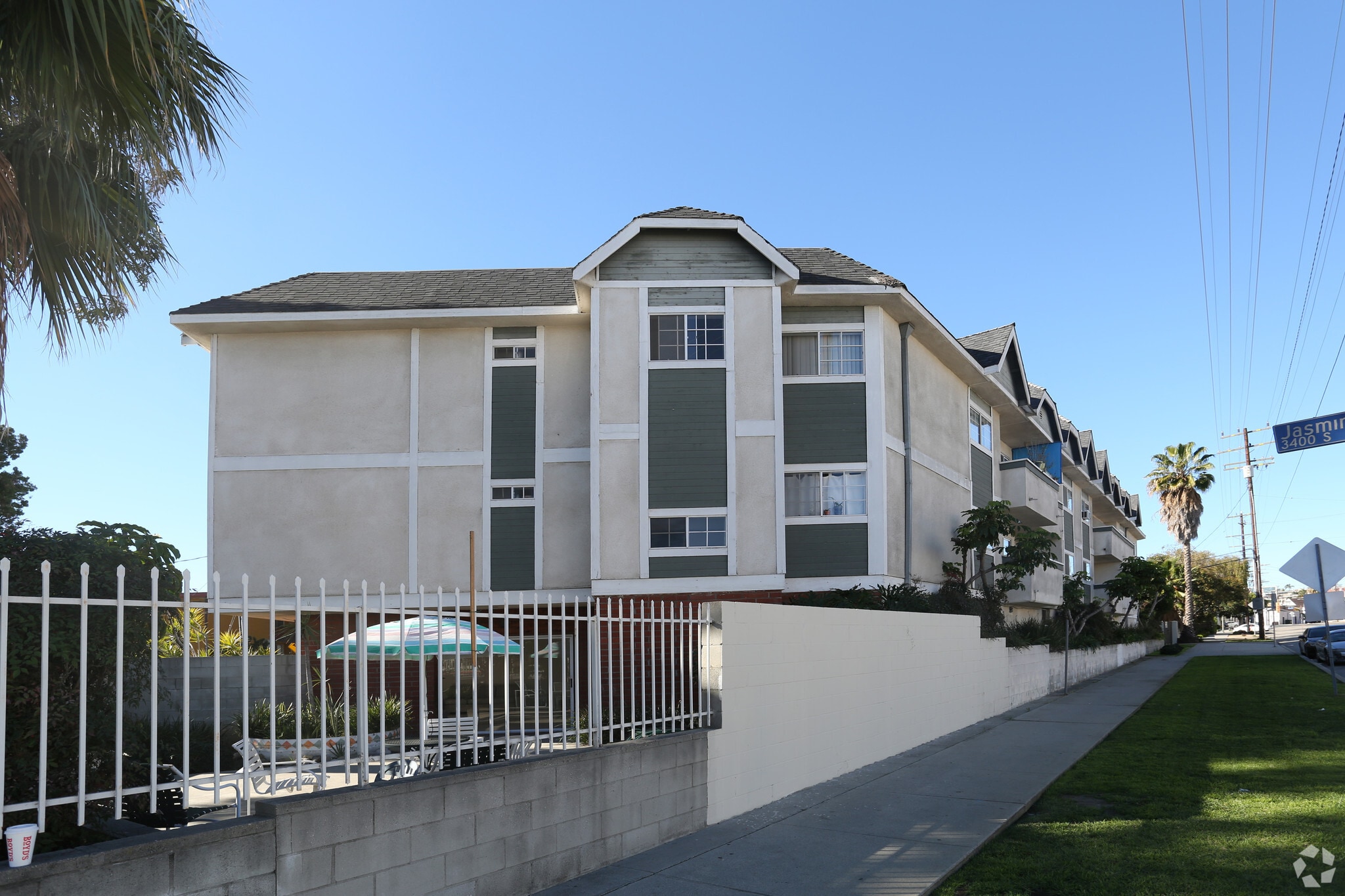
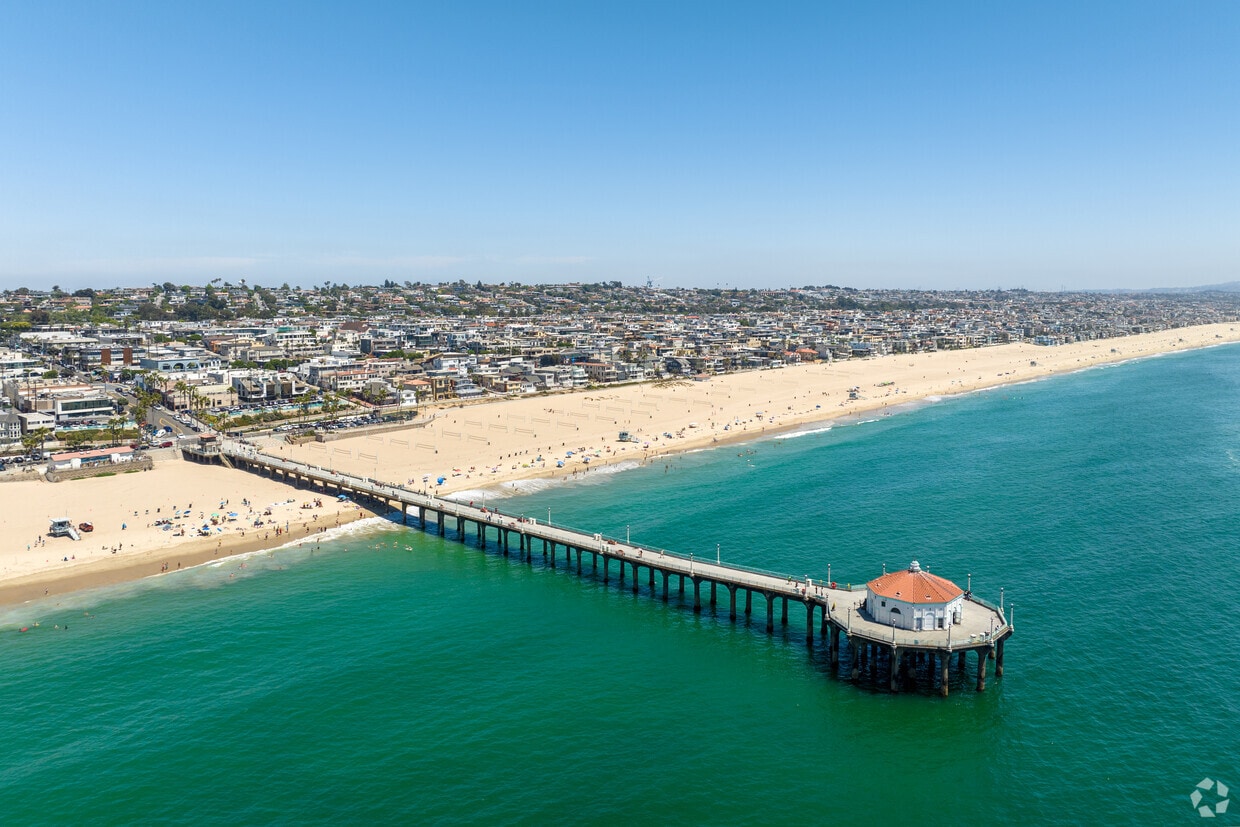
Gardena sits quietly in LA County’s South Bay, close enough to catch Pacific breezes from Redondo Beach about 20 minutes away. The city’s strong Japanese American heritage shapes local culture, from tranquil garden spaces to beloved eateries along Vermont Avenue. Residential pockets like Holly Park and Gardena Valley offer a calm neighborhood feel, while the 110 and 405 freeways keep Downtown LA and Long Beach within easy reach. Renters find a balanced mix of apartment communities, garden-style complexes, and single-family rentals across well-kept streets. El Camino College brings an academic presence and convenient classes, and the annual Gardena Jazz Festival draws music fans from around the region. For weekend downtime, Arthur Johnson Park and other city parks provide sports courts, playgrounds, and grassy fields—no long drive required.