Salem
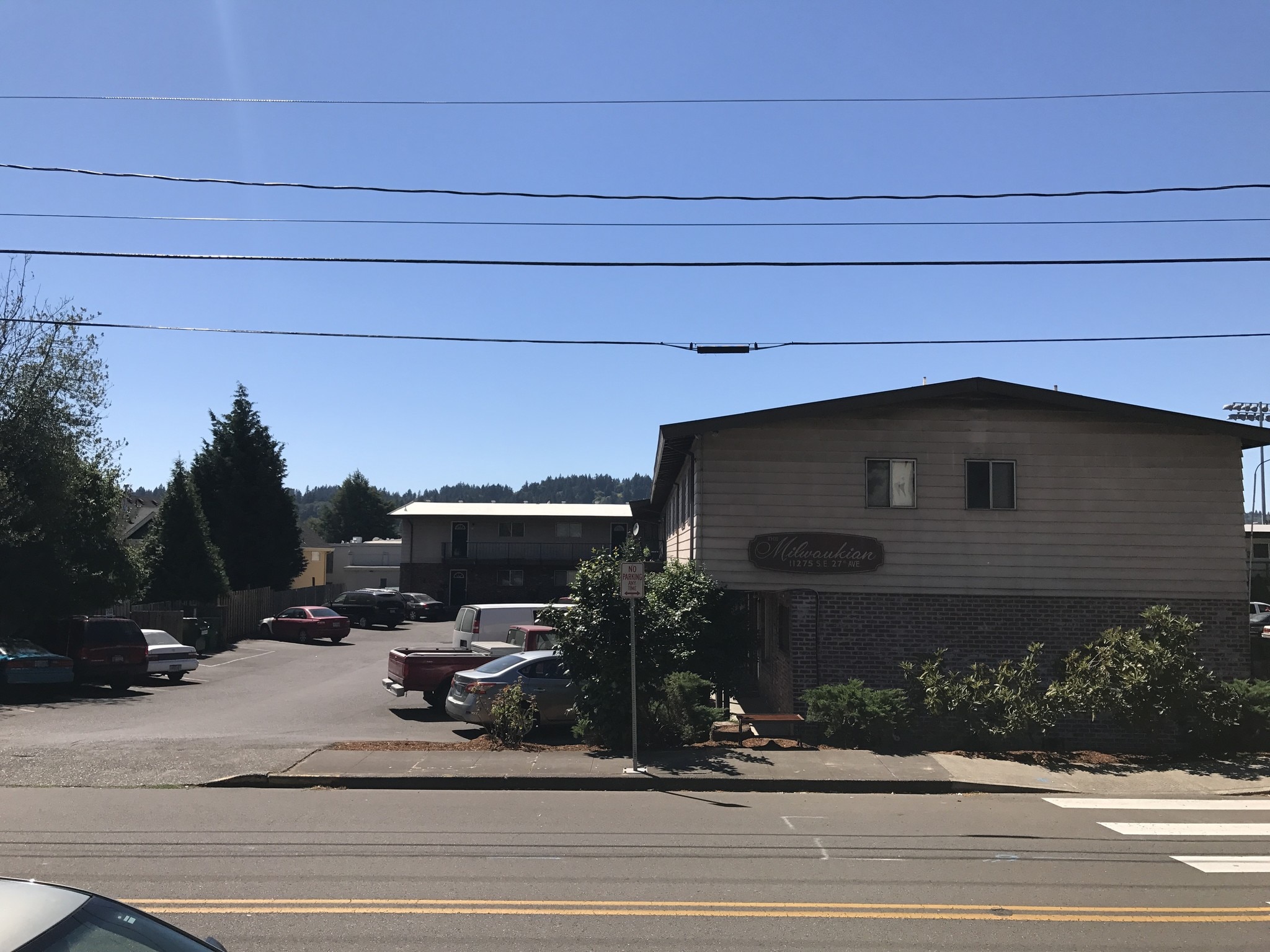
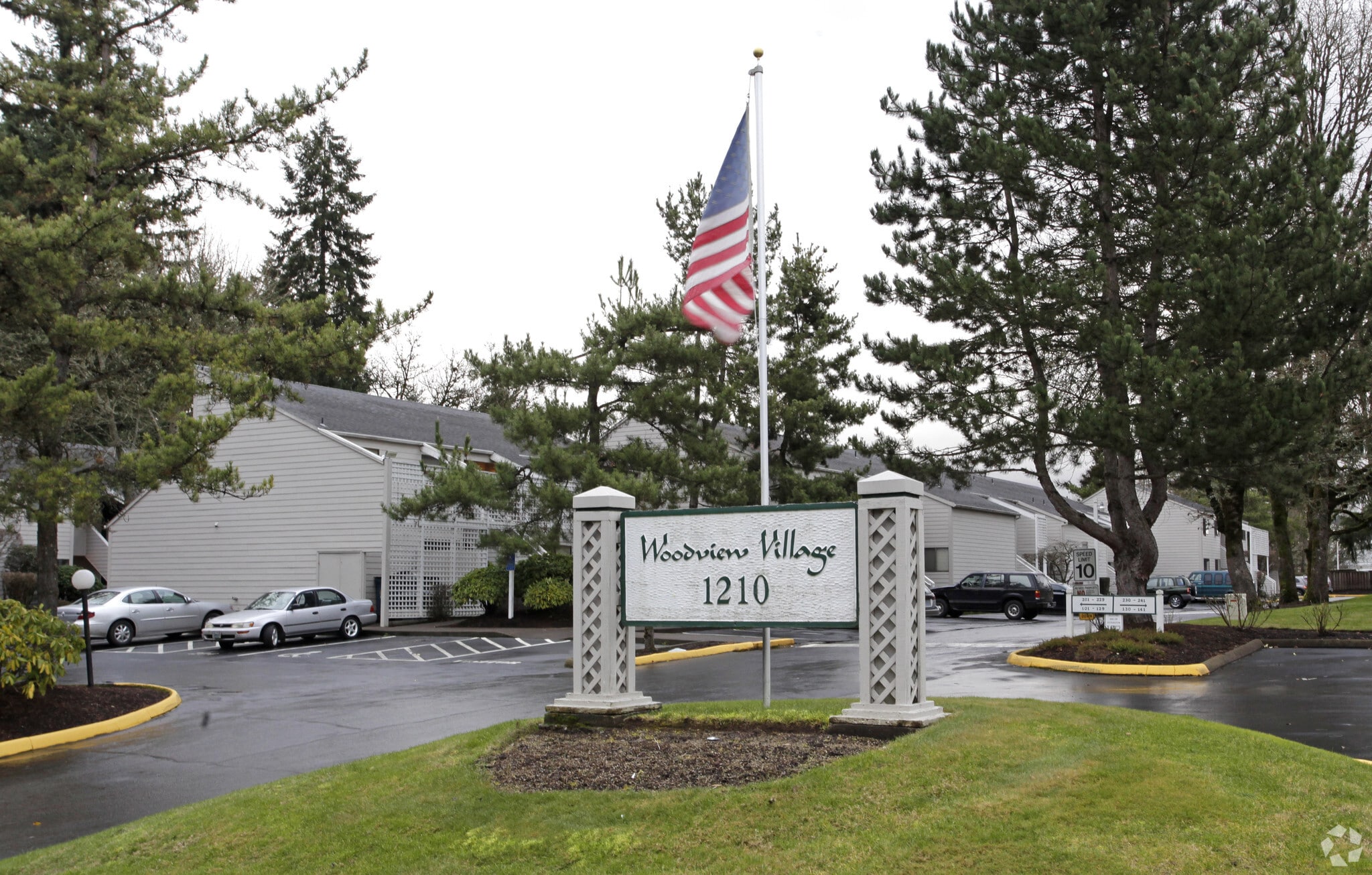
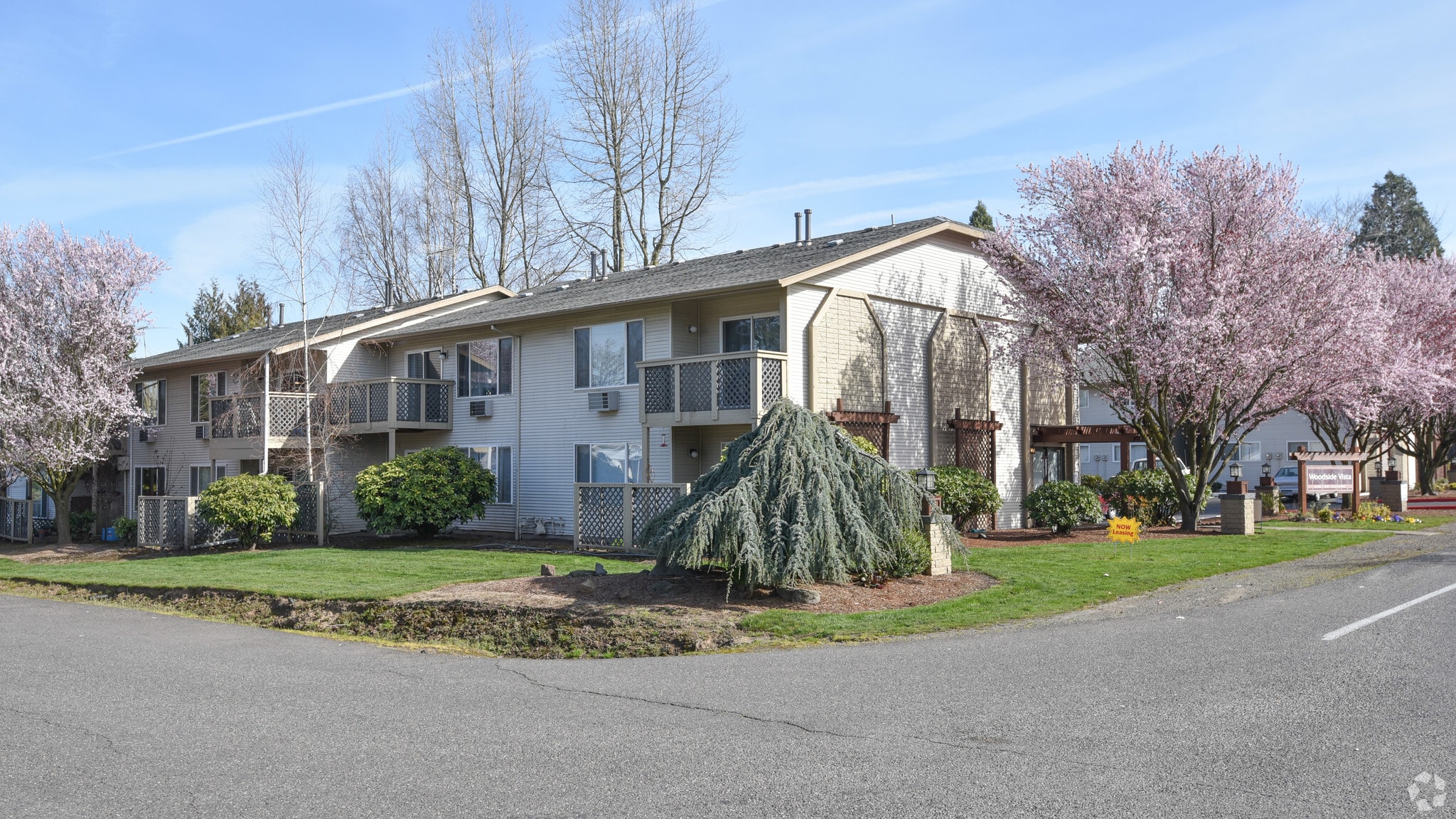
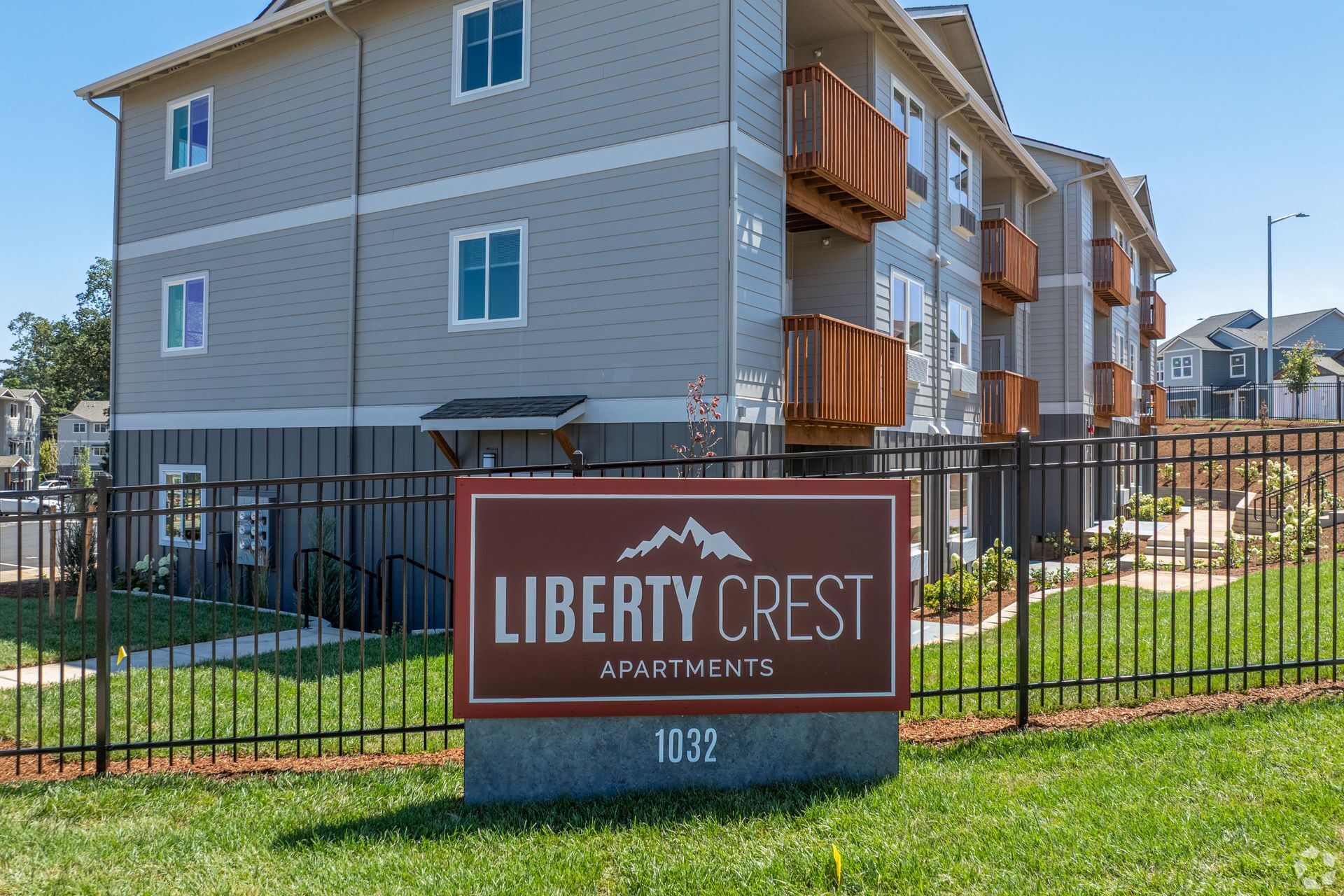
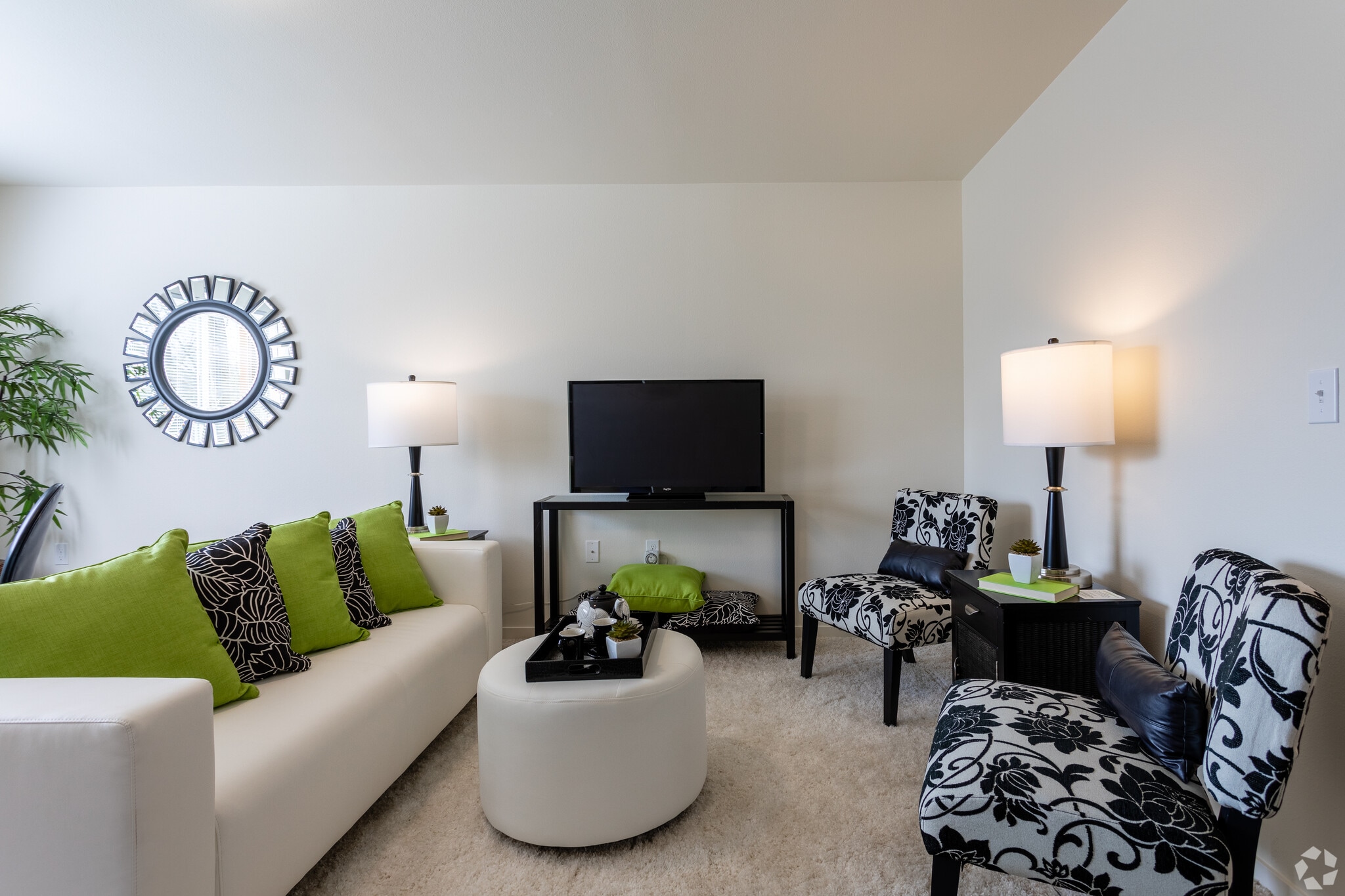
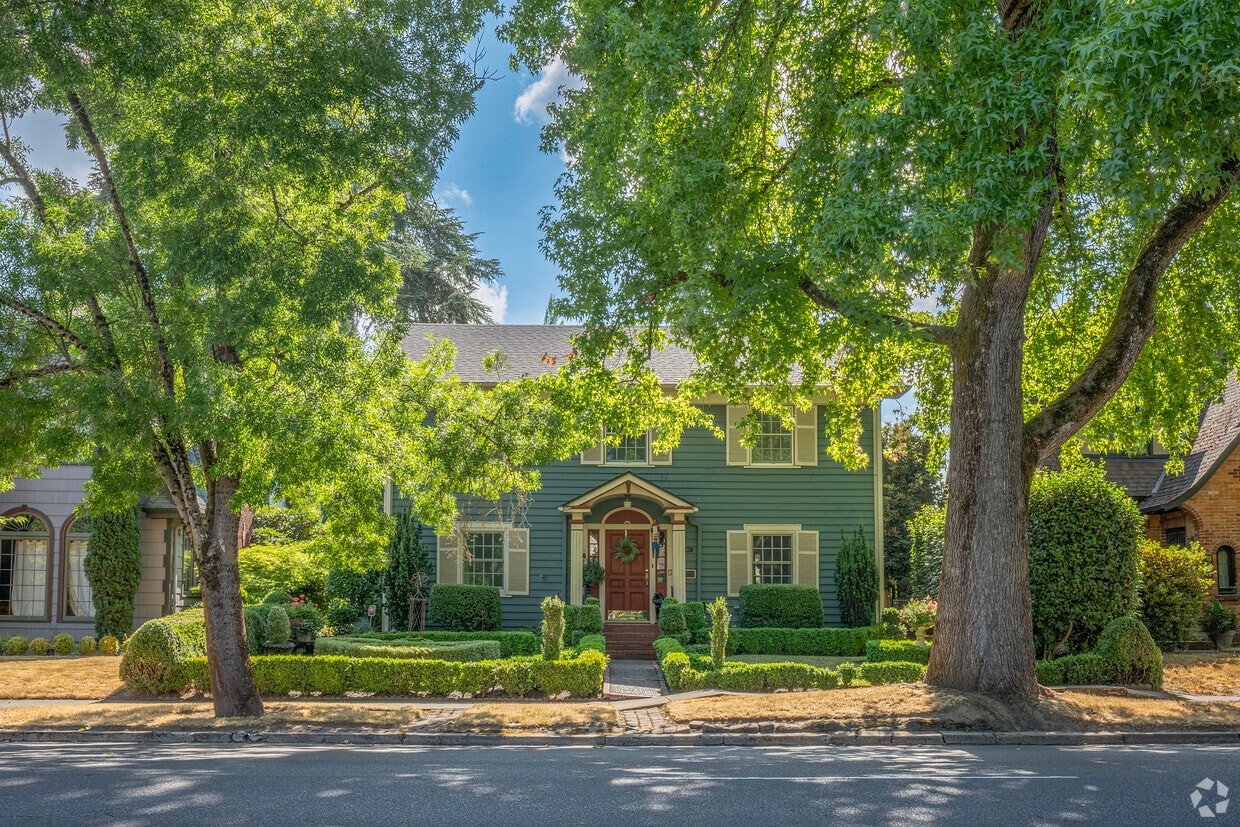
Salem has carried the weight of Oregon's political history since it became the state capital in 1851, and that legacy still shapes the city's identity today. Sitting in the heart of the Willamette Valley along the Willamette River, Salem is a mid-size capital city of roughly 180,000 people where government, healthcare, and higher education drive daily economic life. The State of Oregon is the largest public employer here, Salem Health anchors the healthcare sector, and Willamette University brings an academic presence close to downtown. Chemeketa Community College serves the broader region from the northeast side of the city. Neighborhoods here cover real ground in terms of feel and layout. Downtown Salem sits near the Oregon State Capitol and draws renters who want walkable access to the Elsinore Theatre, the Reed Opera House, and Salem Riverfront Park. West Salem, across the Willamette River, offers a quieter hillside setting, while South Salem and Northeast Salem bring more residential character with easy freeway access. The housing mix ranges from downtown apartment communities and lofts to townhomes and garden-style rentals spread across quieter corridors. The overall rental market stays notably more affordable than most of Oregon's larger metros, making Salem an appealing option for those seeking real city amenities at a grounded price point.
Portland
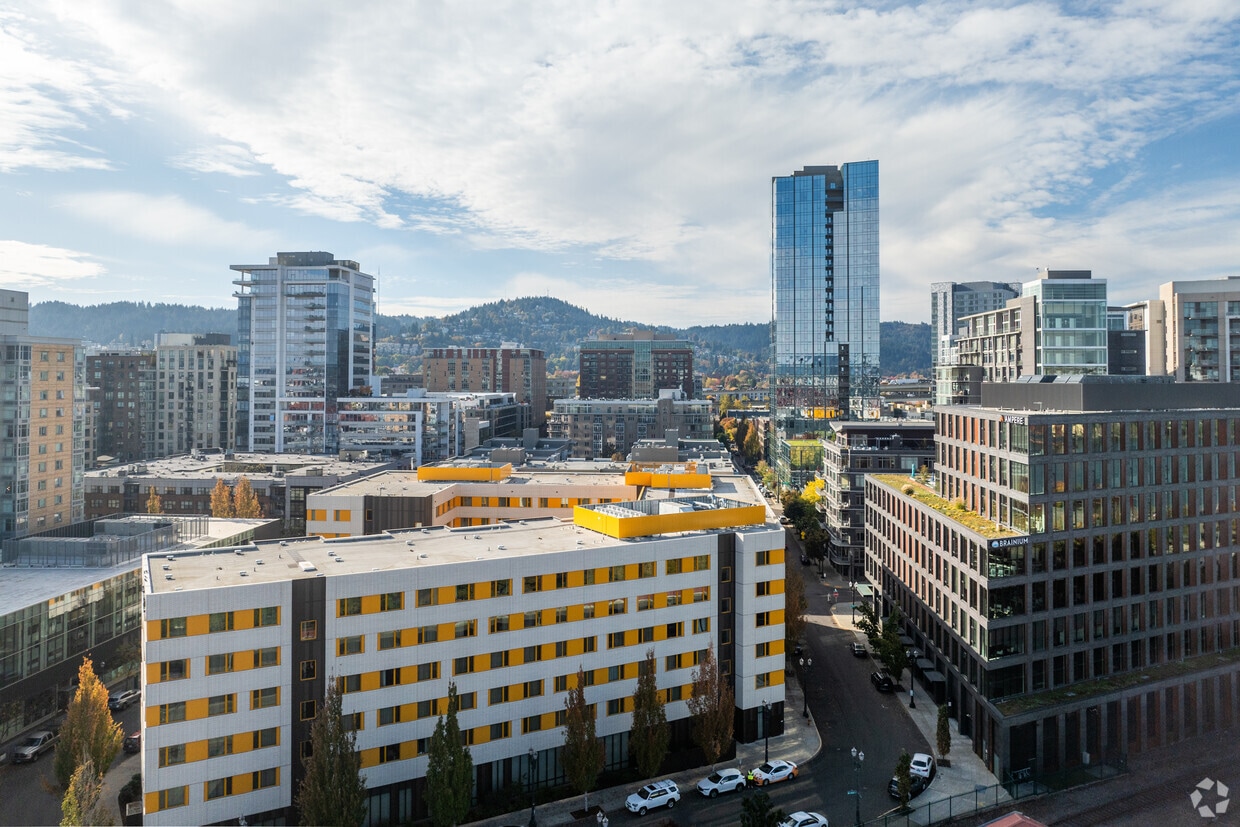
Portland sits where the Willamette and Columbia rivers meet, tucked between mountain ranges with more than 10,000 acres of protected parkland woven into the city's fabric. Washington Park alone offers 15 miles of hiking paths, the Oregon Zoo, and the Portland Japanese Garden. The city's MAX light rail, Portland Streetcar, and extensive bike lane network make getting around effortless, and Powell's City of Books on Burnside has anchored the local literary scene for decades. Renters here have no shortage of options, from sleek high-rise apartments in South Waterfront to Craftsman-style townhomes in Irvington and industrial lofts throughout Central Eastside. Neighborhoods like the Pearl District, Hawthorne, and Sellwood-Moreland each carry their own personality — from converted warehouse lofts and gallery rows to vintage shops and riverfront trails. Portland State University keeps the city energized, bringing a creative pulse to the downtown area. The city earned its nickname "the Rose City" through the International Rose Test Garden, which has been blooming in Washington Park since 1917 and remains one of the oldest operating public rose test gardens in the country.
Beaverton
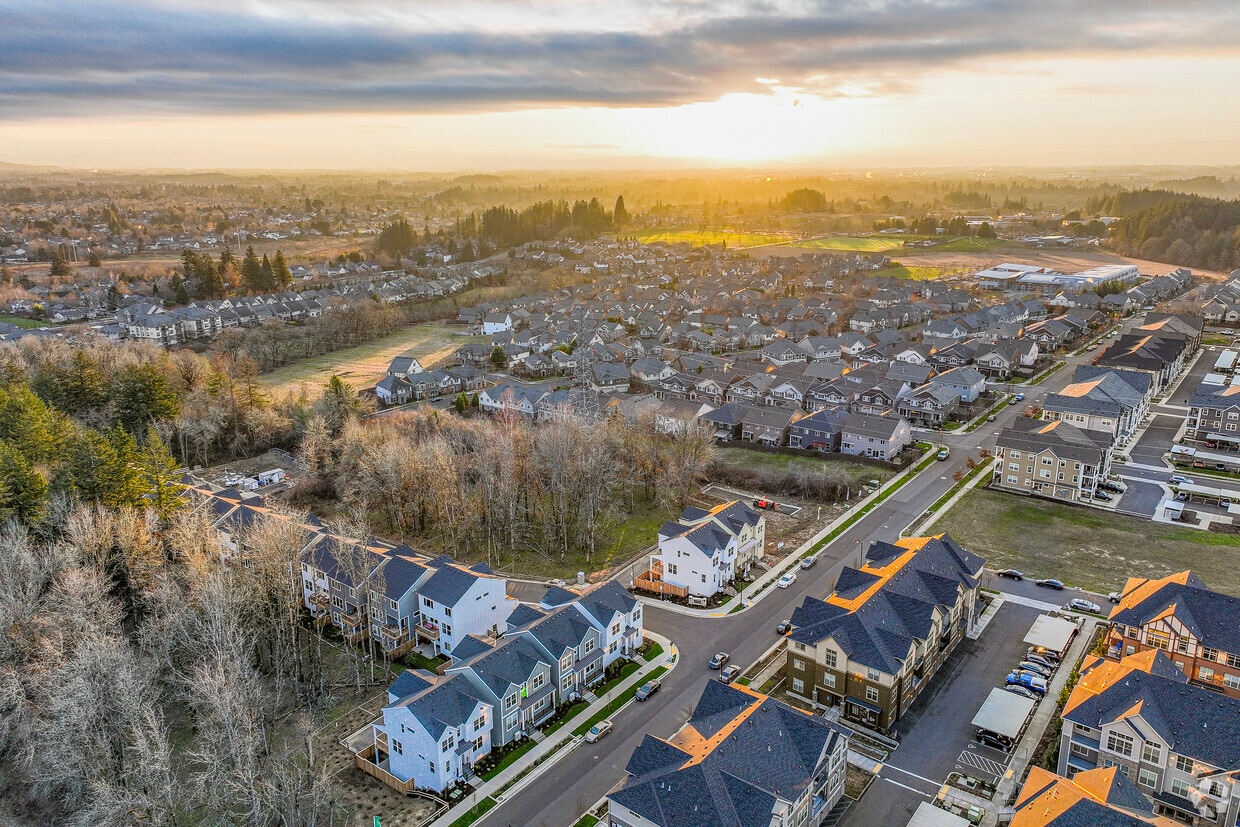
Nestled in the Tualatin Valley, Beaverton combines suburban comfort with easy access to Portland. This community of nearly 100,000 residents features abundant green spaces, including Tualatin Hills Nature Park and Cooper Mountain Nature Park. The downtown district showcases the Patricia Reser Center for the Arts, BG's Food Cartel food cart pod, and the Beaverton Farmers Market. Housing options include apartments near MAX light rail stations and in established neighborhoods throughout the city. Current rental trends show average prices of $1,468 for studios, $1,545 for one-bedrooms, and $1,770 for two-bedroom apartments, reflecting a slight decrease in rates over the past year. Beaverton's name originates from early settlers who discovered numerous beaver dams in the area. Today, the city hosts major employers including Nike's world headquarters and Tektronix. Residents have access to shopping at Cedar Hills Crossing, multiple parks and recreation facilities, and comprehensive transit options through TriMet's bus and light rail services. The city maintains connections with six sister cities worldwide and features a diverse population. With its mix of outdoor spaces, employment opportunities, and transportation options, Beaverton offers convenient access to both urban amenities and natural surroundings.