Jacksonville
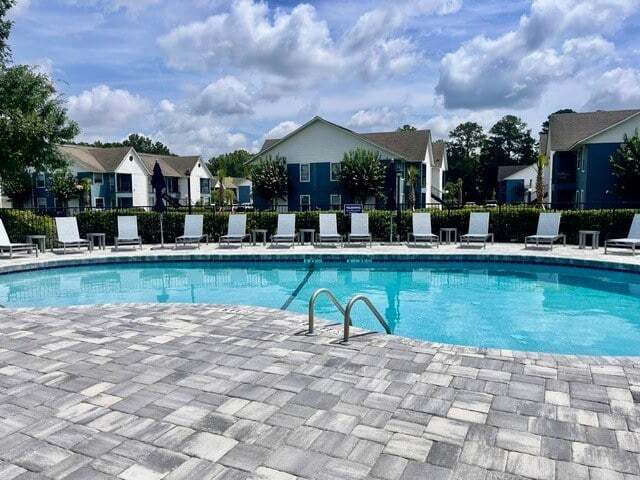
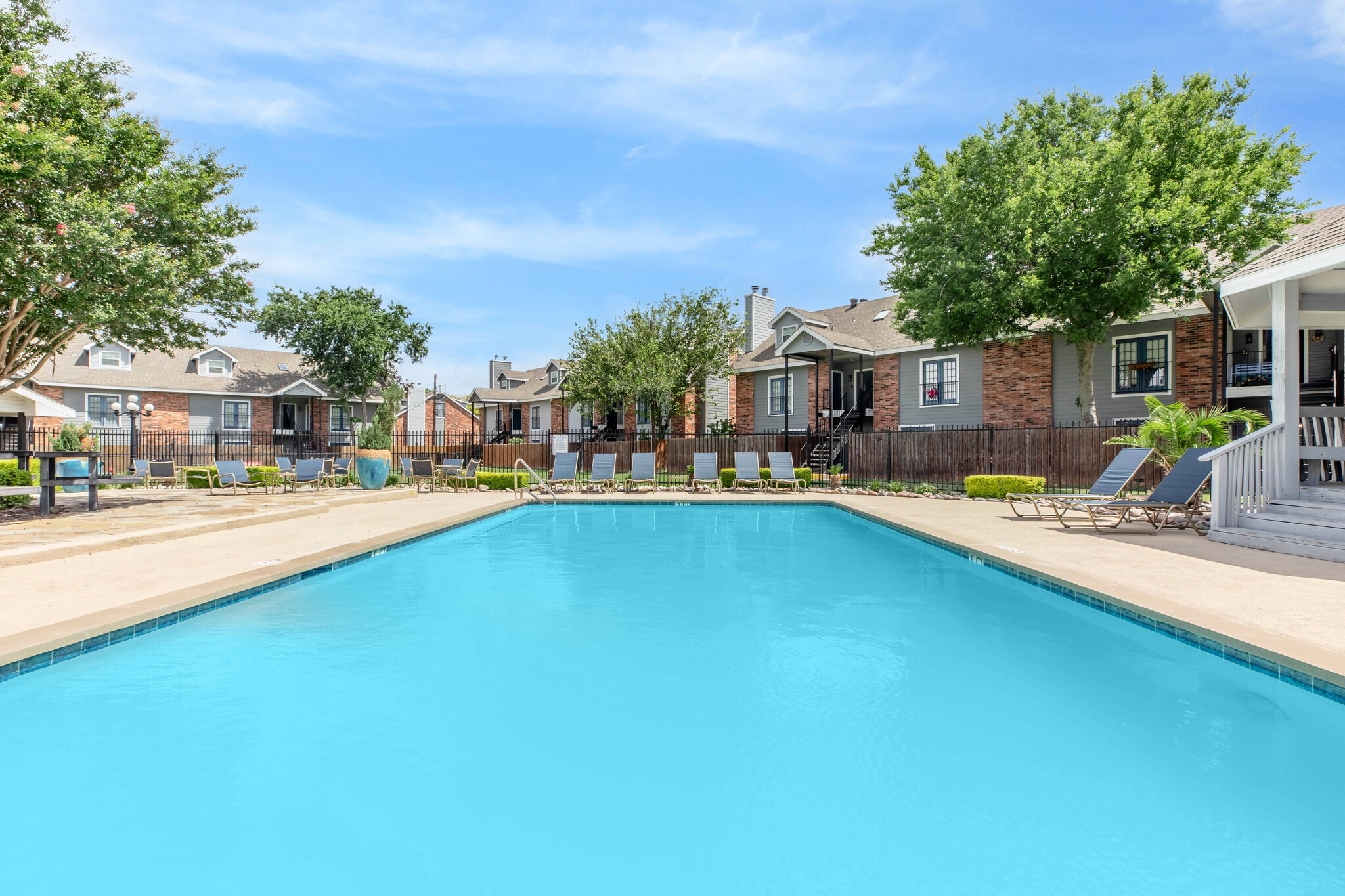
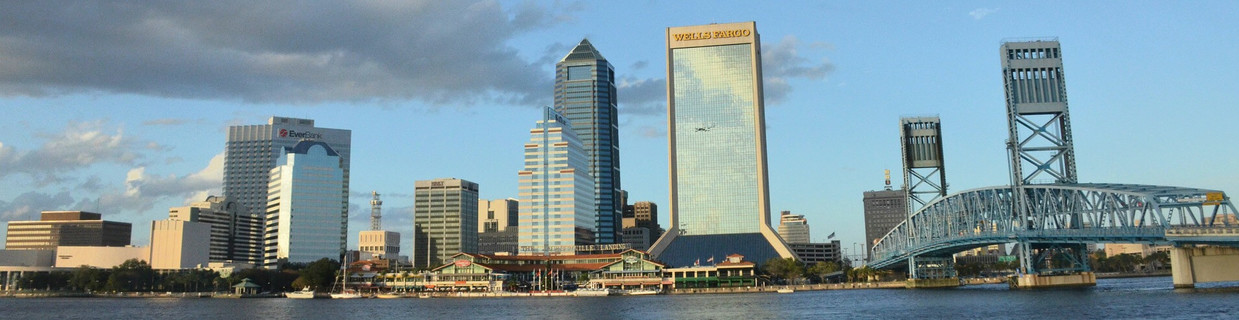
Jacksonville covers more than 800 square miles, making it the largest city by land area in the contiguous United States — a distinction that shapes everything about daily life here. That sheer scale means neighborhoods feel distinct from one another: Riverside and Avondale offer historic architecture and an arts-forward atmosphere close to the St. Johns River, San Marco delivers a walkable, boutique-lined character near Downtown, and Southside sits near the University of North Florida and major commercial corridors. The economy runs deep, anchored by major employers like CSX Corporation, Fidelity Information Services, and Naval Air Station Jacksonville, giving the city a broad and stable employment base. Florida State College at Jacksonville adds an academic presence woven throughout the urban core. The rental landscape reflects this diversity, ranging from high-rise apartment communities along the Riverwalk to garden-style options in quieter residential pockets and coastal rentals near Atlantic Beach. Jacksonville consolidated its city and county governments back in 1968, a move that still defines how the city is structured and governed today. With over a million residents and Atlantic coastline on the eastern edge, Jacksonville carries the energy of a large metro with a genuinely open, unhurried quality of life.
New Haven
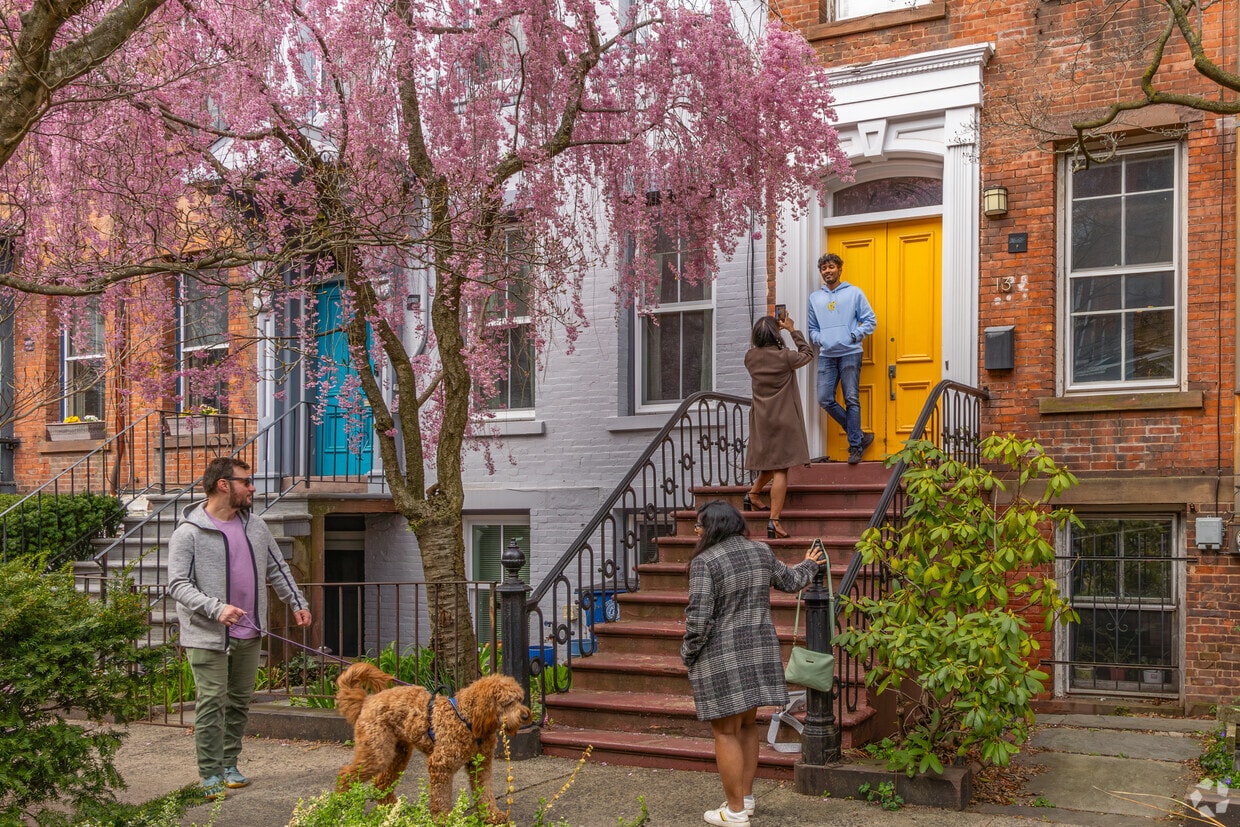
Living in New Haven combines centuries of history with contemporary city life. As home to Yale University, the city offers exceptional dining, arts, and educational opportunities. The downtown area features more than 120 restaurants near the historic New Haven Green, including the city's internationally recognized pizza establishments. Current rental trends show average rents ranging from $1,818 for studios to $2,830 for four-bedroom units, with moderate year-over-year increases across most unit types. New Haven's neighborhoods each have their own character, from the tree-lined streets of East Rock and Westville to the energetic downtown district with its mix of apartments and condominiums. The city's parks, including East Rock and West Rock, offer hiking trails and panoramic views of Long Island Sound and the city below. Yale University enriches the community with museums like the Yale University Art Gallery and the Yale Peabody Museum of Natural History. The city's distinctive layout dates to 1638, when it was designed in a nine-square grid with the New Haven Green at its center. New Haven earned its "Elm City" nickname through establishing America's first public tree planting program, a legacy reflected in its continued emphasis on green spaces and environmental stewardship.
Bloomfield
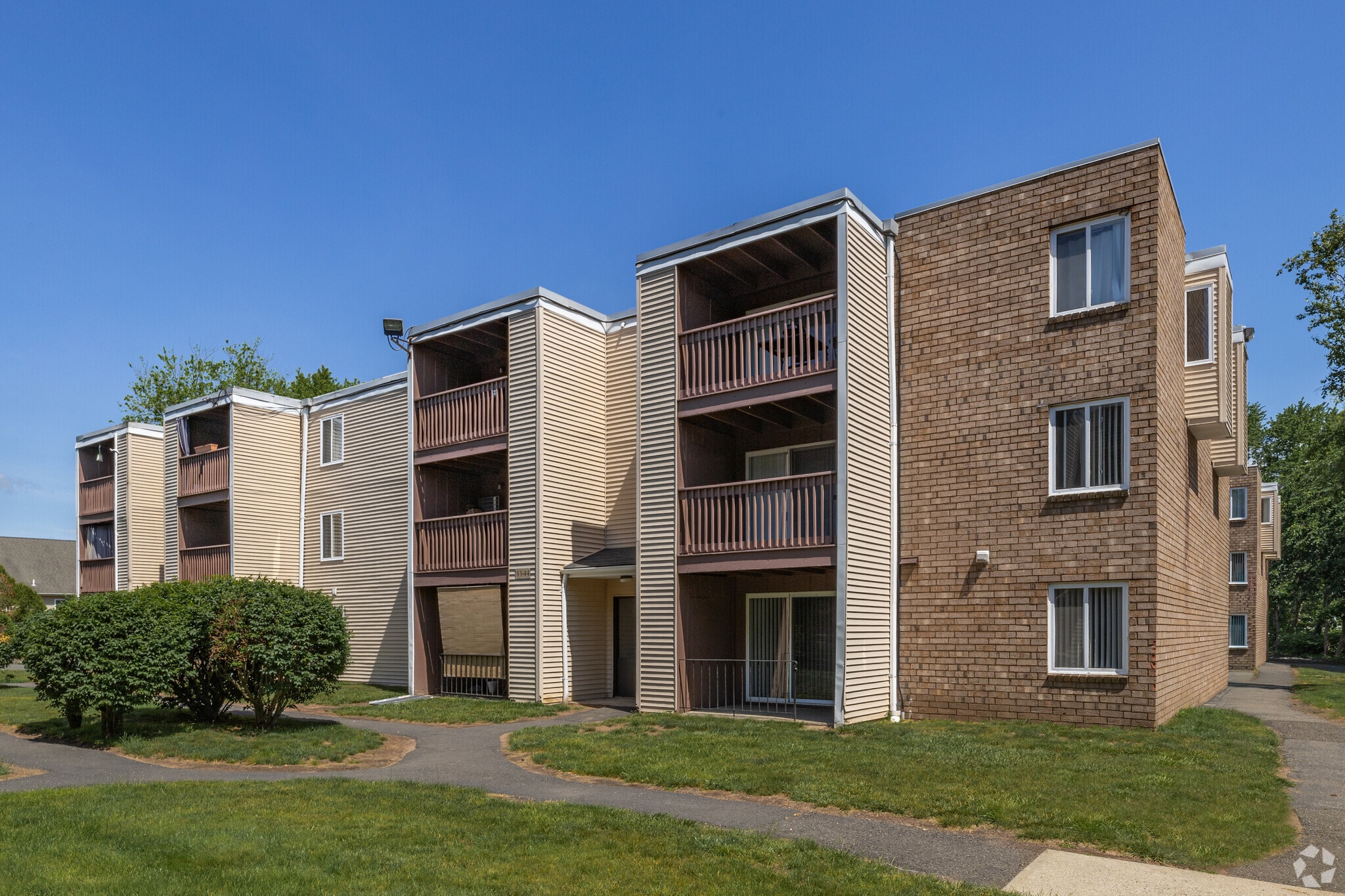
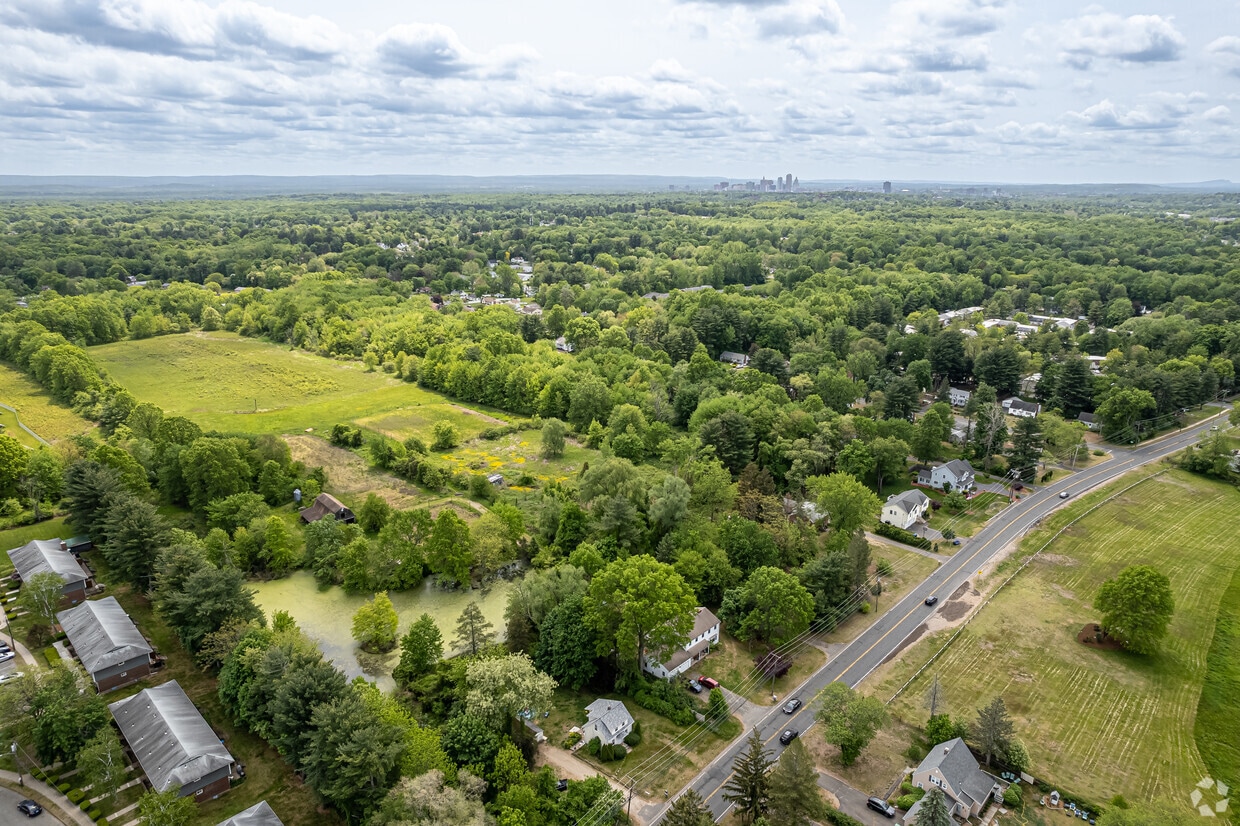
Bloomfield sits on Hartford's north side, where wooded state parks meet easy highway access and genuine community. Penwood and Talcott Mountain State Parks anchor the town's western edge, offering hiking trails and scenic overlooks minutes from home. Three golf courses dot the town, and the University of Hartford lies just south, making Bloomfield convenient for students and staff. Downtown Hartford is a short drive down I-91, putting shows, museums, and capital commutes within easy reach. The rental market offers solid options, from spacious townhomes to well-appointed apartment communities. The suburban layout means generous square footage compared to urban cores, with one-bedrooms averaging 791 square feet for $1,961 monthly and two-bedrooms at 1,210 square feet for $2,337. Originally settled in 1660 as part of Windsor, Bloomfield maintains quiet New England character throughout its tree-lined streets and historic center. The area hosts Cigna's global headquarters, one of the country's largest healthcare companies, providing a strong employment anchor to this well-positioned suburb.