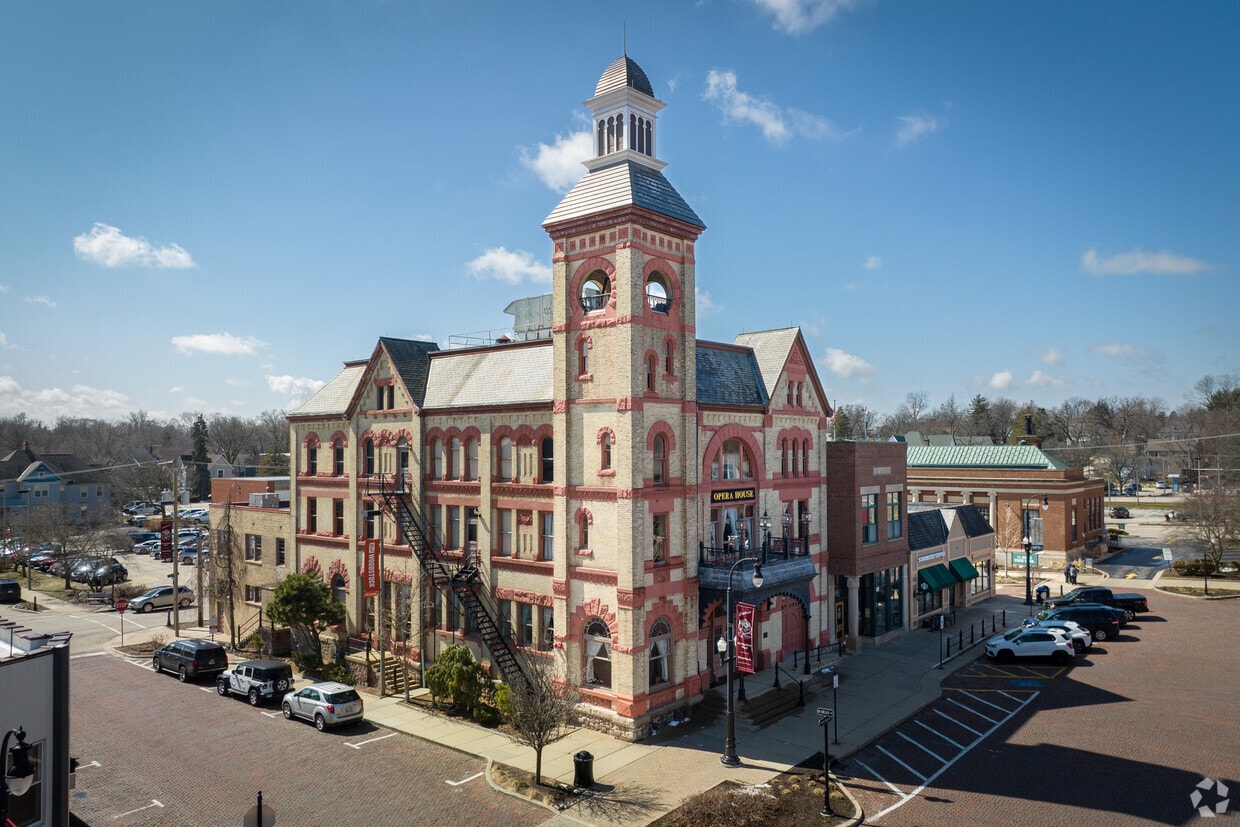
The Woodstock Opera House in Woodstock has served the community since 1889.
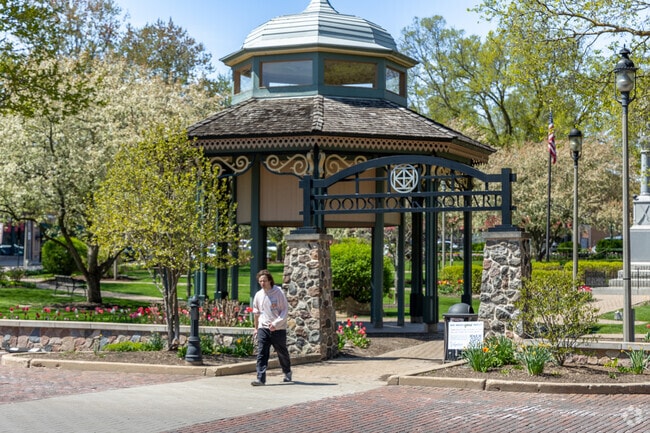
Woodstock square offers seating and walking paths.
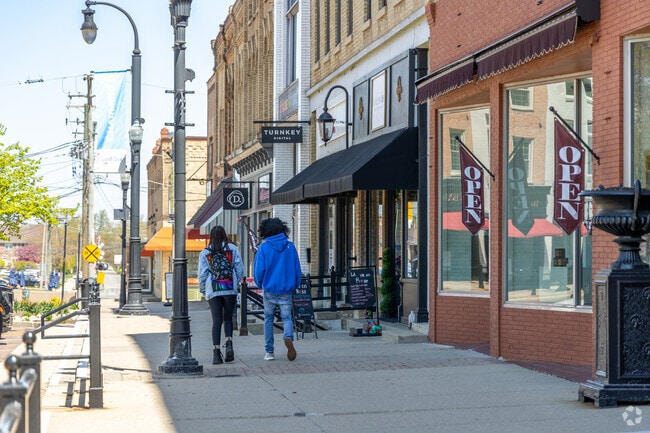
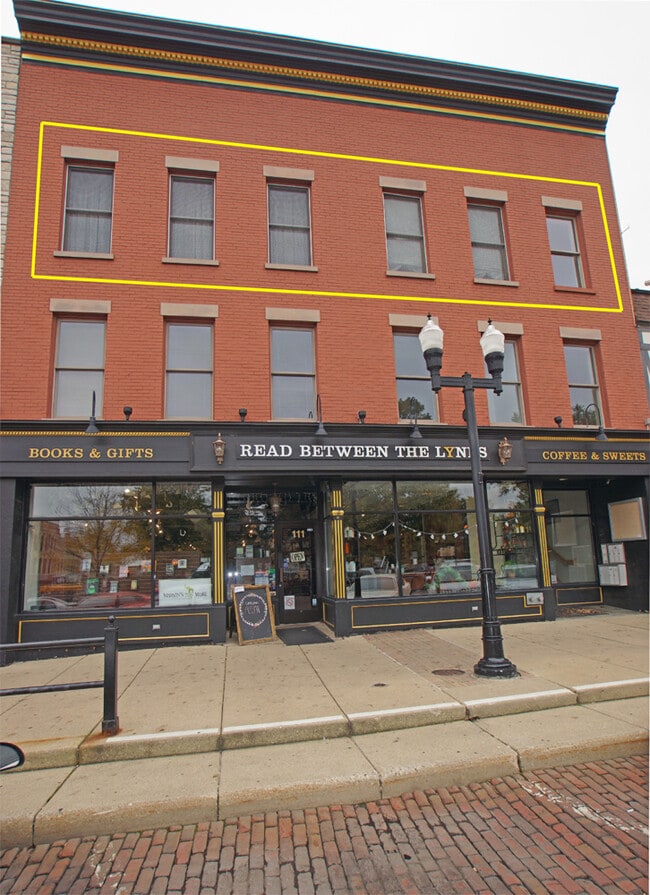
Charming downtown Woodstock offers unique storefronts and unique shops.
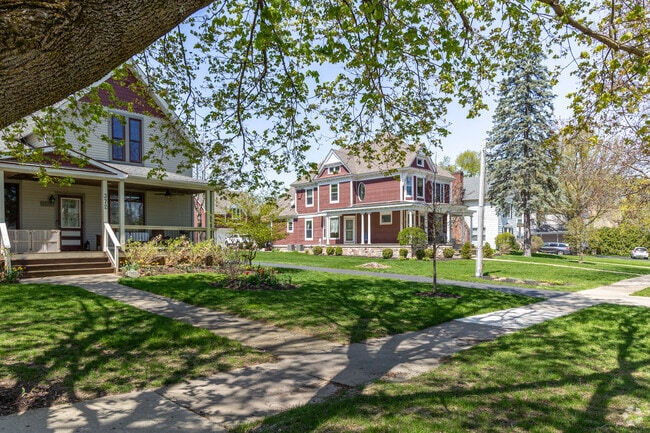
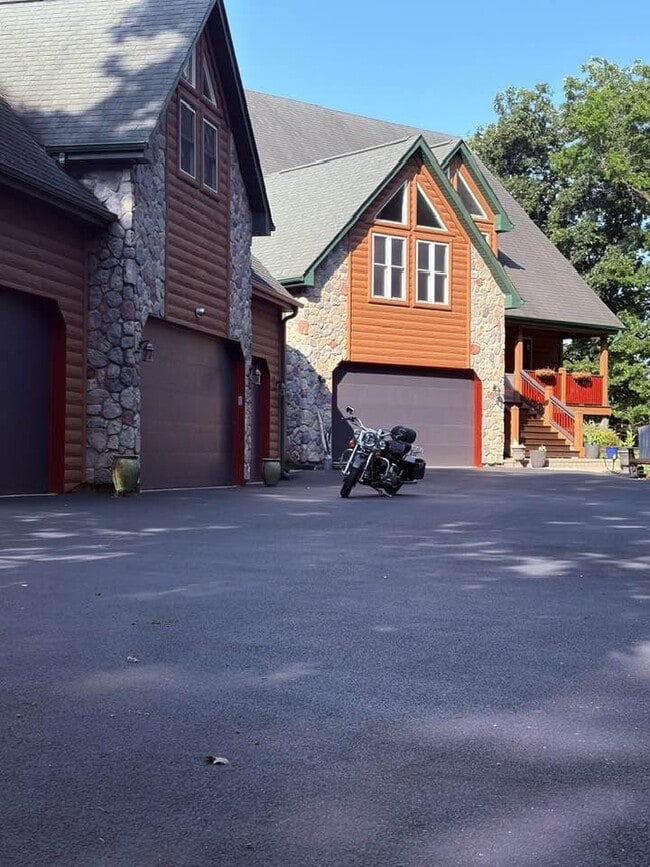
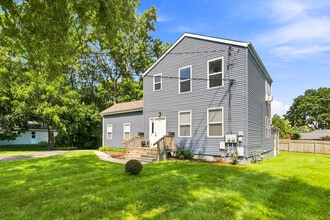
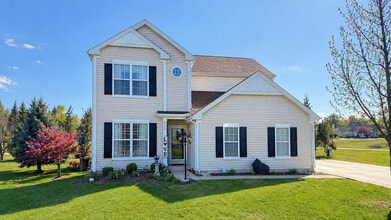
Rows of charming homes line the streets of Woodstock.
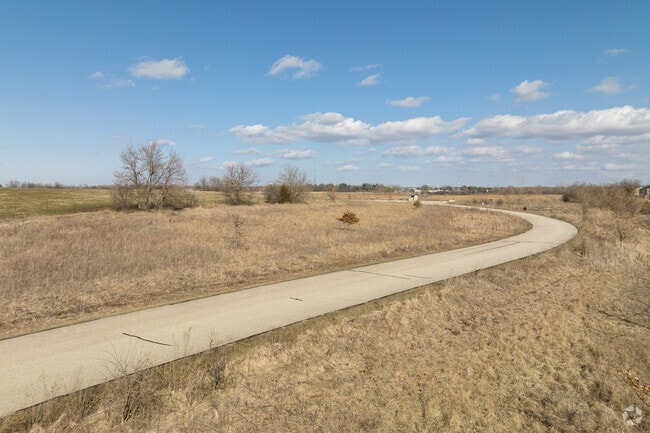
Kishwaukee Headwaters Trail in Woodstock.

Woodstock, IL Area Guide

Avg Rent

$1,055

Population

25,576

Renter Mix

35% Rent

Agriculture and the arts on the outskirts of Chicago

Suburban Historic Artistic

Woodstock's historic town square served as the real-life backdrop for the movie "Groundhog Day." It is about 51 miles northwest of Chicago and has a walkable downtown that makes daily errands and evening outings enjoyable. Preserved storefronts ring the central square, putting restaurants, specialty shops, and the landmark Woodstock Opera House all within a short stroll. A farmers market fills the square twice a week during summer, and the established residential corridors spreading outward from downtown offer a settled, community-oriented feel. In 2007, the National Trust for Historic Preservation recognized that quality by naming Woodstock one of its Dozen Distinctive Destinations.

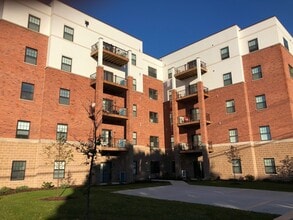
Rental options span several styles and eras. The downtown district includes converted loft spaces inside historically significant former industrial buildings, while garden-style apartment communities, townhomes, and mid-rise buildings line the broader residential corridors throughout the city.

Aurora University operates a satellite center downtown, and McHenry County College is a short drive away. Major institutional employers include Woodstock Community Unit School District 200, McHenry County government, and Northwestern Medicine, giving the local economy a stable foundation built on public services and healthcare.

Explore the City

Charming downtown Woodstock offers unique storefronts and unique shops.

Rows of charming homes line the streets of Woodstock.

Kishwaukee Headwaters Trail in Woodstock.

Emricson Park has several sports fields.

The Woodstock Opera House has served the community since 1889.

The Woodstock train station provides quick access to Chicago.

Demographics

Median Household Income

$75,934

Average: $92,261

Education

6,559

Residents Have a Degree

Job Market

13,806

Workers Employed

Age Distribution
Get a sense of this area's population profile.

Median Age

40 Years

Largest Age Group

30-39 Years

Approximately 14% of Residents

Under 20

24%

Over 65

18%
Housing Distribution

Woodstock has more homeowners than renters.

Renters
35%
Non-Renters
65%

Education Distribution

Review this city's overall education levels.

Bachelor's or Higher
22%
Other Education
78%

Rent Trends

As of September 2026, the average apartment rent in Woodstock, IL is $1,272 for a studio, $1,055 for one bedroom, $1,335 for two bedrooms, and $1,486 for three bedrooms. Apartment rent in Woodstock has increased by 1.9% in the past year.

Property Type
Average Rent
Average Sq Ft
Apartment
$1,055/month
674 Sq Ft
See Rental Market Trends in Woodstock, IL

Learn More About Woodstock

Getting Around

Fairly Walkable

Walkability

50 / 100

Some Public Transit

Transit

40 / 100

Exceptionally Drivable

Drivability

100 / 100

Fairly Bikeable

Bikeability

40 / 100

Schools

Creekside Middle School

Public

Grades K-8

747 Students

Olson Elementary School

Public

Grades K-5

437 Students

Mary Endres Elementary School

Public

Grades K-5

412 Students

Westwood Elementary School

Public

Grades K-5

378 Students

Dean Street Elementary School

Public

Grades PK-5

317 Students

Woodstock North High School

Public

Grades 6-12

931 Students

Creekside Middle School

Public

Grades K-8

747 Students

Northwood Middle School

Public

Grades 6-8

564 Students

Sedom Center

Public

Grades PK-12

63 Students

Clay Academy

Public

Grades PK-12

Woodstock High School

Public

Grades 9-12

949 Students

Woodstock North High School

Public

Grades 6-12

931 Students

Sedom Center

Public

Grades PK-12

63 Students

Clay Academy

Public

Grades PK-12

Points of Interest

Parks and Recreation

  • Pleasant Valley Conservation Area
  • Brookdale Conservation Area and District Office
  • Crystal Lake Park District Nature Center
  • Harrison Benwell Conservation Area
  • Illinois Railway Museum

Airports

  • Chicago/Rockford International

Top Apartments in Woodstock

Houses for Rent in Woodstock

Living in Woodstock

History

-

Woodstock's original name was Centerville, a nod to its position at the geographic center of McHenry County. It became the county seat in 1843, and the physical evidence of that civic identity is still easy to read around the historic square today. The Old McHenry County Courthouse anchors the square, and the surrounding turn-of-the-century storefronts have retained much of their original character.

The Woodstock Opera House, open since 1889, is the square's most celebrated landmark. A young Orson Welles directed early theatrical work there in the 1930s, and a dedicated stage inside still honors that history. The former Woodstock Typewriter Company factory, which once produced a significant share of the world's typewriters, has been converted into loft apartments, making the city's industrial past literally livable. In 1993, the downtown square gained another layer of fame when it served as the filming location for Groundhog Day, and commemorative plaques mark the spots where scenes were shot.

Restaurants

-

Dining options are clustered around the downtown square and the commercial streets branching off it. The Jazz on the Square festival and the annual Harvest Fest both bring food and drink vendors downtown for extended weekend activity, and the twice-weekly summer farmers market is a reliable source of locally grown produce and artisan goods.

The square also hosts a re-creation of the Groundhog Day celebration each February, drawing crowds and food vendors even in the off-season. McHenry County's strong agricultural identity shows up on local menus, with independently owned spots sourcing from nearby farms defining the overall character of the dining scene.

Transportation

-

The Metra Union Pacific Northwest Line station sits less than a mile from the downtown square. On weekdays, approximately 14 trains run to Chicago's Ogilvie Transportation Center, with a travel time of roughly 90 minutes, making rail commuting a practical option for those working in the city. Pace Suburban Bus Route 807 connects downtown Woodstock with downtown McHenry for local trips, and additional bus stops line US Highway 14.

For drivers, Illinois Route 47 runs north to south through the city, Illinois Route 120 passes through the downtown corridor heading east, and US Route 14 skirts the city's southwest edge. Chicago O'Hare International Airport is about 48 miles southeast, and Chicago/Rockford International Airport is roughly 44 miles away. The compact downtown square is easy to navigate on foot, with short blocks and a concentration of destinations that reduce the need to drive for everyday errands.

Parks

-

Emricson Park serves as the city's year-round recreation hub, offering the Woodstock Water Works aquatic center from May through August, a 9-hole disc golf course, multi-use fields, and playground equipment. Each winter, nearly two miles of the park's main path is cleared for access to a popular sled hill, keeping the space active across all four seasons.

For a more immersive experience in nature, the Kishwaukee Headwaters Conservation Area provides a paved recreation trail alongside a canoe launch and fishing spots. Pleasant Valley Conservation Area and Brookdale Conservation Area are both within about 15 minutes by car, offering trails, open land, and wildlife. The Illinois Railway Museum in nearby Union occupies a large outdoor campus roughly 23 minutes away and draws visitors throughout the year. The McHenry County Forest Preserve District manages additional wooded preserves and natural areas within a short drive of the city.

Cost

-

Rents in Woodstock sit well below the Illinois statewide average, making it one of the more affordable options among Chicago-area suburbs with direct commuter rail access. One-bedroom apartments average around $1,049 per month, compared to the Illinois average of $1,737 for the same unit type, and nearby suburbs like Crystal Lake average considerably higher at around $1,830. Two-bedroom and three-bedroom units follow a similar pattern, with pricing that reflects the city's position as an outlying suburb rather than a close-in metro community.

Shopping

-

The Woodstock Square Historic District is the commercial heart of the city, where independently owned retailers, specialty boutiques, and service businesses occupy the ground floors of well-preserved 19th-century storefronts. The area leans strongly toward local ownership rather than national chains, giving it a character distinct from typical suburban retail corridors. The Woodstock Center shopping area just east of downtown adds everyday goods and services within a very short distance.

The twice-weekly summer farmers market draws steady foot traffic with local produce, baked goods, and handmade items. Harvest Fest and the annual Groundhog Day celebration each bring additional shoppers downtown for multiday events. For larger retail needs, the neighboring Crystal Lake area and the Route 14 corridor offer big-box stores within a short drive. Everyday grocery options include a Walmart Supercenter and ALDI off Lake Avenue, and a Jewel-Osco on Eastwood Drive.

Highlights

-

Anchored by the 1889 Woodstock Opera House and a downtown square famous as the filming location of Groundhog Day, Woodstock pairs a well-preserved historic district and direct Metra rail access to Chicago with rents well below the Illinois state average, all within a walkable, community-focused setting recognized by the National Trust for Historic Preservation.

Search Nearby Rentals

Methodology

† Our analysis of utilities, groceries, transportation, healthcare, home prices, and other goods and services is sourced from the Cost of Living Index, a respected benchmark published by the Council for Community and Economic Research (C2ER) that provides a thorough overview of living expenses across different regions.

Rent data is provided by CoStar Group’s Market Trend reports. As the industry leader in commercial real estate information, analytics, and news, CoStar conducts extensive research to produce and maintain a comprehensive database of commercial real estate information. We combine this data with public record to provide the most up-to-date rental information available.

Consumer goods, services, and home prices are sourced from the Cost of Living Index published by the Council for Community and Economic Research (C2ER). The data on this page is updated quarterly. It was last published in September 2026.

Demographic information comes from Neustar and combines detailed address data with U.S. Census and American Community Survey statistics to produce reliable local estimates.