Median Age
48 Years
Largest Age Group
55-64 Years
Approximately 14% of Residents
Under 20
20%
Over 65
27%

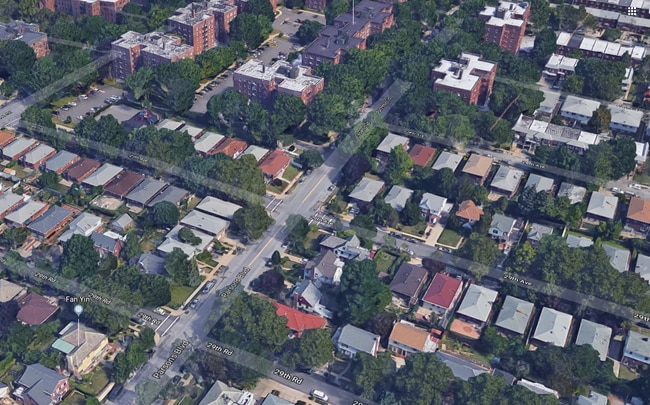
Whitestone sits quietly on the northeastern edge of Queens, where the East River meets the Long Island Sound and the Bronx-Whitestone Bridge rises overhead like a permanent landmark connecting two boroughs. It carries the unhurried feeling of a waterfront town despite technically being part of one of the world's busiest cities. The neighborhood's identity leans residential and grounded, shaped more by tree-lined streets and a close-knit local culture than by the nonstop pace found in other parts of New York City.
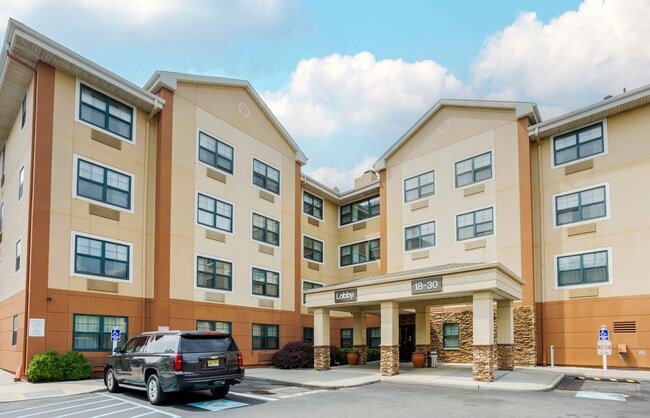
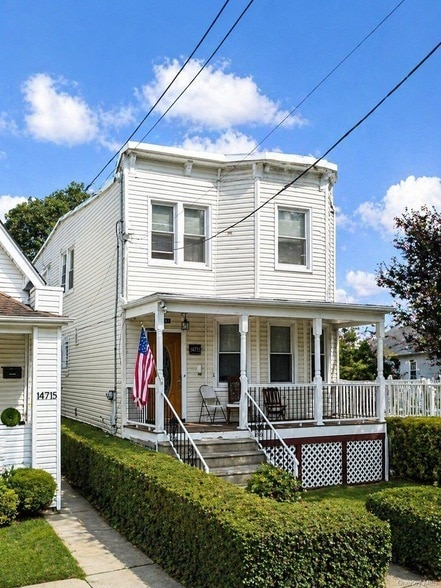
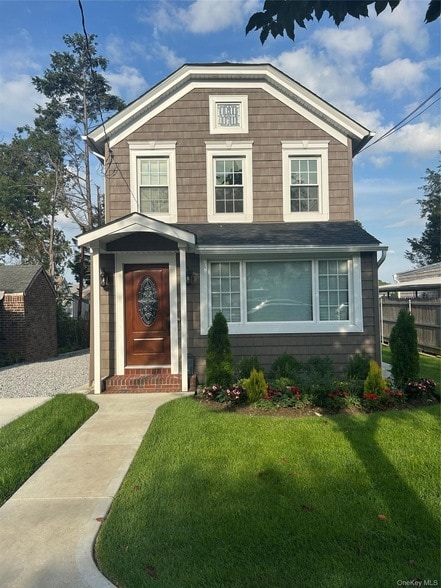
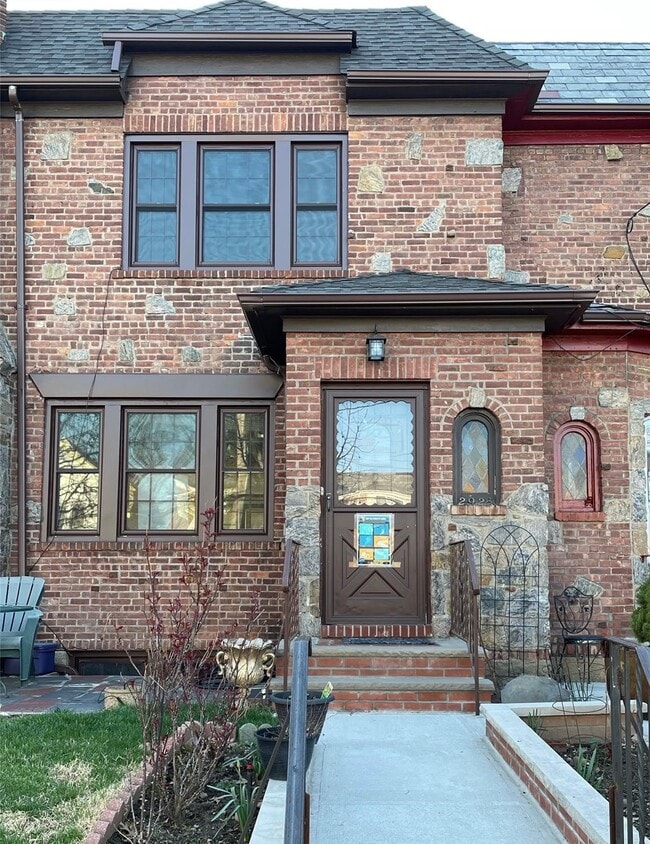
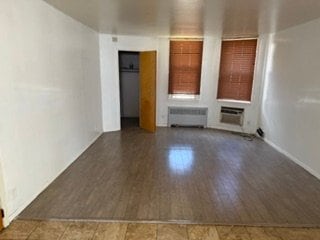
The housing stock here reads like a catalog of mid-century New York architecture. Detached single-family homes, brick colonials, and Tudor-style houses dominate the streetscape, though renters can find apartment communities tucked into the mix, ranging from garden-style buildings to low-rise rentals that offer more space than comparable options in denser parts of Queens. The area draws those looking for elbow room without fully leaving city limits.
Queensborough Community College sits nearby, anchoring an educational presence in the broader northeastern Queens corridor. Whitestone's position near the Throgs Neck and Bronx-Whitestone bridges also makes it a practical base for commuters moving between Queens, the Bronx, and Long Island. The neighborhood was officially named after a large white boulder that once marked the shoreline, a small but telling detail about how long this stretch of Queens has held its identity.
Median Household Income
$85,542
Average: $111,921
Education
11,872
Residents Have a Degree
Job Market
17,229
Workers Employed
Median Age
48 Years
Largest Age Group
55-64 Years
Approximately 14% of Residents
Under 20
20%
Over 65
27%
Housing Distribution
Whitestone has more homeowners than renters.

Education Distribution
Review this city's overall education levels.

Explore how walkable, bikeable, drivable, and transit-friendly Whitestone, NY is for everyday living.
Moderately Walkable
Walkability
Strong Public Transit
Transit
Exceptionally Drivable
Drivability
Fairly Bikeable
Bikeability

† Our analysis of utilities, groceries, transportation, healthcare, home prices, and other goods and services is sourced from the Cost of Living Index, a respected benchmark published by the Council for Community and Economic Research (C2ER) that provides a thorough overview of living expenses across different regions.
Rent data is provided by CoStar Group’s Market Trend reports. As the industry leader in commercial real estate information, analytics, and news, CoStar conducts extensive research to produce and maintain a comprehensive database of commercial real estate information. We combine this data with public record to provide the most up-to-date rental information available.
Consumer goods, services, and home prices are sourced from the Cost of Living Index published by the Council for Community and Economic Research (C2ER). The data on this page is updated quarterly. It was last published in June 2026.
Demographic information comes from Neustar and combines detailed address data with U.S. Census and American Community Survey statistics to produce reliable local estimates.