Flushing

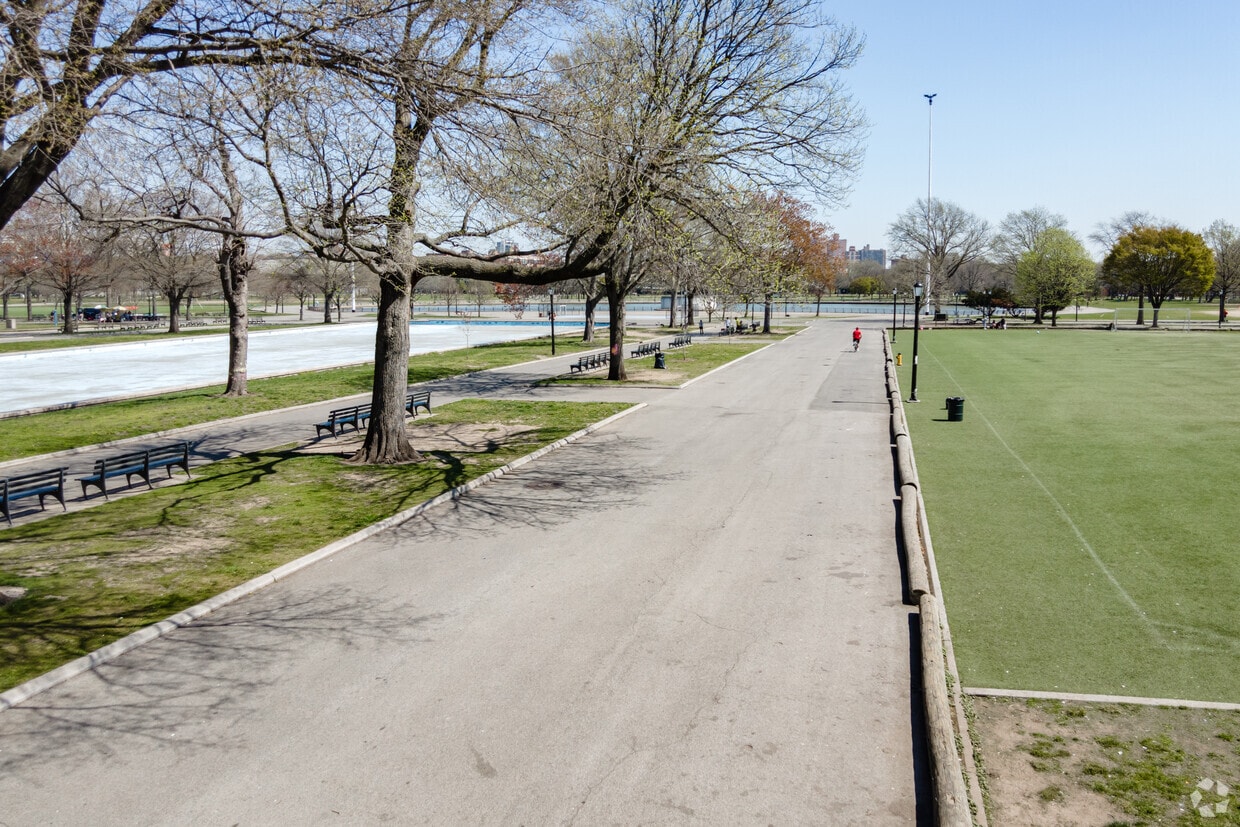
Gte a jog in on the long walkway at Flushing Meadows Corona Park in New Yorks's Flushing area.
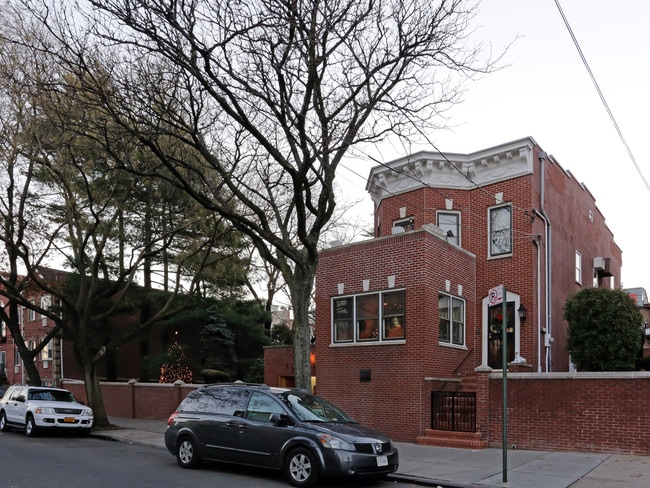
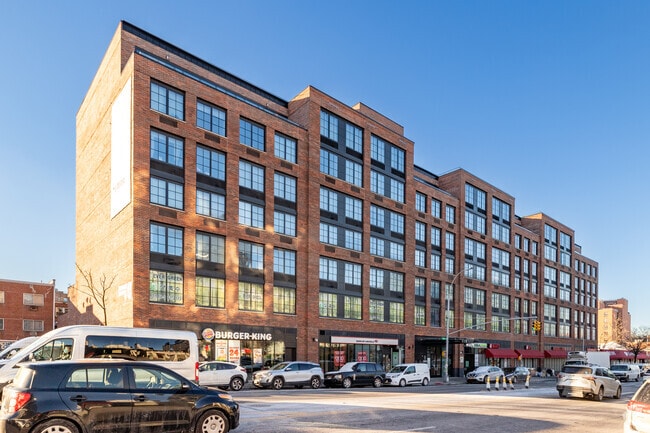
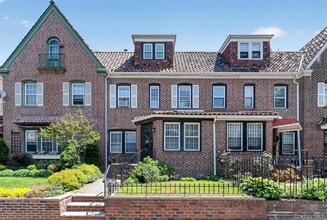
Historic architecture in Flushing
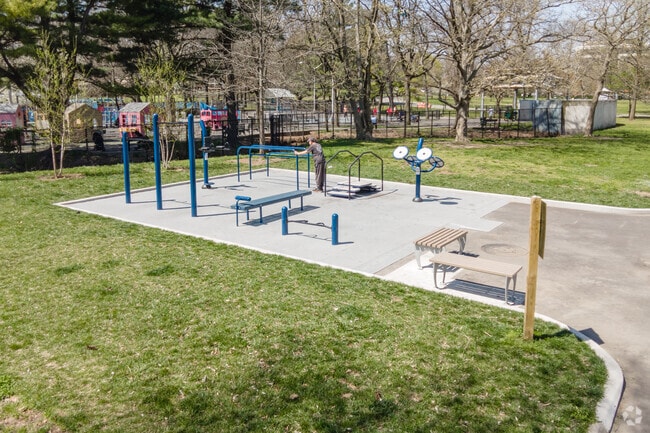
There is accessible outside workout equipment at Flushing Meadows Corona Park in Flushing.
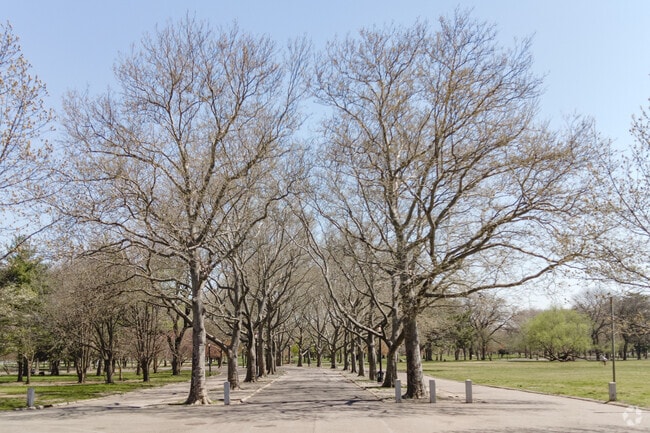
Beautiful trees line the walkways in the park in Flushing Meadows, NY.
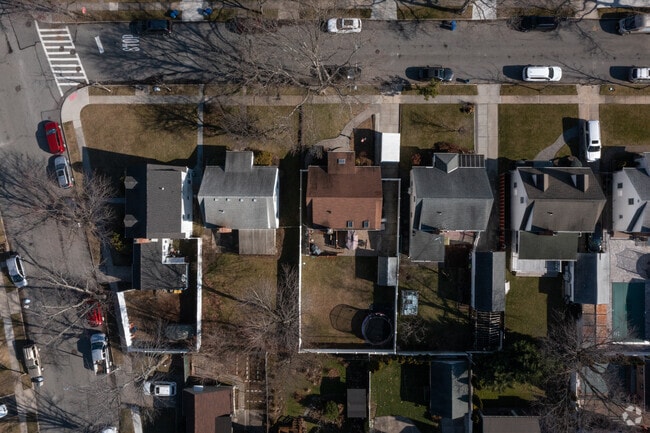
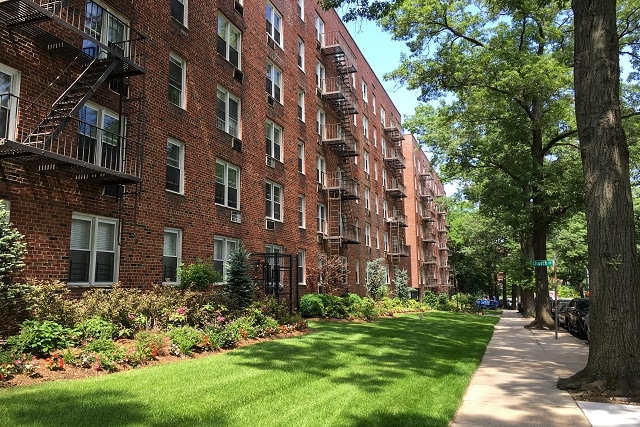
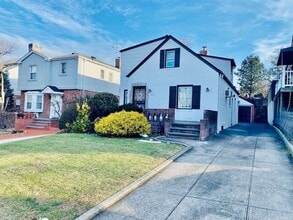
Overhead of Homes and Lawns

Flushing, NY Area Guide

Avg Rent

$2,054

Population

1,129,229

Renter Mix

60% Rent

Delight in the abundant cultural amenities of northern Queens

Diverse Walkable Historic Affordable

Flushing is one of Queens' most commercially active neighborhoods, home to the fourth-largest central business district in all of New York City. Its core intersection at Main Street and Roosevelt Avenue ranks among the busiest in the city, and the energy that radiates outward from there reflects just how much this neighborhood has to offer. Anchored by Queens Botanical Garden and the sprawling Flushing Meadows–Corona Park, the area balances dense urban activity with genuine green space. The New York Mets call this neighborhood home at Citi Field, and USTA Billie Jean King National Tennis Center hosts the U.S. Open each summer nearby. Flushing dates to 1645, making it one of the oldest settlements in the region, and that deep history gives the neighborhood a sense of permanence that newer developments can't replicate. Renters here find a range of housing options, from mid-rise apartment communities near the transit hub to quieter residential streets with attached row houses and low-rise buildings. The 7 train and Long Island Rail Road station make commuting to Midtown Manhattan straightforward, drawing renters who want real neighborhood character without sacrificing access to the rest of the city.

Explore the City

The Queens Museum is a popular attraction.

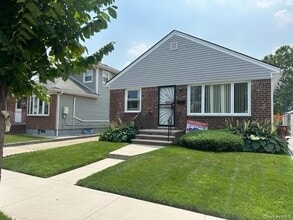
Overhead of Homes and Lawns

Flushing residents can find retail and services along nearby Utopia Parkway.

Beautiful trees line the walkways in the park in Flushing Meadows, NY.

There is accessible outside workout equipment at Flushing Meadows Corona Park in Flushing.

The baseball diamonds are ready for pickup games at Flushing Meadows Corona Park.

Demographics

Median Household Income

$71,382

Average: $94,920

Education

356,887

Residents Have a Degree

Job Market

567,570

Workers Employed

Age Distribution
Get a sense of this area's population profile.

Median Age

43 Years

Largest Age Group

35-44 Years

Approximately 14% of Residents

Under 20

21%

Over 65

20%
Housing Distribution

Flushing has more renters than homeowners.

Renters
60%
Non-Renters
40%

Education Distribution

Review this city's overall education levels.

Bachelor's or Higher
25%
Other Education
75%

Rent Trends

As of April 2026, the average apartment rent in Flushing, NY is $1,769 for a studio, $2,054 for one bedroom, $2,473 for two bedrooms, and $2,866 for three bedrooms. Apartment rent in Flushing has increased by 0.7% in the past year.

Property Type
Average Rent
Average Sq Ft
Apartment
$2,054/month
588 Sq Ft
House
$4,592/month
1,057 Sq Ft
Condo
$2,390/month
479 Sq Ft
Townhome
$3,265/month
1,025 Sq Ft
See Rental Market Trends in Flushing, NY

Getting Around

Very Walkable

Walkability

80 / 100

Exceptional Public Transit

Transit

100 / 100

Very Drivable

Drivability

80 / 100

Moderately Bikeable

Bikeability

60 / 100

Points of Interest

Parks and Recreation

  • Queens Botanical Garden
  • Kissena Park
  • Flushing Meadows Corona Park
  • Queens Zoo
  • New York Hall of Science

Airports

  • LaGuardia
  • John F Kennedy International

Top Apartments in Flushing

Houses for Rent in Flushing

Living in Flushing

History

-

Flushing traces its roots to 1645, when Dutch settlers established Vlissingen along the eastern bank of Flushing Creek. The neighborhood became one of the original five towns when Queens County formed in 1683, and its deep colonial past remains visible in its street layout and historic core. The Queens Historical Society preserves three centuries of the area's story through photographs and documents, while the historic Flushing Town Hall stands as a physical reminder of the community's civic heritage. During the 19th century, Flushing evolved into a residential area as roads and bridges improved access, and the arrival of rail and subway service in the 20th century transformed it into a thriving commercial center. Today, residents can visit the Queens Museum at Flushing Meadows–Corona Park, which occupies a building from the 1939 and 1964 World's Fairs, and explore the Louis Armstrong House Museum, where the jazz legend lived for nearly three decades. Annual celebrations like the Lunar New Year reflect how layers of immigration have shaped the neighborhood's identity over time.

Restaurants

-

Flushing is widely regarded as one of the premier destinations for Asian cuisine in the United States, drawing food enthusiasts from across New York City and beyond. Downtown Flushing, centered around Main Street and Roosevelt Avenue, is dense with restaurants serving authentic Chinese, Cantonese, and Korean dishes, from hand-pulled noodles and dim sum to Korean hot pot and barbecue. The neighborhood's food halls and basement-level food courts offer an immersive sampling experience, where vendors specialize in regional Chinese cuisines including Sichuan, Shanghainese, and Fujianese cooking. Afghan, Middle Eastern, and other global cuisines round out the dining landscape, making the area a genuinely diverse table for residents with wide-ranging tastes.

Transportation

-

Flushing is one of the most transit-accessible neighborhoods in Queens, centered around the busy Main Street and Roosevelt Avenue corridor. The 7 subway line runs directly to Midtown Manhattan, with a typical commute of around 40 minutes, and the Long Island Rail Road's Port Washington Branch stops at Flushing-Main Street station for additional rail access. More than 20 MTA bus routes serve the area, making car-free living genuinely practical. Most daily errands are walkable from the dense Downtown core, and the neighborhood's streets include bike lanes. For drivers, Interstate 678 and the I-495 Long Island Expressway provide regional connections. LaGuardia Airport is about 15 minutes away by car, and JFK International Airport is roughly a 30-minute drive.

Parks

-

Flushing Meadows Corona Park anchors outdoor life in Flushing, covering roughly 1,255 acres in the heart of Queens. The park includes two lakes with rental boats, bicycling and walking trails, sports fields, playgrounds, and the beloved Flushing Meadows Carousel. It also serves as home to Citi Field, the USTA Billie Jean King National Tennis Center, the New York Hall of Science, and the Queens Museum. For a quieter setting, Kissena Park offers wooded walking trails and a lake, while the Queens Botanical Garden spans 39 acres of themed gardens that change with the seasons, giving residents a serene green escape close to the neighborhood's busy commercial core.

Cost

-

Flushing sits within one of New York City's higher-cost rental markets, though it generally offers more accessible pricing than Manhattan neighborhoods. Studios average around $3,312 per month, one-bedrooms around $4,080, and two-bedrooms around $5,587. Rents have trended modestly upward year over year across most unit sizes. The neighborhood's housing stock is a mix of apartment buildings, co-ops, and multi-family homes, with price variation between the denser Downtown Flushing core and quieter residential streets further from the Main Street corridor.

Shopping

-

Downtown Flushing anchors the neighborhood's retail identity, with the intersection of Main Street and Roosevelt Avenue forming one of the busiest commercial corridors in New York City. The area is dense with Asian-inspired shopping centers, including the Queens Crossing Mall and the New World Shopping Center, both of which offer groceries, clothing, gifts, and everyday essentials. Shoppers can browse an array of beauty, accessories, and specialty food markets reflecting the neighborhood's Chinese and Korean communities. The Lunar New Year Celebration and the Korean Harvest and Folklore Festival both bring added street-level energy to the shopping districts, drawing crowds throughout the year.

Search Nearby Rentals

Methodology

† Our analysis of utilities, groceries, transportation, healthcare, home prices, and other goods and services is sourced from the Cost of Living Index, a respected benchmark published by the Council for Community and Economic Research (C2ER) that provides a thorough overview of living expenses across different regions.

Rent data is provided by CoStar Group’s Market Trend reports. As the industry leader in commercial real estate information, analytics, and news, CoStar conducts extensive research to produce and maintain a comprehensive database of commercial real estate information. We combine this data with public record to provide the most up-to-date rental information available.

Consumer goods, services, and home prices are sourced from the Cost of Living Index published by the Council for Community and Economic Research (C2ER). The data on this page is updated quarterly. It was last published in February 2026.

Demographic information comes from Neustar and combines detailed address data with U.S. Census and American Community Survey statistics to produce reliable local estimates.