Median Age
37 Years
Largest Age Group
30-39 Years
Approximately 15% of Residents
Under 20
26%
Over 65
18%

Avg Rent
$1,040
Population
15,567
Renter Mix
39% Rent
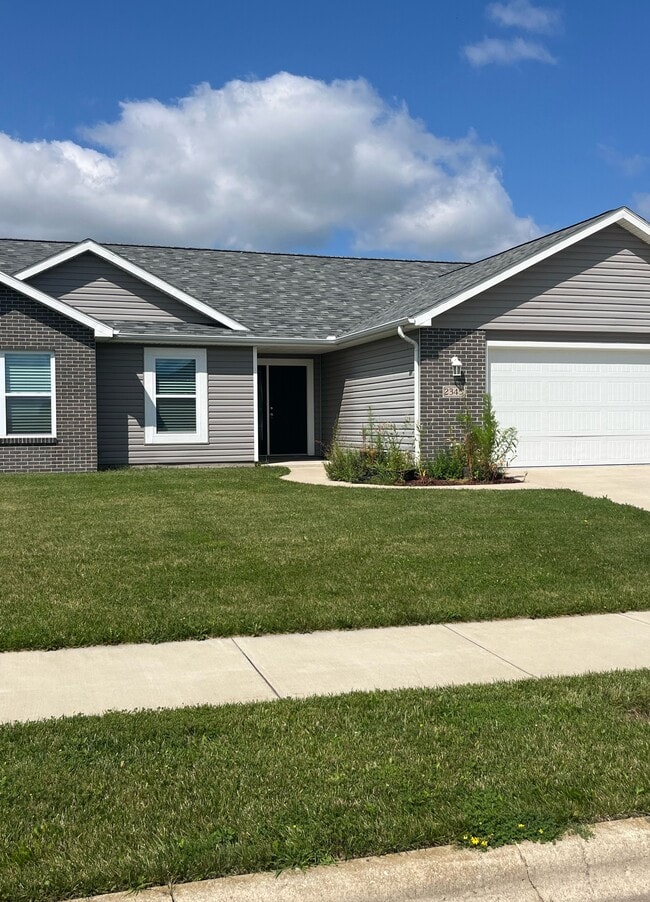
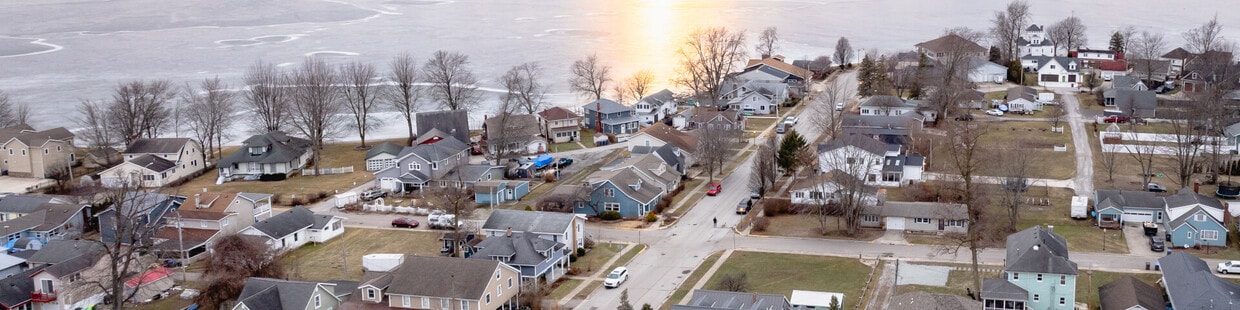
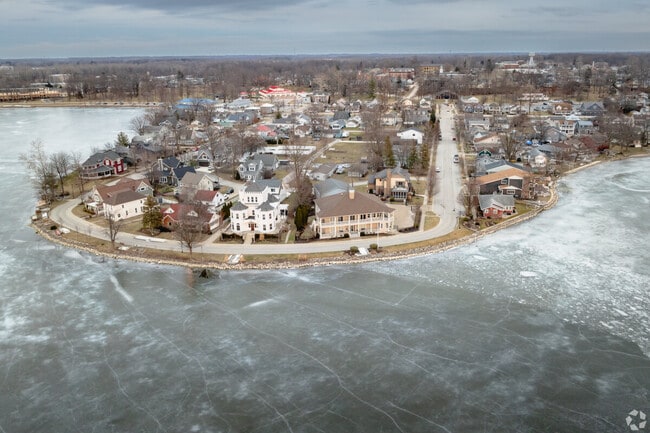
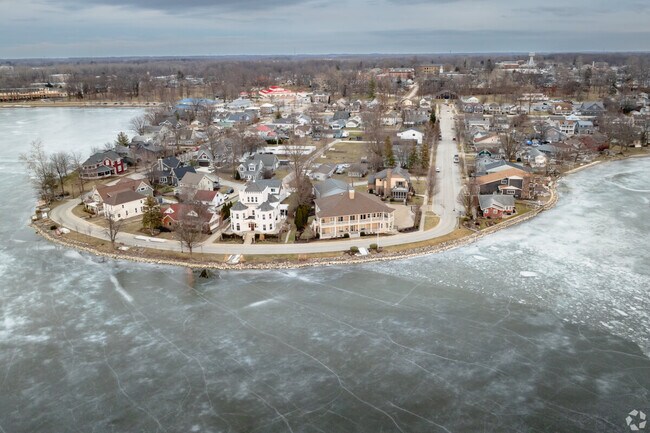
Warsaw is a small city in north central Indiana, about forty miles northwest of Fort Wayne. This picturesque community hosts a beautiful collective of historic homes and buildings, with the thriving Downtown district in particular providing a charming hub for the community. Built around three lakes – Winona Lake on the south side, Pike Lake and Center Lake near the middle of town – residents of Warsaw enjoy a scenic atmosphere with ample opportunities for boating, swimming, and fishing in the warmer months. With Fort Wayne, South bend, and even Indianapolis within a short drive, living in Warsaw puts you in a prime position to enjoy some of Indiana’s most distinctive cities.
You can rent kayaks, longboards and paddleboards on Warsaw's lakes.
These bridges run across the canal on Lake Winona in Warsaw and connect to Sieben-Volkers Bay.
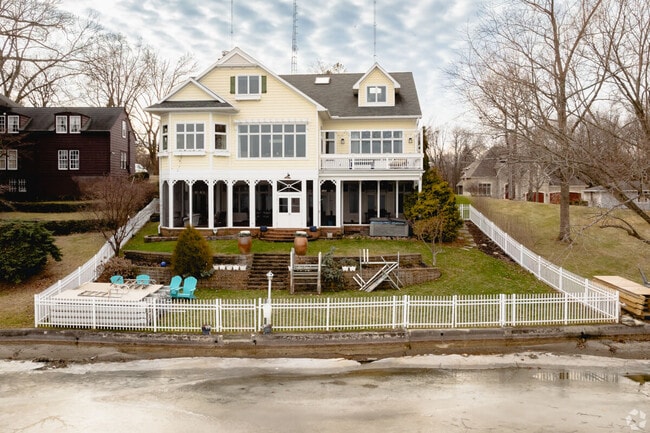
Property on any of Warsaw's lakes feature higher end homes like this lakehouse on Winona Lake.
Median Household Income
$54,000
Average: $66,426
Education
3,873
Residents Have a Degree
Job Market
7,544
Workers Employed
Median Age
37 Years
Largest Age Group
30-39 Years
Approximately 15% of Residents
Under 20
26%
Over 65
18%
Housing Distribution
Warsaw has more homeowners than renters.

Education Distribution
Review this city's overall education levels.

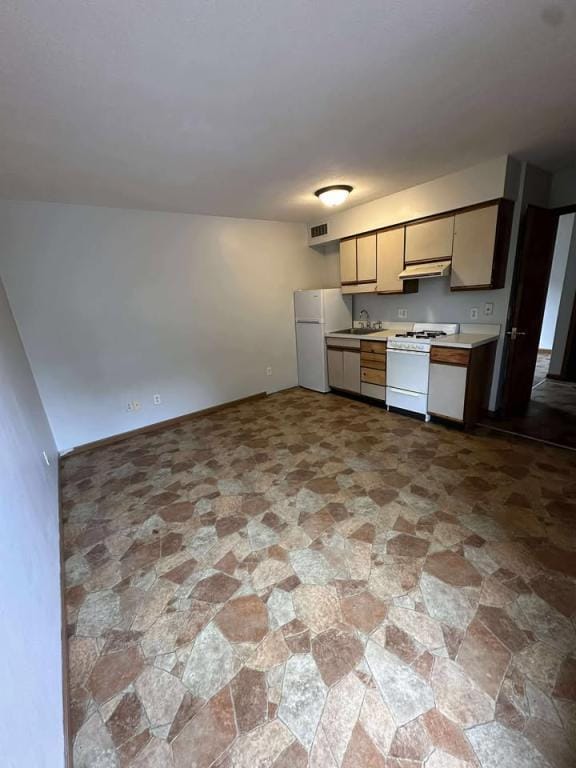
As of September 2026, the average apartment rent in Warsaw, IN is $821 for a studio, $1,040 for one bedroom, $1,357 for two bedrooms, and $1,642 for three bedrooms. Apartment rent in Warsaw has increased by 4.5% in the past year.
The cost of living in Warsaw, IN is 6.5% lower than the national average. Generally, housing in Warsaw is 5.7% less expensive than the national average, with rent falling between $821 - $1,642. You can expect to pay 0% less for groceries, 4.9% less for utilities, and 0.4% more for transportation.
Compare Cities
Explore how walkable, bikeable, drivable, and transit-friendly Warsaw, IN is for everyday living.
Fairly Walkable
Walkability
Exceptionally Drivable
Drivability
Fairly Bikeable
Bikeability

Public
Grades K-5
474 Students

Public
Grades K-5
500 Students

Public
Grades K-5
452 Students
Public
Grades K-5
475 Students

Public
Grades K-5
416 Students
Public
Grades 6-8
545 Students
Public
Grades 6-8
469 Students
Public
Grades 9-12
2,077 Students

 The GreatSchools Rating helps parents compare schools within a state based on a variety of school quality indicators and provides a helpful picture of how effectively each school serves all of its students. Ratings are on a scale of 1 (below average) to 10 (above average) and can include test scores, college readiness, academic progress, advanced courses, equity, discipline and attendance data. We also advise parents to visit schools, consider other information on school performance and programs, and consider family needs as part of the school selection process.
View GreatSchools Rating Methodology
Data provided by
GreatSchools.org
© 2026. All rights reserved.
The GreatSchools Rating helps parents compare schools within a state based on a variety of school quality indicators and provides a helpful picture of how effectively each school serves all of its students. Ratings are on a scale of 1 (below average) to 10 (above average) and can include test scores, college readiness, academic progress, advanced courses, equity, discipline and attendance data. We also advise parents to visit schools, consider other information on school performance and programs, and consider family needs as part of the school selection process.
View GreatSchools Rating Methodology
Data provided by
GreatSchools.org
© 2026. All rights reserved.
† Our analysis of utilities, groceries, transportation, healthcare, home prices, and other goods and services is sourced from the Cost of Living Index, a respected benchmark published by the Council for Community and Economic Research (C2ER) that provides a thorough overview of living expenses across different regions.
Rent data is provided by CoStar Group’s Market Trend reports. As the industry leader in commercial real estate information, analytics, and news, CoStar conducts extensive research to produce and maintain a comprehensive database of commercial real estate information. We combine this data with public record to provide the most up-to-date rental information available.
Consumer goods, services, and home prices are sourced from the Cost of Living Index published by the Council for Community and Economic Research (C2ER). The data on this page is updated quarterly. It was last published in September 2026.
Demographic information comes from Neustar and combines detailed address data with U.S. Census and American Community Survey statistics to produce reliable local estimates.