Median Age
37 Years
Largest Age Group
20-29 Years
Approximately 14% of Residents
Under 20
27%
Over 65
17%

Avg Rent
$1,168
Population
61,471
Renter Mix
56% Rent
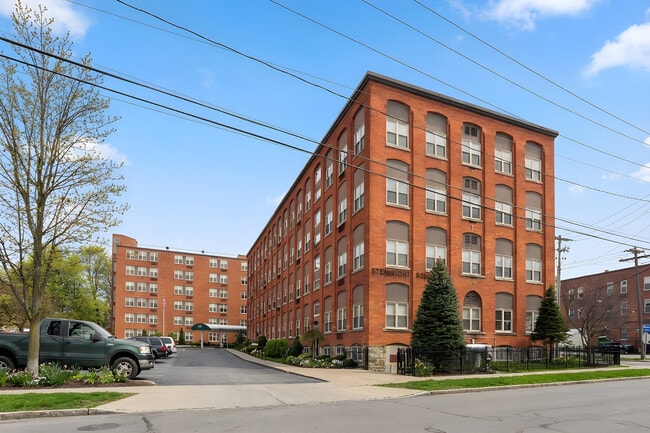
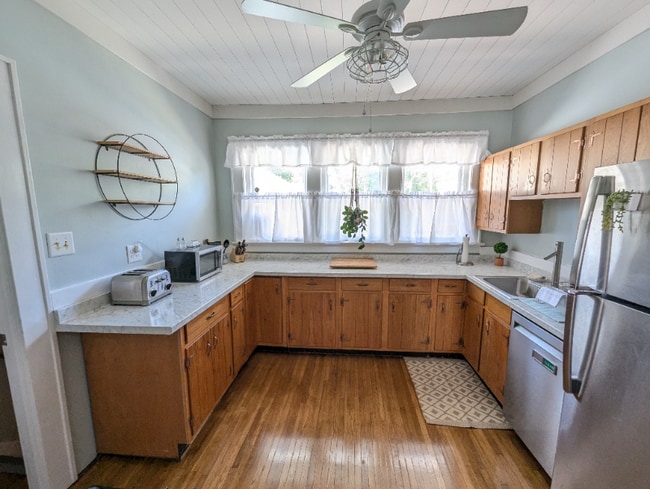
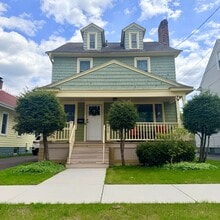
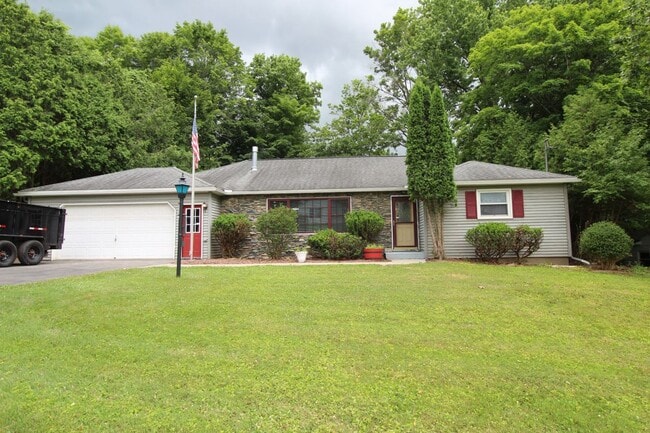
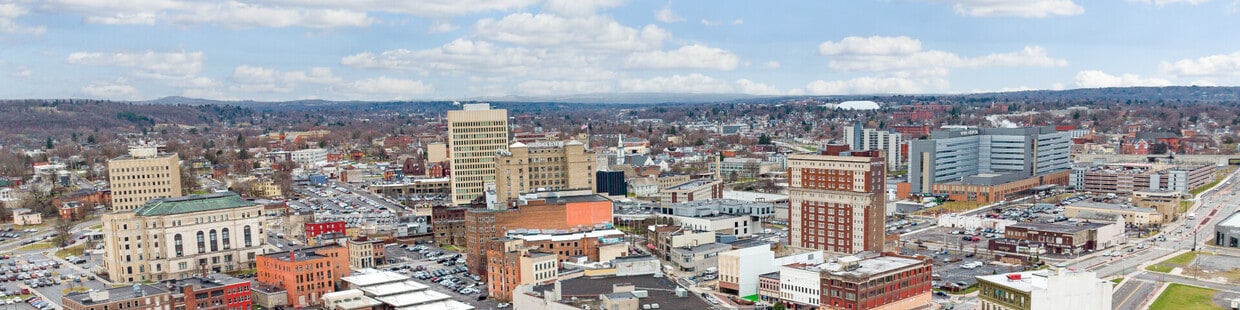
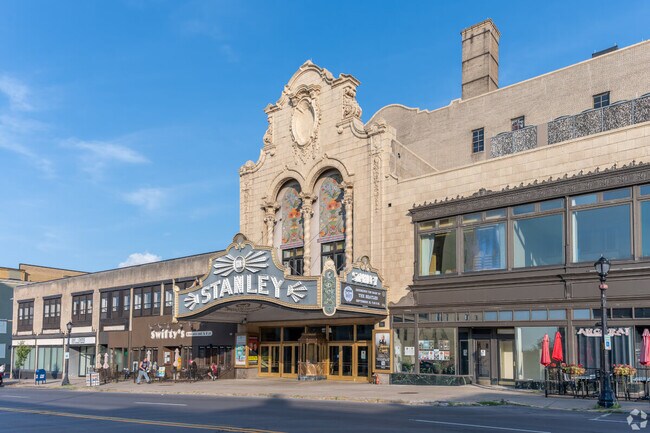
Nestled in the Mohawk Valley, Utica combines city living with natural surroundings. The city's neighborhoods feature diverse housing options, from historic Victorian homes in the Rutger-Steuben Park Historic District to contemporary apartments near downtown. One-bedroom apartments average $1,161 per month, showing a 3.5% annual increase. Downtown Utica houses the new Wynn Hospital, the historic Stanley Theater, and the Munson-Williams-Proctor Arts Institute. The city's park system, designed by Frederick Law Olmsted Jr., includes F.T. Proctor Park and Memorial Parkway, while Val Bialas Ski Center offers winter recreation opportunities.
Utica's community spirit shines through its multicultural heritage, which has shaped the local dining scene. The city's signature dishes include chicken riggies and Utica greens, while restaurants throughout the city serve cuisine from around the world. The historic Matt Brewing Company, established in 1888 and among America's top craft breweries, continues to operate from its original West End location. With its mix of housing options, established neighborhoods, and cultural attractions, Utica offers renters an authentic community experience rooted in tradition while embracing growth.
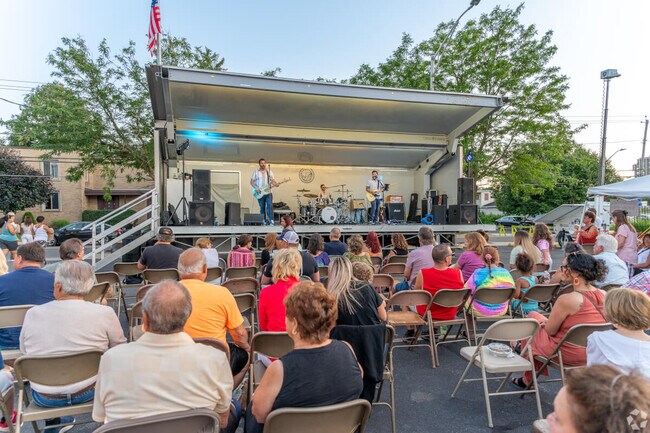
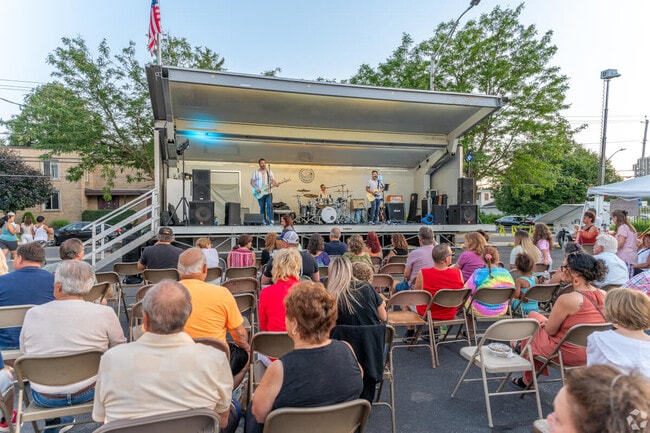
Utica is host to a number of outlets for entertainment, such as the Italian Festival.
The Stanley Theatre hosts a variety of concerts, shows and Broadway-style performances.
Utica resident golfers can take swings at the public Valley View Golf Course.
Median Household Income
$42,025
Average: $59,975
Education
10,874
Residents Have a Degree
Job Market
25,393
Workers Employed
Median Age
37 Years
Largest Age Group
20-29 Years
Approximately 14% of Residents
Under 20
27%
Over 65
17%
Housing Distribution
Utica has more renters than homeowners.

Education Distribution
Review this city's overall education levels.

As of August 2026, the average apartment rent in Utica, NY is $940 for a studio, $1,165 for one bedroom, $1,548 for two bedrooms, and $1,128 for three bedrooms. Apartment rent in Utica has decreased by -0.1% in the past year.
The cost of living in Utica, NY is 2.8% lower than the national average. Generally, housing in Utica is 8.4% less expensive than the national average, with rent falling between $940 - $1,548. You can expect to pay 2.8% less for groceries, 2.7% more for utilities, and 6.8% more for transportation.
Compare Cities
Explore how walkable, bikeable, drivable, and transit-friendly Utica, NY is for everyday living.
Moderately Walkable
Walkability
Limited Public Transit
Transit
Moderately Drivable
Drivability
Fairly Bikeable
Bikeability

Public
Grades K-5
320 Students

Martin Luther King Jr Elementary School
Public
Grades K-5
302 Students

Watson Williams Elementary School
Public
Grades K-5
590 Students

Public
Grades K-5
585 Students
Public
Grades K-5
478 Students
Senator James H Donovan Middle School
Public
Grades 6-8
749 Students
Public
Grades 6-8
687 Students
Public
Grades 9-12
2,818 Students

 The GreatSchools Rating helps parents compare schools within a state based on a variety of school quality indicators and provides a helpful picture of how effectively each school serves all of its students. Ratings are on a scale of 1 (below average) to 10 (above average) and can include test scores, college readiness, academic progress, advanced courses, equity, discipline and attendance data. We also advise parents to visit schools, consider other information on school performance and programs, and consider family needs as part of the school selection process.
View GreatSchools Rating Methodology
Data provided by
GreatSchools.org
© 2026. All rights reserved.
The GreatSchools Rating helps parents compare schools within a state based on a variety of school quality indicators and provides a helpful picture of how effectively each school serves all of its students. Ratings are on a scale of 1 (below average) to 10 (above average) and can include test scores, college readiness, academic progress, advanced courses, equity, discipline and attendance data. We also advise parents to visit schools, consider other information on school performance and programs, and consider family needs as part of the school selection process.
View GreatSchools Rating Methodology
Data provided by
GreatSchools.org
© 2026. All rights reserved.
† Our analysis of utilities, groceries, transportation, healthcare, home prices, and other goods and services is sourced from the Cost of Living Index, a respected benchmark published by the Council for Community and Economic Research (C2ER) that provides a thorough overview of living expenses across different regions.
Rent data is provided by CoStar Group’s Market Trend reports. As the industry leader in commercial real estate information, analytics, and news, CoStar conducts extensive research to produce and maintain a comprehensive database of commercial real estate information. We combine this data with public record to provide the most up-to-date rental information available.
Consumer goods, services, and home prices are sourced from the Cost of Living Index published by the Council for Community and Economic Research (C2ER). The data on this page is updated quarterly. It was last published in June 2026.
Demographic information comes from Neustar and combines detailed address data with U.S. Census and American Community Survey statistics to produce reliable local estimates.