Median Age
30 Years
Largest Age Group
20-29 Years
Approximately 29% of Residents
Under 20
22%
Over 65
13%


Avg Rent
$915
Population
38,124
Renter Mix
64% Rent
Urbana is a college city with a personality all its own, anchored by Big Ten academics and a downtown that rewards walking and biking. The historic core features period lighting, bike racks, sidewalk cafes, and a wide mix of shops, while neighborhoods spread across 12 square miles with tree-lined blocks and easy access to green spaces like Crystal Lake Park and Meadowbrook Park. Downtown Urbana and Campustown, the commercial strip along U.S. Route 150, give residents two distinct hubs for dining, errands, and everyday life.
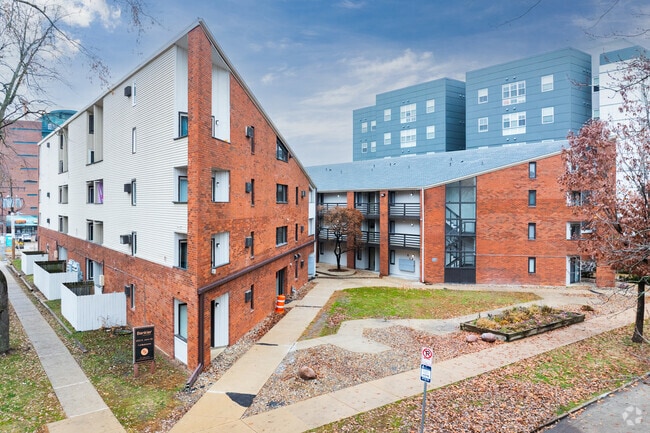
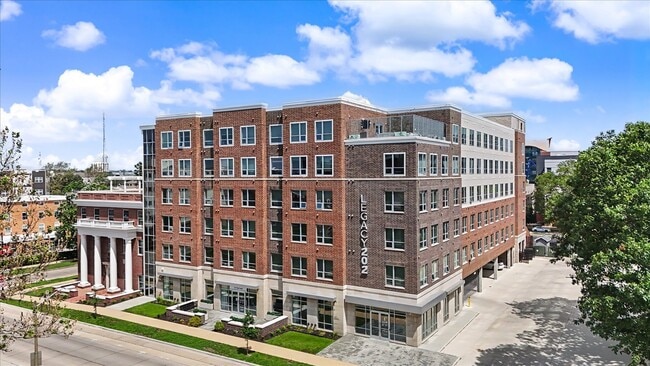
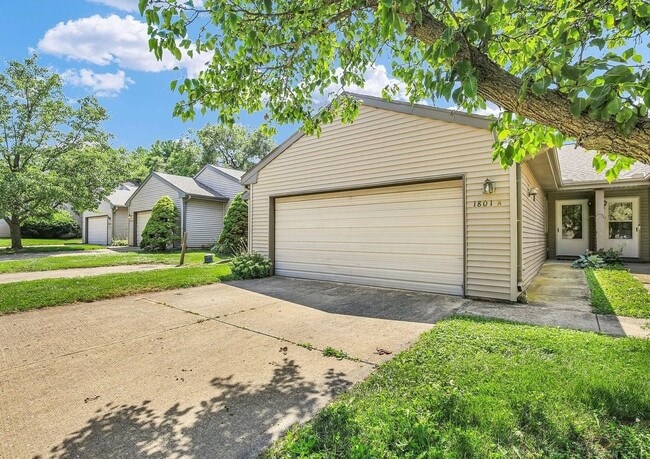
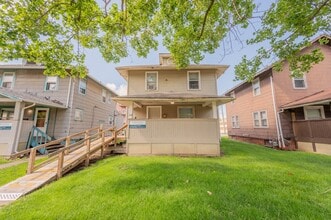
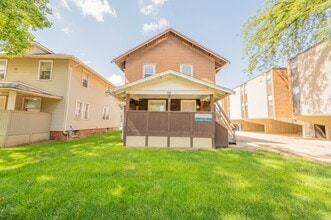
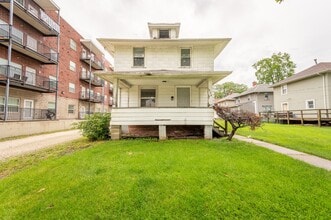
Renters will find a varied housing stock, from older craftsman-style homes converted into apartments to newer communities with modern layouts, plus townhomes and two-flats scattered throughout residential blocks. The rental market is notably affordable compared to the rest of Illinois, making it a strong fit for a wide range of budgets. The University of Illinois at Urbana-Champaign drives much of the city's energy, drawing researchers, students, and staff to the Beckman Institute for Advanced Science and Technology and dozens of other programs. Urbana is also the county seat of Champaign County and part of a metro area of roughly 236,000 people. Each September, the Pygmalion Music Festival fills venues across the city with emerging and internationally known acts, giving Urbana a creative pulse that runs well beyond the academic calendar.
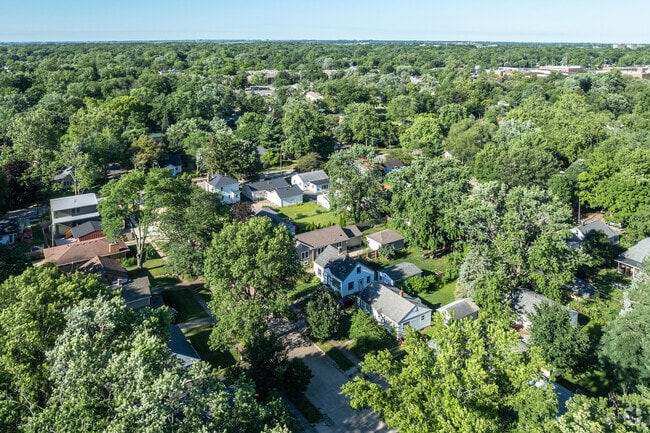
Historic East Urbana has plenty of greenery with its lush tree-lined streets
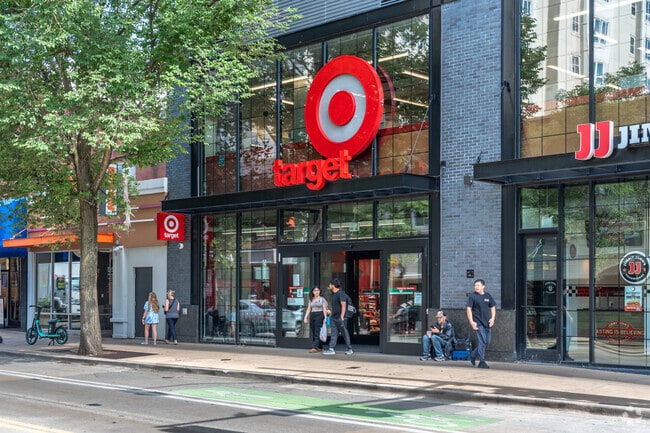
Residents of King Park don't have to go far to find stores like Target for their shopping needs.
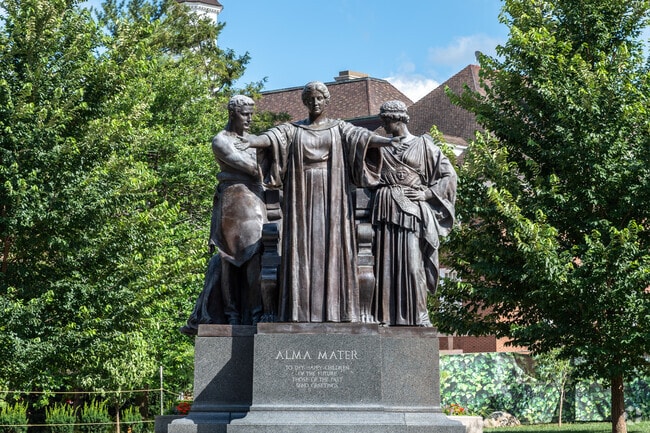
There are many art installations on the University campus near King Park.
Crystal Lake Art Fair is held annually and attended by many in Urbana.
Pedal the Preserves was an exciting cycling event near East Urbana that cyclist enjoyed.
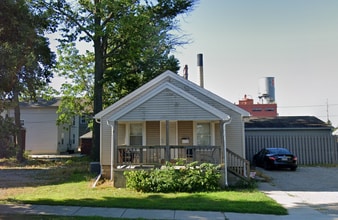
East Urbana has charming homes in its quiet, quaint neighborhoods.
Median Household Income
$44,511
Average: $66,512
Education
15,847
Residents Have a Degree
Job Market
17,189
Workers Employed
Median Age
30 Years
Largest Age Group
20-29 Years
Approximately 29% of Residents
Under 20
22%
Over 65
13%
Housing Distribution
Urbana has more renters than homeowners.

Education Distribution
Review this city's overall education levels.

As of September 2026, the average apartment rent in Urbana, IL is $1,223 for a studio, $914 for one bedroom, $1,094 for two bedrooms, and $1,307 for three bedrooms. Apartment rent in Urbana has increased by 2.5% in the past year.
The cost of living in Urbana, IL is 2.4% lower than the national average. Generally, housing in Urbana is 9.4% less expensive than the national average, with rent falling between $914 - $1,307. You can expect to pay 2.4% less for groceries, 5.6% more for utilities, and 0.1% less for transportation.
Compare Cities
Explore how walkable, bikeable, drivable, and transit-friendly Urbana, IL is for everyday living.
Fairly Walkable
Walkability
Limited Public Transit
Transit
Very Drivable
Drivability
Moderately Bikeable
Bikeability

Public
Grades K-5
366 Students

Thomas Paine Elementary School
Public
Grades K-5
342 Students

Public
Grades K-5
234 Students
Yankee Ridge Elementary School
Public
Grades K-5
465 Students

DR Preston L Williams Jr Elementary School
Public
Grades K-5
386 Students
University Of Illinois High School
Public
Grades 6-12
319 Students

Public
Grades 6-8
865 Students
University Of Illinois High School
Public
Grades 6-12
319 Students
Public
Grades 9-12
1,131 Students
 The GreatSchools Rating helps parents compare schools within a state based on a variety of school quality indicators and provides a helpful picture of how effectively each school serves all of its students. Ratings are on a scale of 1 (below average) to 10 (above average) and can include test scores, college readiness, academic progress, advanced courses, equity, discipline and attendance data. We also advise parents to visit schools, consider other information on school performance and programs, and consider family needs as part of the school selection process.
View GreatSchools Rating Methodology
Data provided by
GreatSchools.org
© 2026. All rights reserved.
The GreatSchools Rating helps parents compare schools within a state based on a variety of school quality indicators and provides a helpful picture of how effectively each school serves all of its students. Ratings are on a scale of 1 (below average) to 10 (above average) and can include test scores, college readiness, academic progress, advanced courses, equity, discipline and attendance data. We also advise parents to visit schools, consider other information on school performance and programs, and consider family needs as part of the school selection process.
View GreatSchools Rating Methodology
Data provided by
GreatSchools.org
© 2026. All rights reserved.
† Our analysis of utilities, groceries, transportation, healthcare, home prices, and other goods and services is sourced from the Cost of Living Index, a respected benchmark published by the Council for Community and Economic Research (C2ER) that provides a thorough overview of living expenses across different regions.
Rent data is provided by CoStar Group’s Market Trend reports. As the industry leader in commercial real estate information, analytics, and news, CoStar conducts extensive research to produce and maintain a comprehensive database of commercial real estate information. We combine this data with public record to provide the most up-to-date rental information available.
Consumer goods, services, and home prices are sourced from the Cost of Living Index published by the Council for Community and Economic Research (C2ER). The data on this page is updated quarterly. It was last published in September 2026.
Demographic information comes from Neustar and combines detailed address data with U.S. Census and American Community Survey statistics to produce reliable local estimates.