Median Age
37 Years
Largest Age Group
15-24 Years
Approximately 16% of Residents
Under 20
28%
Over 65
17%


Avg Rent
$637
Population
13,448
Renter Mix
51% Rent
Rantoul, Illinois, carries a quiet confidence that comes from more than 170 years of history and community. This Champaign County village of roughly 13,000 residents sits within the Champaign-Urbana metropolitan area, placing the University of Illinois at Urbana-Champaign and Parkland College within a 25-minute drive. That proximity makes Rantoul a practical base for anyone connected to the region's academic and research economy without wanting to pay city-center prices.
The village's identity was shaped in part by Chanute Air Force Base, which operated here from 1917 until its closure in 1993 and left behind a legacy of civic pride and community resilience. Today, that spirit shows up in well-maintained parks, an aquatic center, a community woodshop, and the annual Community Night Out, where residents gather alongside local government and public service workers to connect.
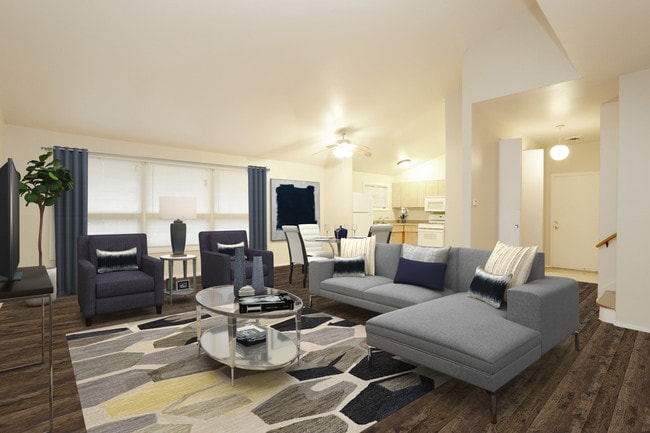
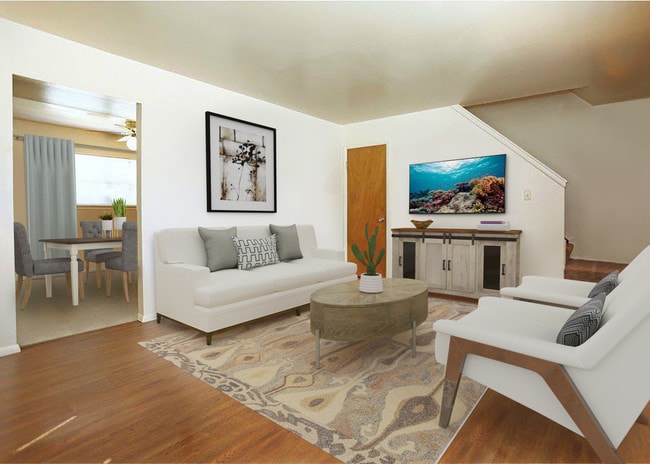
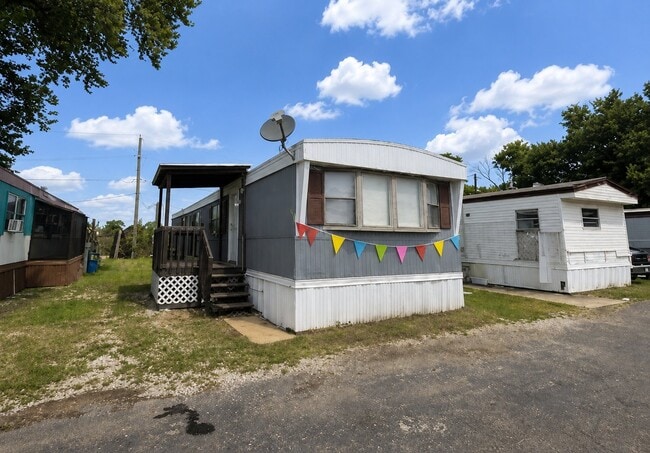
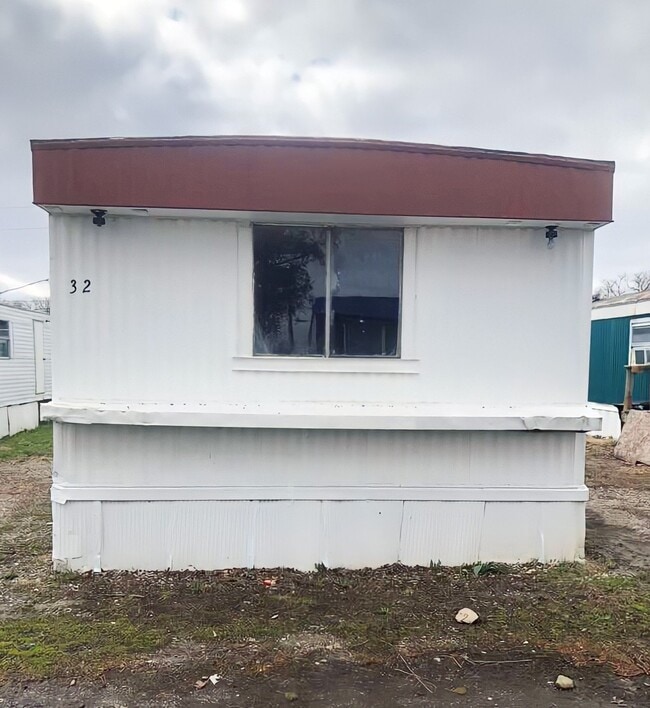
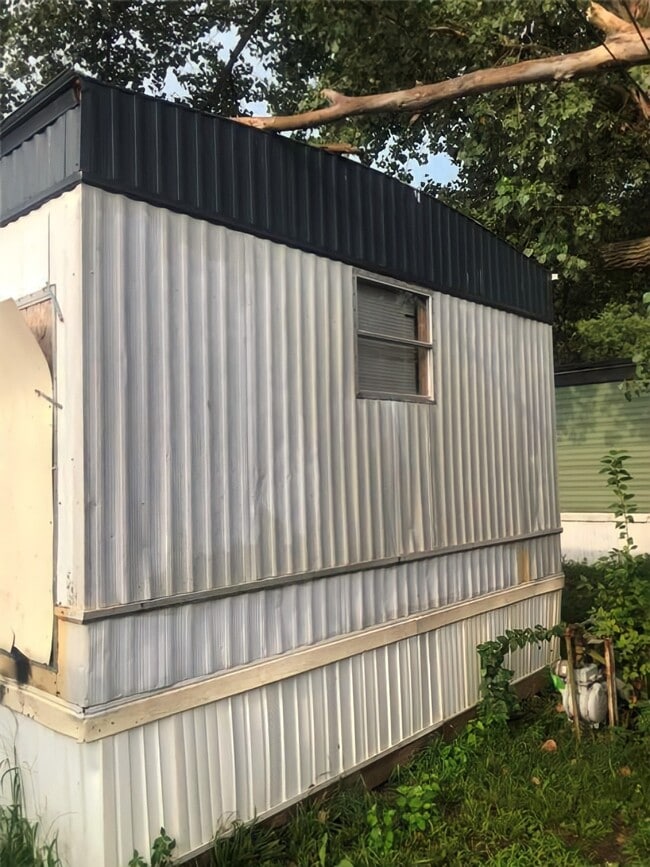
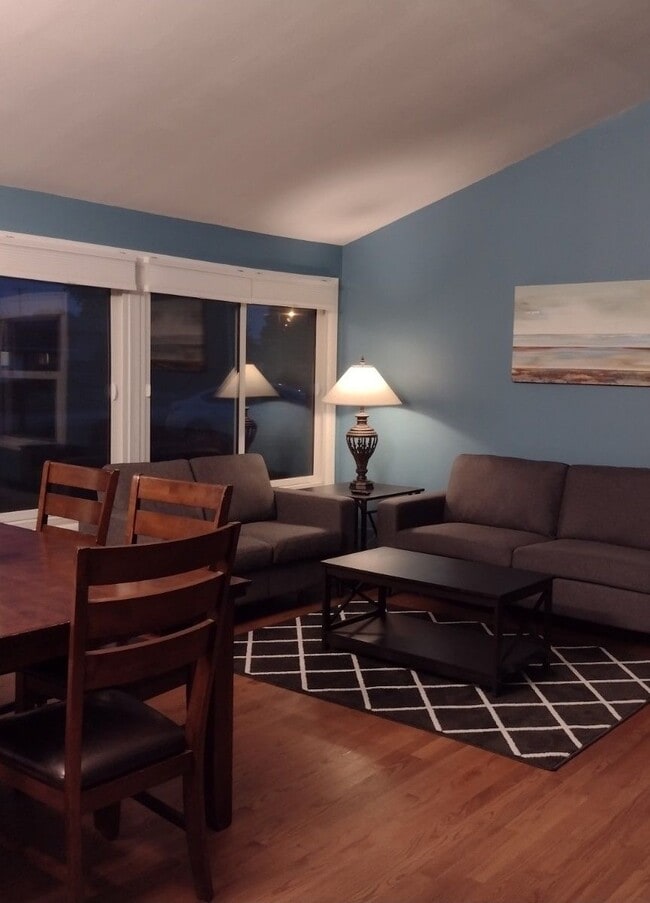
The housing stock reflects the village's approachable scale, offering single-family rentals, townhomes, and apartment communities with updated interiors at rents well below the Illinois state average. The architecture tends toward the residential and unhurried rather than the high-rise and fast-paced. For renters who value affordability, open space, and a slower rhythm anchored by genuine community ties, Rantoul delivers something increasingly hard to find in larger metros.
Median Household Income
$48,478
Average: $58,839
Education
1,728
Residents Have a Degree
Job Market
5,941
Workers Employed
Median Age
37 Years
Largest Age Group
15-24 Years
Approximately 16% of Residents
Under 20
28%
Over 65
17%
Housing Distribution
Rantoul has more renters than homeowners.

Education Distribution
Review this city's overall education levels.

As of August 2026, the average apartment rent in Rantoul, IL is $637 for one bedroom, $732 for two bedrooms, and $950 for three bedrooms. Apartment rent in Rantoul has increased by 2.0% in the past year.
Explore how walkable, bikeable, drivable, and transit-friendly Rantoul, IL is for everyday living.
Somewhat Walkable
Walkability
Exceptionally Drivable
Drivability
Fairly Bikeable
Bikeability

Pleasant Acres Elementary School
Public
Grades PK-5
291 Students

Public
Grades K-5
235 Students
Public
Grades K-5
216 Students
Public
Grades K-5
272 Students

Public
Grades K-12
32 Students
Public
Grades 6-8
464 Students

Public
Grades K-12
32 Students
Public
Grades 9-12
880 Students
Public
Grades K-12
32 Students
Connections - High School Level
Public
Grades 9-12
1 Students
 The GreatSchools Rating helps parents compare schools within a state based on a variety of school quality indicators and provides a helpful picture of how effectively each school serves all of its students. Ratings are on a scale of 1 (below average) to 10 (above average) and can include test scores, college readiness, academic progress, advanced courses, equity, discipline and attendance data. We also advise parents to visit schools, consider other information on school performance and programs, and consider family needs as part of the school selection process.
View GreatSchools Rating Methodology
Data provided by
GreatSchools.org
© 2026. All rights reserved.
The GreatSchools Rating helps parents compare schools within a state based on a variety of school quality indicators and provides a helpful picture of how effectively each school serves all of its students. Ratings are on a scale of 1 (below average) to 10 (above average) and can include test scores, college readiness, academic progress, advanced courses, equity, discipline and attendance data. We also advise parents to visit schools, consider other information on school performance and programs, and consider family needs as part of the school selection process.
View GreatSchools Rating Methodology
Data provided by
GreatSchools.org
© 2026. All rights reserved.
† Our analysis of utilities, groceries, transportation, healthcare, home prices, and other goods and services is sourced from the Cost of Living Index, a respected benchmark published by the Council for Community and Economic Research (C2ER) that provides a thorough overview of living expenses across different regions.
Rent data is provided by CoStar Group’s Market Trend reports. As the industry leader in commercial real estate information, analytics, and news, CoStar conducts extensive research to produce and maintain a comprehensive database of commercial real estate information. We combine this data with public record to provide the most up-to-date rental information available.
Consumer goods, services, and home prices are sourced from the Cost of Living Index published by the Council for Community and Economic Research (C2ER). The data on this page is updated quarterly. It was last published in June 2026.
Demographic information comes from Neustar and combines detailed address data with U.S. Census and American Community Survey statistics to produce reliable local estimates.