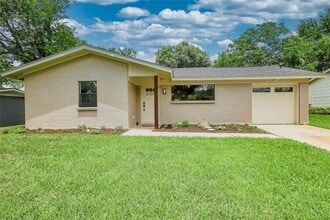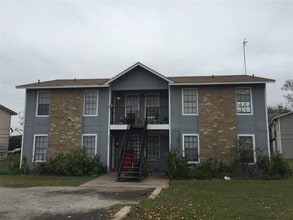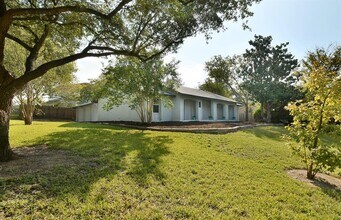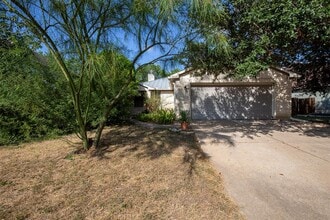
Loyola Junction
6525 Ed Bluestein Blvd,
Austin, TX 78724
$1,408 - $2,375
1-2 Beds

Area Guide
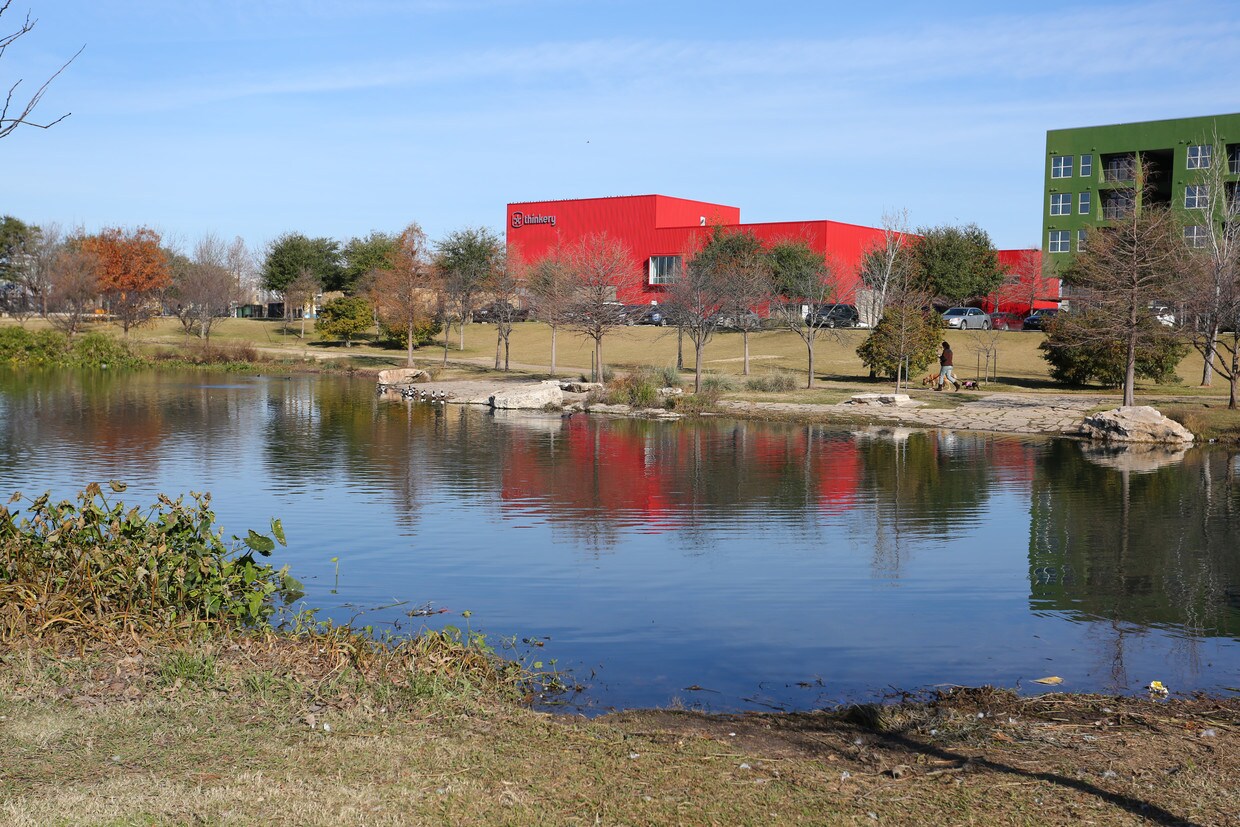
University Hills is a quaint suburban neighborhood just a few miles northeast of Downtown Austin and the University of Texas at Austin. From Texas football games and art museums to the Texas Capitol and divine local restaurants, everything is at your fingertips when you live in University Hills!
This charming neighborhood attracts residents looking for quiet residential streets in a park-like atmosphere. Community parks, tree-lined streets, and welcoming neighbors await you just minutes from the hustle and bustle of Texas’s capital city. Supermarkets, convenience stores, public schools, and more line the outer streets of this suburban neighborhood, giving you nearby conveniences, affordable apartments, a peaceful lifestyle, and unbeatable proximity to Austin’s greatest attractions and amenities!
As of September 2026, the average apartment rent in University Hills is $890 for a studio, $986 for one bedroom, and $1,288 for two bedrooms. Apartment rent in University Hills has increased by 0.2% in the past year.
Studio
500 sq ft
Average Sq Ft
$890/month
Average Rent
1 BR
682 sq ft
Average Sq Ft
$986/month
Average Rent
2 BR
1,050 sq ft
Average Sq Ft
$1,288/month
Average Rent
Explore how walkable, bikeable, drivable, and transit-friendly University Hills - Austin, TX is for everyday living.
Fairly Walkable
Walkability
Limited Public Transit
Transit
Very Drivable
Drivability
Fairly Bikeable
Bikeability
University Hills - Austin, TX offers all daily essentials, but they’re limited to a few main areas.
Supermarket Within a 15 Minute Walk
Groceries
Good Restaurant Variety Nearby
Restaurants
Limited Café Variety Nearby
Cafes
Good Variety of Shops Nearby
Shopping
Recreation options in University Hills - Austin, TX are limited, so staying active may require more planning.
Large Amount of Park Space Nearby
Parks
Limited Wellness Amenity Variety Nearby
Wellness
Get a sense of what it’s like to live in University Hills - Austin, TX from everyday activity to noise and nightlife.
Mostly Calm Atmosphere
Vibrancy
Limited Nightlife Variety Nearby
Nightlife
Not Noisy
Quiet Score


Current Resident
7 years and 8 months ago•Niche Review
Overall it's a very welcoming community full of a diverse array of people. There is however at times dangerous drivers.
Niche User
10 years and 5 months ago•Niche Review
The area is really quite, not many people would cause trouble for their neighbor or anyone in the neighborhood. Most people have pets or kids so there a lot of playing around so parents are outside checking on them.
Niche User
10 years and 5 months ago•Niche Review
Going outside I can see the trees and the nature.
Niche User
10 years and 5 months ago•Niche Review
Around the community businesses has grown.
† Our analysis of utilities, groceries, transportation, healthcare, home prices, and other goods and services is sourced from the Cost of Living Index, a respected benchmark published by the Council for Community and Economic Research (C2ER) that provides a thorough overview of living expenses across different regions.
Rent data is provided by CoStar Group’s Market Trend reports. As the industry leader in commercial real estate information, analytics, and news, CoStar conducts extensive research to produce and maintain a comprehensive database of commercial real estate information. We combine this data with public record to provide the most up-to-date rental information available.
Consumer goods, services, and home prices are sourced from the Cost of Living Index published by the Council for Community and Economic Research (C2ER). The data on this page is updated quarterly. It was last published in September 2026.
Demographic information comes from Neustar and combines detailed address data with U.S. Census and American Community Survey statistics to produce reliable local estimates.