Median Age
33 Years
Largest Age Group
20-29 Years
Approximately 20% of Residents
Under 20
24%
Over 65
14%
Avg Rent
$1,462
Population
50,367
Renter Mix
68% Rent
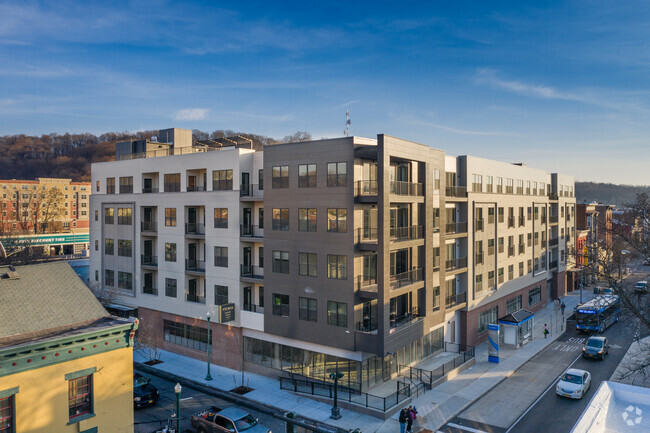
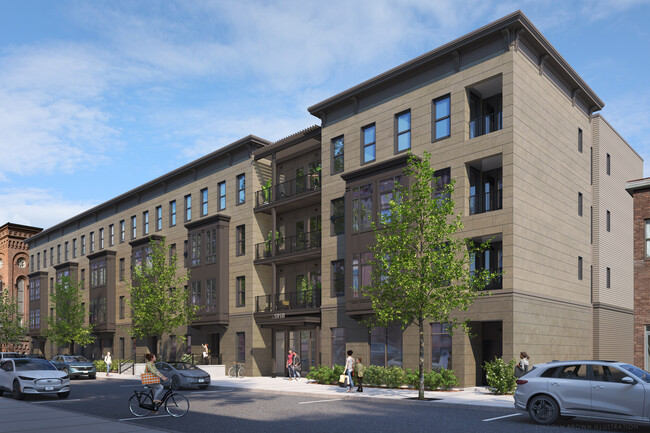
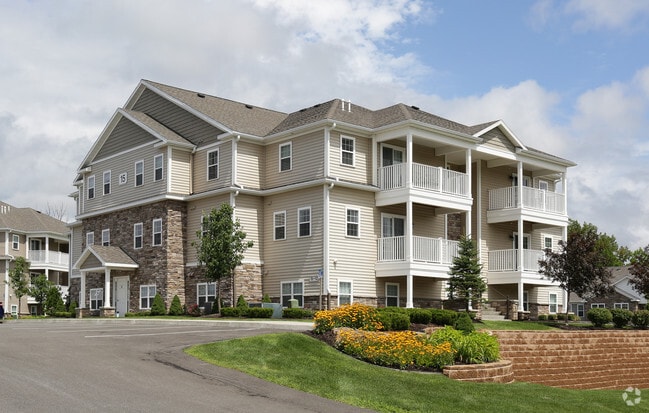
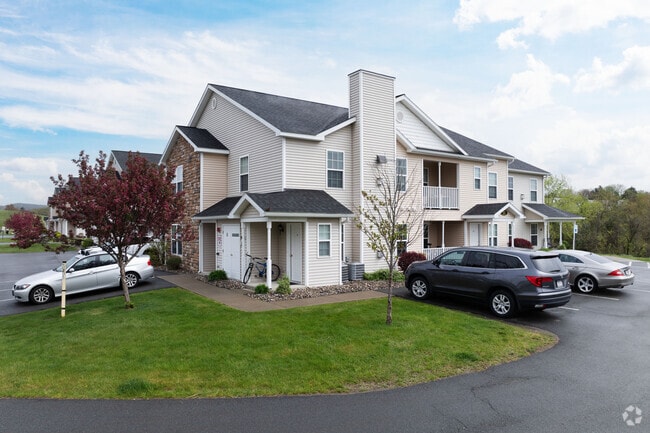
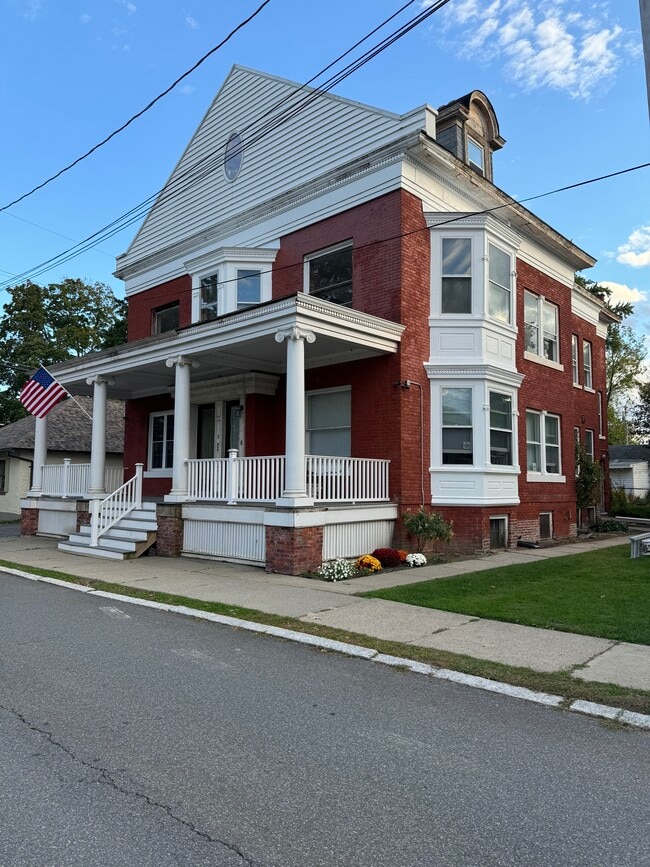
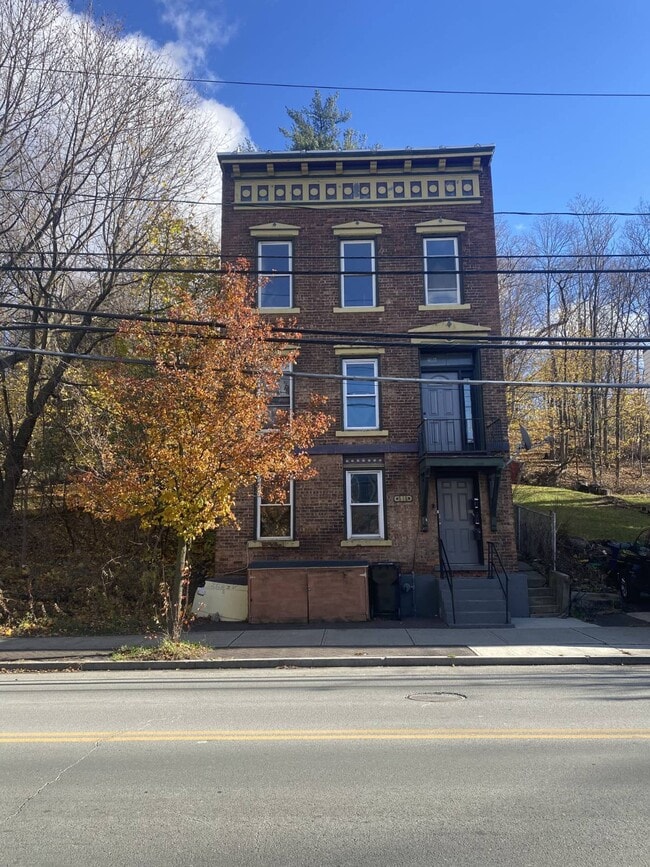
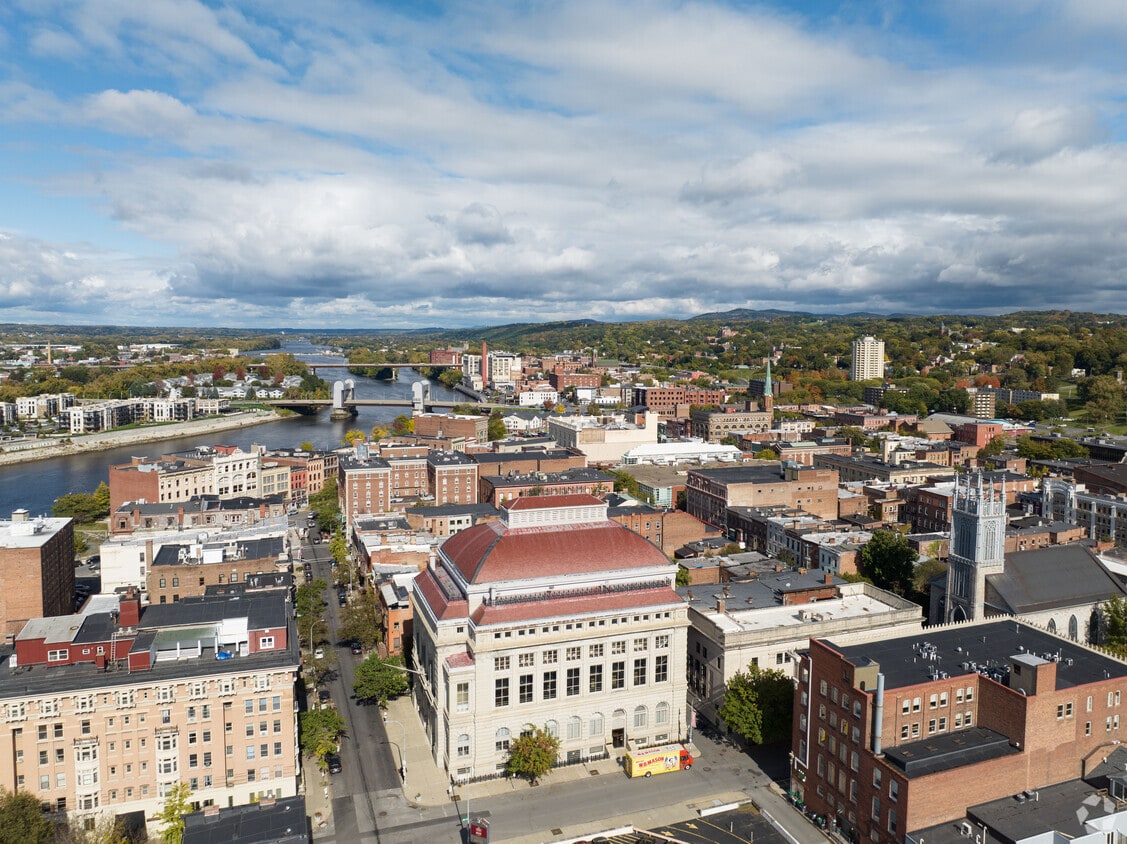
Troy sits on the eastern bank of the Hudson River just northeast of Albany, carrying the weight of a 19th-century industrial powerhouse that has steadily reinvented itself without losing its grit or character. Known as Collar City for its once-dominant collar and cuff manufacturing industry, Troy today anchors the Capital District with a mix of academic energy and deep architectural heritage. Rensselaer Polytechnic Institute, founded here in 1824 as the oldest technological university in the English-speaking world, and Russell Sage College both shape the city's intellectual atmosphere. Downtown revolves around Monument Square and River Street, where restored Victorian buildings and converted industrial spaces create a walkable core. The Washington Park Historic District offers beautifully preserved brownstones, while Lansingburgh to the north delivers classic brick rowhouses on quieter residential blocks. Renters can choose from lofts in repurposed historic structures, units within established apartment communities, and traditional multi-family homes spread across distinct neighborhoods. Troy Night Out, held on the last Friday of each month, turns downtown into an open gallery and live music circuit, reflecting a local arts scene that continues to draw creative energy into this resilient Hudson River city.
Median Household Income
$47,601
Average: $68,028
Education
13,176
Residents Have a Degree
Job Market
23,623
Workers Employed
Median Age
33 Years
Largest Age Group
20-29 Years
Approximately 20% of Residents
Under 20
24%
Over 65
14%
Housing Distribution
Troy has more renters than homeowners.

Education Distribution
Review this city's overall education levels.

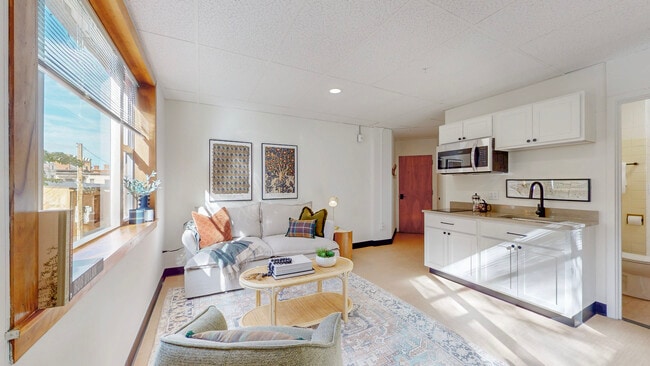
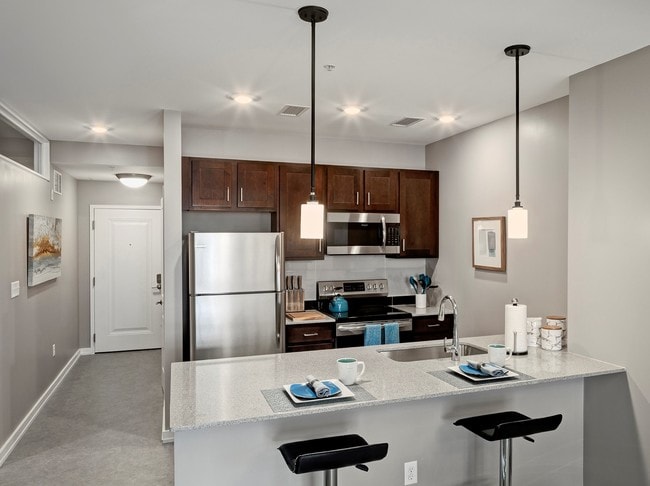
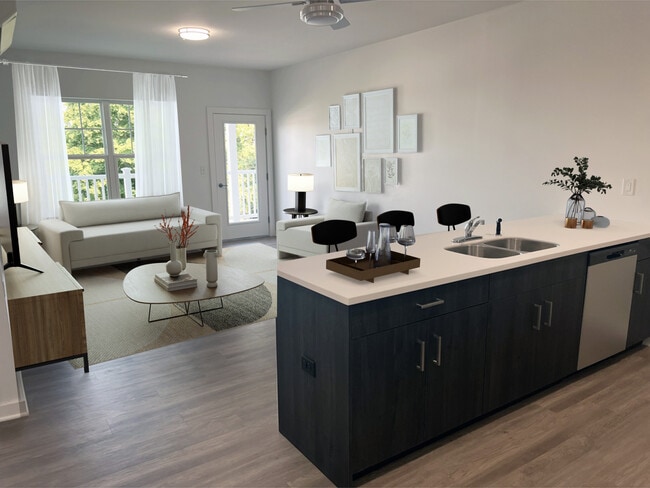
As of July 2026, the average apartment rent in Troy, NY is $1,360 for a studio, $1,460 for one bedroom, $1,641 for two bedrooms, and $2,412 for three bedrooms. Apartment rent in Troy has increased by 3.1% in the past year.
Explore how walkable, bikeable, drivable, and transit-friendly Troy, NY is for everyday living.
Moderately Walkable
Walkability
Some Public Transit
Transit
Very Drivable
Drivability
Fairly Bikeable
Bikeability

Public
Grades PK-8
307 Students

Public
Grades PK-5
458 Students

Public
Grades K-5
305 Students
True North Troy Preparatory Charter School
Public
Grades K-12
761 Students

Rensselaer Park Elementary School
Public
Grades K-5
419 Students
Public
Grades PK-8
307 Students
True North Troy Preparatory Charter School
Public
Grades K-12
761 Students
Public
Grades 6-8
733 Students

Tamarac Middle School High School
Public
Grades PK-12
576 Students
Public
Grades 6-8
474 Students
True North Troy Preparatory Charter School
Public
Grades K-12
761 Students
Public
Grades 9-12
1,205 Students
Lansingburgh Senior High School
Public
Grades 9-12
625 Students
Tamarac Middle School High School
Public
Grades PK-12
576 Students
 The GreatSchools Rating helps parents compare schools within a state based on a variety of school quality indicators and provides a helpful picture of how effectively each school serves all of its students. Ratings are on a scale of 1 (below average) to 10 (above average) and can include test scores, college readiness, academic progress, advanced courses, equity, discipline and attendance data. We also advise parents to visit schools, consider other information on school performance and programs, and consider family needs as part of the school selection process.
View GreatSchools Rating Methodology
Data provided by
GreatSchools.org
© 2026. All rights reserved.
The GreatSchools Rating helps parents compare schools within a state based on a variety of school quality indicators and provides a helpful picture of how effectively each school serves all of its students. Ratings are on a scale of 1 (below average) to 10 (above average) and can include test scores, college readiness, academic progress, advanced courses, equity, discipline and attendance data. We also advise parents to visit schools, consider other information on school performance and programs, and consider family needs as part of the school selection process.
View GreatSchools Rating Methodology
Data provided by
GreatSchools.org
© 2026. All rights reserved.
† Our analysis of utilities, groceries, transportation, healthcare, home prices, and other goods and services is sourced from the Cost of Living Index, a respected benchmark published by the Council for Community and Economic Research (C2ER) that provides a thorough overview of living expenses across different regions.
Rent data is provided by CoStar Group’s Market Trend reports. As the industry leader in commercial real estate information, analytics, and news, CoStar conducts extensive research to produce and maintain a comprehensive database of commercial real estate information. We combine this data with public record to provide the most up-to-date rental information available.
Consumer goods, services, and home prices are sourced from the Cost of Living Index published by the Council for Community and Economic Research (C2ER). The data on this page is updated quarterly. It was last published in June 2026.
Demographic information comes from Neustar and combines detailed address data with U.S. Census and American Community Survey statistics to produce reliable local estimates.