Background Image

Torrington, CT Area Guide

Avg Rent

$1,139

Population

35,342

Renter Mix

37% Rent

A classic small-town atmosphere on the banks of the Naugatuck River

Rural Safe Low Crime

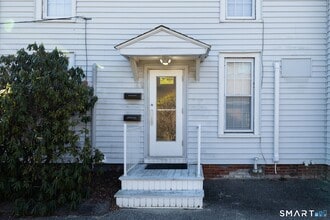
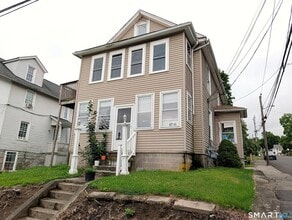
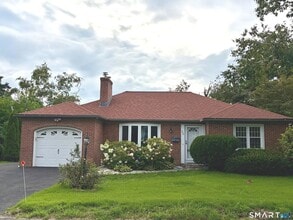
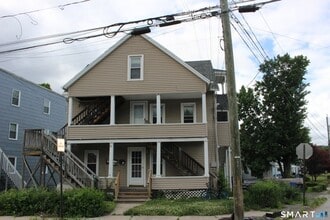
Sitting in the Naugatuck River Valley at the heart of Litchfield County, Torrington is the largest city in northwestern Connecticut and carries the feel of a compact New England city with a lot of open space nearby. Residents can walk the sidewalks of the historic Main Street district, dine along Water Street, and reach state forests and hiking trails within a few miles of downtown. The city is about 23 miles west of Hartford, which puts it within reasonable commuting distance of a major employment center without the congestion of a larger metro. The Nutmeg Conservatory for the Arts, a nationally recognized ballet training program, calls Torrington home and performs at the Warner Theatre on Main Street. Day-to-day life in Torrington centers on its walkable downtown core, with shopping, restaurants, and parks all accessible within a short drive or on foot. The surrounding neighborhoods of Torringford, Burrville, and West Torrington offer a quieter pace, with tree-lined streets and a mix of older New England architecture. The Warner Theatre, a 1,700-seat auditorium originally built in 1931 as a movie house by Warner Bros., is a well-known local gathering spot for live performances and events. The rental market in Torrington includes a range of options, from single-family homes and two- and three-family houses to garden apartments and low-rise apartment communities. Townhomes and converted multi-unit properties are also common, particularly in and around the downtown core.

Demographics

Median Household Income

$64,278

Average: $84,314

Education

7,431

Residents Have a Degree

Job Market

18,155

Workers Employed

Age Distribution
Get a sense of this area's population profile.

Median Age

45 Years

Largest Age Group

55-64 Years

Approximately 15% of Residents

Under 20

21%

Over 65

22%

Housing Distribution

Torrington has more homeowners than renters.

Renters
37%
Non-Renters
63%

Education Distribution

Review this city's overall education levels.

Bachelor's or Higher
18%
Other Education
82%

Rent Trends

As of July 2026, the average apartment rent in Torrington, CT is $1,169 for a studio, $1,139 for one bedroom, $1,369 for two bedrooms, and $1,962 for three bedrooms. Apartment rent in Torrington has increased by 1.2% in the past year.

Property Type
Average Rent
Average Sq Ft
Apartment
$1,139/month
753 Sq Ft
House
$3,733/month
2,246 Sq Ft
See Rental Market Trends in Torrington, CT

Learn More About Torrington

Getting Around

Somewhat Walkable

Walkability

30 / 100

Very Drivable

Drivability

80 / 100

Somewhat Bikeable

Bikeability

20 / 100

Schools

Forbes School

Public

Grades K-5

309 Students

Southwest School

Public

Grades K-5

289 Students

Torringford School

Public

Grades PK-5

583 Students

Vogel-Wetmore School

Public

Grades PK-5

529 Students

East School

Public

Grades K-12

363 Students

Torrington Middle School

Public

Grades 6-8

975 Students

East School

Public

Grades K-12

363 Students

Oliver Wolcott Technical High School

Public

Grades 9-12

618 Students

Torrington High School

Public

Grades 9-12

1,034 Students

East School

Public

Grades K-12

363 Students

Points of Interest

Parks and Recreation

  • John A. Minetto State Park
  • Action Wildlife
  • Burr Pond State Park
  • Topsmead State Forest
  • Mohawk State Forest

Airports

  • Bradley International

Top Apartments in Torrington

Houses for Rent in Torrington

Living in Torrington

History

-

Downtown Torrington is listed on the National Register of Historic Places as the Downtown Torrington Historic District, and a walk along Main Street or Water Street gives a clear sense of the city's 19th- and early 20th-century commercial roots. The Water Street Historic District, the Migeon Avenue Historic District, and the Torringford Street Historic District are all separately listed on the National Register, meaning there are multiple pockets of preserved architecture spread across the city for those who appreciate older New England building styles. The Warner Theatre, also listed on the Register, stands as one of the most recognized structures downtown, its Art Deco-influenced facade largely intact since 1931. Coe Memorial Park, a Victorian-era park in the heart of downtown, was restored in the early 2000s and features botanical gardens, walking paths, and relocated monuments. The park was originally gifted to the city in 1906, and a multi-year restoration effort returned it to something close to its original design. The Torrington Historical Society and the Torrington Road Race, which has been held each August since 1972, are both touchstones of local culture that connect current residents to the city's longer story.

Restaurants

-

Torrington's dining scene reflects a broad mix of American comfort food, Italian cooking, and casual neighborhood spots. Italian cuisine has deep roots in the area, a reflection of the wave of Italian immigrants who settled here in the late 1800s and early 1900s, and locally owned Italian restaurants remain a fixture of the dining landscape. The Venetian Restaurant, a long-standing Italian-American establishment in Torrington, has been operating for several decades and is considered a local institution. Beyond Italian, residents will find casual American diners, pizza shops, sandwich spots, and a growing number of casual eateries along and near the downtown corridor. The annual Main Street Marketplace, which runs on summer weeknights and has brought out thousands of visitors per event since 2009, features food vendors alongside artisan exhibitors and live entertainment, giving the dining scene a seasonal street-food dimension.

Transportation

-

Getting around Torrington is largely car-dependent, as is typical for smaller Connecticut cities outside the major metro corridors. Three primary state routes converge downtown: Route 8, which runs north-south through the Naugatuck River Valley; Route 4, which heads east toward Hartford; and U.S. Route 202. Routes 183 and 272 also serve the city. For those who prefer public transit, the Northwestern Connecticut Transit District operates fixed-route bus service in and around Torrington, and connecting service to Waterbury is available through Northeast Transportation Company. Waterbury, about 22 miles to the south, has a Metro-North commuter rail station that provides service toward New Haven and New York City. Bradley International Airport in Windsor Locks is approximately 35 miles away and serves as the closest major commercial airport, with a drive of roughly an hour depending on conditions.

Parks

-

Torrington has a solid mix of city parks and nearby state lands. Coe Memorial Park, located downtown, is a Victorian-style green space with botanical gardens, paved walking paths, and memorial monuments, and it serves as the start and finish point for the annual Torrington Road Race. Fuessenich Park is a larger recreational facility with athletic fields and has historically hosted baseball at a semi-professional and collegiate level. Outside the city limits, Burr Pond State Park is just under six miles away and offers swimming, fishing, picnic areas, and trails around a scenic pond. John A. Minetto State Park and Sunny Brook State Park are also within a short drive north of the city. Paugnut State Forest, which covers a large stretch of the city's northern border, provides extensive hiking and nature access. Topsmead State Forest in nearby Litchfield, about 17 minutes away, adds another destination with open meadows, a historic cottage, and maintained trails.

Cost

-

Rent in Torrington runs well below the Connecticut state average. Average rent for a one-bedroom apartment is approximately $845 per month, compared to the statewide average of around $1,334 for the same unit size. Two-bedroom apartments average around $995 per month, and three-bedroom units average approximately $1,129. The median household income in Torrington is about $64,278. Cost of living index data specific to Torrington was not available at the time of publication, but as the largest city in Litchfield County and a smaller market within Connecticut, Torrington generally reflects housing and living costs more typical of smaller inland Connecticut cities than of coastal or metro-adjacent communities.

Shopping

-

Torrington's retail activity is concentrated along a few main corridors. The downtown Main Street and Water Street area functions as the city's traditional commercial core, with a mix of locally owned shops, service businesses, and dining options. Winsted Road to the north of downtown is home to a commercial strip with grocery anchors, national retailers, and service-oriented businesses. GQ Plaza and nearby shopping centers along the Winsted Road corridor offer additional retail variety. The Main Street Marketplace, a summer weekly outdoor market that began in 2009, brings vendors, artisans, and food sellers to the downtown streetscape each summer, closing off Main Street between Water and Alvord Streets for the event. Waterbury, about 22 miles south, expands shopping options significantly with regional malls and big-box retail.

Highlights

-

Torrington is the largest city in Litchfield County and northwest Connecticut, home to the nationally recognized Nutmeg Conservatory for the Arts, a Warner Bros.-built 1931 theatre listed on the National Register of Historic Places, multiple historic districts, and some of the most affordable rents in the state of Connecticut.

Search Nearby Rentals

Methodology

† Our analysis of utilities, groceries, transportation, healthcare, home prices, and other goods and services is sourced from the Cost of Living Index, a respected benchmark published by the Council for Community and Economic Research (C2ER) that provides a thorough overview of living expenses across different regions.

Rent data is provided by CoStar Group’s Market Trend reports. As the industry leader in commercial real estate information, analytics, and news, CoStar conducts extensive research to produce and maintain a comprehensive database of commercial real estate information. We combine this data with public record to provide the most up-to-date rental information available.

Consumer goods, services, and home prices are sourced from the Cost of Living Index published by the Council for Community and Economic Research (C2ER). The data on this page is updated quarterly. It was last published in June 2026.

Demographic information comes from Neustar and combines detailed address data with U.S. Census and American Community Survey statistics to produce reliable local estimates.