Median Age
37 Years
Largest Age Group
5-14 Years
Approximately 15% of Residents
Under 20
29%
Over 65
17%

Tarrant, Alabama carries a quiet, close-knit identity that sets it apart from the surrounding bustle of the greater Birmingham metro. Incorporated in the early twentieth century, this small city grew alongside the industrial expansion that defined Jefferson County, and that working heritage still shapes its character today. Tarrant sits just northeast of Birmingham, giving residents easy access to the employment hubs, medical centers, and universities that make the region one of the Southeast's most dynamic, including the University of Alabama at Birmingham and its sprawling research and healthcare corridor.
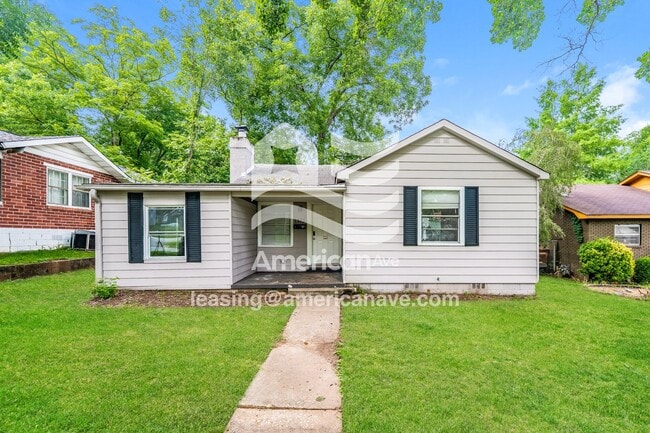
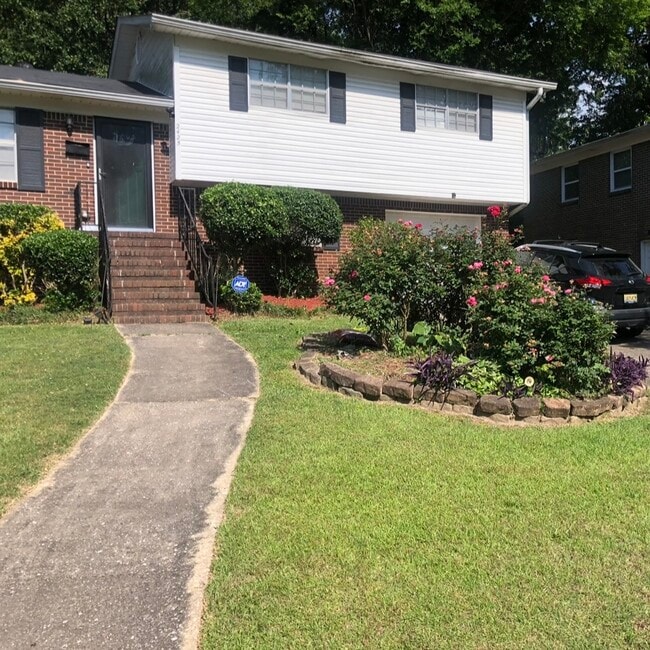
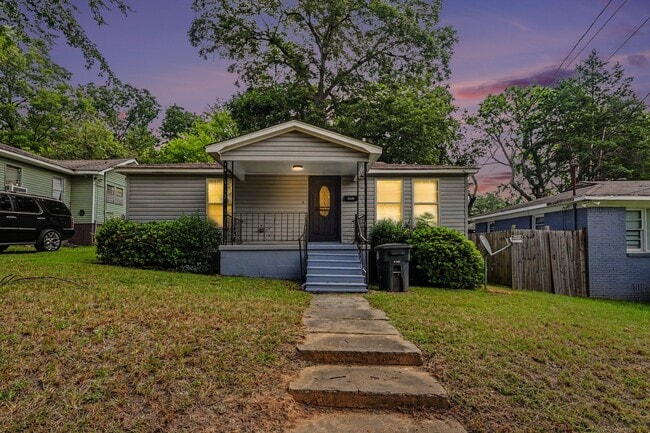
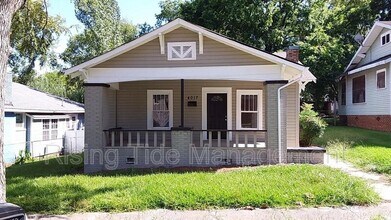
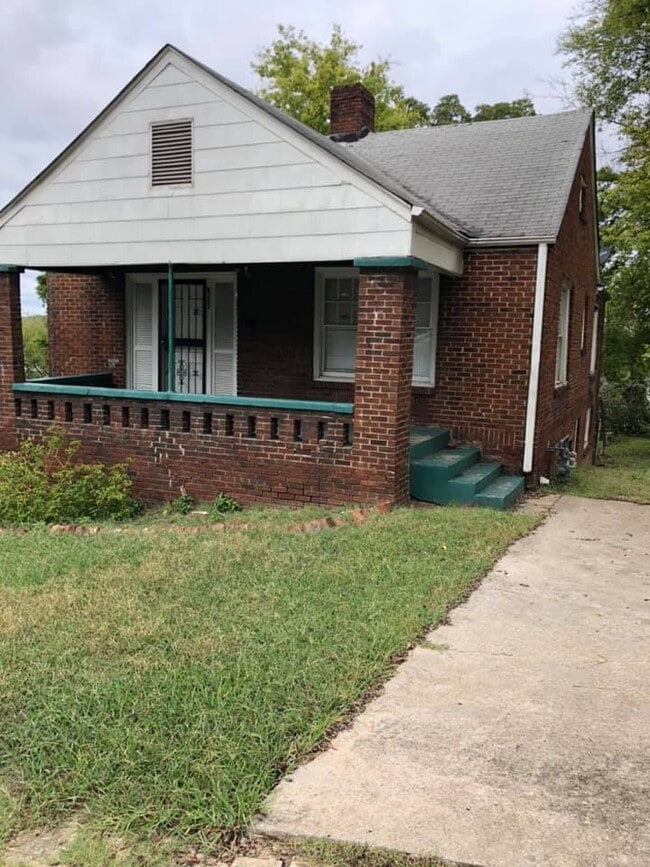
The city offers a range of housing options that appeal to a variety of renters. Older brick bungalows and craftsman-style homes share the landscape with modest apartment communities that deliver affordability without sacrificing convenience. The housing stock reflects Tarrant's deep roots while newer rental options continue to emerge to meet growing interest in the area.
Life in Tarrant moves at a comfortable pace. Neighbors tend to know one another, community pride runs deep, and the city's compact size means everyday essentials are always within reach. With Birmingham's cultural institutions, sports venues, and dining scene just minutes away, Tarrant offers a grounded, accessible base for anyone looking to plant roots in the heart of central Alabama.
Median Household Income
$38,083
Average: $54,598
Education
771
Residents Have a Degree
Job Market
2,785
Workers Employed
Median Age
37 Years
Largest Age Group
5-14 Years
Approximately 15% of Residents
Under 20
29%
Over 65
17%
Housing Distribution
Tarrant has more renters than homeowners.

Education Distribution
Review this city's overall education levels.

Explore how walkable, bikeable, drivable, and transit-friendly Tarrant, AL is for everyday living.
Somewhat Walkable
Walkability
Exceptionally Drivable
Drivability
Somewhat Bikeable
Bikeability

Public
Grades PK-5
281 Students

Public
Grades K-5
377 Students

Public
Grades 6-12
563 Students

Public
Grades 7-9
313 Students
Public
Grades 6-12
563 Students
 The GreatSchools Rating helps parents compare schools within a state based on a variety of school quality indicators and provides a helpful picture of how effectively each school serves all of its students. Ratings are on a scale of 1 (below average) to 10 (above average) and can include test scores, college readiness, academic progress, advanced courses, equity, discipline and attendance data. We also advise parents to visit schools, consider other information on school performance and programs, and consider family needs as part of the school selection process.
View GreatSchools Rating Methodology
Data provided by
GreatSchools.org
© 2026. All rights reserved.
The GreatSchools Rating helps parents compare schools within a state based on a variety of school quality indicators and provides a helpful picture of how effectively each school serves all of its students. Ratings are on a scale of 1 (below average) to 10 (above average) and can include test scores, college readiness, academic progress, advanced courses, equity, discipline and attendance data. We also advise parents to visit schools, consider other information on school performance and programs, and consider family needs as part of the school selection process.
View GreatSchools Rating Methodology
Data provided by
GreatSchools.org
© 2026. All rights reserved.
† Our analysis of utilities, groceries, transportation, healthcare, home prices, and other goods and services is sourced from the Cost of Living Index, a respected benchmark published by the Council for Community and Economic Research (C2ER) that provides a thorough overview of living expenses across different regions.
Rent data is provided by CoStar Group’s Market Trend reports. As the industry leader in commercial real estate information, analytics, and news, CoStar conducts extensive research to produce and maintain a comprehensive database of commercial real estate information. We combine this data with public record to provide the most up-to-date rental information available.
Consumer goods, services, and home prices are sourced from the Cost of Living Index published by the Council for Community and Economic Research (C2ER). The data on this page is updated quarterly. It was last published in September 2026.
Demographic information comes from Neustar and combines detailed address data with U.S. Census and American Community Survey statistics to produce reliable local estimates.