Is Birmingham a Good Place to Live?
Thinking about moving to Birmingham? Weigh the pros and cons with our comprehensive guide.



Avg Rent
$1,193
Population
213,610
Renter Mix
57% Rent
Birmingham, Alabama carries the kind of energy that builds quietly and announces itself boldly. Once the industrial core of the South, the city has evolved into a regional hub for medicine, finance, and education, anchored by institutions like the University of Alabama at Birmingham, one of the nation's leading research universities and health systems. That academic and medical presence shapes the city's economy and draws a steady stream of people looking to put down roots.
Neighborhoods like Avondale, Lakeview, and Homewood each bring their own character, ranging from restored bungalows and craftsman cottages to sleek new construction. The Five Points South area pulses with cultural history, while Southside offers a dense, walkable feel close to UAB's campus. Whether you lean toward a quiet residential street or a walkable district with plenty going on, Birmingham has a pocket to match.
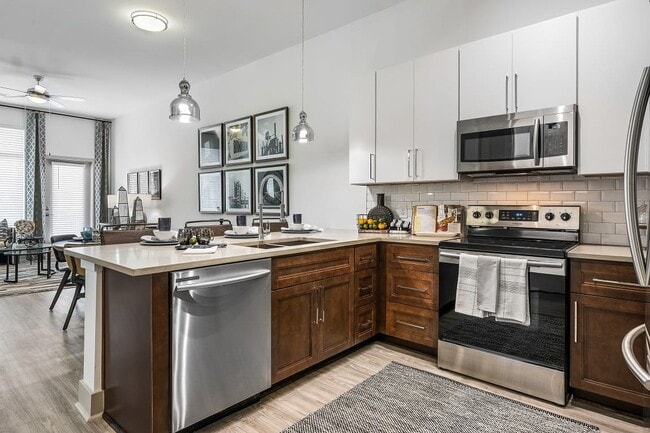
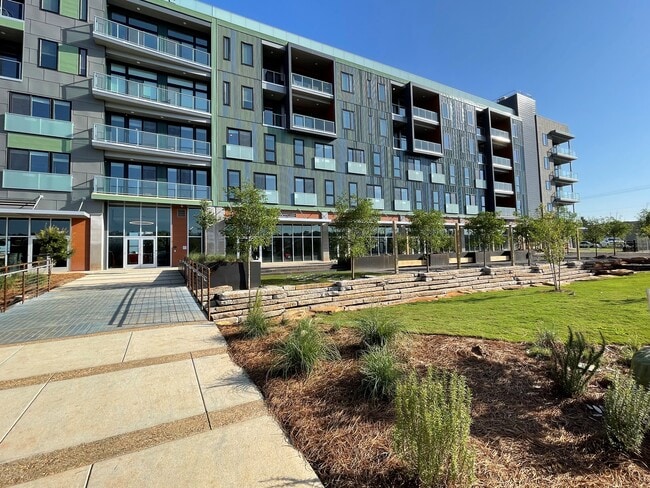
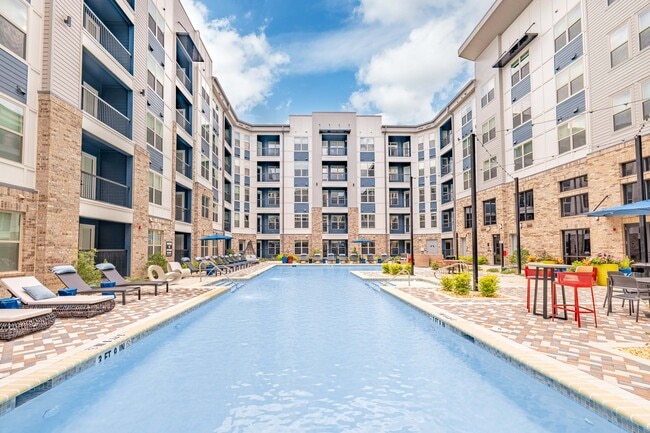
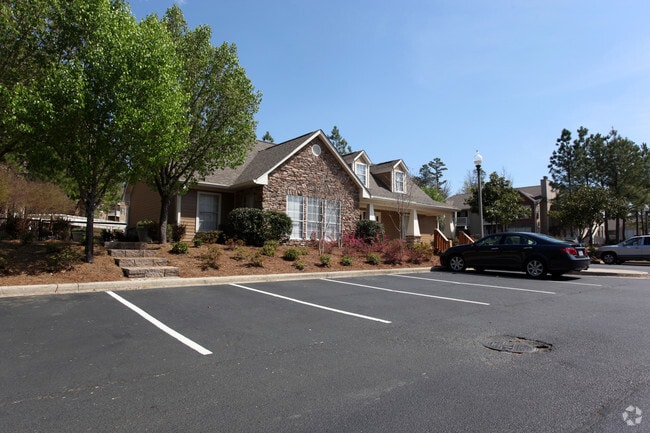
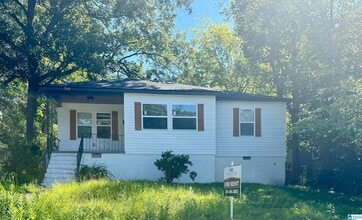
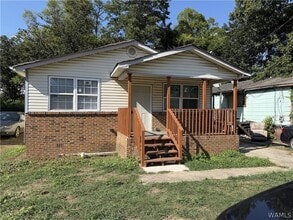
The rental market reflects that variety. Apartment communities here range from converted loft spaces in repurposed industrial buildings to modern high-rises and townhome-style rentals. Older brick buildings with character sit alongside newly developed communities offering resort-style amenities. Birmingham's cost of living remains well below the national average, making it one of the more accessible Southern cities for renters seeking space, style, and substance.
City Profile Image
Median Household Income
$39,726
Average: $59,340
Education
53,613
Residents Have a Degree
Job Market
96,629
Workers Employed
Median Age
38 Years
Largest Age Group
25-34 Years
Approximately 16% of Residents
Under 20
23%
Over 65
19%
Housing Distribution
Birmingham has more renters than homeowners.

Education Distribution
Review this city's overall education levels.

As of September 2026, the average apartment rent in Birmingham, AL is $1,012 for a studio, $1,195 for one bedroom, $1,307 for two bedrooms, and $1,617 for three bedrooms. Apartment rent in Birmingham has increased by 1.3% in the past year.
The cost of living in Birmingham, AL is 10.1% lower than the national average. Generally, housing in Birmingham is 23.9% less expensive than the national average, with rent falling between $1,012 - $1,617. You can expect to pay 0.5% less for groceries, 3.3% more for utilities, and 11.0% less for transportation.
Compare Cities

Is Birmingham a Good Place to Live?
Thinking about moving to Birmingham? Weigh the pros and cons with our comprehensive guide.

Best Neighborhoods in Birmingham, Alabama for Renters
Don’t know where to start your Magic City rental search? Here are the five best Bermingham neighborhoods for renters.

Apartment Moving Day Tips and Tricks
From prep checklists to moving furniture, here’s how to survive—and enjoy—apartment moving day.
Explore how walkable, bikeable, drivable, and transit-friendly Birmingham, AL is for everyday living.
Somewhat Walkable
Walkability
Limited Public Transit
Transit
Exceptionally Drivable
Drivability
Somewhat Bikeable
Bikeability

Oak Mountain Elementary School
Public
Grades PK-5
645 Students

Oak Mountain Intermediate School
Public
Grades K-5
626 Students
Public
Grades K-5
498 Students
Public
Grades PK-8
564 Students

Public
Grades PK-8
549 Students
Public
Grades 6-8
1,157 Students
Mountain Brook Junior High School
Public
Grades 6-8
1,004 Students
Public
Grades PK-8
564 Students
Public
Grades PK-8
549 Students
Public
Grades PK-8
608 Students

Public
Grades 9-12
752 Students
Public
Grades 9-12
1,603 Students

Public
Grades 6-12
307 Students

Public
Grades 6-12
807 Students

Jefferson County Virtual School
Public
Grades K-12
269 Students

 The GreatSchools Rating helps parents compare schools within a state based on a variety of school quality indicators and provides a helpful picture of how effectively each school serves all of its students. Ratings are on a scale of 1 (below average) to 10 (above average) and can include test scores, college readiness, academic progress, advanced courses, equity, discipline and attendance data. We also advise parents to visit schools, consider other information on school performance and programs, and consider family needs as part of the school selection process.
View GreatSchools Rating Methodology
Data provided by
GreatSchools.org
© 2026. All rights reserved.
The GreatSchools Rating helps parents compare schools within a state based on a variety of school quality indicators and provides a helpful picture of how effectively each school serves all of its students. Ratings are on a scale of 1 (below average) to 10 (above average) and can include test scores, college readiness, academic progress, advanced courses, equity, discipline and attendance data. We also advise parents to visit schools, consider other information on school performance and programs, and consider family needs as part of the school selection process.
View GreatSchools Rating Methodology
Data provided by
GreatSchools.org
© 2026. All rights reserved.
† Our analysis of utilities, groceries, transportation, healthcare, home prices, and other goods and services is sourced from the Cost of Living Index, a respected benchmark published by the Council for Community and Economic Research (C2ER) that provides a thorough overview of living expenses across different regions.
Rent data is provided by CoStar Group’s Market Trend reports. As the industry leader in commercial real estate information, analytics, and news, CoStar conducts extensive research to produce and maintain a comprehensive database of commercial real estate information. We combine this data with public record to provide the most up-to-date rental information available.
Consumer goods, services, and home prices are sourced from the Cost of Living Index published by the Council for Community and Economic Research (C2ER). The data on this page is updated quarterly. It was last published in September 2026.
Demographic information comes from Neustar and combines detailed address data with U.S. Census and American Community Survey statistics to produce reliable local estimates.