Median Age
43 Years
Largest Age Group
45-54 Years
Approximately 14% of Residents
Under 20
24%
Over 65
20%


Avg Rent
$1,298
Population
133,975
Renter Mix
22% Rent
Sugar Land grew from a 19th-century sugar plantation along the Brazos River into one of the largest and most well-regarded cities in Fort Bend County, sitting about 19 miles southwest of downtown Houston. The city carries a strong sense of intentional planning, with master-planned neighborhoods like First Colony, Telfair, and Riverstone each offering a distinct character while sharing the same tree-lined streets and community-focused design. Major employers and corporate campuses have taken root here, drawn by the skilled workforce and proximity to the Houston metro, giving the local economy a stable, diversified foundation. The Smart Financial Centre draws regional concert and event crowds, and Constellation Field hosts the Houston Astros' Triple-A affiliate, the Space Cowboys, adding a genuine sense of civic energy.
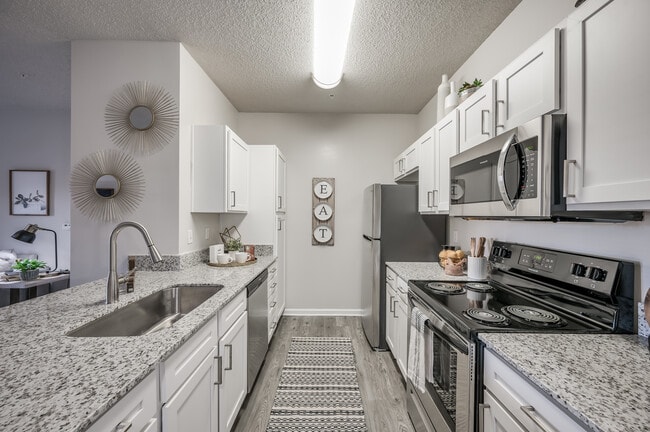
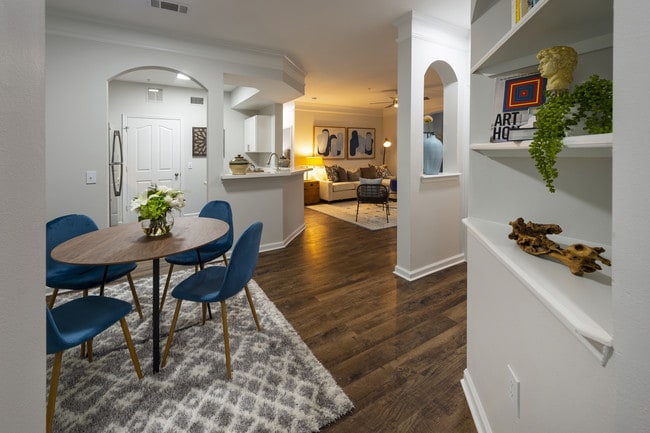
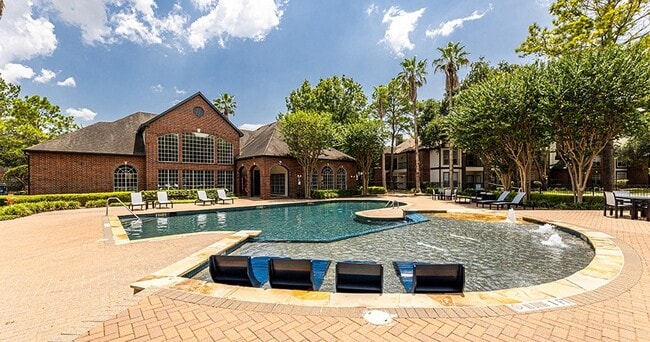
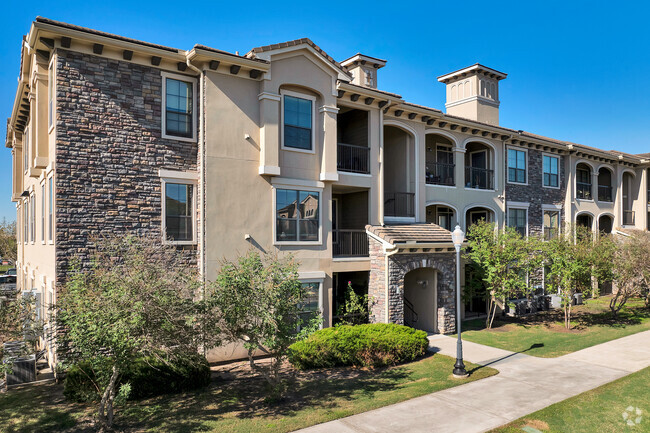
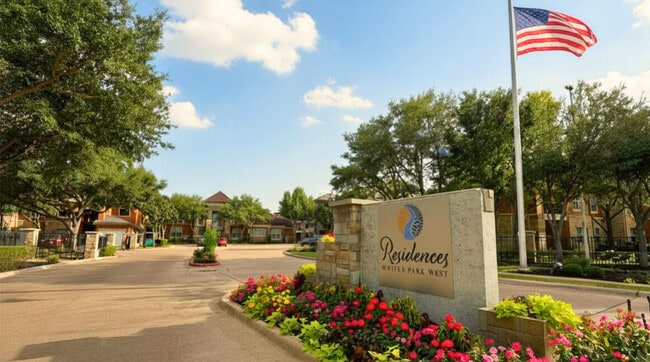
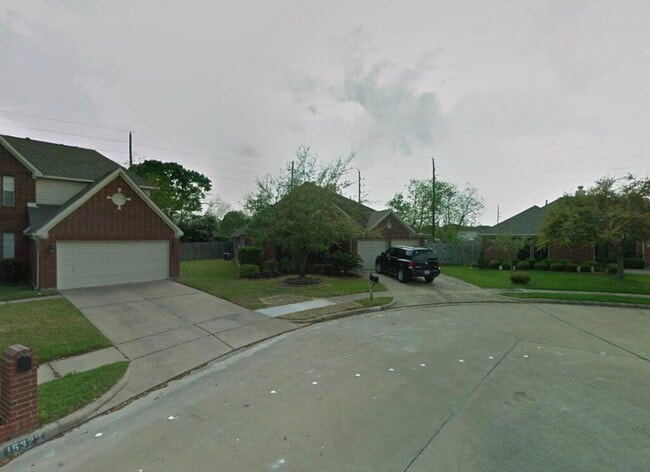
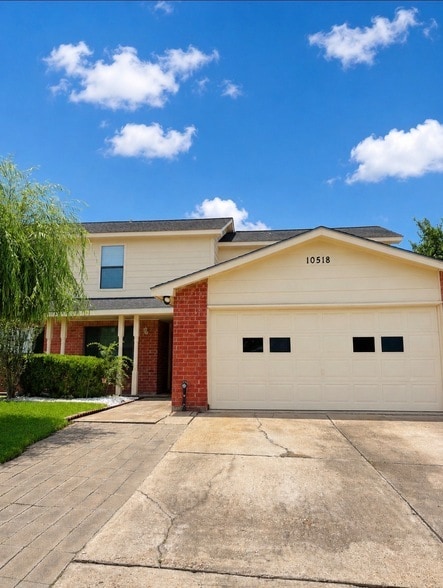
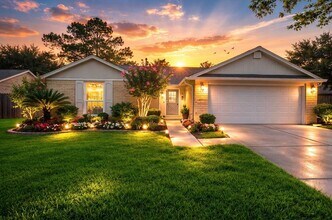
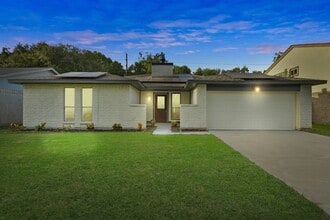
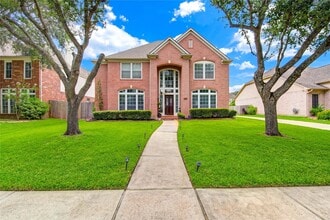
The housing mix reflects the city's range, from gated townhome communities and upscale apartment communities near Sugar Land Town Square to sprawling single-family rentals tucked inside planned subdivisions. Renters looking for space and access to a major metropolitan area without the density of an urban core tend to find Sugar Land a practical and appealing fit. The city spans 55 square miles and supports a population of roughly 134,000, maintaining a pace that feels grounded rather than frenetic.
Median Household Income
$115,312
Average: $145,715
Education
60,428
Residents Have a Degree
Job Market
68,532
Workers Employed
Median Age
43 Years
Largest Age Group
45-54 Years
Approximately 14% of Residents
Under 20
24%
Over 65
20%
Housing Distribution
Sugar Land has more homeowners than renters.

Education Distribution
Review this city's overall education levels.

As of September 2026, the average apartment rent in Sugar Land, TX is $1,300 for one bedroom, $1,657 for two bedrooms, and $1,981 for three bedrooms. Apartment rent in Sugar Land has decreased by -5.1% in the past year.
Explore how walkable, bikeable, drivable, and transit-friendly Sugar Land, TX is for everyday living.
Fairly Walkable
Walkability
Exceptionally Drivable
Drivability
Moderately Bikeable
Bikeability

Harmony School of Excellence - Sugar Land
Public
Grades K-8
1,471 Students

Anne McCormick Sullivan Elementary School
Public
Grades PK-5
1,053 Students
Walker Station Elementary School
Public
Grades PK-5
793 Students
Public
Grades PK-5
742 Students
Harmony Science Academy Sugar Land
Public
Grades K-5
729 Students
Public
Grades 6-8
1,503 Students
Public
Grades 6-8
1,498 Students
Public
Grades 6-8
1,498 Students
Harmony School of Excellence - Sugar Land
Public
Grades K-8
1,471 Students
Public
Grades 6-8
1,365 Students
Public
Grades 9-12
2,629 Students

Harmony School of Innovation-Sugar Land
Public
Grades 9-12
912 Students
Public
Grades 9-12
2,651 Students

Public
Grades 9-12
2,154 Students
Public
Grades 9-12
1,850 Students

 The GreatSchools Rating helps parents compare schools within a state based on a variety of school quality indicators and provides a helpful picture of how effectively each school serves all of its students. Ratings are on a scale of 1 (below average) to 10 (above average) and can include test scores, college readiness, academic progress, advanced courses, equity, discipline and attendance data. We also advise parents to visit schools, consider other information on school performance and programs, and consider family needs as part of the school selection process.
View GreatSchools Rating Methodology
Data provided by
GreatSchools.org
© 2026. All rights reserved.
The GreatSchools Rating helps parents compare schools within a state based on a variety of school quality indicators and provides a helpful picture of how effectively each school serves all of its students. Ratings are on a scale of 1 (below average) to 10 (above average) and can include test scores, college readiness, academic progress, advanced courses, equity, discipline and attendance data. We also advise parents to visit schools, consider other information on school performance and programs, and consider family needs as part of the school selection process.
View GreatSchools Rating Methodology
Data provided by
GreatSchools.org
© 2026. All rights reserved.
† Our analysis of utilities, groceries, transportation, healthcare, home prices, and other goods and services is sourced from the Cost of Living Index, a respected benchmark published by the Council for Community and Economic Research (C2ER) that provides a thorough overview of living expenses across different regions.
Rent data is provided by CoStar Group’s Market Trend reports. As the industry leader in commercial real estate information, analytics, and news, CoStar conducts extensive research to produce and maintain a comprehensive database of commercial real estate information. We combine this data with public record to provide the most up-to-date rental information available.
Consumer goods, services, and home prices are sourced from the Cost of Living Index published by the Council for Community and Economic Research (C2ER). The data on this page is updated quarterly. It was last published in September 2026.
Demographic information comes from Neustar and combines detailed address data with U.S. Census and American Community Survey statistics to produce reliable local estimates.