Median Age
38 Years
Largest Age Group
40-49 Years
Approximately 18% of Residents
Under 20
31%
Over 65
10%
Avg Rent
$2,601
Population
13,606
Renter Mix
16% Rent
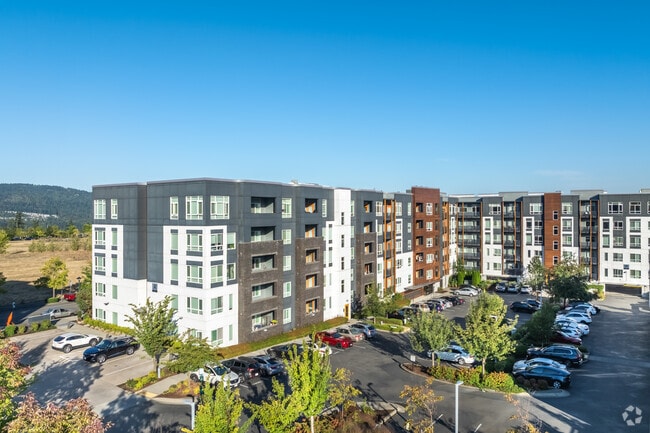
Snoqualmie, Washington, is a small but fast-growing city in King County where the Cascade foothills meet everyday Pacific Northwest life. Once a quiet timber town, Snoqualmie has evolved into one of the region's most sought-after communities, drawing renters who want breathing room without giving up access to greater Seattle, roughly 30 miles to the west. The city is perhaps best known for the dramatic 268-foot Snoqualmie Falls, a landmark that has drawn visitors for generations and earned a wider audience as a filming location for the iconic television series Twin Peaks.
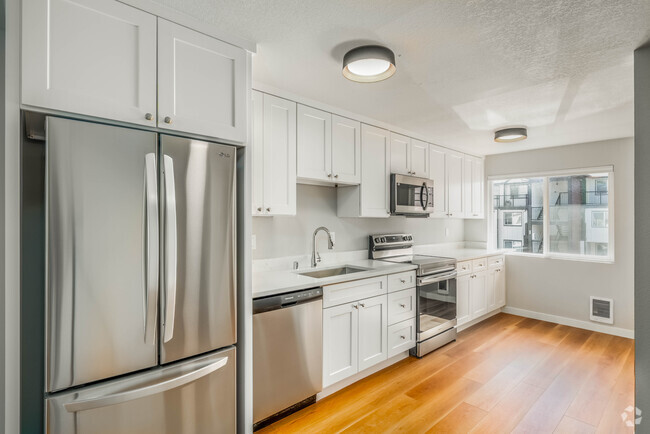
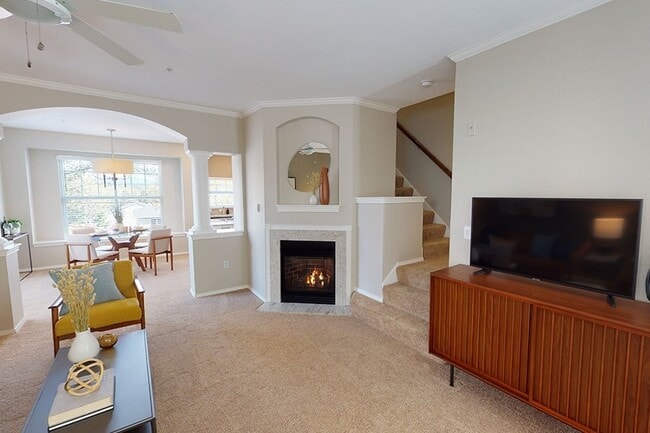
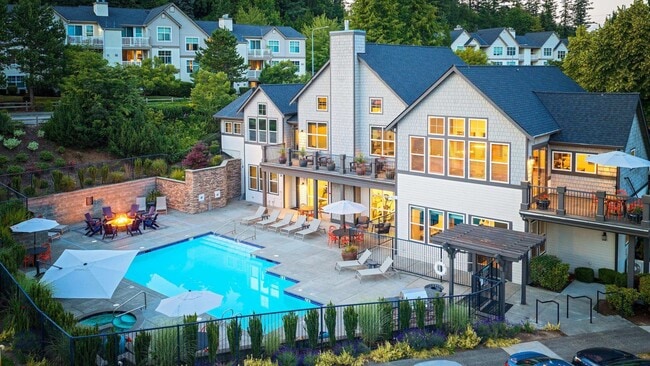
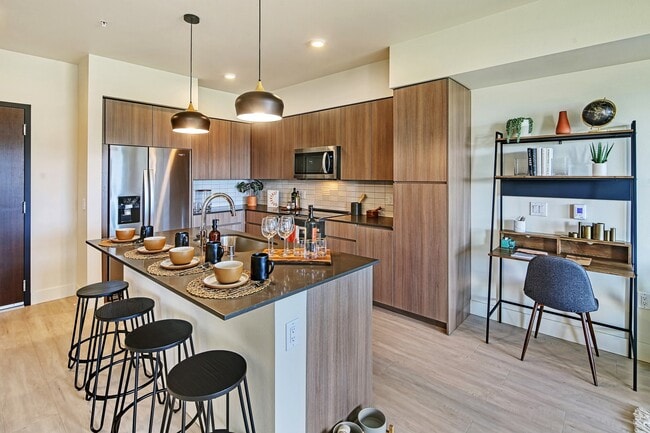
The Ridge, a master-planned community perched above the valley floor, defines much of Snoqualmie's newer residential character, offering sweeping mountain views alongside a mix of townhomes and single-family rentals. Closer to downtown, older neighborhoods carry a small-town warmth, with tree-lined streets and a historic train depot that still hosts scenic steam train excursions. Apartment communities here tend toward spacious layouts, with many offering attached garages and mountain or forest views that feel rare for renters coming from denser urban settings.
Snoqualmie sits within the Snoqualmie Valley School District and benefits from proximity to major tech employers in Bellevue and Redmond, making it a practical base for those who commute east or west along the I-90 corridor.
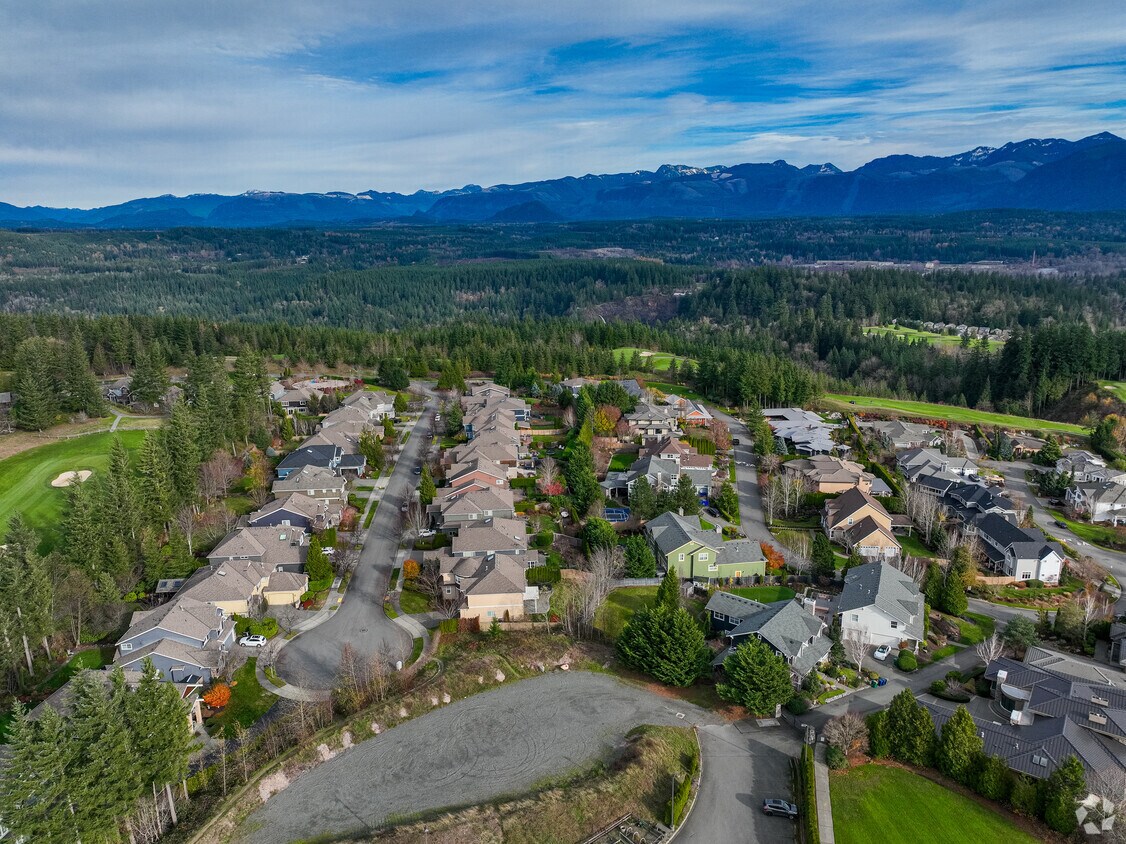
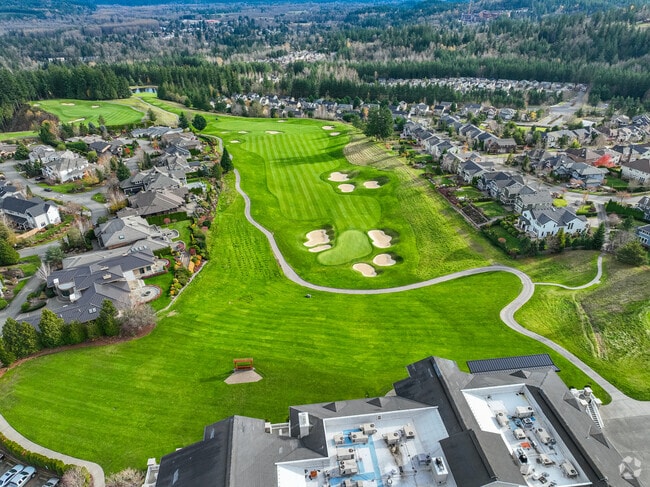
The Golf Club at Snoqualmie Ridge is flanked by homes.
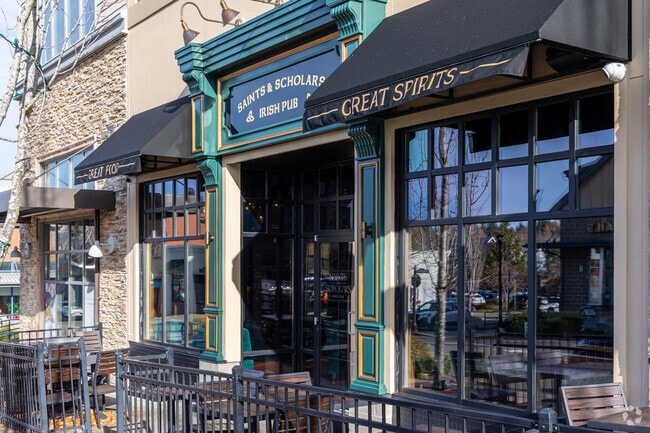
Local restaurants get packed during evenings and weekends in Snoqualmie.
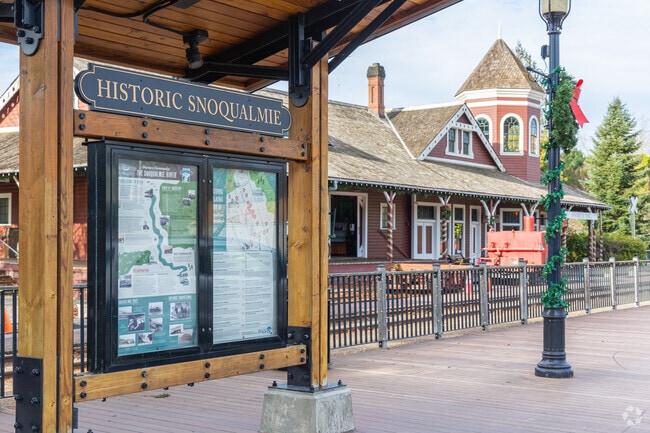
Historic downtown Snoqualmie is a wonderland of the area's past.
Spend the day with your dogs at Three Forks Off-Leash Dog Park in Snoqualmie.
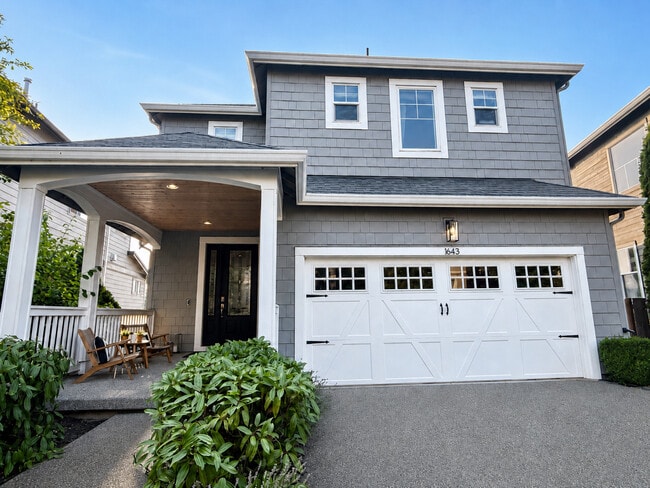
Take your dog for a walk around Snoqualmie's charming neighborhoods.
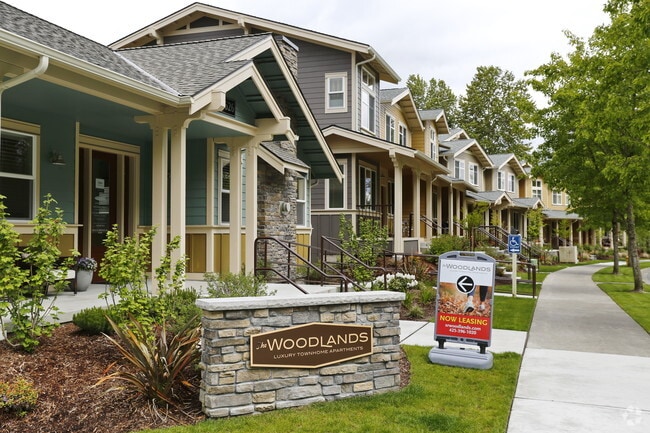
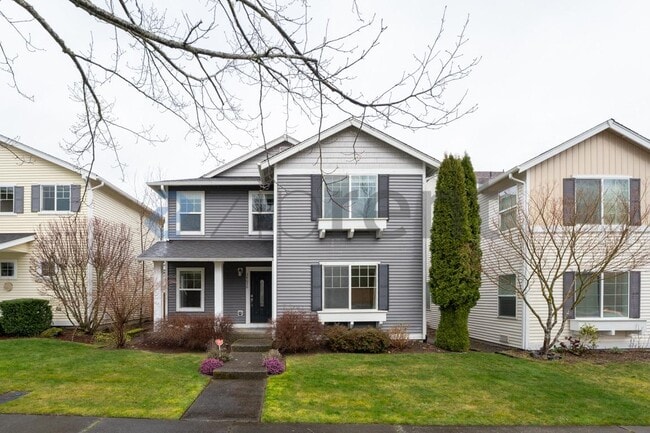
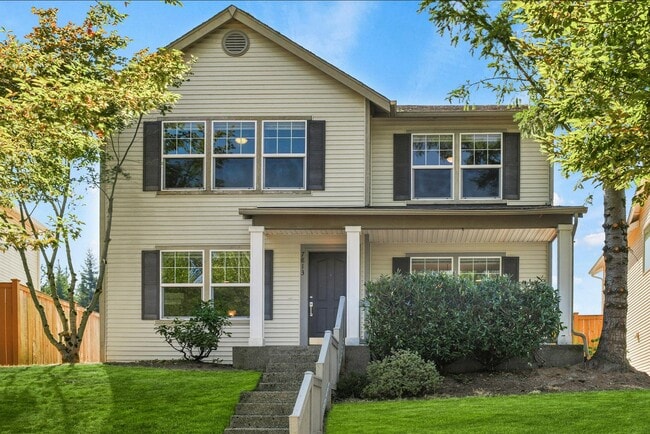
Homes sit on green lawns with tall trees.
Median Household Income
$185,647
Average: $207,432
Education
6,297
Residents Have a Degree
Job Market
7,979
Workers Employed
Median Age
38 Years
Largest Age Group
40-49 Years
Approximately 18% of Residents
Under 20
31%
Over 65
10%
Housing Distribution
Snoqualmie has more homeowners than renters.

Education Distribution
Review this city's overall education levels.

As of August 2026, the average apartment rent in Snoqualmie, WA is $2,602 for one bedroom, $2,760 for two bedrooms, and $3,276 for three bedrooms. Apartment rent in Snoqualmie has increased by 13.4% in the past year.
Explore how walkable, bikeable, drivable, and transit-friendly Snoqualmie, WA is for everyday living.
Somewhat Walkable
Walkability
Exceptionally Drivable
Drivability
Fairly Bikeable
Bikeability

Timber Ridge Elementary School
Public
Grades K-5
621 Students

Cascade View Elementary School
Public
Grades K-5
547 Students

Public
Grades PK-5
482 Students
Snoqualmie Parent Partnership Program
Public
Grades K-12
212 Students

Public
Grades PK-12
15 Students

Public
Grades 6-8
508 Students
Snoqualmie Parent Partnership Program
Public
Grades K-12
212 Students
Public
Grades PK-12
15 Students
Public
Grades 9-12
2,161 Students
Snoqualmie Parent Partnership Program
Public
Grades K-12
212 Students
Public
Grades PK-12
15 Students
Snoqualmie Valley Virtual Academy
Public
Grades 9-12
 The GreatSchools Rating helps parents compare schools within a state based on a variety of school quality indicators and provides a helpful picture of how effectively each school serves all of its students. Ratings are on a scale of 1 (below average) to 10 (above average) and can include test scores, college readiness, academic progress, advanced courses, equity, discipline and attendance data. We also advise parents to visit schools, consider other information on school performance and programs, and consider family needs as part of the school selection process.
View GreatSchools Rating Methodology
Data provided by
GreatSchools.org
© 2026. All rights reserved.
The GreatSchools Rating helps parents compare schools within a state based on a variety of school quality indicators and provides a helpful picture of how effectively each school serves all of its students. Ratings are on a scale of 1 (below average) to 10 (above average) and can include test scores, college readiness, academic progress, advanced courses, equity, discipline and attendance data. We also advise parents to visit schools, consider other information on school performance and programs, and consider family needs as part of the school selection process.
View GreatSchools Rating Methodology
Data provided by
GreatSchools.org
© 2026. All rights reserved.
† Our analysis of utilities, groceries, transportation, healthcare, home prices, and other goods and services is sourced from the Cost of Living Index, a respected benchmark published by the Council for Community and Economic Research (C2ER) that provides a thorough overview of living expenses across different regions.
Rent data is provided by CoStar Group’s Market Trend reports. As the industry leader in commercial real estate information, analytics, and news, CoStar conducts extensive research to produce and maintain a comprehensive database of commercial real estate information. We combine this data with public record to provide the most up-to-date rental information available.
Consumer goods, services, and home prices are sourced from the Cost of Living Index published by the Council for Community and Economic Research (C2ER). The data on this page is updated quarterly. It was last published in June 2026.
Demographic information comes from Neustar and combines detailed address data with U.S. Census and American Community Survey statistics to produce reliable local estimates.