What's It Like Living in Salt Lake City?
Ski before brunch, float in a salty lake, snack on taffy at sunset—living in Salt Lake City means nature, tech jobs, and quirky charm all at once.
Avg Rent
$1,428
Population
204,933
Renter Mix
59% Rent
Combining the best elements of a modern metropolis with the rugged beauty of the American West, Salt Lake City has it all. “The Crossroad of the West” as its’ called, is ideal for folks who love the outdoors. Salt Lake City is surrounded by some of the most dramatically beautiful mountains and forests on the planet, perfect for mountain biking, hiking, rock climbing, and camping in the summer, and world-class skiing and snowboarding in the winter. Even if you’re not the outdoorsy type, the stunning landscape provides unbeatable scenery.
Pioneer Park is a popular hangout for locals, and in the summer months hosts a free concert series featuring major national headliners. There’s a nexus of Interstates and highways that make exploring the outdoor destinations outside your apartment easy. Getting around town without a car is easy, with a strong network of bike lanes and numerous public transportation options (including light rail service) helping folks avoid depending on personal vehicles.
With an enviable combination of affordable rental rates and a rapidly-expanding job market, Salt Lake City is quickly becoming one of America’s favorite places to live, work, and play.
Salt Lake's Memory Grove Park includes a replica of the Liberty Bell
Enjoy gorgeous views of the Wasatch Mountains
The Utah State Capitol in Salt Lake
Salt Lake City is very bicycle-friendly
Red Butte Garden at the University of Utah
The fountain at Temple Square
Median Household Income
$66,116
Average: $92,628
Education
84,504
Residents Have a Degree
Job Market
118,440
Workers Employed
Median Age
35 Years
Largest Age Group
25-34 Years
Approximately 21% of Residents
Under 20
22%
Over 65
13%
Housing Distribution
Salt Lake City has more renters than homeowners.

Education Distribution
Review this city's overall education levels.

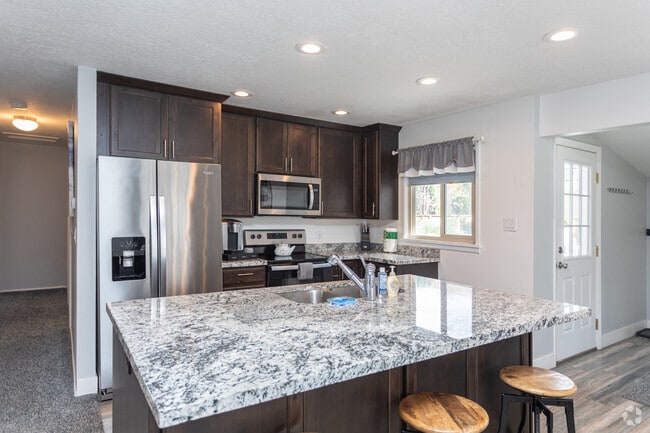
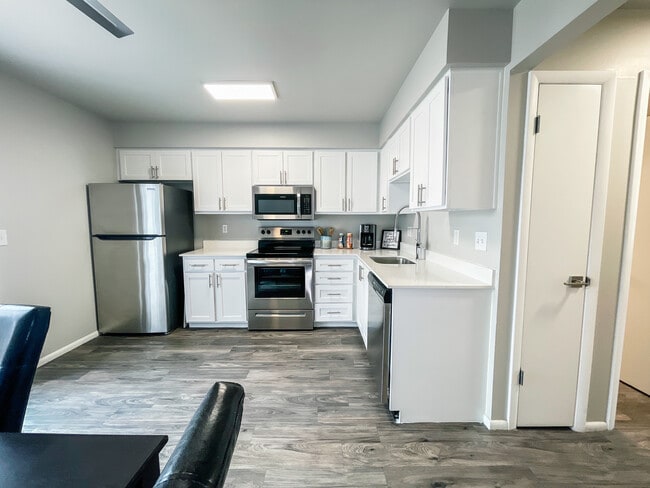
As of August 2026, the average apartment rent in Salt Lake City, UT is $1,173 for a studio, $1,427 for one bedroom, $1,839 for two bedrooms, and $2,244 for three bedrooms. Apartment rent in Salt Lake City has decreased by -2.0% in the past year.
The cost of living in Salt Lake City, UT is 4.6% higher than the national average. Generally, housing in Salt Lake City is 20.3% more expensive than the national average, with rent falling between $1,173 - $2,244. You can expect to pay 1.8% less for groceries, 16.1% less for utilities, and 3.2% more for transportation.
Compare Cities
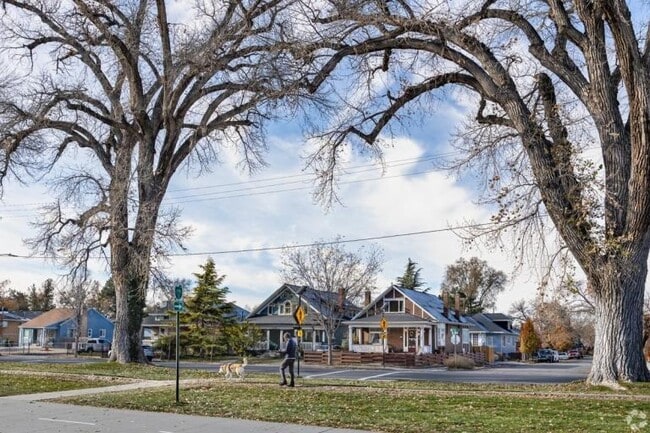
What's It Like Living in Salt Lake City?
Ski before brunch, float in a salty lake, snack on taffy at sunset—living in Salt Lake City means nature, tech jobs, and quirky charm all at once.

Five Affordable Neighborhoods in Salt Lake City, UT
If you're planning a move, the following communities stand out as some of the best budget-friendly options for renters.
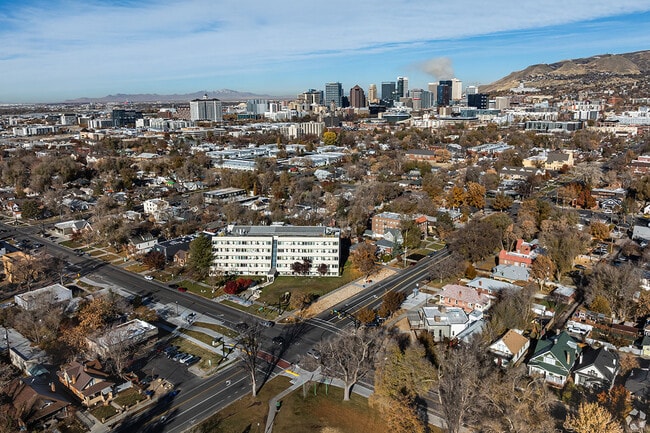
Best Neighborhoods in Salt Lake City, UT for Renters
Don't know where to start your Salt Lake City rental search? Here are five Salt Lake City neighborhoods perfect for renters.
Explore how walkable, bikeable, drivable, and transit-friendly Salt Lake City, UT is for everyday living.
Moderately Walkable
Walkability
Some Public Transit
Transit
Exceptionally Drivable
Drivability
Moderately Bikeable
Bikeability

Public
Grades PK-5
500 Students

Public
Grades K-5
478 Students
Public
Grades K-5
471 Students
Public
Grades K-5
414 Students
Public
Grades K-5
395 Students
Public
Grades 6-12
2,124 Students
Public
Grades 6-12
2,124 Students
Salt Lake Center for Science Education
Public
Grades 6-12
368 Students
Public
Grades 6-8
567 Students

Public
Grades PK-8
471 Students
Public
Grades 6-12
2,124 Students
Public
Grades 6-12
2,124 Students
Salt Lake Center for Science Education
Public
Grades 6-12
368 Students
Public
Grades 9-12
2,123 Students
Public
Grades 9-12
1,973 Students

 The GreatSchools Rating helps parents compare schools within a state based on a variety of school quality indicators and provides a helpful picture of how effectively each school serves all of its students. Ratings are on a scale of 1 (below average) to 10 (above average) and can include test scores, college readiness, academic progress, advanced courses, equity, discipline and attendance data. We also advise parents to visit schools, consider other information on school performance and programs, and consider family needs as part of the school selection process.
View GreatSchools Rating Methodology
Data provided by
GreatSchools.org
© 2026. All rights reserved.
The GreatSchools Rating helps parents compare schools within a state based on a variety of school quality indicators and provides a helpful picture of how effectively each school serves all of its students. Ratings are on a scale of 1 (below average) to 10 (above average) and can include test scores, college readiness, academic progress, advanced courses, equity, discipline and attendance data. We also advise parents to visit schools, consider other information on school performance and programs, and consider family needs as part of the school selection process.
View GreatSchools Rating Methodology
Data provided by
GreatSchools.org
© 2026. All rights reserved.
† Our analysis of utilities, groceries, transportation, healthcare, home prices, and other goods and services is sourced from the Cost of Living Index, a respected benchmark published by the Council for Community and Economic Research (C2ER) that provides a thorough overview of living expenses across different regions.
Rent data is provided by CoStar Group’s Market Trend reports. As the industry leader in commercial real estate information, analytics, and news, CoStar conducts extensive research to produce and maintain a comprehensive database of commercial real estate information. We combine this data with public record to provide the most up-to-date rental information available.
Consumer goods, services, and home prices are sourced from the Cost of Living Index published by the Council for Community and Economic Research (C2ER). The data on this page is updated quarterly. It was last published in June 2026.
Demographic information comes from Neustar and combines detailed address data with U.S. Census and American Community Survey statistics to produce reliable local estimates.