

Salt Lake City sits at the foot of the Wasatch Range, where the Rocky Mountains meet a sprawling city. It's a place where you can ski at Alta or Snowbird in the morning and be back in your apartment by early afternoon. With a rapidly expanding job market, a cost of living that remains more manageable than many Western cities, and a strong public transit network anchored by the TRAX light rail system, it’s easy to see why renters like living in Salt Lake City.
If you’re looking to rent an apartment in Salt Lake City, there are plenty of neighborhoods to choose from. We’ve compiled a list of the best places to rent in Salt Lake City based on the following factors:
- Rental availability
- Average rent relative to other neighborhoods in the city
- Proximity to points of interest like work hubs, universities, downtown areas, shopping centers, or major parks
- Niche.com’s neighborhood report cards
The five best neighborhoods in Salt Lake City for renters are:
Sugar House
- Average 1-bedroom rent in Salt Lake City: $1,431/month
- Average 1-bedroom rent in Sugar House: $1,693/month
- Average 1-bedroom size in Sugar House: 726 sq. ft.
Why Sugar House is good for renters
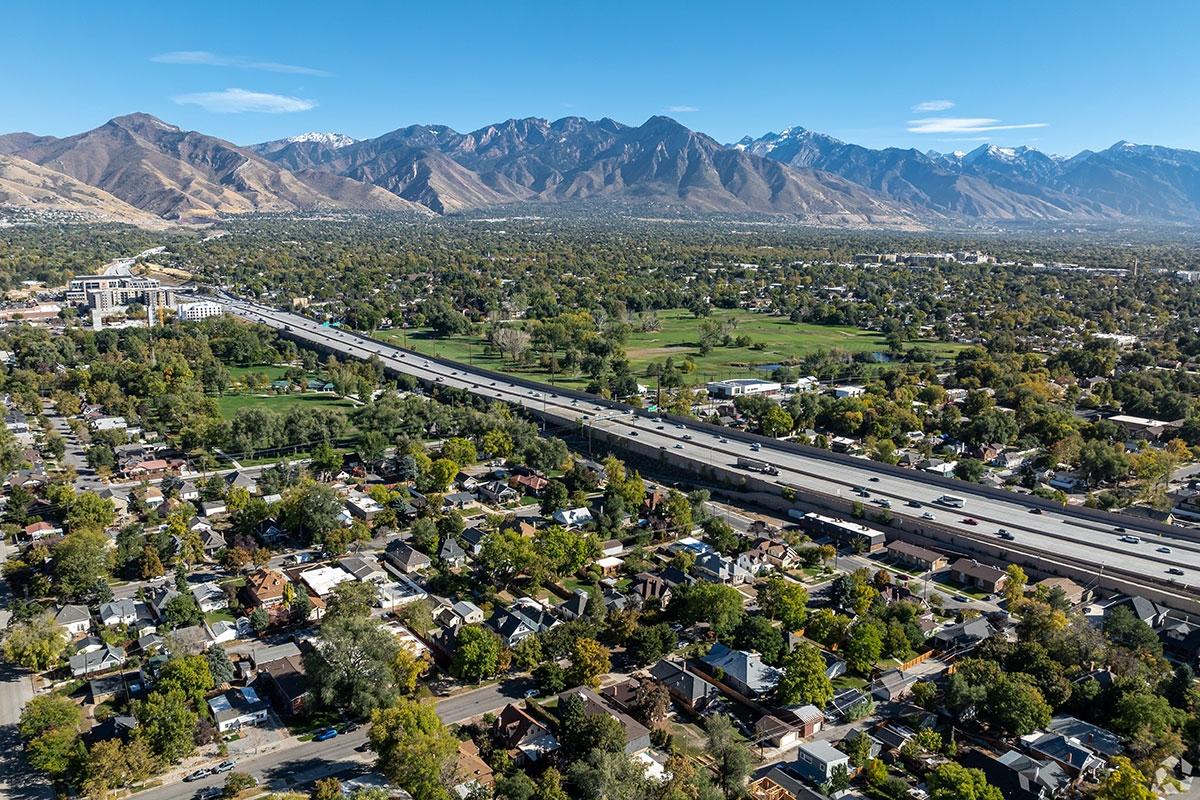
Sugar House is one of Salt Lake City’s most established neighborhoods, centered around a walkable core packed with locally owned restaurants, coffee shops, and boutiques along Highland Drive and 2100 South. The 111-acre Sugar House Park sits at the heart of the neighborhood, offering a large pond, open green space, and mountain views that make it a hotspot year-round. TRAX’s S-Line streetcar connects the neighborhood to downtown and the broader transit network, giving renters a public transit option for daily commuting.
|
Fairly Walkable |
Limited Public Transit |
Exceptionally Drivable |
40Sugar House has a walkability score of 40 out of 100 |
30Sugar House has a transit score of 30 out of 100 |
100Sugar House has a drivability score of 100 out of 100 |
Keep in mind
Sugar House is a high-demand neighborhood, so desirable units tend to lease quickly. Street parking can be competitive near busy commercial blocks.
Downtown Salt Lake City
- Average 1-bedroom rent in Salt Lake City: $1,431/month
- Average 1-bedroom rent in Downtown Salt Lake City: $1,163/month
- Average 1-bedroom size in Downtown Salt Lake City: 647 sq. ft.
Why Downtown Salt Lake City is good for renters
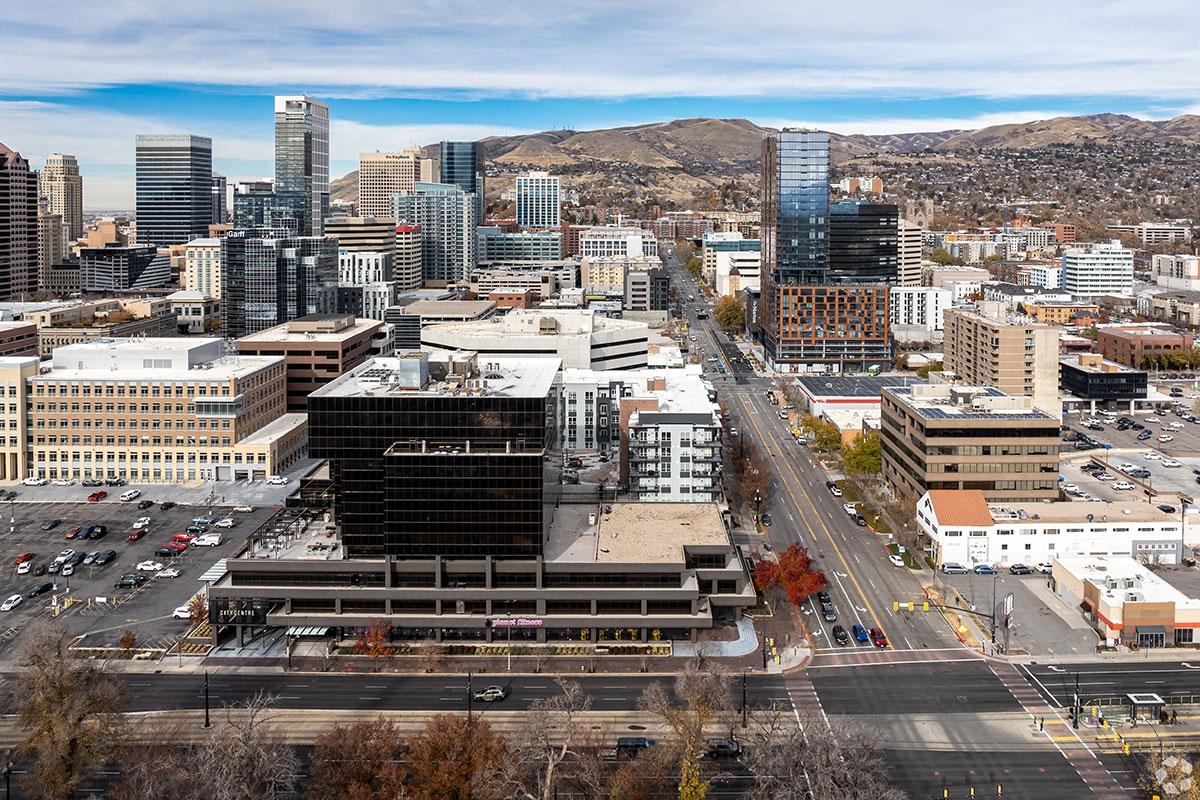
Downtown Salt Lake City is the city’s most connected neighborhood, served by TRAX light rail lines that can get you to the University of Utah, Salt Lake Central Station, and Salt Lake City International Airport. City Creek Center, The Gateway, the Eccles Theater, and the Clark Planetarium are all within walking distance, giving renters immediate access to shopping, entertainment, and dining without needing a car. For renters who want to be at the center of everything Salt Lake City has to offer, downtown delivers.
|
Fairly Walkable |
Limited Public Transit |
Moderately Drivable |
Fairly Bikeable |
40Downtown Salt Lake City has a walkability score of 40 out of 100 |
20Downtown Salt Lake City has a transit score of 20 out of 100 |
70Downtown Salt Lake City has a drivability score of 70 out of 100 |
40Downtown Salt Lake City has a bikeability score of 40 out of 100 |
Keep in mind
Downtown living comes with the expected trade-offs of urban density, like street noise and limited parking. Renters who prefer quieter surroundings may want to consider a neighborhood outside the core.
Greater Avenues
- Average 1-bedroom rent in Salt Lake City: $1,431/month
- Average 1-bedroom rent in Greater Avenues: $1,146/month
- Average 1-bedroom size in Greater Avenues: 609 sq. ft.
Why Greater Avenues is good for renters
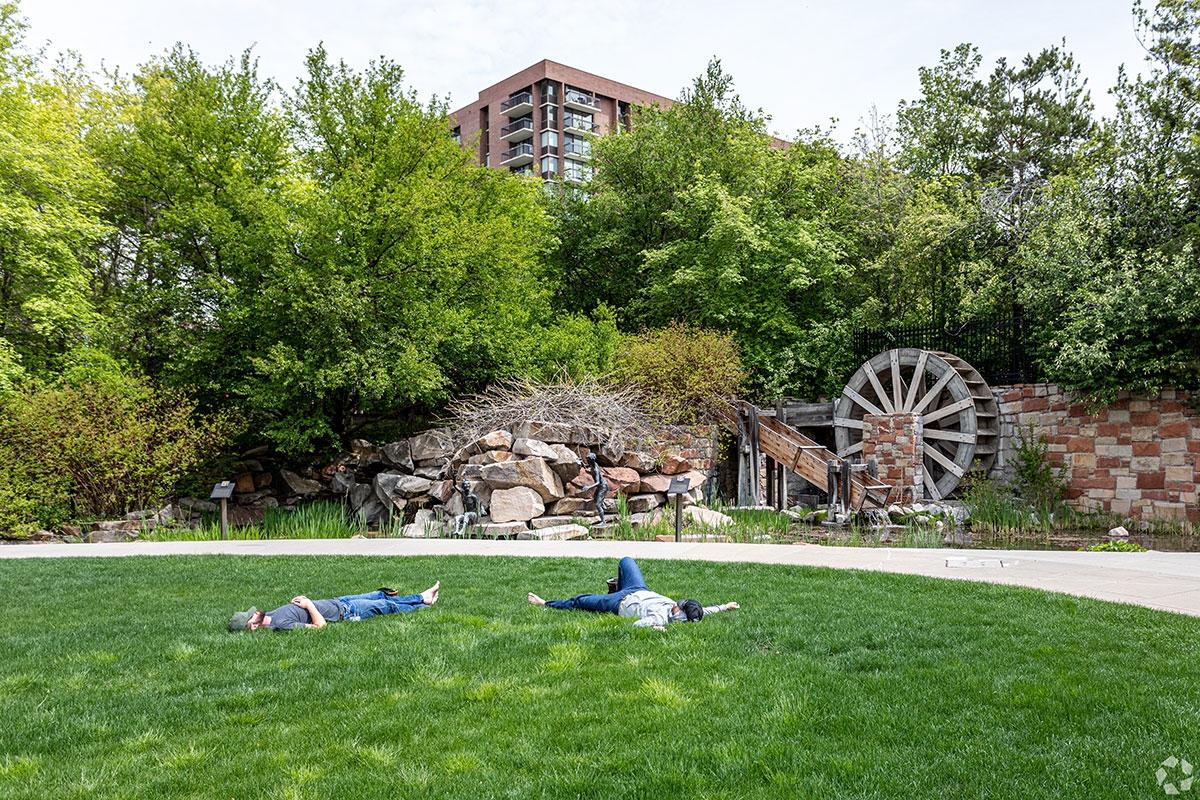
The Greater Avenues neighborhood sits at the Wasatch foothills just northeast of downtown, offering some of the most scenic residential streets in the city. Historic homes line avenues, and Memory Grove Park and the City Creek Canyon trailhead sit at the neighborhood's edge. Downtown Salt Lake City is less than two miles away, and the neighborhood's elevated position gives many blocks sweeping views of the Salt Lake Valley.
|
Fairly Walkable |
Limited Public Transit |
Moderately Drivable |
Fairly Bikeable |
40Greater Avenues has a walkability score of 40 out of 100 |
20Greater Avenues has a transit score of 20 out of 100 |
70Greater Avenues has a drivability score of 70 out of 100 |
40Greater Avenues has a bikeability score of 40 out of 100 |
Keep in mind
The hilly terrain means some parts of the neighborhood are less walkable and a car is helpful for everyday errands. Bus services connect the area to downtown, but frequency can vary depending on the street.
Central Salt Lake City
- Average 1-bedroom rent in Salt Lake City: $1,431/month
- Average 1-bedroom rent in Central Salt Lake City: $1,631/month
- Average 1-bedroom size in Central Salt Lake City: 682 sq. ft.
Why Central Salt Lake City is good for renters
Central Salt Lake City connects downtown to the University of Utah and Sugar House, making it a well-positioned option for renters who want access to multiple parts of the city. The 9th and 9th district brings together the Tower Theatre, independent bookstores, and neighborhood coffee shops in a compact, walkable stretch. Liberty Park, one of the largest urban parks in the state, sits within this area and hosts the free Pioneer Park Concert Series during summer months.
|
Moderately Walkable |
Strong Public Transit |
Exceptionally Drivable |
Fairly Bikeable |
60Central Salt Lake City has a walkability score of 60 out of 100 |
80Central Salt Lake City has a transit score of 80 out of 100 |
100Central Salt Lake City has a drivability score of 100 out of 100 |
40Central Salt Lake City has a bikeability score of 40 out of 100 |
Keep in mind
Renters should pay close attention to proximity to specific amenities and transit stops when evaluating listings, as some parts of the corridor are more walkable than others.
Millcreek
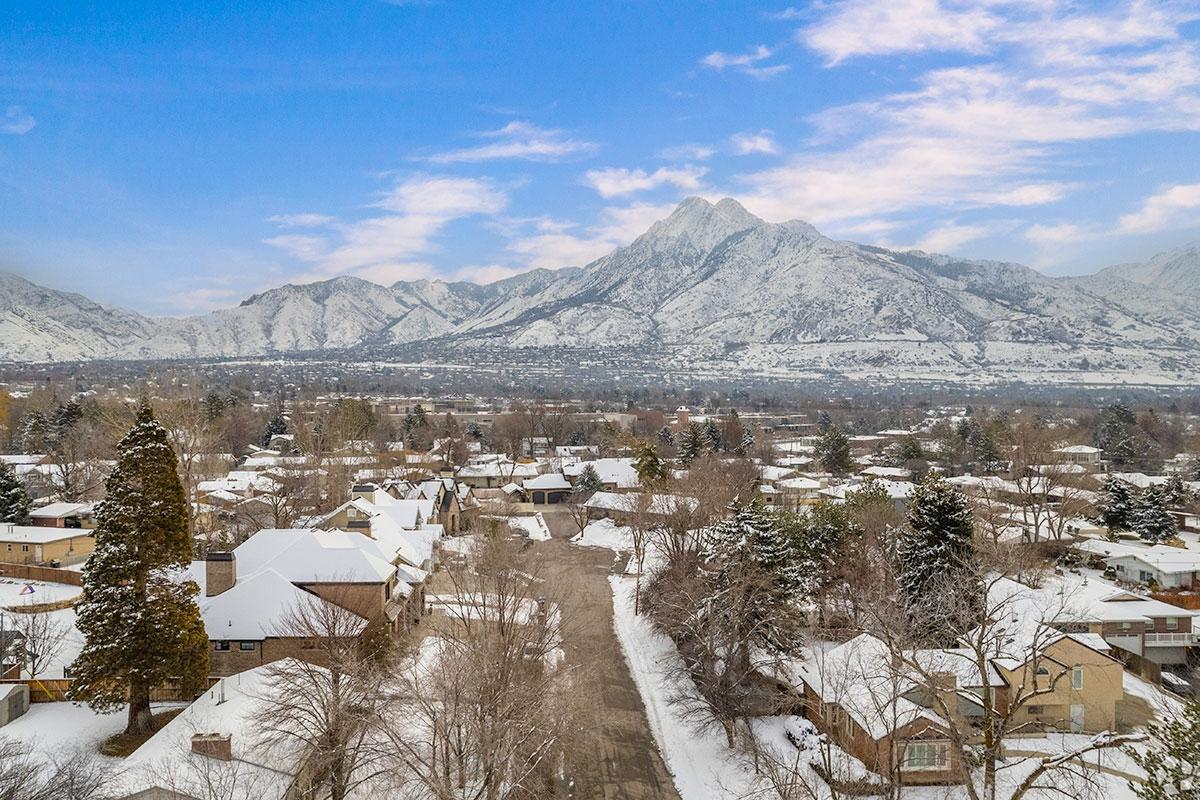
- Average 1-bedroom rent in Salt Lake City: $1,431/month
- Average 1-bedroom rent in Millcreek: $1,411/month
- Average 1-bedroom size in Millcreek: 703 sq. ft.
Why Millcreek is good for renters
Millcreek sits just south of Salt Lake City’s core and has developed its own identity as a quieter, more residential corridor. The neighborhood is a strong option for renters who want more space and a calmer setting while staying close to Salt Lake City's employment centers and amenities. Millcreek Canyon begins right at the neighborhood's eastern edge, offering hiking, picnicking, and mountain biking. A growing stretch of local restaurants and shops along 3300 South gives Millcreek its own conveniences without requiring a trip into the city.
|
Moderately Walkable |
Some Public Transit |
Moderately Drivable |
Fairly Bikeable |
60Millcreek has a walkability score of 60 out of 100 |
40Millcreek has a transit score of 40 out of 100 |
70Millcreek has a drivability score of 70 out of 100 |
50Millcreek has a bikeability score of 50 out of 100 |
Keep in mind
Millcreek is more car-dependent than Salt Lake City's urban neighborhoods and most daily errands will require a vehicle.
Ready to Make the Move?
If Salt Lake City has caught your eye, take the next step with Apartments.com! Whether you’re dropping in for a short-term lease or hoping to set down roots, Apartments.com has the tools to help you find the perfect place. Navigate housing across neighborhoods with our customized search engine and use our customizable filters to narrow your search by price, amenities, and floor plan.
Wherever you are and wherever you’re going, the options are endless with Apartments.com.
Methodology
Rent and cost of living data are sourced from the Apartments.com Rent Trends pages and Cost of Living Calculator. Walkability, transit, drivability, and bikeability ratings are sourced from the Apartments.com Area guides, courtesy of Local Logic.
FAQs
Is Salt Lake City a good place to live?
Salt Lake City draws renters with its combination of outdoor access, world-class skiing, a growing job market, a developing food and arts scene, and lower rents compared to other mid-sized cities in the West. The TRAX light rail system makes commuting via public transit easy and realistic in many neighborhoods.
Is Salt Lake City an expensive place to live?
The cost of living in Salt Lake City is 4.8% higher than the national average, making it more expensive than other big cities. On average, rentals in Salt Lake City are 13% lower than the national average, with transportation costs being higher than the national average, while groceries and utilities are lower.
If you’re on a tight budget, there are plenty of affordable neighborhoods in Salt Lake City to start your search.
What's the average rent in Salt Lake City?
The average rent in Salt Lake City is $1,431/month as of May 2026. This is 13% lower than the national average rent of $1,642/month.
What salary do you need to live in Salt Lake City?
According to our cost of living data, a comfortable salary for a single adult with no dependents to cover housing, utilities, groceries, and goods and services in Salt Lake City would be around $78,000 before taxes.


