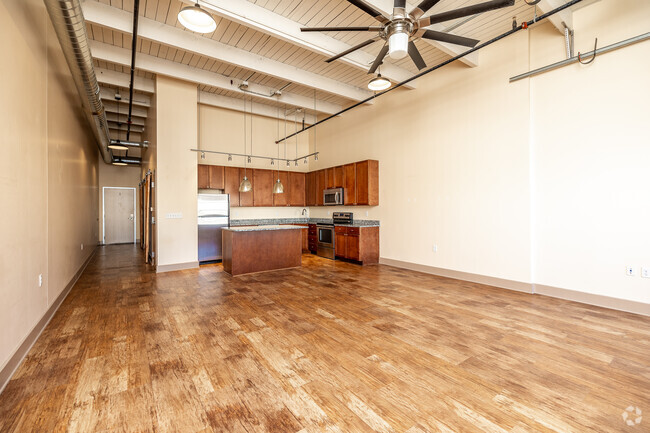
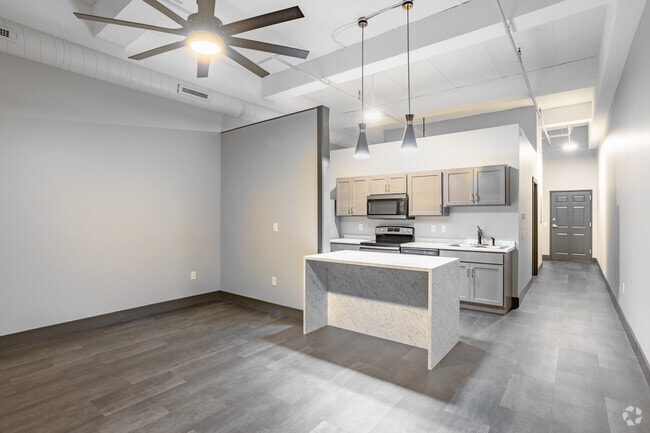
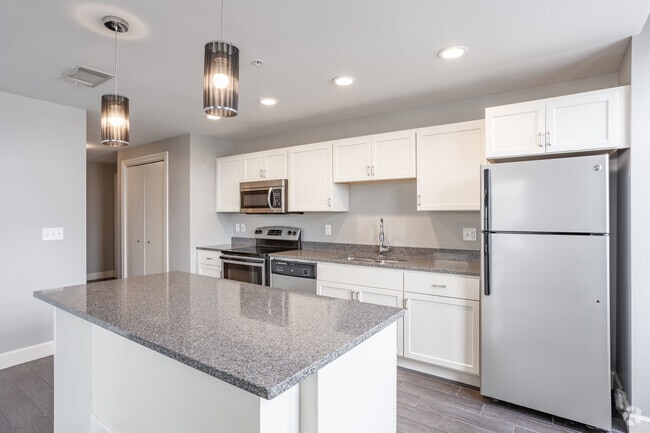
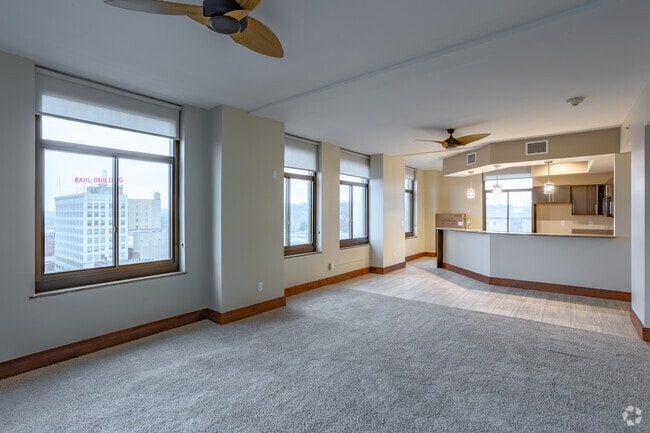
Apartments on Main
128 West 3rd Street,
Davenport, IA 52801
$750 - $1,300
Studio - 1 Bed





Forming the southwest corner of the Quad Cities area on the Illinois/Iowa border, Rock Island shares many cultural resources with its neighboring cities, particularly Moline and Davenport. The city oversees more than 850 acres of public parkland, giving residents lots of options for outdoor recreation. Rock Island also features bike lanes across the city, making it easy for cyclists to get around town.
The part of downtown known as The District is the cultural epicenter of Rock Island, home to art galleries, performance venues, and world-class dining and nightlife. The District is also where you’ll find festivals and other outdoor events happening year-round, celebrating everything from Mardi Gras to America’s largest go-kart street race.
Martin Luther King Jr. Park is one of several community parks in the Douglas Park neighborhood.
Residents will find artistic murals on the sides of many buildings in Downtown Rock Island.
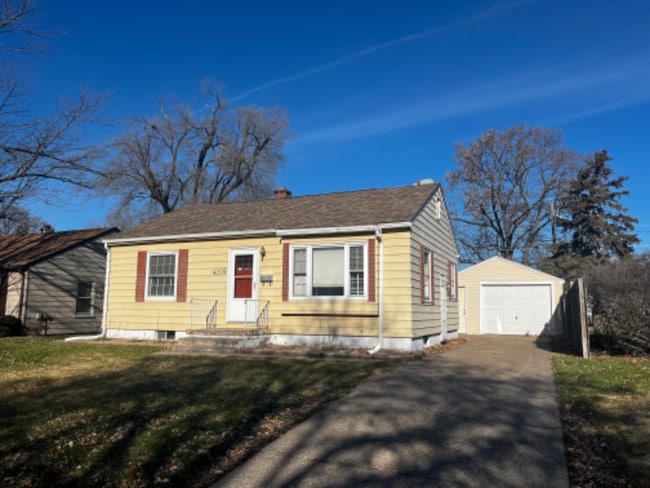
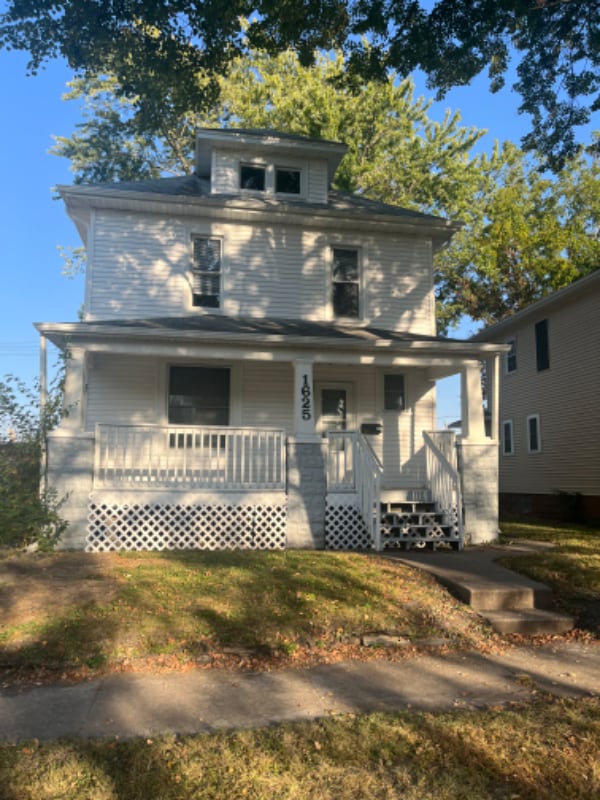
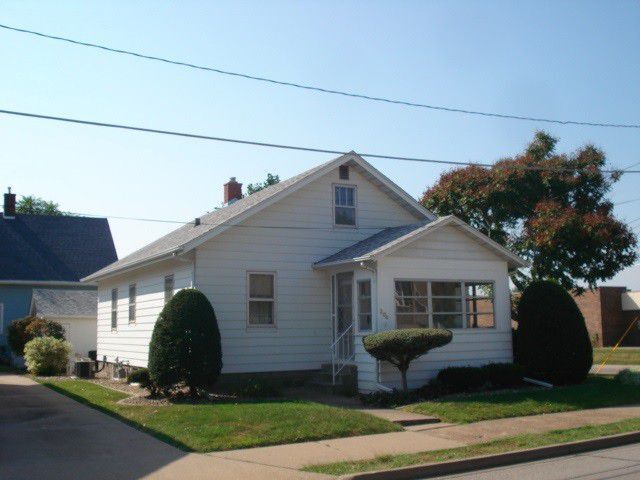
Downtown Rock Island homes are built in familiar styles, from four-squares to bungalows.
As of April 2026, the average apartment rent in Rock Island, IL is $474 for a studio, $691 for one bedroom, $834 for two bedrooms, and $1,340 for three bedrooms. Apartment rent in Rock Island has increased by 0.9% in the past year.
The cost of living in Rock Island, IL is 9.1% lower than the national average. Generally, housing in Rock Island is 19.1% less expensive than the national average, with rent falling between $474 - $1,340. You can expect to pay 2.8% less for groceries, 19.2% less for utilities, and 4.6% more for transportation.
Explore how walkable, bikeable, drivable, and transit-friendly Rock Island, IL is for everyday living.
Somewhat Walkable
Walkability
Minimal Public Transit
Transit
Exceptionally Drivable
Drivability
Moderately Bikeable
Bikeability

Public
Grades K-5
367 Students

Eugene Field Elementary School
Public
Grades K-5
471 Students

Earl H Hanson Elementary School
Public
Grades PK-5
209 Students
Public
Grades PK-5
279 Students

Rock Island Center for Math and Science
Public
Grades PK-5
436 Students

Public
Grades 6-8
484 Students
Public
Grades 6-8
422 Students

Public
Grades 6-8

Public
Grades 9-12
1,810 Students
 The GreatSchools Rating helps parents compare schools within a state based on a variety of school quality indicators and provides a helpful picture of how effectively each school serves all of its students. Ratings are on a scale of 1 (below average) to 10 (above average) and can include test scores, college readiness, academic progress, advanced courses, equity, discipline and attendance data. We also advise parents to visit schools, consider other information on school performance and programs, and consider family needs as part of the school selection process.
View GreatSchools Rating Methodology
Data provided by
GreatSchools.org
© 2026. All rights reserved.
The GreatSchools Rating helps parents compare schools within a state based on a variety of school quality indicators and provides a helpful picture of how effectively each school serves all of its students. Ratings are on a scale of 1 (below average) to 10 (above average) and can include test scores, college readiness, academic progress, advanced courses, equity, discipline and attendance data. We also advise parents to visit schools, consider other information on school performance and programs, and consider family needs as part of the school selection process.
View GreatSchools Rating Methodology
Data provided by
GreatSchools.org
© 2026. All rights reserved.
† Our analysis of utilities, groceries, transportation, healthcare, home prices, and other goods and services is sourced from the Cost of Living Index, a respected benchmark published by the Council for Community and Economic Research (C2ER) that provides a thorough overview of living expenses across different regions.
Rent data is provided by CoStar Group’s Market Trend reports. As the industry leader in commercial real estate information, analytics, and news, CoStar conducts extensive research to produce and maintain a comprehensive database of commercial real estate information. We combine this data with public record to provide the most up-to-date rental information available.
Consumer goods, services, and home prices are sourced from the Cost of Living Index published by the Council for Community and Economic Research (C2ER). The data on this page is updated quarterly. It was last published in February 2026.
Demographic information comes from Neustar and combines detailed address data with U.S. Census and American Community Survey statistics to produce reliable local estimates.