Median Age
38 Years
Largest Age Group
35-44 Years
Approximately 15% of Residents
Under 20
25%
Over 65
18%

Avg Rent
$1,446
Population
126,870
Renter Mix
36% Rent
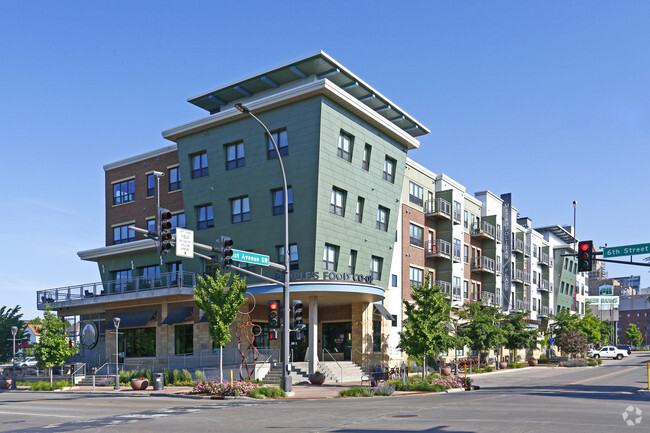
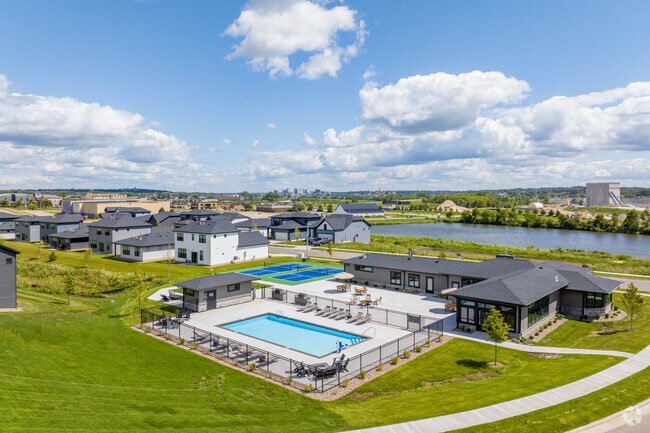
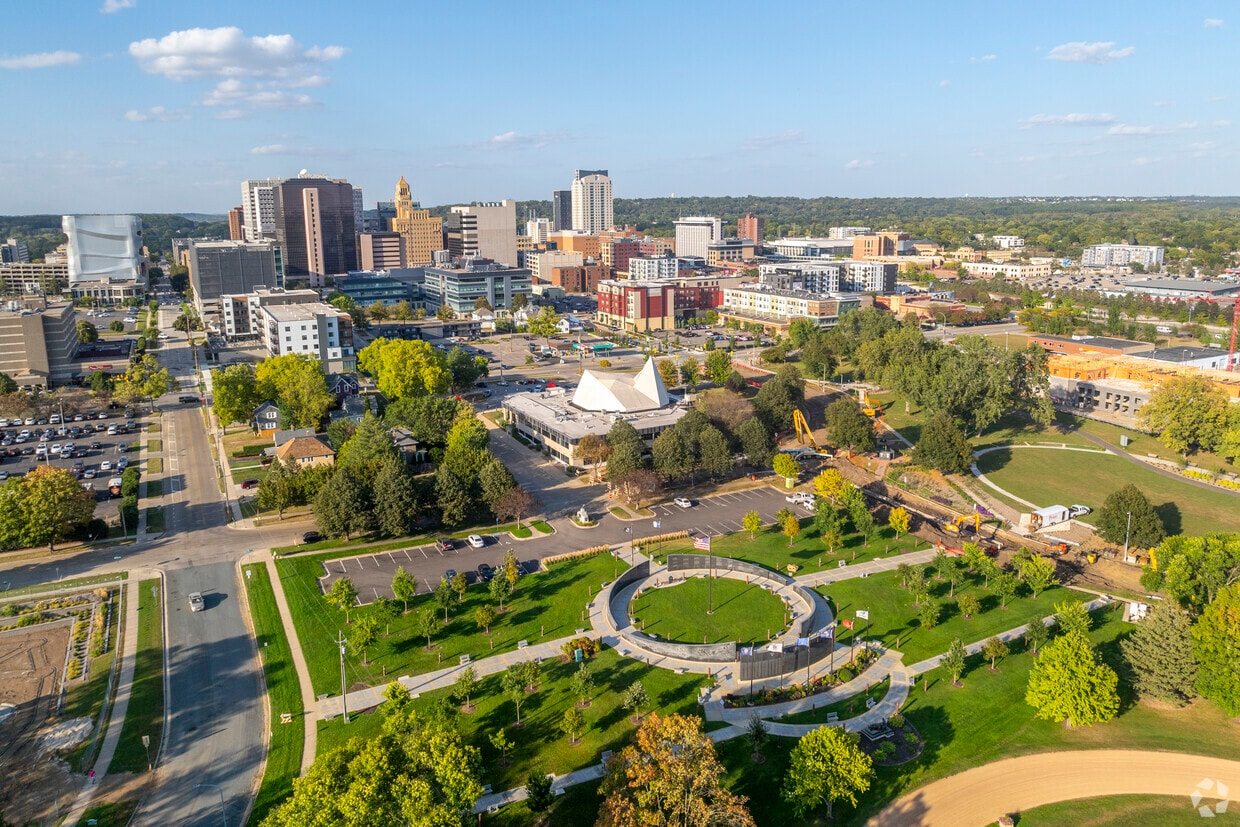
Rochester, Minnesota centers around healthcare innovation and community living. Home to the Mayo Clinic, the city combines medical excellence with authentic Midwestern hospitality. The downtown area features an extensive network of climate-controlled skyways and subterranean walkways connecting buildings, allowing comfortable navigation throughout the year. Current rental trends show steady growth, with average one-bedroom apartments commanding $1,399 per month, reflecting a modest 1.5% annual increase. Notable areas include the Historic Southwest district, with its architectural charm, and the Heart of the City neighborhood, where residential developments sit near downtown amenities.
Rochester's park system encompasses more than 100 sites across five square miles, including paths along Bear Creek and the Zumbro River. The city maintains 85 miles of paved trails for recreation, while Quarry Hill Nature Center offers 329 acres of natural space within city limits. Downtown features the restored Chateau Theatre and Rochester Art Center, while the summer brings Thursdays Downtown, a weekly festival celebrating local food vendors, artists, and musicians. The Mayo Clinic's international reach has helped create a diverse community, adding to Rochester's welcoming atmosphere.
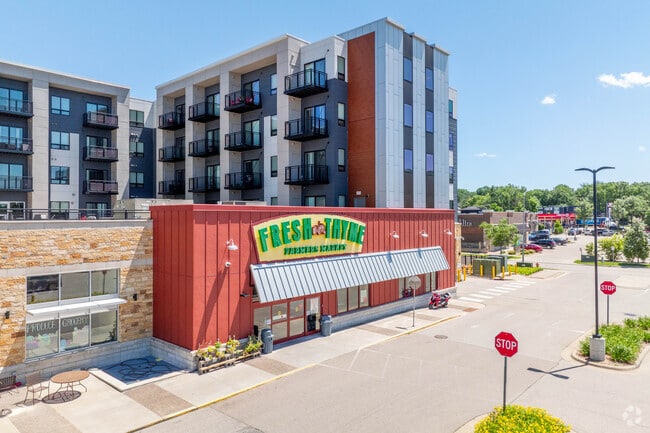
Fresh Thyme Market is a fresh grocery store option for neighborhoods just west of downtown.
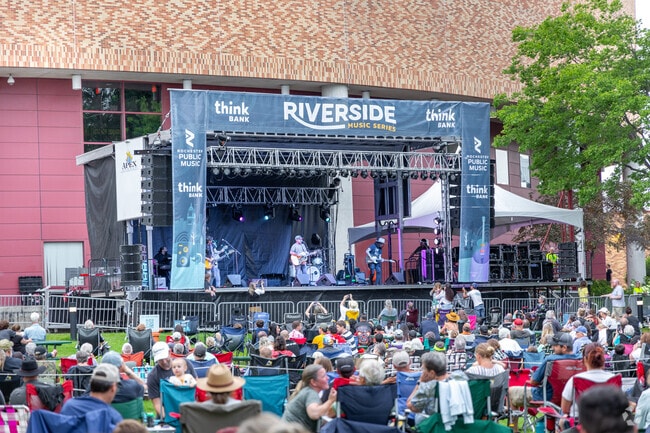
Riverside Music Series is a summer performance series in Rochester, MN.
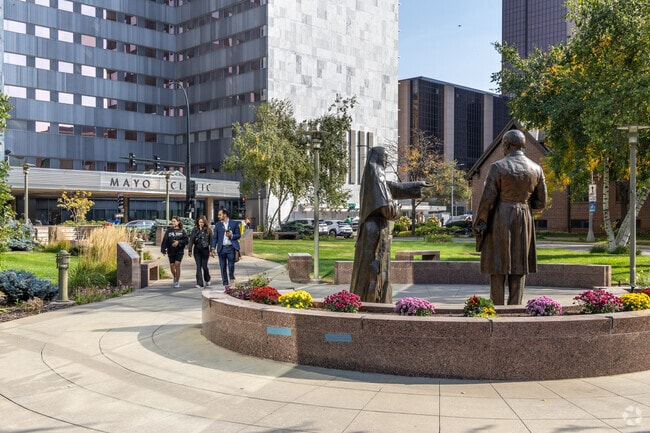
The Mayo Clinic is a short commute from the Glendale neighborhood.
Thursdays Downtown features food vendors, artists, and live music.
Thursdays Downtown is a weekly nearby event during June through August.
Some fishermen prefer using a kayak at Foster Arend Park.
Median Household Income
$83,057
Average: $110,675
Education
47,795
Residents Have a Degree
Job Market
70,109
Workers Employed
Median Age
38 Years
Largest Age Group
35-44 Years
Approximately 15% of Residents
Under 20
25%
Over 65
18%
Housing Distribution
Rochester has more homeowners than renters.

Education Distribution
Review this city's overall education levels.

As of September 2026, the average apartment rent in Rochester, MN is $1,268 for a studio, $1,445 for one bedroom, $1,701 for two bedrooms, and $2,021 for three bedrooms. Apartment rent in Rochester has increased by 1.9% in the past year.
The cost of living in Rochester, MN is 2.3% higher than the national average. Generally, housing in Rochester is 1.6% more expensive than the national average, with rent falling between $1,268 - $2,021. You can expect to pay 2.6% more for groceries, 2.6% more for utilities, and 2.3% more for transportation.
Compare Cities
Explore how walkable, bikeable, drivable, and transit-friendly Rochester, MN is for everyday living.
Fairly Walkable
Walkability
Limited Public Transit
Transit
Exceptionally Drivable
Drivability
Moderately Bikeable
Bikeability

Public
Grades K-5
334 Students

George W. Gibbs Elementary School
Public
Grades PK-5
675 Students

Bamber Valley Elementary School
Public
Grades PK-5
599 Students
Lincoln K-8 District-Wide School
Public
Grades K-8
506 Students
Public
Grades PK-5
464 Students
Public
Grades 6-12
1,862 Students
Public
Grades 6-12
1,862 Students
Public
Grades 6-12
1,698 Students
Lincoln K-8 District-Wide School
Public
Grades K-8
506 Students
Public
Grades 6-12
1,573 Students

Public
Grades 6-12
1,862 Students
Public
Grades 6-12
1,862 Students
Public
Grades 6-12
1,698 Students
Public
Grades 9-12
1,608 Students
Public
Grades 6-12
1,573 Students
 The GreatSchools Rating helps parents compare schools within a state based on a variety of school quality indicators and provides a helpful picture of how effectively each school serves all of its students. Ratings are on a scale of 1 (below average) to 10 (above average) and can include test scores, college readiness, academic progress, advanced courses, equity, discipline and attendance data. We also advise parents to visit schools, consider other information on school performance and programs, and consider family needs as part of the school selection process.
View GreatSchools Rating Methodology
Data provided by
GreatSchools.org
© 2026. All rights reserved.
The GreatSchools Rating helps parents compare schools within a state based on a variety of school quality indicators and provides a helpful picture of how effectively each school serves all of its students. Ratings are on a scale of 1 (below average) to 10 (above average) and can include test scores, college readiness, academic progress, advanced courses, equity, discipline and attendance data. We also advise parents to visit schools, consider other information on school performance and programs, and consider family needs as part of the school selection process.
View GreatSchools Rating Methodology
Data provided by
GreatSchools.org
© 2026. All rights reserved.
† Our analysis of utilities, groceries, transportation, healthcare, home prices, and other goods and services is sourced from the Cost of Living Index, a respected benchmark published by the Council for Community and Economic Research (C2ER) that provides a thorough overview of living expenses across different regions.
Rent data is provided by CoStar Group’s Market Trend reports. As the industry leader in commercial real estate information, analytics, and news, CoStar conducts extensive research to produce and maintain a comprehensive database of commercial real estate information. We combine this data with public record to provide the most up-to-date rental information available.
Consumer goods, services, and home prices are sourced from the Cost of Living Index published by the Council for Community and Economic Research (C2ER). The data on this page is updated quarterly. It was last published in September 2026.
Demographic information comes from Neustar and combines detailed address data with U.S. Census and American Community Survey statistics to produce reliable local estimates.