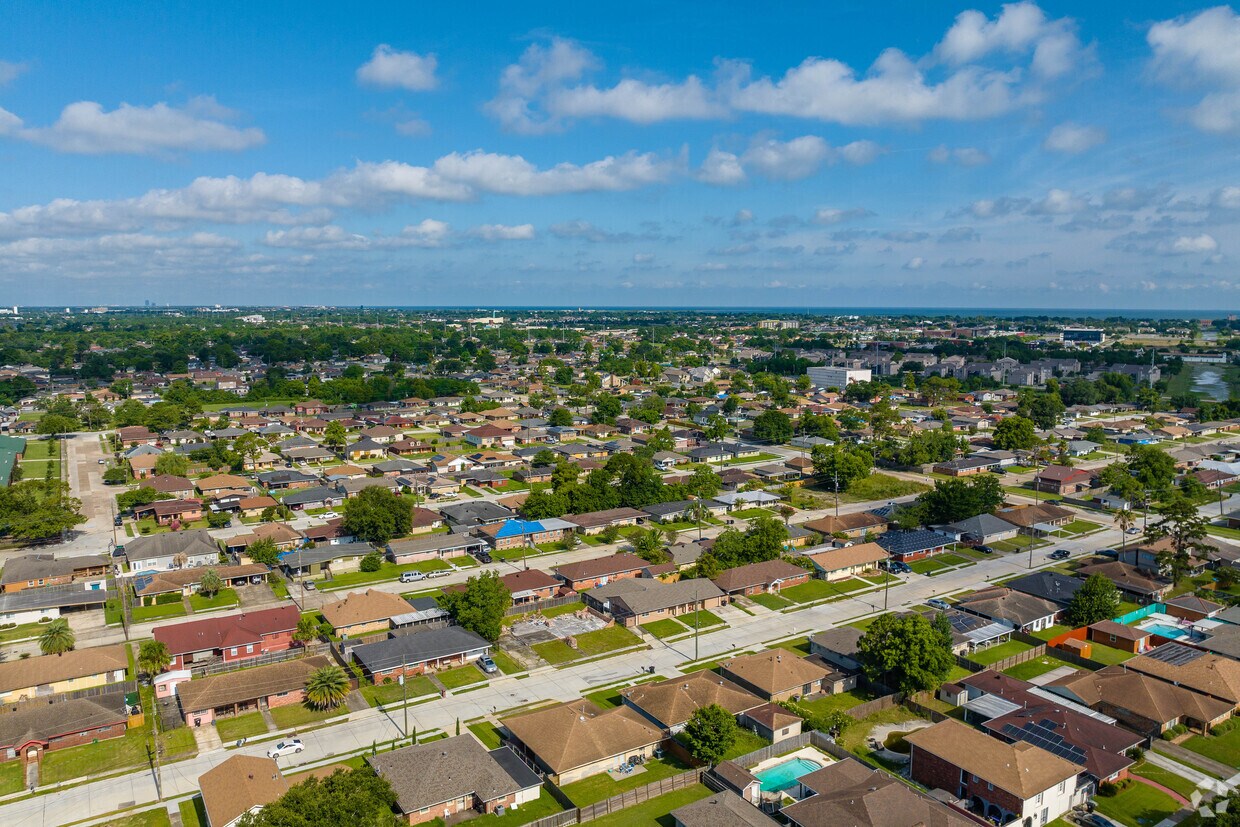
Read Boulevard East homes often sit close together with small yards.
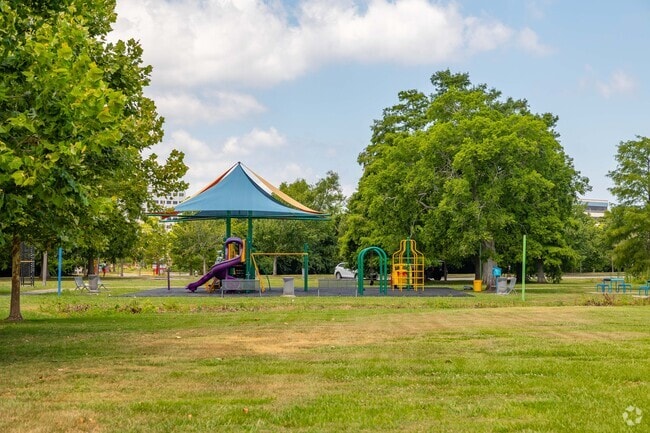
Joe Brown Memorial Park offers several playgrounds for Read Boulevard East children.
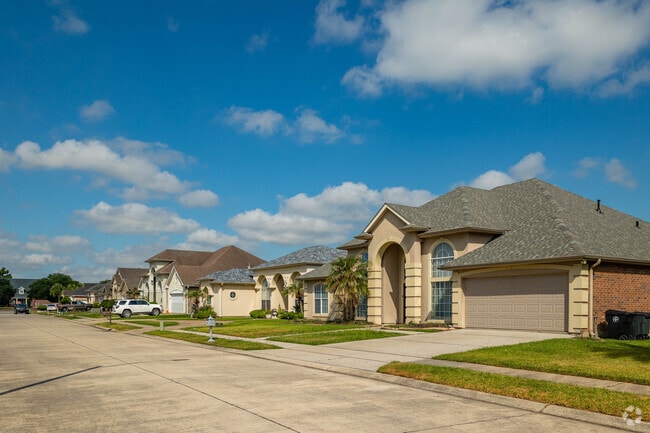
Custom homes are common across Read Boulevard East.
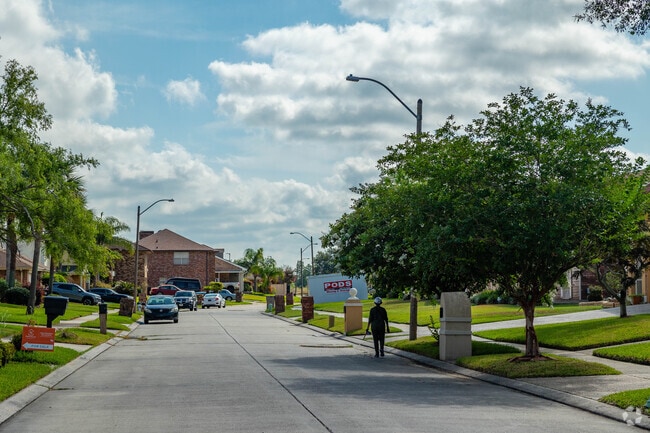
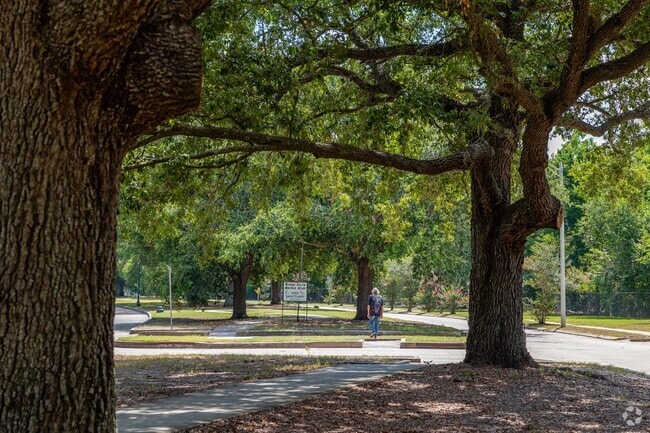
Morning walks are common on the clean streets of Read Boulevard East.
Lake Forest Boulevard in the Read Boulevard East has a long walking path for exercising.

Area Guide

Read Boulevard East New Orleans, LA

Read Boulevard East trades the tourist crowds for something more grounded: open skies, easy access to the sprawling Bayou Sauvage Urban National Wildlife Refuge, and a pace that feels refreshingly unhurried compared to the rest of the city. Daily life here centers around neighborhood shopping centers, local dining options, and green space that's genuinely hard to find this close to a major metro. Groceries are within a short walk, and parks score high on accessibility, making outdoor routines simple and stress-free.

The area sits within reach of Downtown New Orleans, Gentilly, and Mid-City, so the French Quarter, Frenchmen Street, and City Park are all doable without much effort. The University of New Orleans is also nearby, adding an academic energy to the broader east side corridor. Read Boulevard East earned its soul long before the rest of the city caught up, and the architecture reflects that layered history with a mix of traditional Louisiana-style homes and established residential blocks.

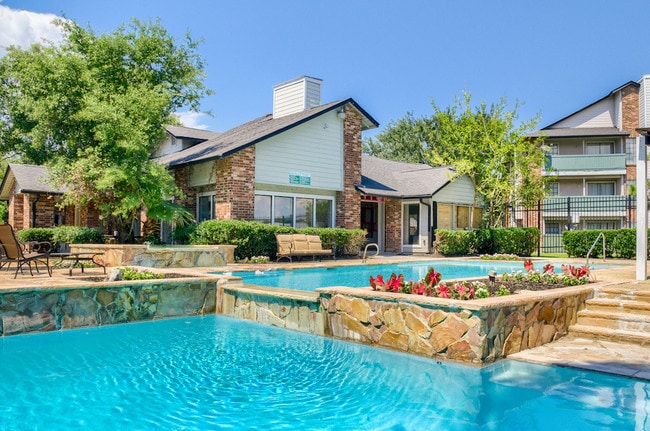
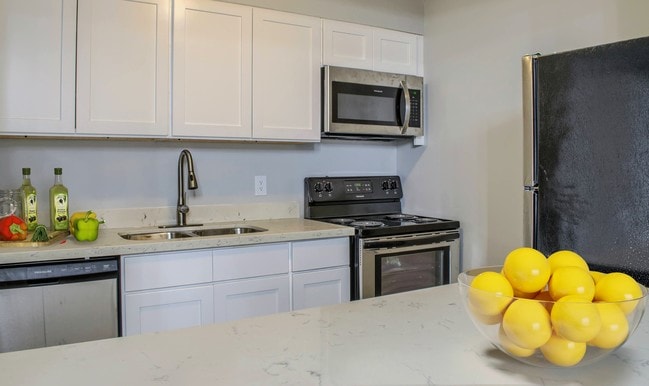
Renters here will find a range of apartment communities, from garden-style units to spacious multi-bedroom layouts that offer more square footage than comparable options closer to downtown. It's the kind of neighborhood where you get room to breathe.

Explore the Neighborhood

Custom homes are common across Read Boulevard East.

Morning walks are common on the clean streets of Read Boulevard East.

Lake Forest Boulevard in the Read Boulevard East has a long walking path for exercising.

Read Boulevard East has salons and food spots for local convenience.

East New Orleans Regional Library serves Read Boulevard East residents.

Bus stops across Read Boulevard East support local commuting.

Rent Trends

As of July 2026, the average apartment rent in Read Boulevard East is $1,261 for a studio, $1,231 for one bedroom, and $1,480 for two bedrooms. Apartment rent in Read Boulevard East has increased by 0.6% in the past year.

  • Studio

  • 279 sq ft

    Average Sq Ft

  • $1,261/month

    Average Rent

  • 1 BR

  • 624 sq ft

    Average Sq Ft

  • $1,231/month

    Average Rent

  • 2 BR

  • 934 sq ft

    Average Sq Ft

  • $1,480/month

    Average Rent

Learn More About Read Boulevard East

Getting Around

Fairly Walkable

Walkability

50 / 100

Some Public Transit

Transit

40 / 100

Exceptionally Drivable

Drivability

100 / 100

Fairly Bikeable

Bikeability

50 / 100

Daily Essentials

Supermarket Within a 15 Minute Walk

Groceries

70 / 100

Good Restaurant Variety Nearby

Restaurants

60 / 100

Limited Café Variety Nearby

Cafes

20 / 100

Fair Variety of Shops Nearby

Shopping

50 / 100

Recreation

Large Amount of Park Space Nearby

Parks

70 / 100

Limited Wellness Amenity Variety Nearby

Wellness

20 / 100

Local Vibe

Mostly Calm Atmosphere

Vibrancy

20 / 100

Good Nightlife Variety Nearby

Nightlife

60 / 100

Points of Interest

Parks and Recreation

  • Bayou Sauvage National Wildlife Refuge
  • New Orleans Jazz National Historical Park
  • Audubon Aquarium of the Americas
  • Entergy IMAX Theatre
  • Couturie Forest

Airports

  • Louis Armstrong New Orleans International

Top Apartments in Read Boulevard East

Living in Read Boulevard East

History

-

Read Boulevard East sits in the eastern section of New Orleans, an area that developed primarily during the 20th century as the city expanded beyond its historic core. While this neighborhood doesn't feature the same concentration of 18th and 19th-century architecture found in the French Quarter or Garden District, residents have easy access to the city's remarkable collection of museums and historic sites. The nearby French Quarter showcases wrought-iron balconies and Creole townhouses, while the National WWII Museum in the Warehouse District offers one of the country's most comprehensive war history exhibitions. Jackson Square and the surrounding French Market area provide a window into the city's colonial past, with street performers and local artisans carrying on traditions that date back generations.

Living in Read Boulevard East means being part of a city where history shapes daily life through music, festivals, and cultural celebrations. The historic Saint Charles streetcar line, the oldest continuously operating streetcar system in the world, connects various parts of the city and stands as a moving monument to New Orleans's transportation heritage. Louis Armstrong Park in Treme-Lafitte honors the birthplace of jazz and its cultural history. Throughout the year, the city's festival calendar celebrates this deep cultural heritage, from second-line parades to music on Frenchmen Street, keeping historical traditions alive in contemporary settings that residents and visitors can experience firsthand.

Restaurants

-

Read Boulevard East sits in New Orleans East, a part of the city with one of the most culinarily diverse communities in all of Louisiana. Residents here enjoy a rich concentration of Vietnamese restaurants and bakeries, a legacy of the Vietnamese community that has called New Orleans East home since the 1970s and '80s. From steaming bowls of po and banh mi sandwiches on fresh-baked French-inspired rolls to crispy Vietnamese crêpes (banh xeo) and Vietnamese-Cajun crawfish boils, the neighborhood and its surrounding area offer an authentic and celebrated Vietnamese food scene that draws diners from across the city. This unique fusion of Vietnamese and Louisiana Cajun cooking, particularly the beloved Vietnamese-style boiled seafood smothered in garlic butter and Cajun spice, is a true point of pride for New Orleans East.

Beyond Vietnamese cuisine, Read Boulevard East residents are just a short drive from the broader flavors of New Orleans itself, a city world-famous for its Creole and Cajun culinary traditions. Think hearty red beans and rice, slow-cooked gumbo, crispy fried catfish po'boys, and rich crawfish étouffée. New Orleans' legendary food culture is also celebrated through major annual events like the New Orleans Jazz & Heritage Festival, commonly known as Jazz Fest, which features an extensive lineup of iconic local food vendors serving up some of the city's most beloved dishes. Whether you're craving a neighborhood bowl of pho or a classic Creole staple, Read Boulevard East puts you at the crossroads of two remarkable culinary worlds.

Transportation

-

Read Boulevard East is a primarily car-dependent neighborhood situated in the eastern reaches of New Orleans, and most residents rely on personal vehicles for daily commutes and errands. I-10 is the area's main artery, providing direct access to downtown New Orleans to the west and connecting to the broader regional highway network. The drive to the Central Business District typically takes around 30 minutes depending on traffic, which can back up significantly during peak hours along the I-10 corridor.

For those who prefer not to drive, the Regional Transit Authority (RTA) operates bus routes that serve the New Orleans East area and connect riders to other parts of the city, including transfer points for the historic streetcar lines along Canal Street and Saint Charles Avenue. Louis Armstrong New Orleans International Airport is roughly 26 miles away, about a 40-minute drive. While the neighborhood is not as pedestrian oriented as areas closer to the city core, sidewalks line many of the residential streets, and the wider New Orleans East area continues to see investment in connectivity options for its residents.

Parks

-

Joe W. Brown Memorial Park is a standout green space in Read Boulevard East, offering an impressive range of outdoor amenities spread across its expansive grounds. The park features a baseball field, tennis courts, football field and track, and even a stadium, making it a well-rounded destination for sports enthusiasts and active residents alike. Paths winds through the park, while picnic shelters and open green space invite laid-back afternoons outdoors. The Audubon Louisiana Nature Center provides a unique natural retreat tucked within the bottomland hardwood forest of Joe W. Brown Memorial Park. The center serves as an environmental education hub with nature trails that wind through wetland and woodland ecosystems, offering a rare opportunity to explore Louisiana's native flora and fauna right within city limits.

Read Boulevard East residents have easy access to some of New Orleans' most celebrated green spaces. City Park, one of the largest urban parks in the country at over 1,300 acres, is a standout destination featuring centuries-old live oak trees, walking and biking trails, sports fields, tennis courts, a golf course, botanical gardens, and the New Orleans Museum of Art (NOMA) with its expansive outdoor sculpture garden. Closer to home, the Bayou Sauvage Urban National Wildlife Refuge is just about 10 minutes away and is one of the largest urban wildlife refuges in the United States, offering trails, birdwatching, fishing, and a rare opportunity to explore wetland ecosystems right within city limits. It's an exceptional spot for nature lovers looking to observe local wildlife and native Louisiana landscapes.

Shopping

-

Read Boulevard East offers residents a practical and accessible shopping experience rooted in the everyday needs of a tight-knit East New Orleans community. The neighborhood is conveniently situated near several local shopping centers, all within a short drive. These centers provide a range of retail options, from grocery and household essentials to dining and services, making day-to-day errands easy to manage without venturing far from home.

For those looking to broaden their shopping horizons, the broader New Orleans area has much to offer. Magazine Street, the city's premier retail corridor, stretches through the Uptown neighborhood and is lined with a diverse mix of independently owned boutiques, specialty shops, and markets. French Market, one of the oldest public markets in the country, sits along the edge of the French Quarter and features local artisan vendors alongside fresh produce and iconic stops like the long-standing Café Du Monde. The shops at Canal Place and Riverwalk Outlets round out the city's retail landscape with fashion-forward offerings and seasonal designer collections, giving Read Boulevard East residents plenty of reasons to explore what the greater city has in store.

Highlights

-

Read Boulevard East offers a quiet, residential setting on New Orleans' eastern edge, with the sprawling Bayou Sauvage Urban National Wildlife Refuge (one of the largest urban wildlife refuges in the U.S.) just minutes away, plus convenient access to nearby shopping centers and easy connectivity to the rest of the city via I-10.

Search Nearby Rentals

Methodology

† Our analysis of utilities, groceries, transportation, healthcare, home prices, and other goods and services is sourced from the Cost of Living Index, a respected benchmark published by the Council for Community and Economic Research (C2ER) that provides a thorough overview of living expenses across different regions.

Rent data is provided by CoStar Group’s Market Trend reports. As the industry leader in commercial real estate information, analytics, and news, CoStar conducts extensive research to produce and maintain a comprehensive database of commercial real estate information. We combine this data with public record to provide the most up-to-date rental information available.

Consumer goods, services, and home prices are sourced from the Cost of Living Index published by the Council for Community and Economic Research (C2ER). The data on this page is updated quarterly. It was last published in June 2026.

Demographic information comes from Neustar and combines detailed address data with U.S. Census and American Community Survey statistics to produce reliable local estimates.