Median Age
41 Years
Largest Age Group
50-59 Years
Approximately 14% of Residents
Under 20
24%
Over 65
16%

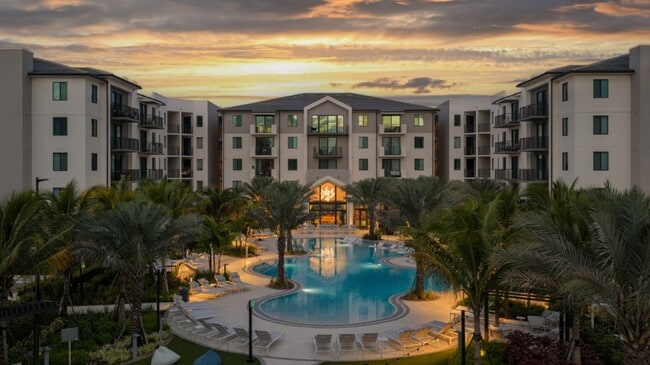
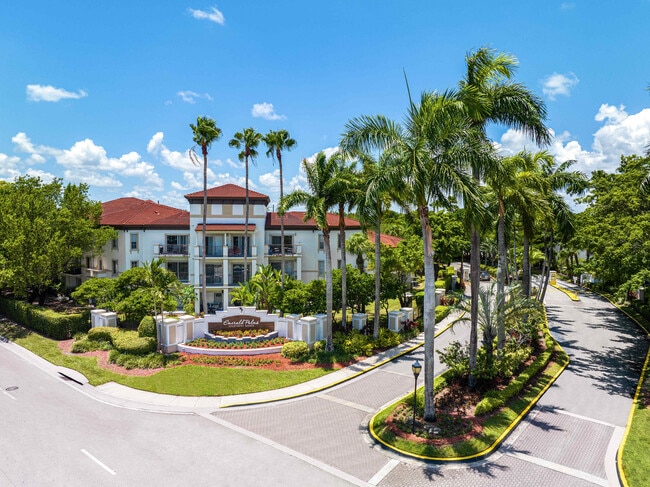
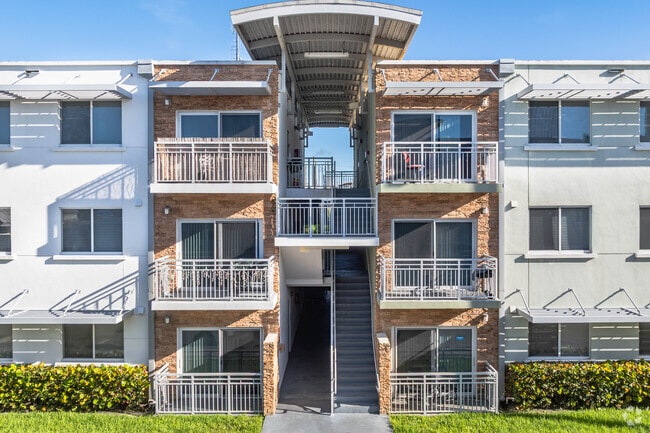
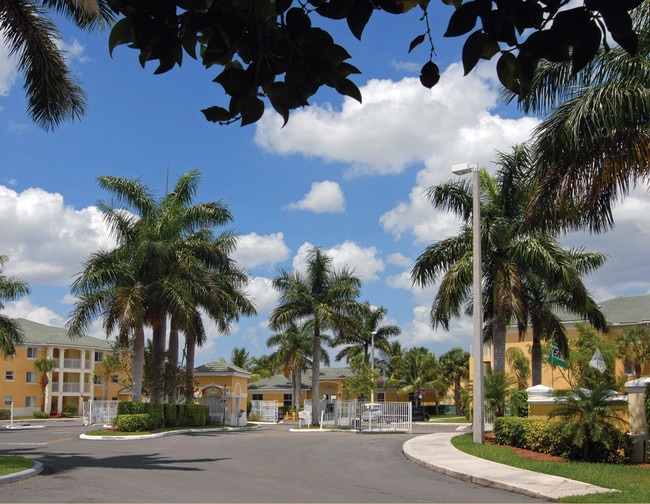
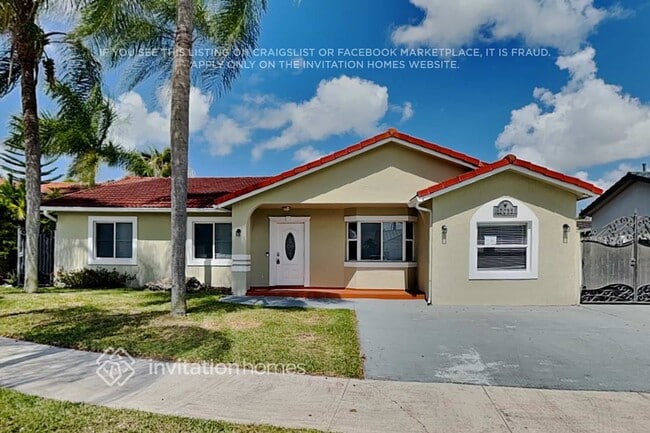
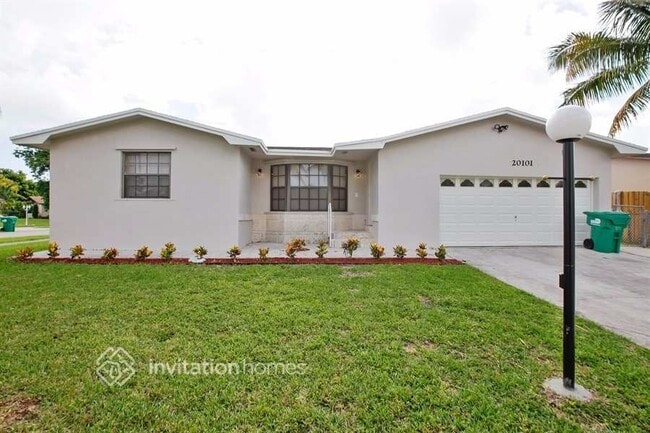
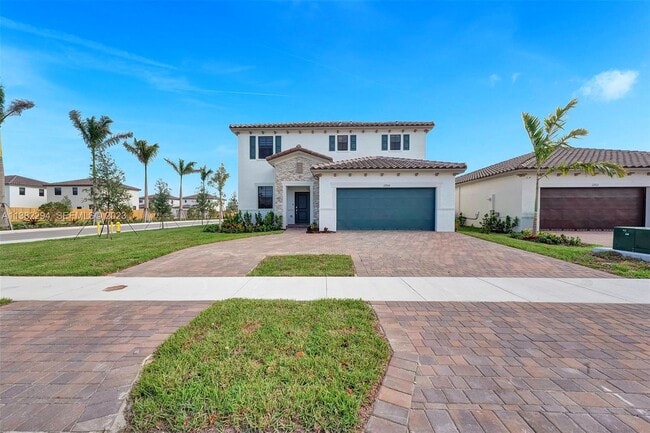
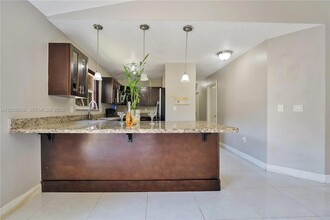
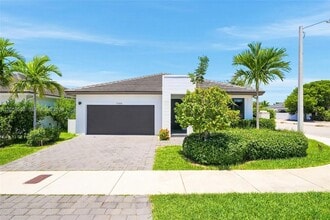
Located in Southern Florida, Quail Heights is about an hour south of Miami and almost at the tip of the state. Stretching from the Atlantic Coast to the Everglades, Quail Heights is a diverse area made up of agricultural lands and residential areas. The western half of the city consists of open lands and rural areas, but the eastern side of town holds the amenities and residential neighborhoods. Renters have a plethora of apartments, single-family homes, condos, and townhomes for rent.
Median Household Income
$67,315
Average: $83,891
Education
26,081
Residents Have a Degree
Job Market
62,368
Workers Employed
Median Age
41 Years
Largest Age Group
50-59 Years
Approximately 14% of Residents
Under 20
24%
Over 65
16%
Housing Distribution
Quail Heights has more homeowners than renters.

Education Distribution
Review this city's overall education levels.

Explore how walkable, bikeable, drivable, and transit-friendly Quail Heights, FL is for everyday living.
Somewhat Walkable
Walkability
Exceptionally Drivable
Drivability
Fairly Bikeable
Bikeability

† Our analysis of utilities, groceries, transportation, healthcare, home prices, and other goods and services is sourced from the Cost of Living Index, a respected benchmark published by the Council for Community and Economic Research (C2ER) that provides a thorough overview of living expenses across different regions.
Rent data is provided by CoStar Group’s Market Trend reports. As the industry leader in commercial real estate information, analytics, and news, CoStar conducts extensive research to produce and maintain a comprehensive database of commercial real estate information. We combine this data with public record to provide the most up-to-date rental information available.
Consumer goods, services, and home prices are sourced from the Cost of Living Index published by the Council for Community and Economic Research (C2ER). The data on this page is updated quarterly. It was last published in June 2026.
Demographic information comes from Neustar and combines detailed address data with U.S. Census and American Community Survey statistics to produce reliable local estimates.