Median Age
45 Years
Largest Age Group
55-64 Years
Approximately 15% of Residents
Under 20
19%
Over 65
23%



Avg Rent
$2,674
Population
8,172
Renter Mix
34% Rent
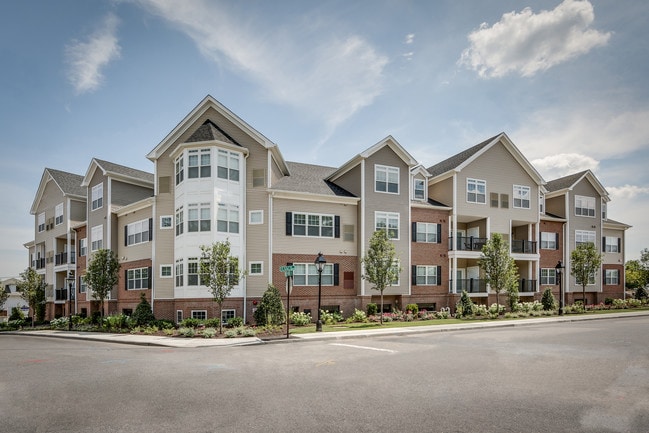
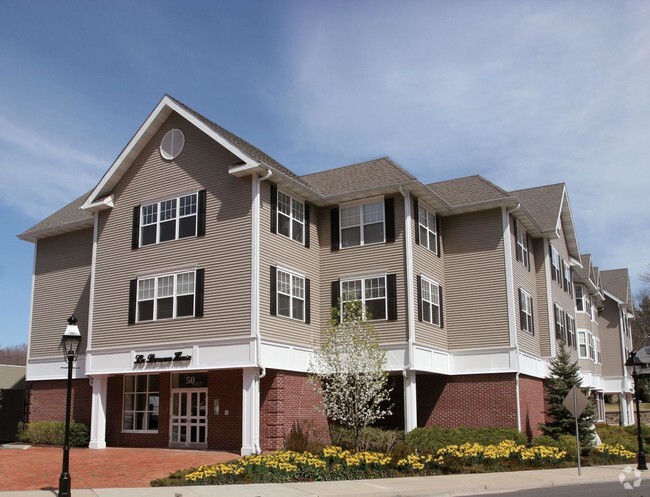
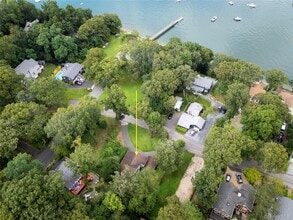
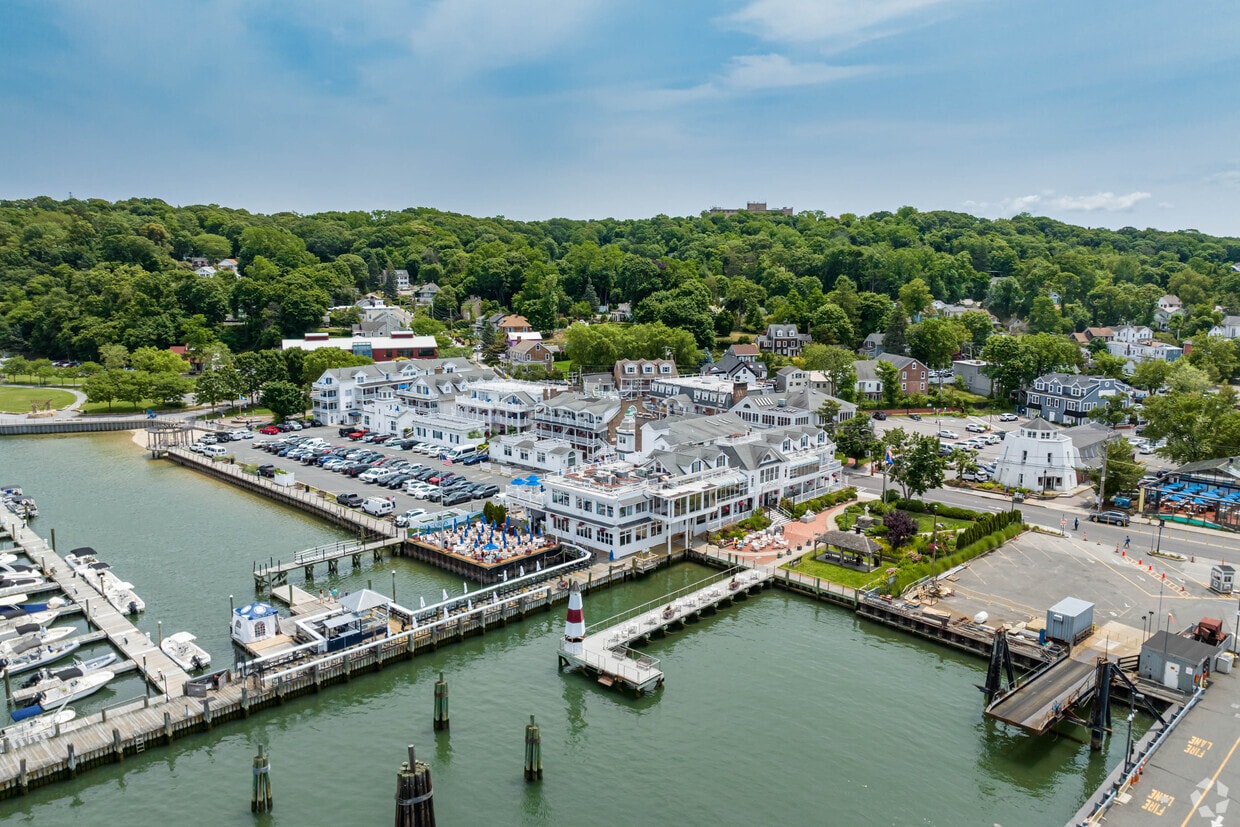
Port Jefferson sits on the North Shore of Long Island, where a working harbor meets a walkable village that feels genuinely removed from the pace of New York City, yet stays connected to it. The village traces its roots to 17th-century settlement and later built its identity around a thriving shipbuilding industry in the 1800s. Today, that maritime past is still visible in the architecture and the active waterfront, which serves as the Long Island terminus for the Bridgeport and Port Jefferson Ferry. Stony Brook University, one of the flagship campuses of the State University of New York system, sits just a few miles west and shapes much of the surrounding region's academic and healthcare presence. The village itself covers only four square miles, so daily life is compact and walkable, with the downtown core, harbor, and residential streets all within easy reach of one another. Renters will find a mix of smaller apartment communities, converted historic buildings, and townhome-style rentals that reflect the village's scale and character. The housing stock tends toward the intimate rather than the high-rise, which suits the overall atmosphere well. Port Jefferson draws renters who want a distinct sense of place without sacrificing access to broader Long Island and Connecticut connections.
Take the Port Jefferson ferry to Connecticut and arrive in one hour.
Be sure to check out the farmers market at Harborfront Park in Port Jefferson.
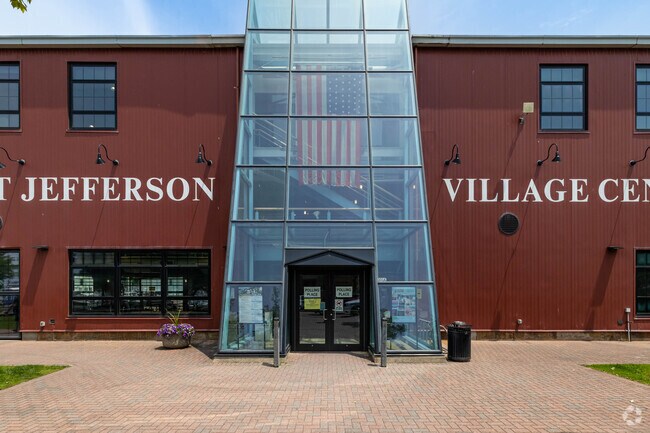
New visitors cannot miss the iconic Port Jefferson Village Center when visiting New York.
Port Jefferson has plenty of great little shops and small stands to explore.
Centennial Park has a long strip of sandy beach for residents to enjoy.
Relax in the gazebo at Centennial Park.
Median Household Income
$119,735
Average: $153,291
Education
4,174
Residents Have a Degree
Job Market
4,209
Workers Employed
Median Age
45 Years
Largest Age Group
55-64 Years
Approximately 15% of Residents
Under 20
19%
Over 65
23%
Housing Distribution
Port Jefferson has more homeowners than renters.

Education Distribution
Review this city's overall education levels.

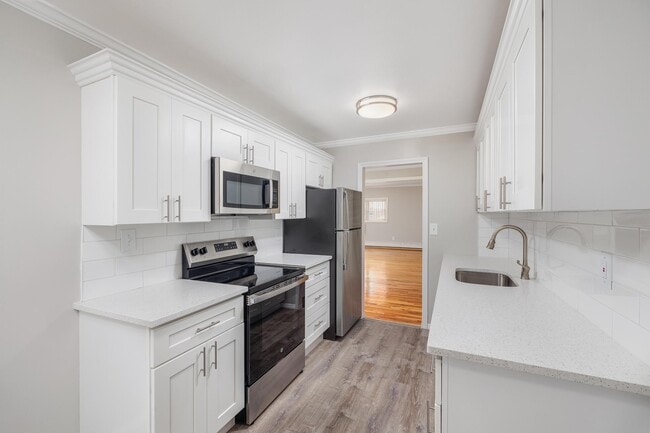
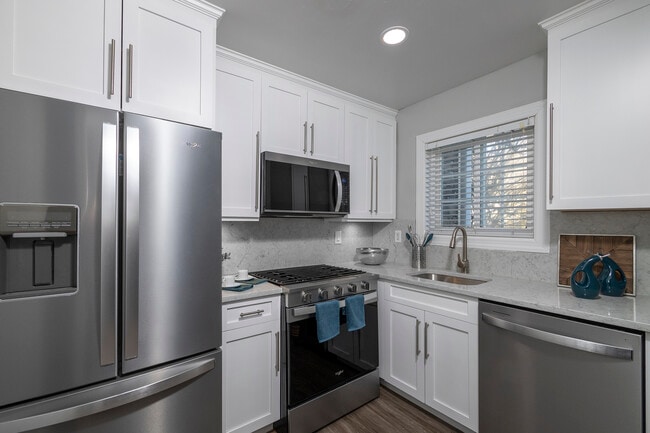
As of September 2026, the average apartment rent in Port Jefferson, NY is $2,432 for a studio, $2,674 for one bedroom, and $3,471 for two bedrooms. Apartment rent in Port Jefferson has decreased by 0.0% in the past year.
Explore how walkable, bikeable, drivable, and transit-friendly Port Jefferson, NY is for everyday living.
Moderately Walkable
Walkability
Limited Public Transit
Transit
Very Drivable
Drivability
Fairly Bikeable
Bikeability

Port Jefferson Elementary School
Public
Grades PK-5
369 Students

Public
Grades 6-8
224 Students

Earl L Vandermeulen High School
Public
Grades 9-12
313 Students

 The GreatSchools Rating helps parents compare schools within a state based on a variety of school quality indicators and provides a helpful picture of how effectively each school serves all of its students. Ratings are on a scale of 1 (below average) to 10 (above average) and can include test scores, college readiness, academic progress, advanced courses, equity, discipline and attendance data. We also advise parents to visit schools, consider other information on school performance and programs, and consider family needs as part of the school selection process.
View GreatSchools Rating Methodology
Data provided by
GreatSchools.org
© 2026. All rights reserved.
The GreatSchools Rating helps parents compare schools within a state based on a variety of school quality indicators and provides a helpful picture of how effectively each school serves all of its students. Ratings are on a scale of 1 (below average) to 10 (above average) and can include test scores, college readiness, academic progress, advanced courses, equity, discipline and attendance data. We also advise parents to visit schools, consider other information on school performance and programs, and consider family needs as part of the school selection process.
View GreatSchools Rating Methodology
Data provided by
GreatSchools.org
© 2026. All rights reserved.
† Our analysis of utilities, groceries, transportation, healthcare, home prices, and other goods and services is sourced from the Cost of Living Index, a respected benchmark published by the Council for Community and Economic Research (C2ER) that provides a thorough overview of living expenses across different regions.
Rent data is provided by CoStar Group’s Market Trend reports. As the industry leader in commercial real estate information, analytics, and news, CoStar conducts extensive research to produce and maintain a comprehensive database of commercial real estate information. We combine this data with public record to provide the most up-to-date rental information available.
Consumer goods, services, and home prices are sourced from the Cost of Living Index published by the Council for Community and Economic Research (C2ER). The data on this page is updated quarterly. It was last published in September 2026.
Demographic information comes from Neustar and combines detailed address data with U.S. Census and American Community Survey statistics to produce reliable local estimates.