Median Age
29 Years
Largest Age Group
20-29 Years
Approximately 26% of Residents
Under 20
28%
Over 65
9%



Avg Rent
$748
Population
25,960
Renter Mix
67% Rent
North Chicago is a Lake County city about 35 miles north of downtown Chicago, shaped by two powerful anchors that give it a character unlike most suburbs in the metro area. Naval Station Great Lakes, the U.S. Navy's only enlisted boot camp and largest training facility in the country, has defined the city for over a century and earned it the nickname the "Quarterdeck of the Navy." Alongside that military presence, Rosalind Franklin University of Medicine and Science, which includes the Chicago Medical School, draws researchers, healthcare professionals, and students who contribute to a steady academic and medical community.
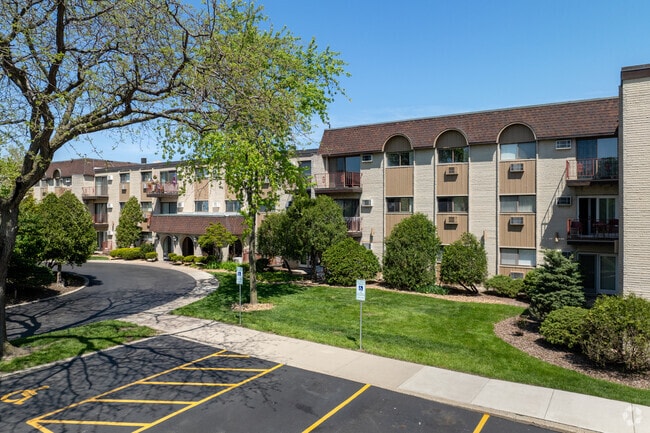
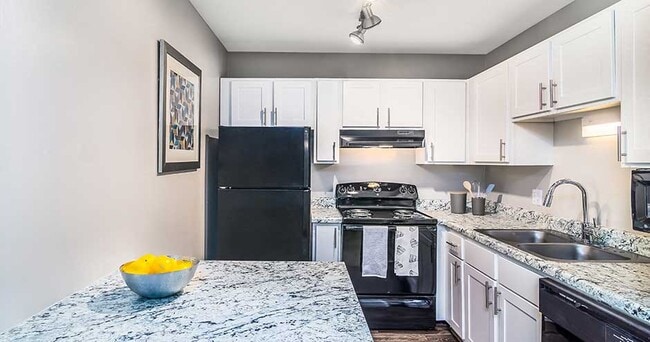
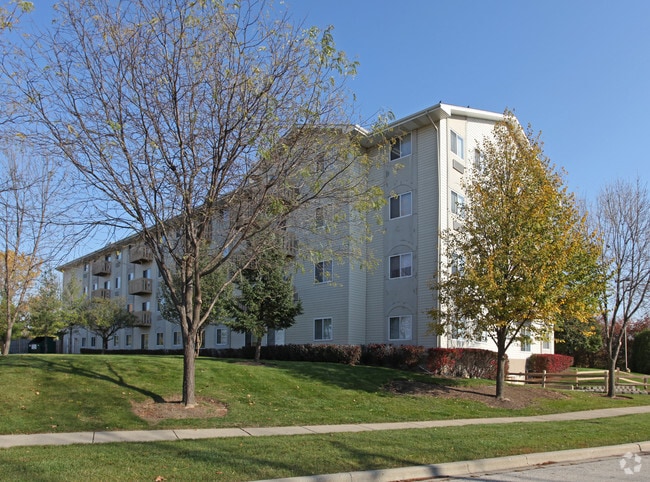
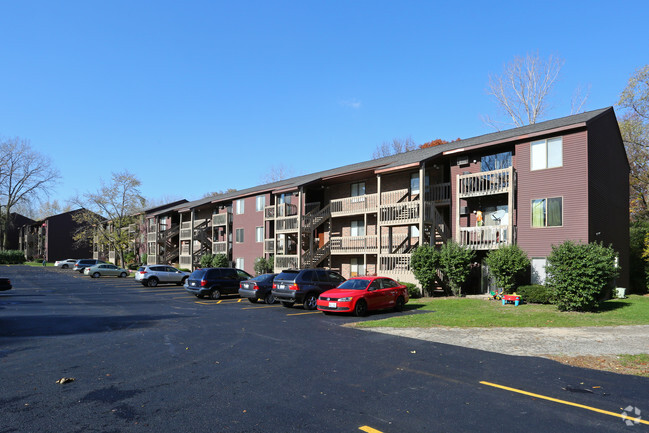
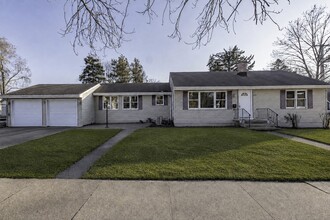
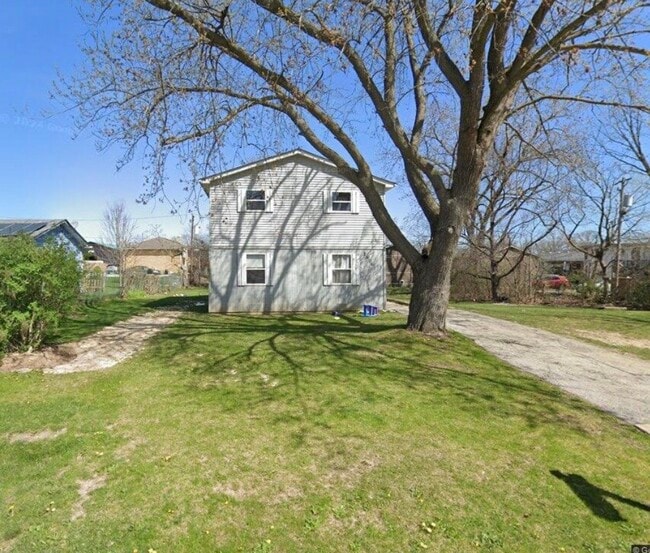
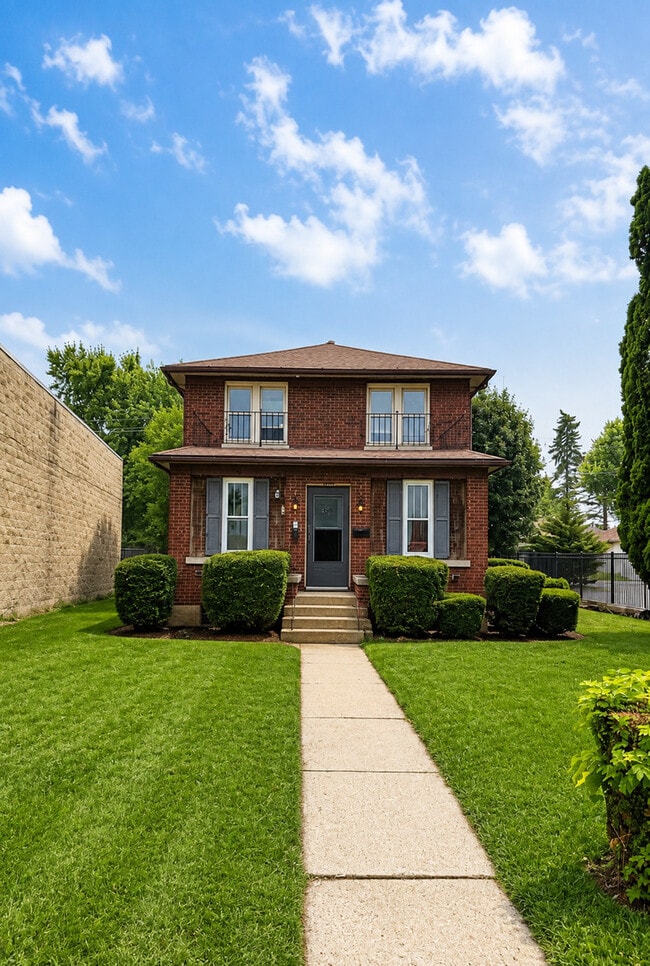
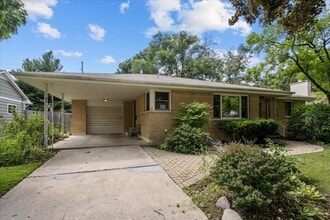
The city spans roughly nine square miles and carries a compact feel. Metra rail service connects residents to downtown Chicago without needing a car, making it a practical base for commuters. The rental market leans toward affordable apartment communities, with a range of floor plans. The housing stock tends toward traditional brick construction common throughout the greater Chicago area. The city borders Waukegan to the north and sits close to Lake Bluff and Lake Forest, giving residents easy access to the North Shore's lakefront paths, forest preserves, and retail corridors while maintaining a lower-key, grounded atmosphere of its own.
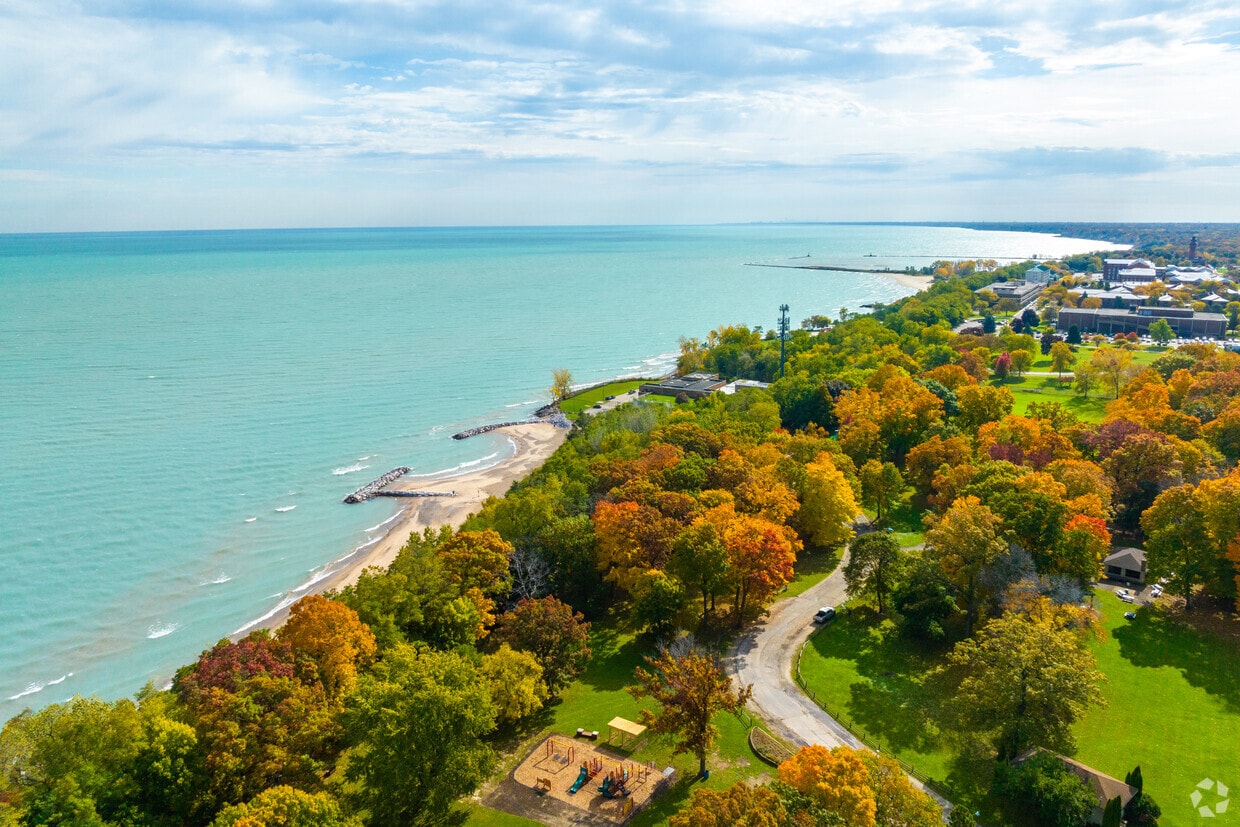
The Greenbelt Forest Preserve shows wonderful color in the fall.
Walking trail through the Greenbelt Nature Preserve.
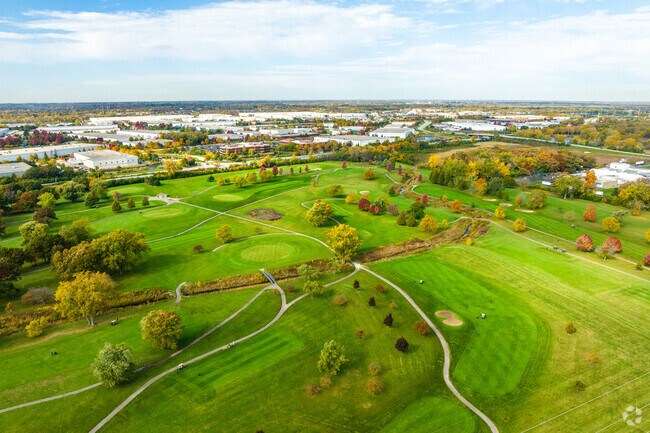
North Chicago's Public Golf Course features a great view.
Golfers enjoy a scenic fall day on the course.
Foss Park has a baseball field that is convertible.
North Chicago is home to Rosalind Franklin University.
Median Household Income
$50,271
Average: $65,830
Education
4,647
Residents Have a Degree
Job Market
9,180
Workers Employed
Median Age
29 Years
Largest Age Group
20-29 Years
Approximately 26% of Residents
Under 20
28%
Over 65
9%
Housing Distribution
North Chicago has more renters than homeowners.

Education Distribution
Review this city's overall education levels.

As of September 2026, the average apartment rent in North Chicago, IL is $596 for a studio, $748 for one bedroom, $837 for two bedrooms, and $988 for three bedrooms. Apartment rent in North Chicago has increased by 1.7% in the past year.
Explore how walkable, bikeable, drivable, and transit-friendly North Chicago, IL is for everyday living.
Fairly Walkable
Walkability
Limited Public Transit
Transit
Very Drivable
Drivability
Fairly Bikeable
Bikeability

Public
Grades K-8
297 Students

Public
Grades K-5
376 Students

Public
Grades K-5
348 Students

Public
Grades K-5
408 Students
Howard A Yeager Elementary School
Public
Grades 3-5
271 Students

Public
Grades 6-8
592 Students
Public
Grades K-8
297 Students
Public
Grades 6
306 Students
North Chicago Community High School
Public
Grades 9-12
848 Students
 The GreatSchools Rating helps parents compare schools within a state based on a variety of school quality indicators and provides a helpful picture of how effectively each school serves all of its students. Ratings are on a scale of 1 (below average) to 10 (above average) and can include test scores, college readiness, academic progress, advanced courses, equity, discipline and attendance data. We also advise parents to visit schools, consider other information on school performance and programs, and consider family needs as part of the school selection process.
View GreatSchools Rating Methodology
Data provided by
GreatSchools.org
© 2026. All rights reserved.
The GreatSchools Rating helps parents compare schools within a state based on a variety of school quality indicators and provides a helpful picture of how effectively each school serves all of its students. Ratings are on a scale of 1 (below average) to 10 (above average) and can include test scores, college readiness, academic progress, advanced courses, equity, discipline and attendance data. We also advise parents to visit schools, consider other information on school performance and programs, and consider family needs as part of the school selection process.
View GreatSchools Rating Methodology
Data provided by
GreatSchools.org
© 2026. All rights reserved.
† Our analysis of utilities, groceries, transportation, healthcare, home prices, and other goods and services is sourced from the Cost of Living Index, a respected benchmark published by the Council for Community and Economic Research (C2ER) that provides a thorough overview of living expenses across different regions.
Rent data is provided by CoStar Group’s Market Trend reports. As the industry leader in commercial real estate information, analytics, and news, CoStar conducts extensive research to produce and maintain a comprehensive database of commercial real estate information. We combine this data with public record to provide the most up-to-date rental information available.
Consumer goods, services, and home prices are sourced from the Cost of Living Index published by the Council for Community and Economic Research (C2ER). The data on this page is updated quarterly. It was last published in September 2026.
Demographic information comes from Neustar and combines detailed address data with U.S. Census and American Community Survey statistics to produce reliable local estimates.