Median Age
39 Years
Largest Age Group
35-44 Years
Approximately 14% of Residents
Under 20
25%
Over 65
18%

Avg Rent
$1,042
Population
26,893
Renter Mix
34% Rent
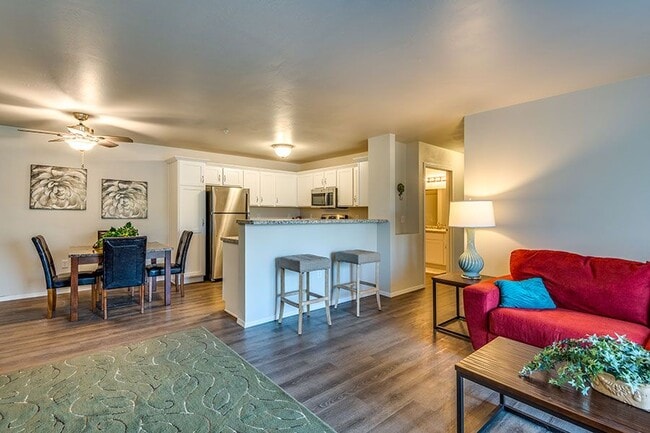
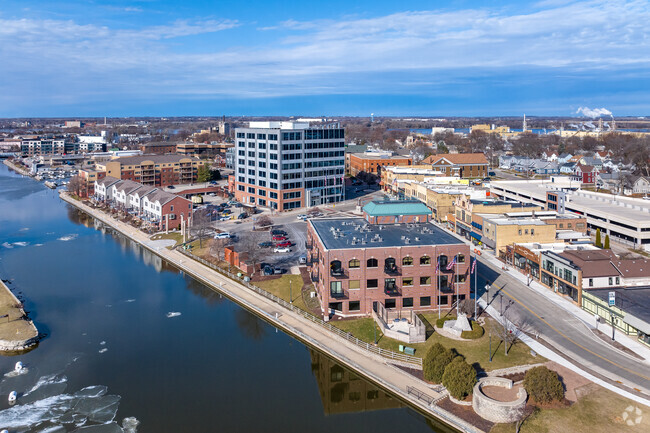
Neenah lies in the Fox River Valley, on the banks of Lake Winnebago, Little Lake Butte des Morts, and the Fox River. Situated in Winnebago County, Neenah offers residents the spirit of small-town America coupled with the convenience of the fastest growing urban center in Wisconsin—the Fox Cities metropolitan area.
Water-related activities are popular in Neenah, from fishing to kayaking and everything in between. Numerous scenic parks lend space for a variety of outdoor recreation such as hiking, biking, and picnicking.
Neenah residents come together for regular events like the Fox Cities Book Festival, Seafood Fest, StreetBall, concerts, camps, and more. Neenah’s downtown area also serves as a gathering place with a bevy of boutiques, coffee shops, and restaurants. The Bergstrom-Mahler Museum of Glass features an array of fascinating rotating exhibits as well.
Neighboring Appleton offers a broad range of attractions and amenities just minutes from Neenah. Green Bay is also located about 40 miles northeast of Neenah. Commuting and traveling from Neenah is easy with access to the I-41 and Appleton International Airport.
Median Household Income
$69,480
Average: $87,197
Education
7,307
Residents Have a Degree
Job Market
14,544
Workers Employed
Median Age
39 Years
Largest Age Group
35-44 Years
Approximately 14% of Residents
Under 20
25%
Over 65
18%
Housing Distribution
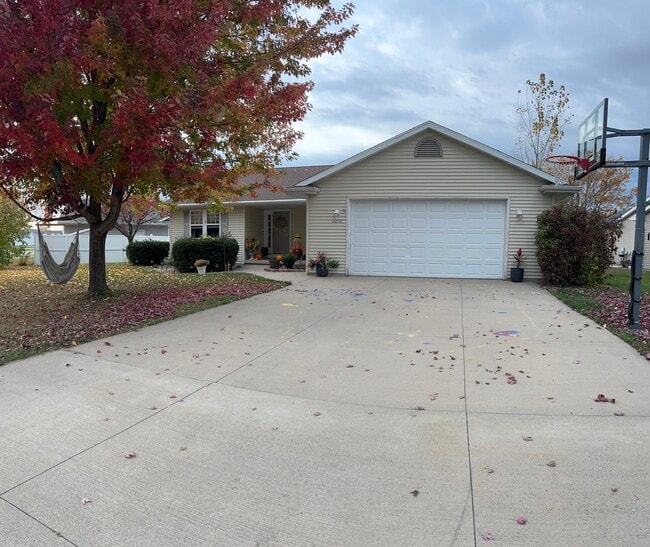
Neenah has more homeowners than renters.

Education Distribution
Review this city's overall education levels.

As of September 2026, the average apartment rent in Neenah, WI is $1,010 for a studio, $1,047 for one bedroom, $1,367 for two bedrooms, and $1,331 for three bedrooms. Apartment rent in Neenah has increased by 2.4% in the past year.
The cost of living in Neenah, WI is 2.6% lower than the national average. Generally, housing in Neenah is 0.2% more expensive than the national average, with rent falling between $1,010 - $1,367. You can expect to pay 0.2% less for groceries, 12.7% less for utilities, and 7.2% less for transportation.
Compare Cities
Explore how walkable, bikeable, drivable, and transit-friendly Neenah, WI is for everyday living.
Fairly Walkable
Walkability
Minimal Public Transit
Transit
Exceptionally Drivable
Drivability
Fairly Bikeable
Bikeability

Public
Grades K-5
317 Students

Public
Grades K-5
123 Students
Public
Grades K-5
392 Students

Public
Grades K-5
343 Students
Public
Grades PK-5
225 Students
Public
Grades K-8
1,913 Students

Public
Grades 9-12
1,943 Students
Public
Grades 9-12
1,943 Students
 The GreatSchools Rating helps parents compare schools within a state based on a variety of school quality indicators and provides a helpful picture of how effectively each school serves all of its students. Ratings are on a scale of 1 (below average) to 10 (above average) and can include test scores, college readiness, academic progress, advanced courses, equity, discipline and attendance data. We also advise parents to visit schools, consider other information on school performance and programs, and consider family needs as part of the school selection process.
View GreatSchools Rating Methodology
Data provided by
GreatSchools.org
© 2026. All rights reserved.
The GreatSchools Rating helps parents compare schools within a state based on a variety of school quality indicators and provides a helpful picture of how effectively each school serves all of its students. Ratings are on a scale of 1 (below average) to 10 (above average) and can include test scores, college readiness, academic progress, advanced courses, equity, discipline and attendance data. We also advise parents to visit schools, consider other information on school performance and programs, and consider family needs as part of the school selection process.
View GreatSchools Rating Methodology
Data provided by
GreatSchools.org
© 2026. All rights reserved.
† Our analysis of utilities, groceries, transportation, healthcare, home prices, and other goods and services is sourced from the Cost of Living Index, a respected benchmark published by the Council for Community and Economic Research (C2ER) that provides a thorough overview of living expenses across different regions.
Rent data is provided by CoStar Group’s Market Trend reports. As the industry leader in commercial real estate information, analytics, and news, CoStar conducts extensive research to produce and maintain a comprehensive database of commercial real estate information. We combine this data with public record to provide the most up-to-date rental information available.
Consumer goods, services, and home prices are sourced from the Cost of Living Index published by the Council for Community and Economic Research (C2ER). The data on this page is updated quarterly. It was last published in September 2026.
Demographic information comes from Neustar and combines detailed address data with U.S. Census and American Community Survey statistics to produce reliable local estimates.