Median Age
38 Years
Largest Age Group
30-39 Years
Approximately 14% of Residents
Under 20
25%
Over 65
19%



Avg Rent
$1,336
Population
36,530
Renter Mix
36% Rent
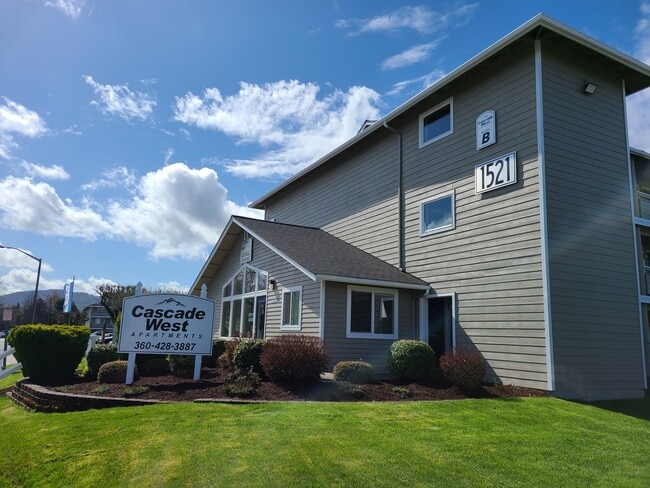
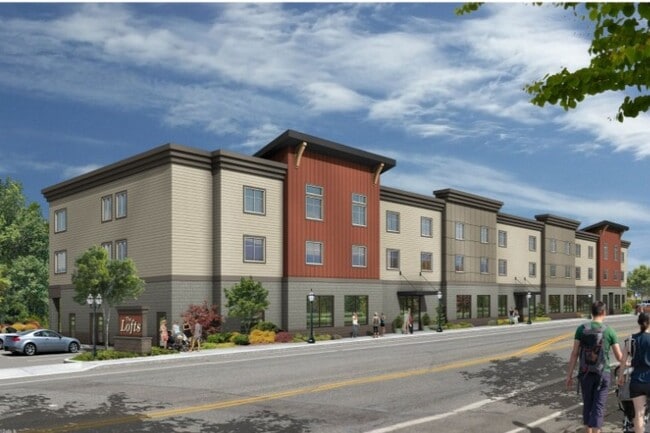
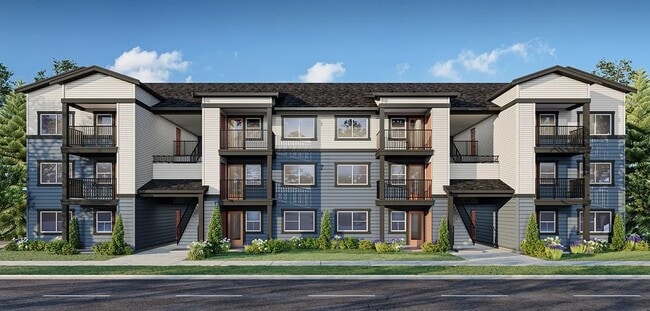
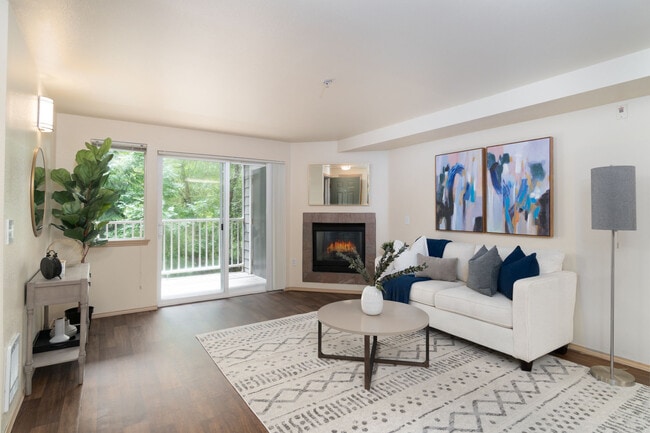
Mount Vernon is the county seat of Skagit County, Washington, located in the Skagit River Valley about halfway between Seattle and the Canadian border. The city is probably best recognized as the home of the annual Skagit Valley Tulip Festival, a beloved regional tradition that brings visitors from across the Pacific Northwest to see millions of tulips in bloom every spring. With a population of around 36,000, Mount Vernon has a genuine small-city feel while keeping you well-connected to major destinations throughout the region. Renters exploring apartments in Mount Vernon will find a community anchored by agriculture, healthcare, and local commerce, with Skagit Valley College just minutes from downtown. Housing options here run the gamut, from garden-style apartment communities and townhomes to smaller walk-up buildings spread across the city. Downtown along First Street is a draw for renters who want to be close to local restaurants, shops, and the Skagit River waterfront. College Way is the city's main commercial corridor, lined with retail, dining, and everyday services that make it easy to run errands without going far. And if outdoor access matters to you, Mount Vernon delivers: the North Cascades, nearby lakes, and Port Susan Bay are all within a short drive. Getting around is straightforward. Interstate 5 runs directly through the city, putting Everett and Seattle to the south and Bellingham to the north well within reach. For those who prefer not to drive, the Mount Vernon Amtrak Station offers rail service along the Cascades route for regional commuting and travel. Major employers in the area include Skagit Valley Hospital, the local school district, and a range of agricultural and manufacturing businesses throughout the county. If you're looking for a smaller Pacific Northwest city with real outdoor recreation, a walkable downtown, and easy access to larger metros, Mount Vernon is a solid option worth exploring.
For family fun, Lakewood residents head to Roozengaarden Tulip Festival in Mount Vernon.
Median Household Income
$63,593
Average: $84,799
Education
8,049
Residents Have a Degree
Job Market
17,057
Workers Employed
Median Age
38 Years
Largest Age Group
30-39 Years
Approximately 14% of Residents
Under 20
25%
Over 65
19%
Housing Distribution
Mount Vernon has more homeowners than renters.

Education Distribution
Review this city's overall education levels.

As of August 2026, the average apartment rent in Mount Vernon, WA is $1,112 for a studio, $1,336 for one bedroom, $1,494 for two bedrooms, and $1,890 for three bedrooms. Apartment rent in Mount Vernon has increased by 3.4% in the past year.
The cost of living in Mount Vernon, WA is 19.3% higher than the national average. Generally, housing in Mount Vernon is 37.8% more expensive than the national average, with rent falling between $1,112 - $1,890. You can expect to pay 8.6% more for groceries, 4.8% more for utilities, and 17.1% more for transportation.
Compare Cities
Explore how walkable, bikeable, drivable, and transit-friendly Mount Vernon, WA is for everyday living.
Fairly Walkable
Walkability
Exceptionally Drivable
Drivability
Fairly Bikeable
Bikeability

Public
Grades K-8
434 Students

Public
Grades K-5
271 Students
Public
Grades K-5
512 Students

Public
Grades K-5
502 Students
Public
Grades K-5
455 Students
Public
Grades K-8
434 Students
Public
Grades 6-8
679 Students

Public
Grades 6-8
547 Students

Public
Grades PK-12
147 Students

Public
Grades 9-12
1,841 Students
Public
Grades PK-12
147 Students
Public
Grades 9-12
102 Students
 The GreatSchools Rating helps parents compare schools within a state based on a variety of school quality indicators and provides a helpful picture of how effectively each school serves all of its students. Ratings are on a scale of 1 (below average) to 10 (above average) and can include test scores, college readiness, academic progress, advanced courses, equity, discipline and attendance data. We also advise parents to visit schools, consider other information on school performance and programs, and consider family needs as part of the school selection process.
View GreatSchools Rating Methodology
Data provided by
GreatSchools.org
© 2026. All rights reserved.
The GreatSchools Rating helps parents compare schools within a state based on a variety of school quality indicators and provides a helpful picture of how effectively each school serves all of its students. Ratings are on a scale of 1 (below average) to 10 (above average) and can include test scores, college readiness, academic progress, advanced courses, equity, discipline and attendance data. We also advise parents to visit schools, consider other information on school performance and programs, and consider family needs as part of the school selection process.
View GreatSchools Rating Methodology
Data provided by
GreatSchools.org
© 2026. All rights reserved.
† Our analysis of utilities, groceries, transportation, healthcare, home prices, and other goods and services is sourced from the Cost of Living Index, a respected benchmark published by the Council for Community and Economic Research (C2ER) that provides a thorough overview of living expenses across different regions.
Rent data is provided by CoStar Group’s Market Trend reports. As the industry leader in commercial real estate information, analytics, and news, CoStar conducts extensive research to produce and maintain a comprehensive database of commercial real estate information. We combine this data with public record to provide the most up-to-date rental information available.
Consumer goods, services, and home prices are sourced from the Cost of Living Index published by the Council for Community and Economic Research (C2ER). The data on this page is updated quarterly. It was last published in June 2026.
Demographic information comes from Neustar and combines detailed address data with U.S. Census and American Community Survey statistics to produce reliable local estimates.