5 Most Affordable Neighborhoods in Memphis, TN
Experience all Memphis offers without breaking the bank. Explore our detailed guide to moving to Memphis on a budget.





Avg Rent
$1,044
Population
629,404
Renter Mix
57% Rent
Memphis sits on a high bluff above the Mississippi River, carrying the weight of American musical history alongside a present-day economy that moves at a serious pace. FedEx, AutoZone, and International Paper all call the city home, giving the metro area a broad commercial foundation that extends well beyond tourism. The University of Memphis and St. Jude Children's Research Hospital add major educational and medical anchors that draw people from across the country. Known as the birthplace of rock and roll and the cradle of the blues, Memphis shaped the soundtrack of a nation — Sun Studio, Graceland, and the Stax Museum of American Soul Music stand as living proof.
Neighborhoods here each carry their own personality. Midtown offers tree-lined streets and proximity to Overton Park, while Downtown and South Main attract those who want converted warehouse lofts close to the riverfront and the National Civil Rights Museum. Crosstown Concourse anchors its namesake district with a mixed-use creative hub, and East Memphis delivers quieter, more suburban settings near Shelby Farms Park. The rental landscape reflects that range — garden-style apartment communities, historic bungalows, high-rise options Downtown, and spacious townhomes spread across a city that remains notably affordable compared to most major metros.
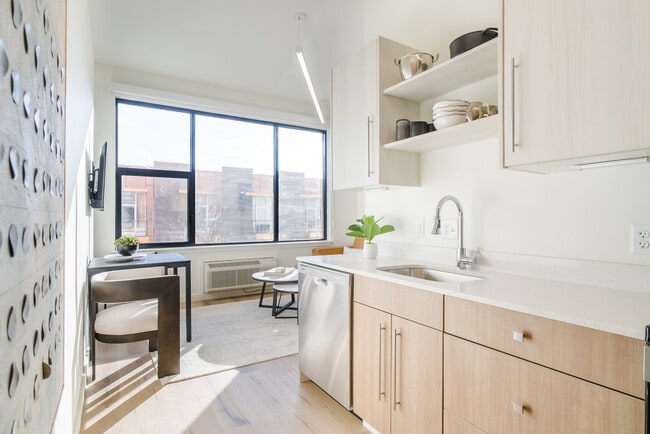
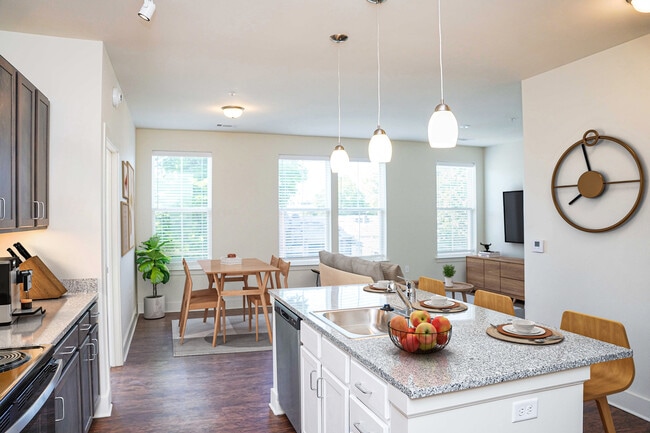
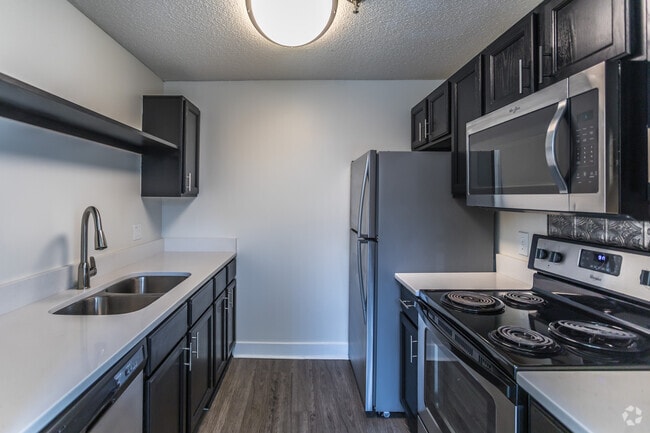
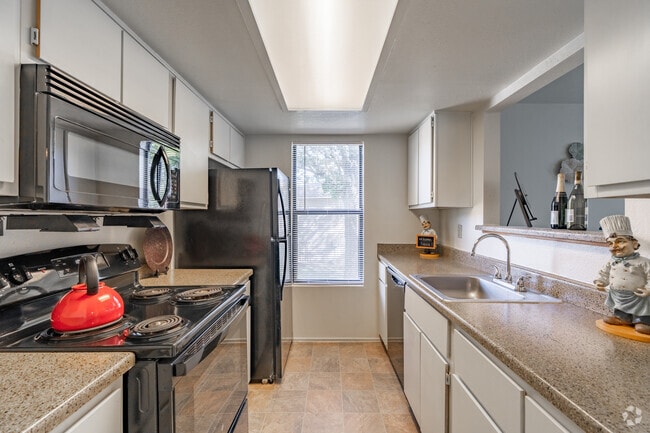
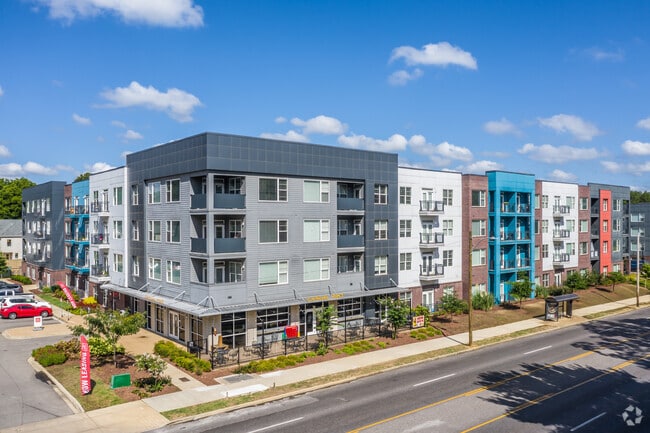
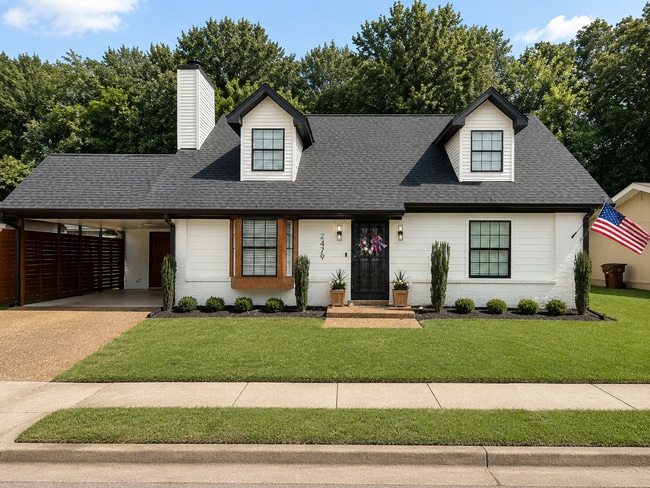
Apartment communities fill the streets of Memphis.
Shelby Farms in Memphis is a local favorite spot for paddle boarding and water activities.
The FedEx Forum is located in Downtown Memphis just off Beale Street.
Le Bonheur Children's Hospital and St. Jude Children's Research Hospital make Memphis a vital national hub for pediatric medicine.
Autozone Park hosts the local Memphis Redbirds baseball team.
The Memphis music powerhouse, Sun Studios.
Median Household Income
$45,276
Average: $67,300
Education
138,317
Residents Have a Degree
Job Market
293,171
Workers Employed
Median Age
36 Years
Largest Age Group
25-34 Years
Approximately 15% of Residents
Under 20
27%
Over 65
16%
Housing Distribution
Memphis has more renters than homeowners.

Education Distribution
Review this city's overall education levels.

As of September 2026, the average apartment rent in Memphis, TN is $952 for a studio, $1,045 for one bedroom, $1,087 for two bedrooms, and $1,292 for three bedrooms. Apartment rent in Memphis has increased by 0.9% in the past year.
The cost of living in Memphis, TN is 10.8% lower than the national average. Generally, housing in Memphis is 16.3% less expensive than the national average, with rent falling between $952 - $1,292. You can expect to pay 1.5% less for groceries, 15.9% less for utilities, and 13.6% less for transportation.
Compare Cities

5 Most Affordable Neighborhoods in Memphis, TN
Experience all Memphis offers without breaking the bank. Explore our detailed guide to moving to Memphis on a budget.

Best Neighborhoods in Memphis for Renters
Don’t know where to start your Memphis rental search? Here are five Memphis neighborhoods perfect for renters.

How to Take a Virtual Apartment Tour
3D tours do more than show rooms—measure walls, walk in VR, and spot red flags before visiting in person.
Explore how walkable, bikeable, drivable, and transit-friendly Memphis, TN is for everyday living.
Fairly Walkable
Walkability
Limited Public Transit
Transit
Moderately Drivable
Drivability
Fairly Bikeable
Bikeability

Public
Grades PK-5
870 Students

Public
Grades PK-5
641 Students

Public
Grades K-5
593 Students
Public
Grades K-5
413 Students
Public
Grades PK-5
403 Students
Public
Grades 6-8
439 Students
Public
Grades 6-8
1,127 Students
Public
Grades 6-8
264 Students
John P. Freeman Optional School
Public
Grades K-8
432 Students

Memphis Grizzlies Preparatory Charter School
Public
Grades K-8
306 Students
Public
Grades 9-12
583 Students
Public
Grades 9-12
304 Students
Public
Grades 9-12
280 Students
Public
Grades 9-12
146 Students
Public
Grades 9-12
1,840 Students
 The GreatSchools Rating helps parents compare schools within a state based on a variety of school quality indicators and provides a helpful picture of how effectively each school serves all of its students. Ratings are on a scale of 1 (below average) to 10 (above average) and can include test scores, college readiness, academic progress, advanced courses, equity, discipline and attendance data. We also advise parents to visit schools, consider other information on school performance and programs, and consider family needs as part of the school selection process.
View GreatSchools Rating Methodology
Data provided by
GreatSchools.org
© 2026. All rights reserved.
The GreatSchools Rating helps parents compare schools within a state based on a variety of school quality indicators and provides a helpful picture of how effectively each school serves all of its students. Ratings are on a scale of 1 (below average) to 10 (above average) and can include test scores, college readiness, academic progress, advanced courses, equity, discipline and attendance data. We also advise parents to visit schools, consider other information on school performance and programs, and consider family needs as part of the school selection process.
View GreatSchools Rating Methodology
Data provided by
GreatSchools.org
© 2026. All rights reserved.
† Our analysis of utilities, groceries, transportation, healthcare, home prices, and other goods and services is sourced from the Cost of Living Index, a respected benchmark published by the Council for Community and Economic Research (C2ER) that provides a thorough overview of living expenses across different regions.
Rent data is provided by CoStar Group’s Market Trend reports. As the industry leader in commercial real estate information, analytics, and news, CoStar conducts extensive research to produce and maintain a comprehensive database of commercial real estate information. We combine this data with public record to provide the most up-to-date rental information available.
Consumer goods, services, and home prices are sourced from the Cost of Living Index published by the Council for Community and Economic Research (C2ER). The data on this page is updated quarterly. It was last published in September 2026.
Demographic information comes from Neustar and combines detailed address data with U.S. Census and American Community Survey statistics to produce reliable local estimates.