Background Image

Area Guide

Meeting House Hill Boston, MA

Meeting House Hill rises above the surrounding streets of Dorchester, Boston's largest neighborhood, carrying a sense of history earned over nearly four centuries. Atop this hill stands the First Parish Church of Dorchester, the oldest religious organization in present-day Boston, with roots tracing back to the Puritan settlers who arrived in the 1630s. That founding legacy gives the neighborhood a character that feels grounded and distinctly its own, even as it remains a well-connected part of a living city.

Day-to-day life here blends the ease of a walkable residential enclave with the reach of greater Boston. The neighborhood earns a Walk Score of 90, and proximity to Fields Corner keeps everyday errands practical. Boston College High School anchors the immediate area as a long-standing institutional presence, while UMass Boston sits a short drive away. The housing stock reflects Dorchester's classic triple-decker tradition, with multi-unit buildings alongside two- and three-family homes. Downtown Boston is accessible via the Red Line at nearby Fields Corner, putting the city's employment centers, universities, and waterfront within easy reach.

Learn More About Meeting House Hill

Getting Around

Exceptionally Walkable

Walkability

90 / 100

Good Public Transit

Transit

60 / 100

Fairly Drivable

Drivability

40 / 100

Moderately Bikeable

Bikeability

60 / 100

Daily Essentials

Supermarket Within a 5 Minute Walk

Groceries

90 / 100

Great Restaurant Variety Nearby

Restaurants

80 / 100

Great Café Variety Nearby

Cafes

80 / 100

Great Variety of Shops Nearby

Shopping

80 / 100

Recreation

Exceptional Amount of Park Space Nearby

Parks

100 / 100

Great Wellness Amenity Variety Nearby

Wellness

80 / 100

Local Vibe

Vibrant Atmosphere at Times

Vibrancy

50 / 100

Good Nightlife Variety Nearby

Nightlife

70 / 100

Not Noisy

Quiet Score

90 / 100

Points of Interest

Parks and Recreation

  • Lower Neponset River Trail
  • Franklin Park Zoo
  • Dorchester Shores Reservation
  • Roxbury Heritage State Park
  • Squantum Point Park

Airports

  • General Edward Lawrence Logan International

Top Apartments in Meeting House Hill

Houses for Rent in Meeting House Hill

Living in Meeting House Hill

History

-

Meeting House Hill takes its name from the hilltop where Puritan settlers established their original meeting house in the 1630s, and that founding moment remains tangible today. The First Parish Church of Dorchester, a Unitarian-Universalist congregation tracing its roots to that original gathering, still stands atop the hill and holds the distinction of being the oldest religious organization in present-day Boston. Its presence gives the neighborhood a visible historical anchor that predates the city's more celebrated landmarks by only a few years. The elevated site itself, chosen by those early settlers for both practical and symbolic reasons, continues to shape the neighborhood's character and its views over the surrounding Dorchester streetscape.

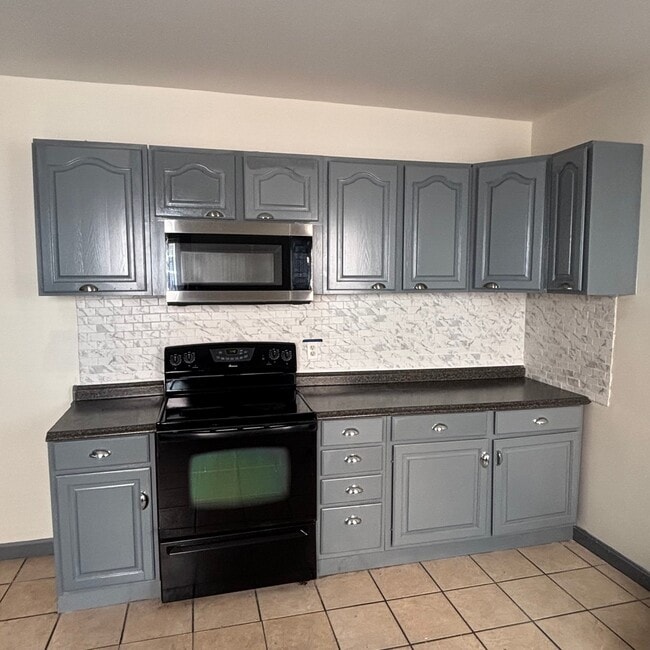
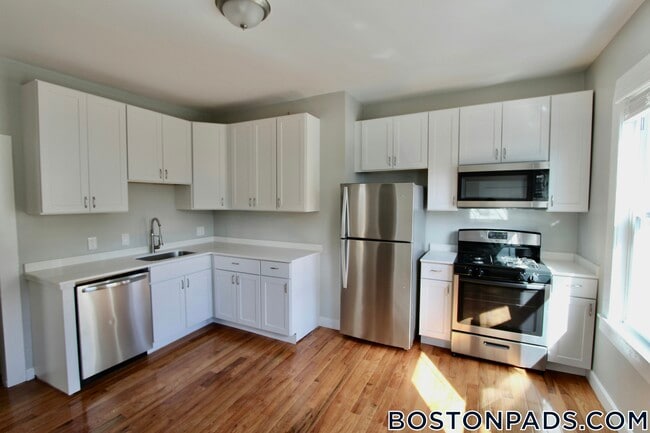
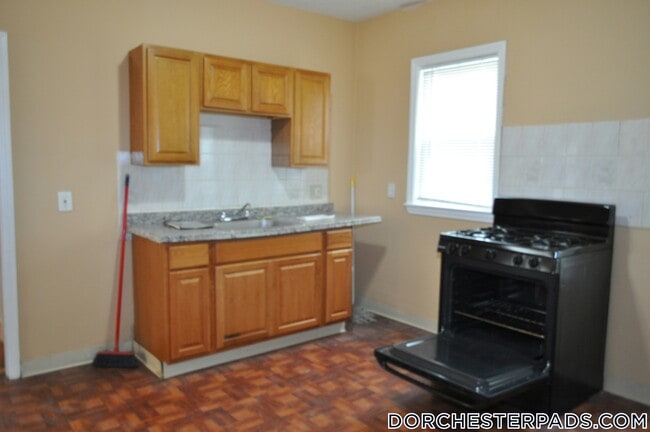
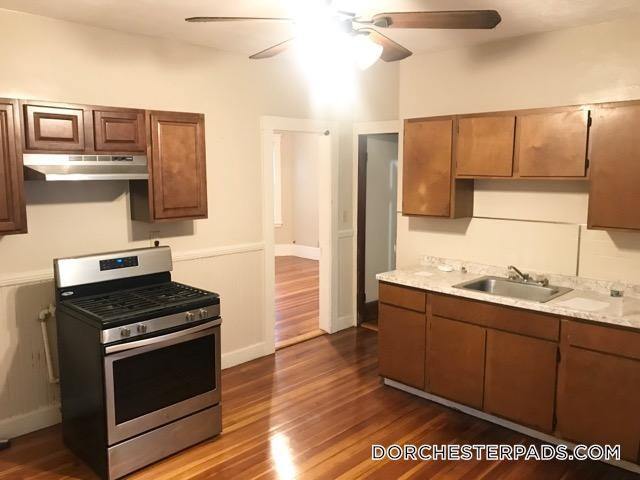
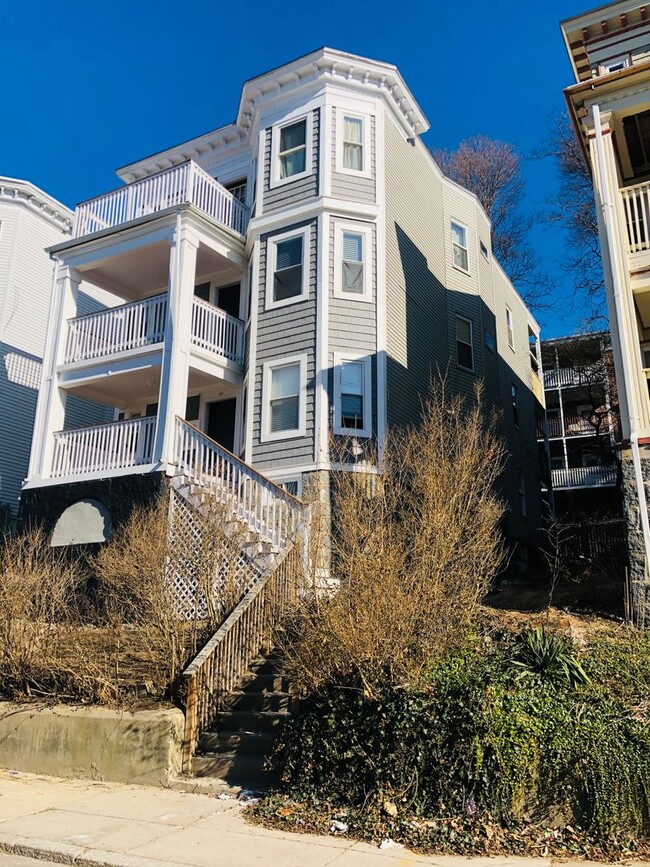
Below that hilltop anchor, the neighborhood's residential fabric reflects Dorchester's architectural signature: the triple-decker. These wood-frame, three-story buildings were constructed in large numbers during the late 19th and early 20th centuries to house the working population drawn to Boston during its industrial expansion. Many have since been converted into apartment units, giving renters a chance to live in housing with genuine historical character rather than modern reproduction. The streets running off the hill preserve much of that period scale and rhythm, making Meeting House Hill one of the more intact examples of Dorchester's built history.

Restaurants

-

Meeting House Hill sits within Dorchester, one of Boston's most culturally diverse neighborhoods, and that diversity translates directly into the dining options available to residents. The Fields Corner area, about a mile away, serves as a culinary hub with a strong concentration of Vietnamese restaurants, bakeries, and grocery stores that reflect the neighborhood's longstanding Vietnamese-American community. Pho, banh mi, and Vietnamese sandwiches are staples along Dorchester Avenue, making the corridor one of the most recognized destinations for Vietnamese food in all of Boston. Beyond Fields Corner, residents have access to Cape Verdean, West Indian, and American comfort food scattered throughout the surrounding Dorchester streets, along with quick access to the broader Boston dining scene via the Red Line.

Transportation

-

Meeting House Hill sits within easy reach of the Red Line, with Fields Corner station less than a mile away and Savin Hill station roughly a mile and a half out, putting downtown Boston and the Longwood Medical Area within a manageable commute. The MBTA also serves the broader Dorchester area with commuter rail stops at Uphams Corner and JFK/UMass, extending options for those who travel across the metro regularly. Dorchester Avenue, the main road running through the area, connects residents southward toward Ashmont and northward toward downtown, while I-93 provides regional highway access for drivers. The neighborhood's Walk Score of 90 reflects how much daily life can be handled on foot, and Logan International Airport is roughly 13 minutes away by car.

Parks

-

Dorchester Shores Reservation, just about a mile from Meeting House Hill, brings residents to the edge of Boston Harbor with open lawns, waterfront paths, and views across the water toward the Harbor Islands. Nearby, the Lower Neponset River Trail offers a multi-use path for walking, running, and cycling along the river corridor. Franklin Park, part of Frederick Law Olmsted's Emerald Necklace, is roughly four minutes away and stands as one of the largest green spaces in Boston, featuring a golf course, ball fields, tennis courts, and the Franklin Park Zoo. Roxbury Heritage State Park is also within a short drive, rounding out a surprisingly varied collection of outdoor options for a residential neighborhood this close to downtown.

Cost

-

Meeting House Hill sits within Dorchester, which generally offers more accessible rents than Boston's higher-profile neighborhoods closer to downtown. Studio apartments in the area average $2,987 per month, one-bedrooms average $3,637, two-bedrooms average $4,551, and three-bedrooms average $5,961. The housing stock is primarily triple-deckers and multi-unit buildings, reflecting Dorchester's architectural tradition. Boston's overall cost of living runs about 48 percent above the national average, with housing costs roughly 120 percent higher than the national benchmark, situating Meeting House Hill within one of the country's more expensive rental markets despite its relative position within the city.

Shopping

-

Shopping in Meeting House Hill centers on Dorchester Avenue, the main commercial spine running through the broader neighborhood. The stretch near Fields Corner, less than a mile away, anchors everyday retail for residents, with groceries, specialty food shops, and services reflecting the area's Vietnamese-American, Cape Verdean, and West Indian communities. A small retail cluster sits right along Dorchester Avenue near the neighborhood itself. For broader shopping needs, downtown Boston's pedestrian retail corridor at Downtown Crossing is accessible by the Red Line, and Newbury Street in Back Bay offers a well-known stretch of street-level boutiques and storefronts.

Highlights

-

Perched atop Dorchester, Boston's largest neighborhood, Meeting House Hill is home to the First Parish Church of Dorchester — the oldest religious organization in present-day Boston, with roots reaching back to the 1630s. A Walk Score of 90, Red Line access at nearby Fields Corner, proximity to Franklin Park, and a classic triple-decker housing stock make this elevated, historically grounded corner of the city a well-connected place to put down roots.

Search Nearby Rentals

Methodology

† Our analysis of utilities, groceries, transportation, healthcare, home prices, and other goods and services is sourced from the Cost of Living Index, a respected benchmark published by the Council for Community and Economic Research (C2ER) that provides a thorough overview of living expenses across different regions.

Rent data is provided by CoStar Group’s Market Trend reports. As the industry leader in commercial real estate information, analytics, and news, CoStar conducts extensive research to produce and maintain a comprehensive database of commercial real estate information. We combine this data with public record to provide the most up-to-date rental information available.

Consumer goods, services, and home prices are sourced from the Cost of Living Index published by the Council for Community and Economic Research (C2ER). The data on this page is updated quarterly. It was last published in June 2026.

Demographic information comes from Neustar and combines detailed address data with U.S. Census and American Community Survey statistics to produce reliable local estimates.