Median Age
38 Years
Largest Age Group
10-19 Years
Approximately 15% of Residents
Under 20
27%
Over 65
16%

Avg Rent
$1,411
Population
71,519
Renter Mix
16% Rent
Maricopa is one of Arizona's fastest-growing cities, rising out of Pinal County's Sonoran Desert landscape to become a full-scale community with a personality all its own. Sitting about 30 miles south of Phoenix, it draws people who want room to breathe without sacrificing access to a major metro area. The city's growth has been deliberate and steady, building out neighborhoods, schools, and civic infrastructure alongside its expanding population of over 76,000 residents.
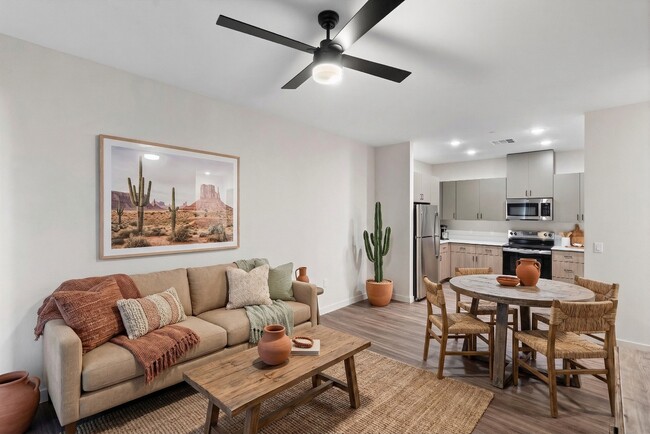
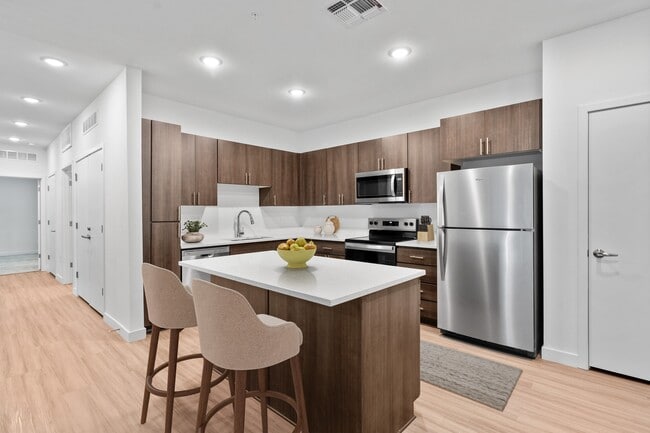
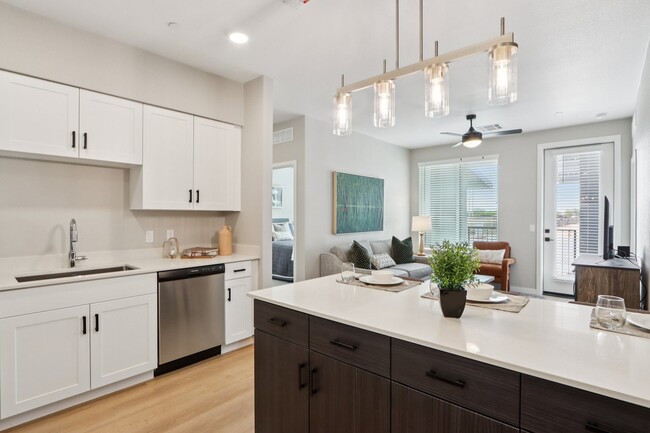
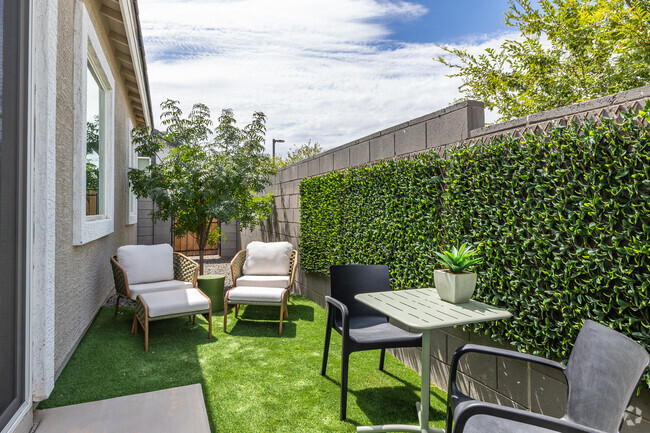
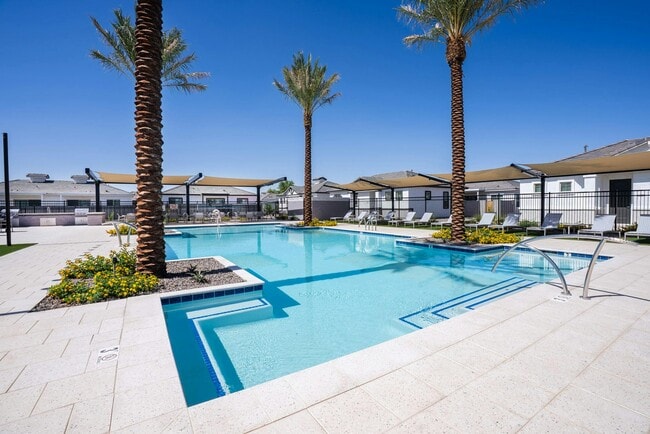
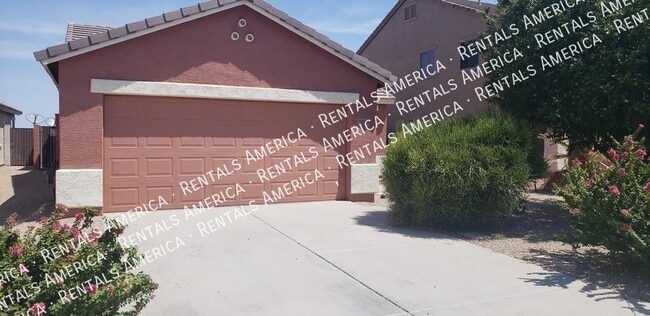
Arizona State University's Polytechnic campus is a short drive away, and Central Arizona College maintains a presence that keeps educational opportunity close at hand. Maricopa's neighborhoods range from master-planned communities with shared amenities and open desert views to quieter residential pockets where the pace slows considerably. The housing mix reflects the city's relatively recent development, with newer single-family homes, townhomes, and apartment communities offering open floor plans, contemporary finishes, and outdoor living spaces designed for the Arizona climate.
Life here has an unhurried quality that larger cities rarely offer. The desert setting is genuinely stunning, and the city's growth has not come at the cost of that wide-open character. Maricopa holds a historically significant place in Arizona's story, as the area was once a vital relay station along the Butterfield Overland Mail route in the 1800s, connecting the Southwest to the rest of the country.
Median Household Income
$90,443
Average: $101,172
Education
14,071
Residents Have a Degree
Job Market
34,898
Workers Employed
Median Age
38 Years
Largest Age Group
10-19 Years
Approximately 15% of Residents
Under 20
27%
Over 65
16%
Housing Distribution
Maricopa has more homeowners than renters.

Education Distribution
Review this city's overall education levels.

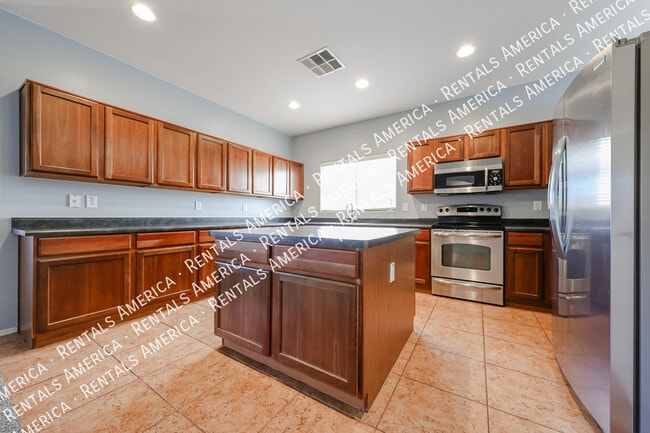
As of August 2026, the average apartment rent in Maricopa, AZ is $1,354 for a studio, $1,415 for one bedroom, $1,618 for two bedrooms, and $1,824 for three bedrooms. Apartment rent in Maricopa has decreased by -14.8% in the past year.
Explore how walkable, bikeable, drivable, and transit-friendly Maricopa, AZ is for everyday living.
Somewhat Walkable
Walkability
Exceptionally Drivable
Drivability
Moderately Bikeable
Bikeability

Legacy Traditional School - Maricopa K-8
Public
Grades K-8
1,360 Students

Public
Grades PK-5
407 Students

Public
Grades PK-5
524 Students

Public
Grades PK-5
936 Students

Public
Grades K-8
872 Students
Legacy Traditional School - Maricopa K-8
Public
Grades K-8
1,360 Students
Public
Grades 6-12
1,838 Students
Public
Grades 6-8
939 Students
Public
Grades K-8
872 Students
Public
Grades K-12
671 Students
Public
Grades 6-12
1,838 Students
Public
Grades 9-12
1,230 Students
Public
Grades K-12
671 Students
Public
Grades 5-12
90 Students
Cavit - Desert Sunrise High School
Public
Grades 9-12

 The GreatSchools Rating helps parents compare schools within a state based on a variety of school quality indicators and provides a helpful picture of how effectively each school serves all of its students. Ratings are on a scale of 1 (below average) to 10 (above average) and can include test scores, college readiness, academic progress, advanced courses, equity, discipline and attendance data. We also advise parents to visit schools, consider other information on school performance and programs, and consider family needs as part of the school selection process.
View GreatSchools Rating Methodology
Data provided by
GreatSchools.org
© 2026. All rights reserved.
The GreatSchools Rating helps parents compare schools within a state based on a variety of school quality indicators and provides a helpful picture of how effectively each school serves all of its students. Ratings are on a scale of 1 (below average) to 10 (above average) and can include test scores, college readiness, academic progress, advanced courses, equity, discipline and attendance data. We also advise parents to visit schools, consider other information on school performance and programs, and consider family needs as part of the school selection process.
View GreatSchools Rating Methodology
Data provided by
GreatSchools.org
© 2026. All rights reserved.
† Our analysis of utilities, groceries, transportation, healthcare, home prices, and other goods and services is sourced from the Cost of Living Index, a respected benchmark published by the Council for Community and Economic Research (C2ER) that provides a thorough overview of living expenses across different regions.
Rent data is provided by CoStar Group’s Market Trend reports. As the industry leader in commercial real estate information, analytics, and news, CoStar conducts extensive research to produce and maintain a comprehensive database of commercial real estate information. We combine this data with public record to provide the most up-to-date rental information available.
Consumer goods, services, and home prices are sourced from the Cost of Living Index published by the Council for Community and Economic Research (C2ER). The data on this page is updated quarterly. It was last published in June 2026.
Demographic information comes from Neustar and combines detailed address data with U.S. Census and American Community Survey statistics to produce reliable local estimates.