Background Image

Lebanon, OR Area Guide

Avg Rent

$1,302

Population

20,510

Renter Mix

43% Rent

Delight in the charms of the city that friendliness built

Riverside Close-Knit Welcoming

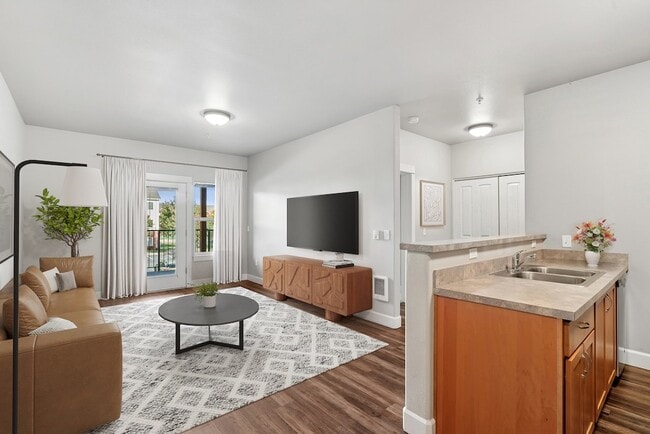
Lebanon, Oregon sits along the South Santiam River at the eastern edge of the Willamette Valley, with the Cascade Range just to the east and a relaxed, small-town pace that feels genuinely different from larger Oregon cities. The city is home to Western University of Health Sciences' College of Osteopathic Medicine of the Pacific–Northwest, the only osteopathic medical school in Oregon, making it a notable anchor for healthcare in the region. If you're searching for apartments for rent in Lebanon, you'll find a city that has grown steadily while holding onto its welcoming, close-knit character. Renters here have solid options: garden-style apartment communities, single-level units, and smaller walk-up buildings spread across the city's residential neighborhoods. Downtown along Main Street, you'll find local breweries, cafes, thrift stores, and shops that make everyday errands and dining easy. Outdoor recreation is a big part of life in Lebanon: Cheadle Lake, McDowell Creek Falls, and the Santiam River offer year-round options for walking, cycling, and getting outside. The city also hosts community events like the Strawberry Festival that bring residents together throughout the year. Location-wise, Lebanon is well-connected. Corvallis is just 18 miles west via US-20, Albany is about 25 miles away, and Salem is roughly 35 miles out. Portland is reachable in about 90 minutes. For rail travel, the Albany Amtrak Station is around 24 minutes away. Linn-Benton Community College and Oregon State University in Corvallis are both within a 30-minute drive, adding educational and job opportunities nearby. Between the outdoor access, local amenities, and regional connections, Lebanon is a practical and genuinely pleasant place to rent.

Demographics

Median Household Income

$52,523

Average: $69,234

Education

3,366

Residents Have a Degree

Job Market

9,219

Workers Employed

Age Distribution
Get a sense of this area's population profile.

Median Age

38 Years

Largest Age Group

30-39 Years

Approximately 16% of Residents

Under 20

25%

Over 65

19%
Housing Distribution

Lebanon has more homeowners than renters.

Renters
43%
Non-Renters
57%

Education Distribution

Review this city's overall education levels.

Bachelor's or Higher
13%
Other Education
87%

Rent Trends

As of July 2026, the average apartment rent in Lebanon, OR is $1,222 for a studio, $1,310 for one bedroom, $1,540 for two bedrooms, and $1,672 for three bedrooms. Apartment rent in Lebanon has increased by 1.2% in the past year.

Property Type
Average Rent
Average Sq Ft
Apartment
$1,310/month
674 Sq Ft
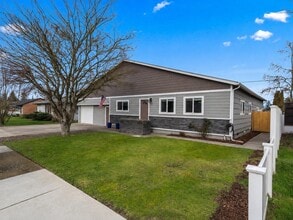
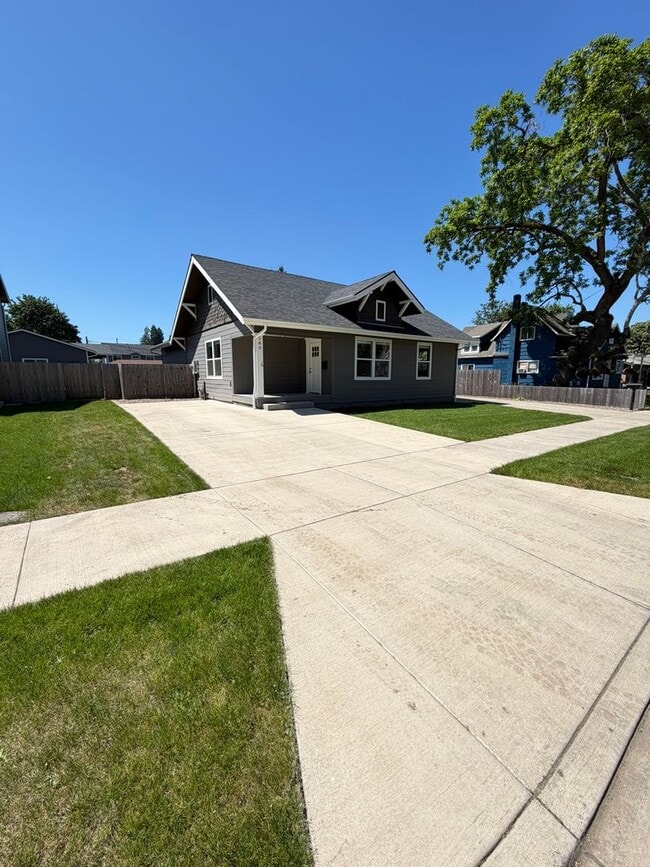
House
$2,314/month
1,631 Sq Ft
See Rental Market Trends in Lebanon, OR

Learn More About Lebanon

Getting Around

Exceptionally Drivable

Drivability

100 / 100

Somewhat Bikeable

Bikeability

20 / 100

Schools

Riverview School

Public

Grades K-5

423 Students

Green Acres School

Public

Grades K-5

293 Students

Cascades School

Public

Grades K-5

283 Students

Pioneer School

Public

Grades K-5

261 Students

Hamilton Creek School

Public

Grades K-8

252 Students

Seven Oak Middle School

Public

Grades 6-8

676 Students

Hamilton Creek School

Public

Grades K-8

252 Students

Lacomb School

Public

Grades K-8

228 Students

Lebanon High School

Public

Grades 9-12

1,162 Students

Points of Interest

Top Apartments in Lebanon

Houses for Rent in Lebanon

Living in Lebanon

History

-

Lebanon traces its roots to the mid-1800s when pioneers traveling the Oregon Trail began settling in the fertile Willamette Valley. The town was platted in 1851 and named after Lebanon, Tennessee, by Jeremiah Ralston, one of its founding settlers. Its location along the South Santiam River made it an ideal spot for early sawmills and agricultural operations, setting the stage for Lebanon's long-standing connection to timber and farming industries that still influence the local economy today.

Visitors to downtown Lebanon can explore the town's preserved historic character through its collection of early 20th-century buildings and storefronts. The city celebrates its heritage through annual events like the Lebanon Strawberry Festival, which has been a community tradition since the 1920s, highlighting the area's agricultural roots. The region's connection to Oregon's pioneering past is visible in local museums and historic sites, offering residents a tangible connection to the state's westward expansion era.

Restaurants

-

Lebanon's dining scene reflects the character of a welcoming small town in Oregon's Willamette Valley, where locally-owned eateries and family-run restaurants form the heart of the community. Downtown Lebanon offers a mix of classic American diners, Mexican restaurants, and casual cafes that have served residents for generations. Local favorites include traditional breakfast spots where regulars gather for morning coffee, pizzerias perfect for dinners with friends, and burger joints that draw crowds for comfort food classics. The city's agricultural setting influences several menus, with fresh, seasonal ingredients appearing in daily specials.

Beyond downtown, Lebanon features a variety of dining options along the main corridors, from Asian cuisine and teriyaki grills to bakeries and sandwich shops ideal for a quick lunch. The restaurant landscape balances familiar chain establishments with independent restaurants that give the city its distinct flavor.

Transportation

-

Lebanon offers a small-town transportation experience centered around personal vehicles, with Highway 20 serving as the main corridor through the city connecting residents to the Willamette Valley and beyond. This east-west route provides direct access to Interstate 5, roughly 20 miles west, linking Lebanon to Albany, Corvallis, and the broader Portland metropolitan area about 75 miles north. State Route 34 intersects the city, offering an alternate route westward toward Corvallis and the Oregon Coast.

Public transportation options in Lebanon are limited compared to larger metropolitan areas, though Linn-Benton Loop provides dial-a-ride services for residents needing assistance with medical appointments and essential errands. Most daily commuting and errands rely on personal vehicles, with the compact downtown area offering some walkability for local shopping and dining. The closest major airport is Portland International Airport, approximately 90 miles north via I-5, while Eugene Airport provides another option about 45 miles south. For residents commuting to nearby employment centers in Albany or Corvallis, the drive typically ranges from 15 to 25 minutes, making Lebanon an accessible home base for those working throughout the mid-Willamette Valley.

Parks

-

Ralston Park is a central gathering spot with playground equipment, picnic areas, and sports fields where neighbors enjoy seasonal activities. River Park provides access to the South Santiam River, offering opportunities for fishing, walking along the water, and taking in natural scenery. The city maintains several smaller neighborhood parks equipped with basic amenities like basketball courts and open green spaces for recreational use.

Cheadle Lake, located just outside the city limits, attracts residents looking for hiking trails, birdwatching, and peaceful surroundings within a short drive. The area's proximity to the Cascade foothills means outdoor enthusiasts have access to additional trail systems and natural areas for exploration. Lebanon's parks and recreation department organizes community events throughout the year, including summer concerts and holiday celebrations that bring residents together.

Cost

-

Lebanon offers a cost of living that tends to be more affordable than many larger Oregon cities, making it an attractive option for those seeking value in the Willamette Valley. The housing market reflects the city's small-town character, with rental prices generally lower than the state average. One-bedroom apartments typically range from $900 to $1,200 per month, while two-bedroom units average between $1,100 and $1,400. These rates sit comfortably below the Oregon state average and significantly under what renters would find in Portland or Eugene. Beyond housing, everyday expenses like groceries, utilities, and transportation align closely with national averages, though residents benefit from Oregon's lack of sales tax. The combination of reasonable rents and manageable living costs makes Lebanon particularly appealing to renters looking to stretch their budgets while enjoying access to outdoor recreation and a close-knit community atmosphere.

Shopping

-

Downtown Lebanon is the heart of the shopping experience, where locally owned boutiques and specialty shops line the historic streets. The Lebanon Farmers Market operates seasonally, bringing fresh produce, handcrafted goods, and artisan products to the community. Residents appreciate the variety of independent retailers offering everything from antiques to home décor, creating a personalized shopping atmosphere that reflects the city's character.

For everyday needs and larger retail purchases, Lebanon provides several shopping centers and national chain stores along the main commercial corridors. The city's retail landscape includes grocery stores, hardware outlets, and general merchandise locations that serve both Lebanon residents and visitors from surrounding communities. This combination of hometown shops and convenient chain retailers creates a practical shopping environment where residents can support local businesses while also accessing the products and services they need for daily life.

Search Nearby Rentals

Methodology

† Our analysis of utilities, groceries, transportation, healthcare, home prices, and other goods and services is sourced from the Cost of Living Index, a respected benchmark published by the Council for Community and Economic Research (C2ER) that provides a thorough overview of living expenses across different regions.

Rent data is provided by CoStar Group’s Market Trend reports. As the industry leader in commercial real estate information, analytics, and news, CoStar conducts extensive research to produce and maintain a comprehensive database of commercial real estate information. We combine this data with public record to provide the most up-to-date rental information available.

Consumer goods, services, and home prices are sourced from the Cost of Living Index published by the Council for Community and Economic Research (C2ER). The data on this page is updated quarterly. It was last published in June 2026.

Demographic information comes from Neustar and combines detailed address data with U.S. Census and American Community Survey statistics to produce reliable local estimates.