Median Age
38 Years
Largest Age Group
30-39 Years
Approximately 21% of Residents
Under 20
20%
Over 65
16%



Avg Rent
$1,030
Population
48,013
Renter Mix
56% Rent
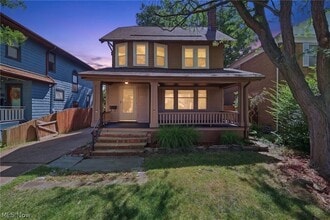
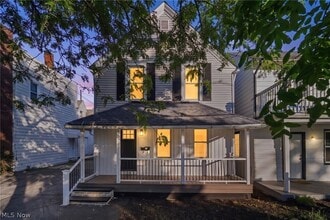
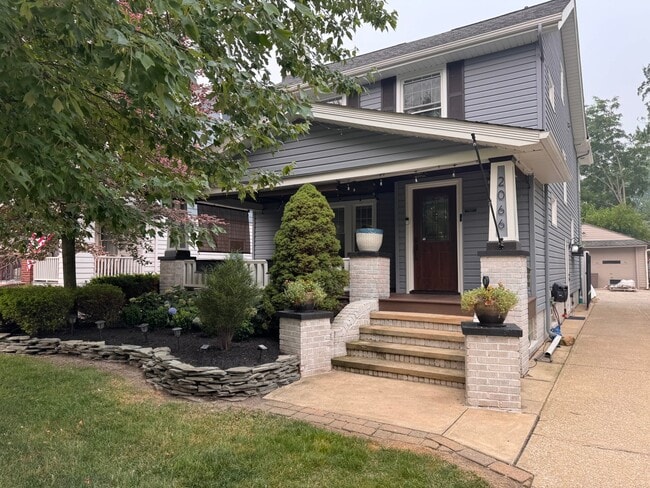
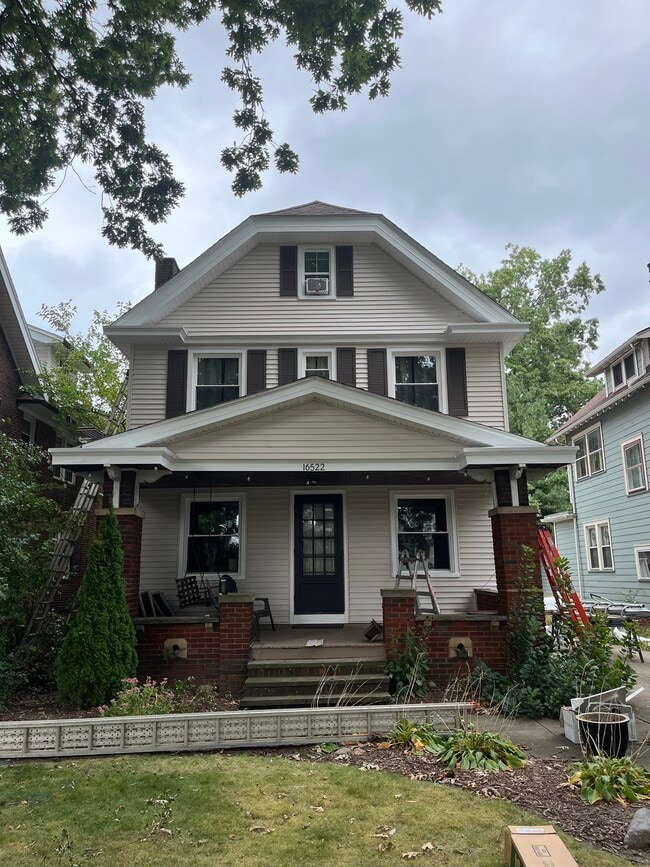
Lakewood sits on Lake Erie's southern shore just six miles west of downtown Cleveland, occupying only six square miles yet packing in a density and character that sets it apart from most Ohio suburbs. Originally developed as a streetcar suburb in the early 1900s, the city still carries traces of that era in its wide front porches, brick streets, and well-preserved architecture. It became an incorporated city by 1911 and has maintained its distinct identity ever since, functioning as a self-contained community that happens to border one of the country's major metros.
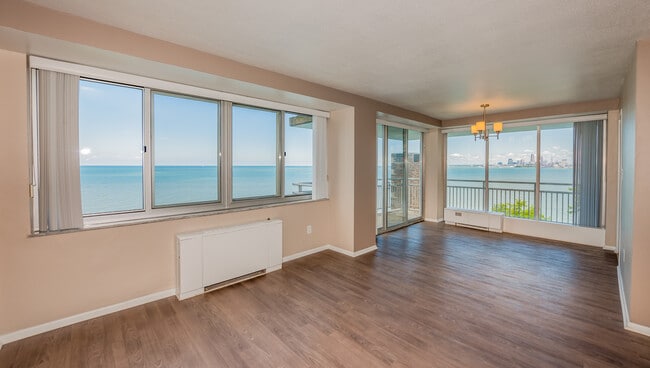
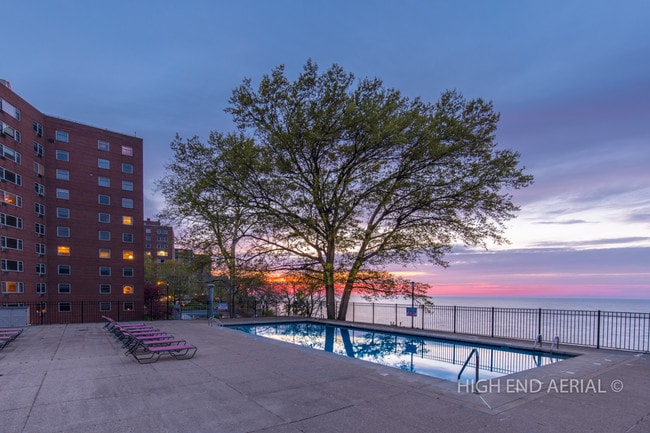
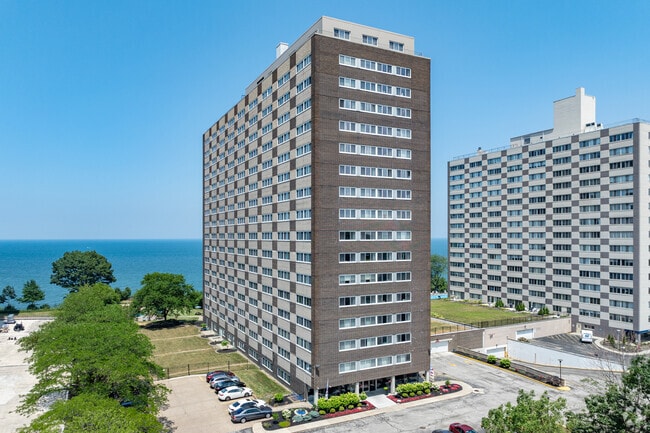
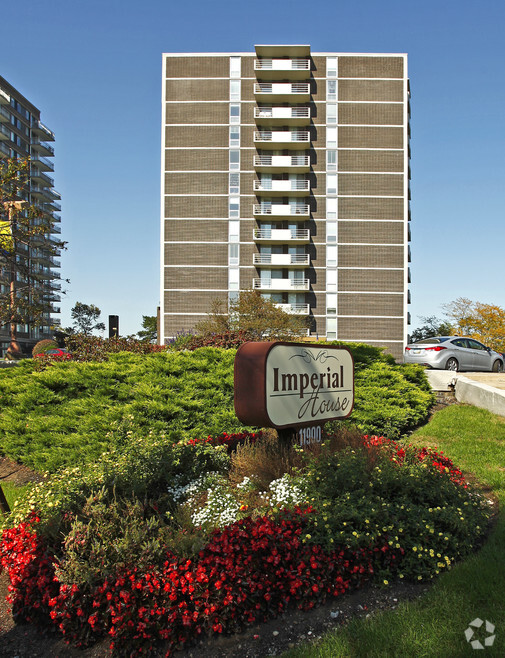
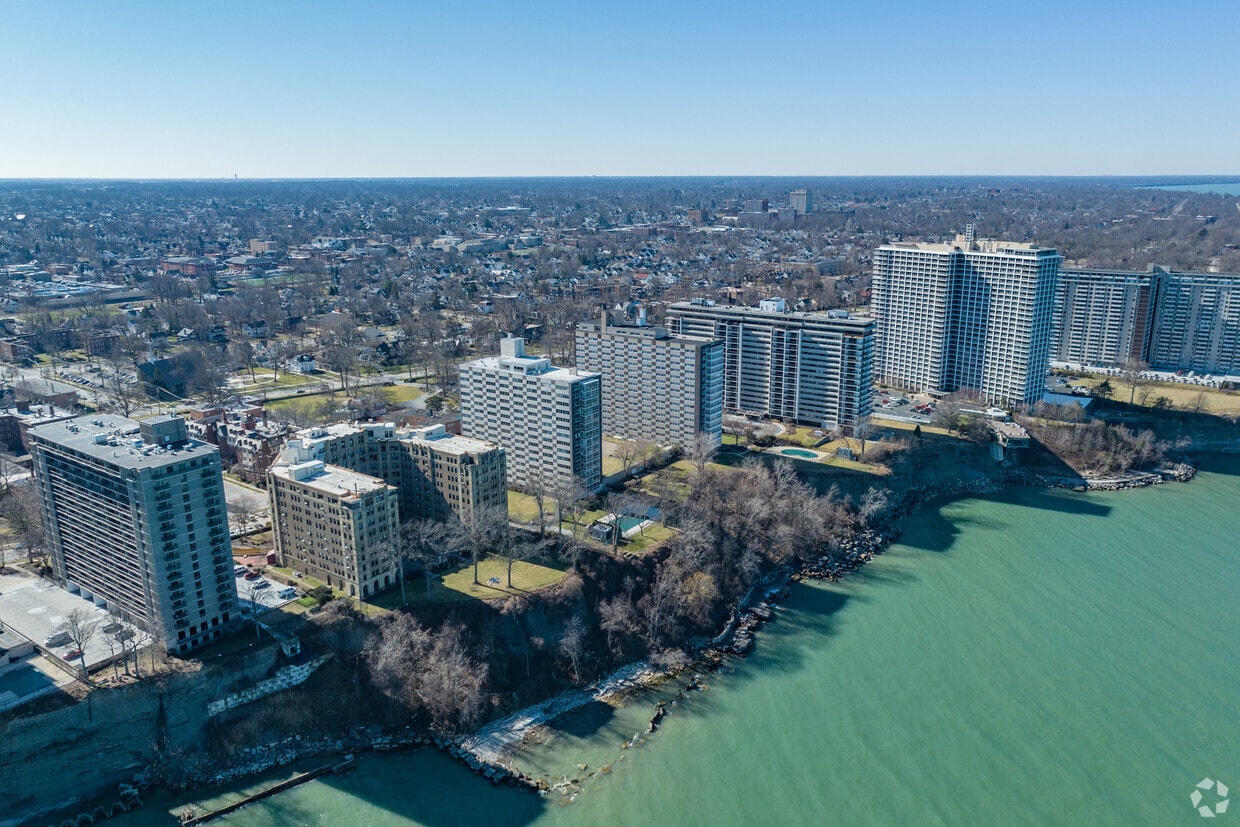
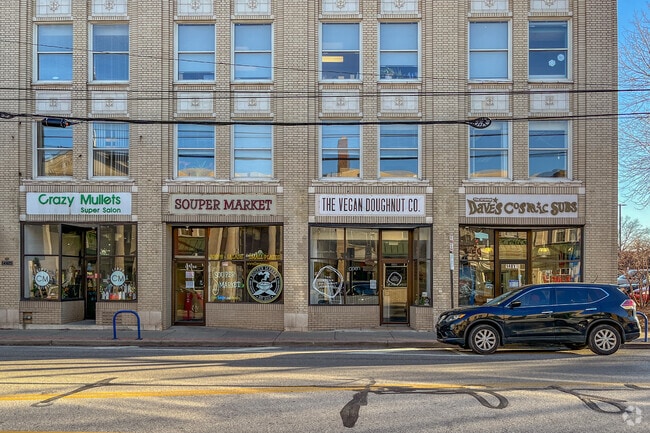
The city organizes itself around a few recognizable corridors. Detroit Avenue serves as the main commercial spine, lined with local shops, coffee spots, and neighborhood services. The Gold Coast along Lake Avenue draws renters who want water views and high-rise living, while areas near Madison Avenue offer older residential blocks with more architectural variety. Birdtown, the West End, and the Clifton Boulevard stretch each carry their own feel, giving renters genuine options depending on what kind of daily rhythm they prefer. The Beck Center for the Arts anchors cultural life on the east side, and Lakewood Park with its Solstice Steps provides direct lakefront access.
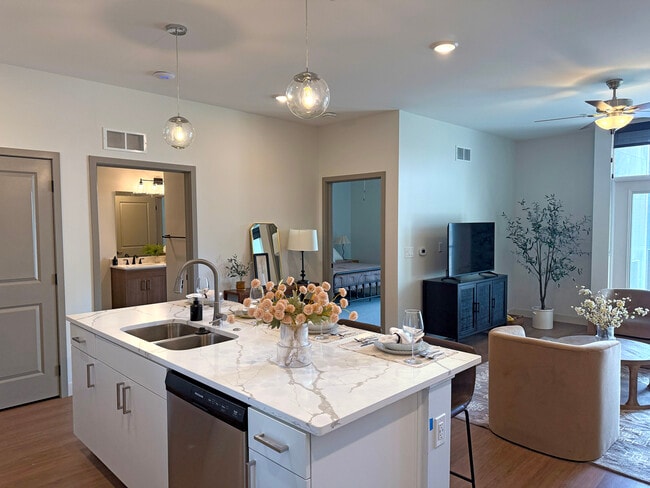
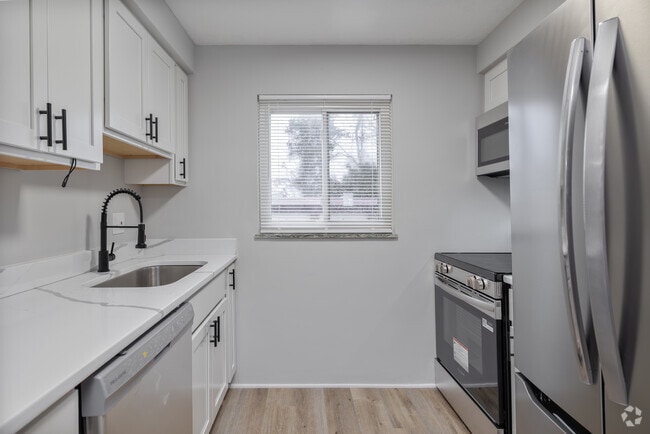
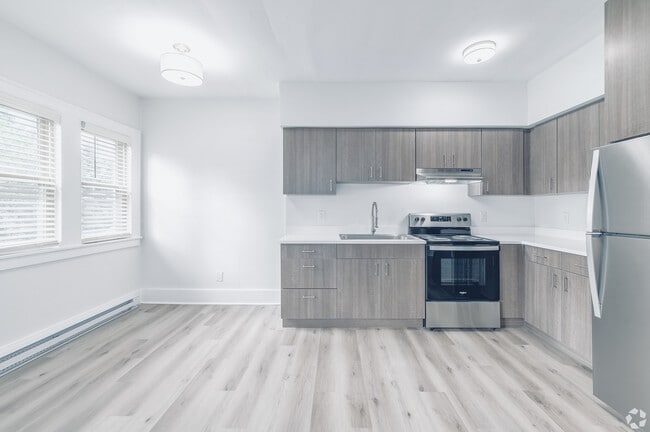
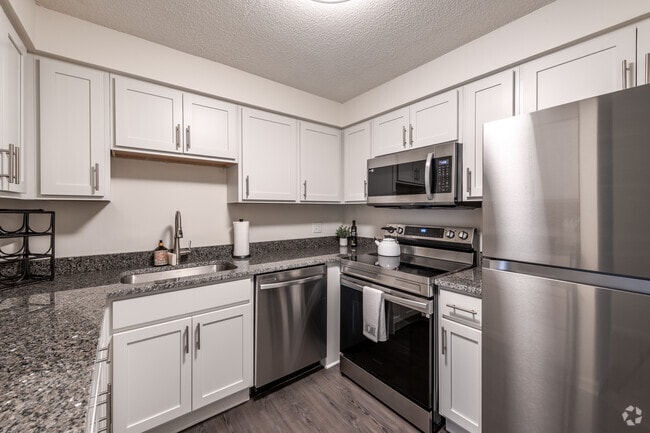
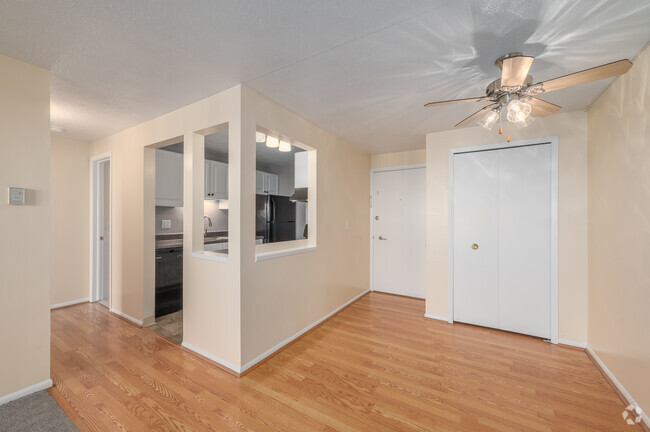
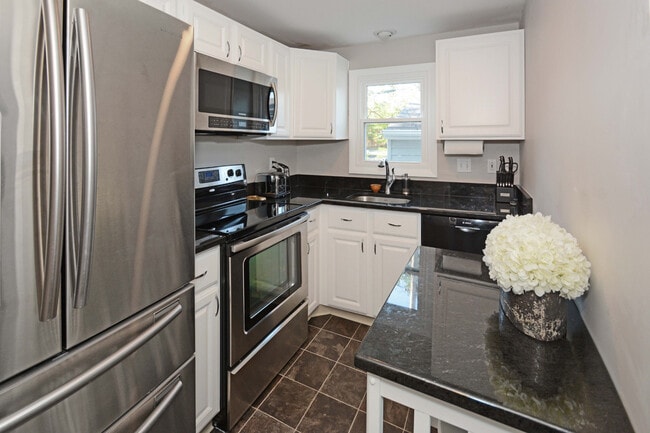
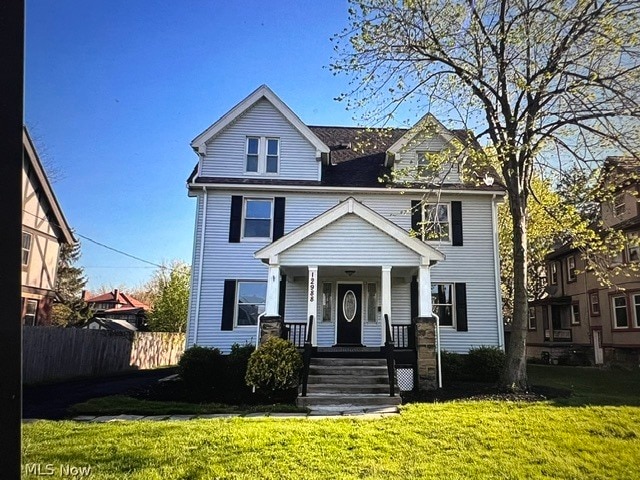
The housing stock reflects the city's layered history, ranging from walk-up apartment buildings and converted flats to sleek high-rise apartment communities along the lake. Renters looking for character-rich older buildings will find plenty, while those who prefer newer construction with amenity packages have solid options near the waterfront. The overall rental market stays more accessible than comparable Cleveland-adjacent cities, making Lakewood a practical choice for those who want proximity to a major urban center without paying metro-core prices.
Home Run Dog Park is a beautiful place to bring your four legged friends.
Median Household Income
$60,818
Average: $82,914
Education
21,659
Residents Have a Degree
Job Market
29,071
Workers Employed
Median Age
38 Years
Largest Age Group
30-39 Years
Approximately 21% of Residents
Under 20
20%
Over 65
16%
Housing Distribution
Lakewood has more renters than homeowners.

Education Distribution
Review this city's overall education levels.

As of August 2026, the average apartment rent in Lakewood, OH is $817 for a studio, $1,032 for one bedroom, $1,361 for two bedrooms, and $1,806 for three bedrooms. Apartment rent in Lakewood has increased by 2.1% in the past year.
Explore how walkable, bikeable, drivable, and transit-friendly Lakewood, OH is for everyday living.
Moderately Walkable
Walkability
Limited Public Transit
Transit
Very Drivable
Drivability
Moderately Bikeable
Bikeability

Public
Grades PK-5
322 Students

Public
Grades PK-5
295 Students
Public
Grades PK-5
268 Students
Public
Grades K-5
232 Students
Public
Grades K-5
325 Students

Public
Grades 6-8
445 Students
Public
Grades 6-8
465 Students

Public
Grades K-12
102 Students

Public
Grades 9-12
1,308 Students
Public
Grades K-12
102 Students
 The GreatSchools Rating helps parents compare schools within a state based on a variety of school quality indicators and provides a helpful picture of how effectively each school serves all of its students. Ratings are on a scale of 1 (below average) to 10 (above average) and can include test scores, college readiness, academic progress, advanced courses, equity, discipline and attendance data. We also advise parents to visit schools, consider other information on school performance and programs, and consider family needs as part of the school selection process.
View GreatSchools Rating Methodology
Data provided by
GreatSchools.org
© 2026. All rights reserved.
The GreatSchools Rating helps parents compare schools within a state based on a variety of school quality indicators and provides a helpful picture of how effectively each school serves all of its students. Ratings are on a scale of 1 (below average) to 10 (above average) and can include test scores, college readiness, academic progress, advanced courses, equity, discipline and attendance data. We also advise parents to visit schools, consider other information on school performance and programs, and consider family needs as part of the school selection process.
View GreatSchools Rating Methodology
Data provided by
GreatSchools.org
© 2026. All rights reserved.
† Our analysis of utilities, groceries, transportation, healthcare, home prices, and other goods and services is sourced from the Cost of Living Index, a respected benchmark published by the Council for Community and Economic Research (C2ER) that provides a thorough overview of living expenses across different regions.
Rent data is provided by CoStar Group’s Market Trend reports. As the industry leader in commercial real estate information, analytics, and news, CoStar conducts extensive research to produce and maintain a comprehensive database of commercial real estate information. We combine this data with public record to provide the most up-to-date rental information available.
Consumer goods, services, and home prices are sourced from the Cost of Living Index published by the Council for Community and Economic Research (C2ER). The data on this page is updated quarterly. It was last published in June 2026.
Demographic information comes from Neustar and combines detailed address data with U.S. Census and American Community Survey statistics to produce reliable local estimates.