Median Age
45 Years
Largest Age Group
60-69 Years
Approximately 13% of Residents
Under 20
22%
Over 65
25%

Avg Rent
$1,472
Population
20,515
Renter Mix
30% Rent
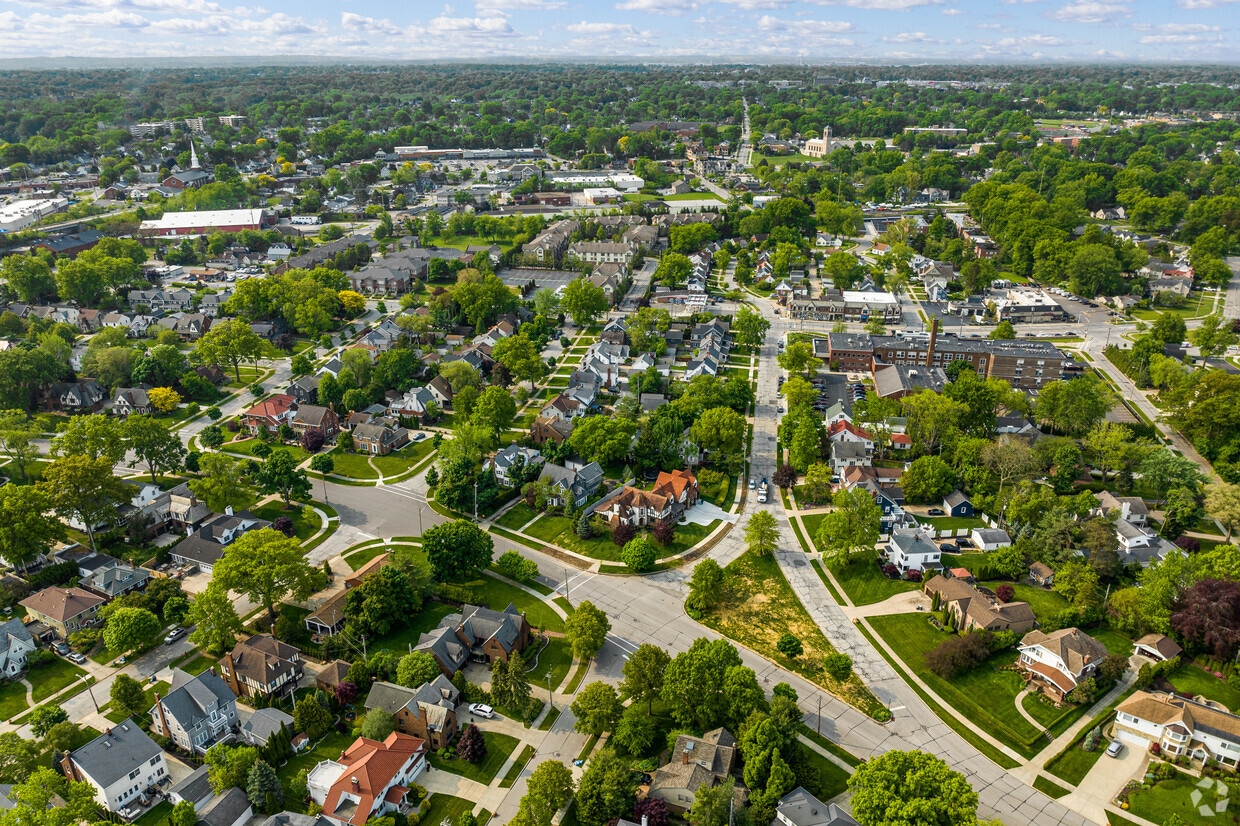
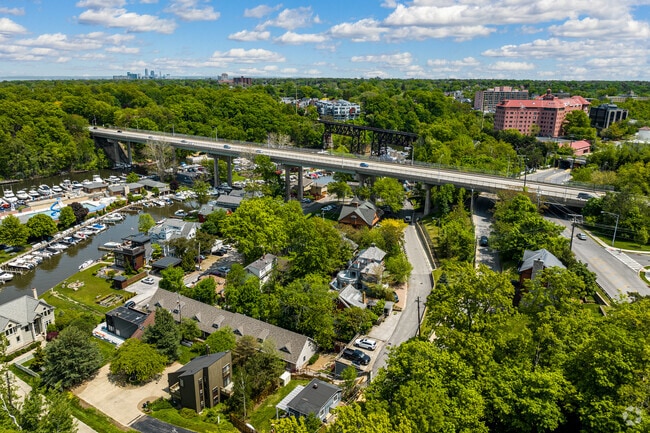
Sitting along the Lake Erie shoreline about nine miles west of downtown Cleveland, Rocky River carries the quiet confidence of a city that knows exactly what it is. Spanning just five square miles, this western Cuyahoga County suburb packs in a strong sense of place, with tree-lined streets, a walkable downtown district, and easy access to both the waterfront and the greater metro area. The city was incorporated as a village in 1903 and reincorporated as a city in 1930, rooted in an agricultural past that still echoes in its close-knit, neighborhood-scaled feel.
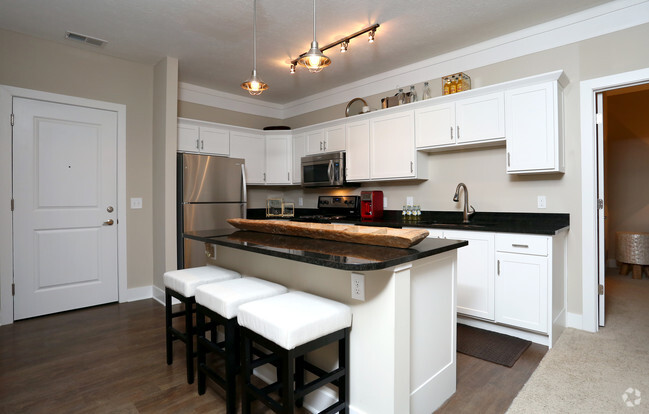
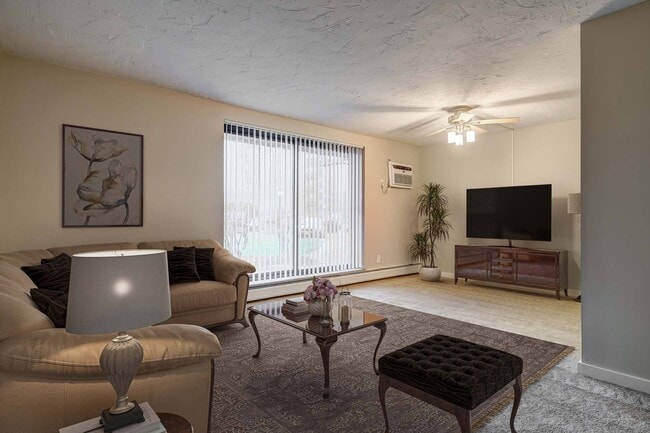
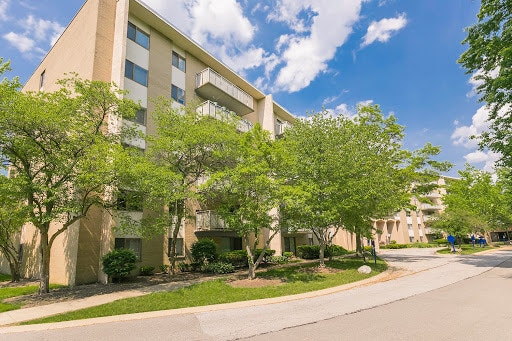
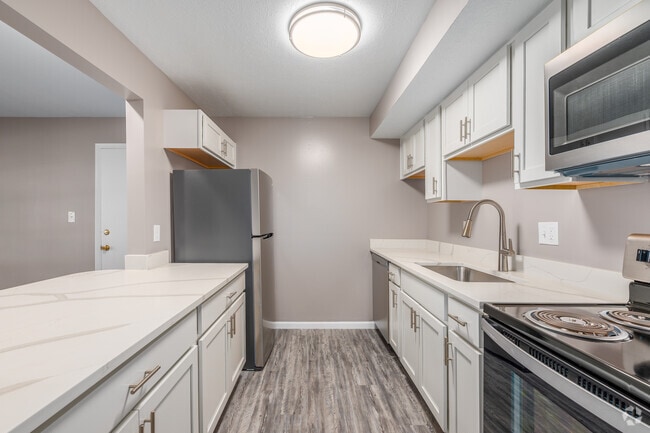
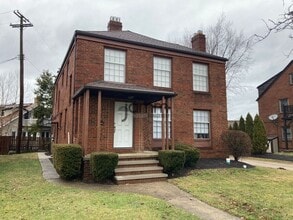
Downtown Rocky River, known locally as Downtown River, serves as the community's social and commercial anchor, offering boutiques, wine bars, and dining spots within a charming riverfront setting. Beyond the downtown corridor, residents enjoy the Cleveland Metroparks system along the Rocky River valley, plus beaches, parks, and year-round recreation facilities. The rental landscape reflects the city's architectural range, from Colonial-style residences to apartment communities featuring spacious floor plans and updated amenities. Whether you're drawn by the lakeside setting, the short commute to Cleveland's employment centers, or the distinct neighborhood character, Rocky River delivers an accessible, well-rooted place to call home.
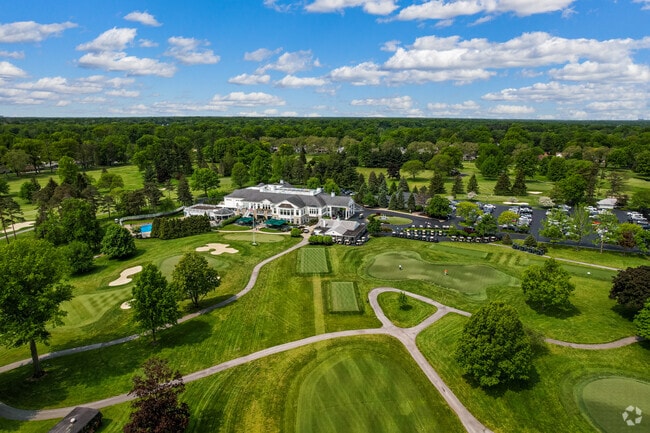
Rocky River is home to The Westwood Country Club.
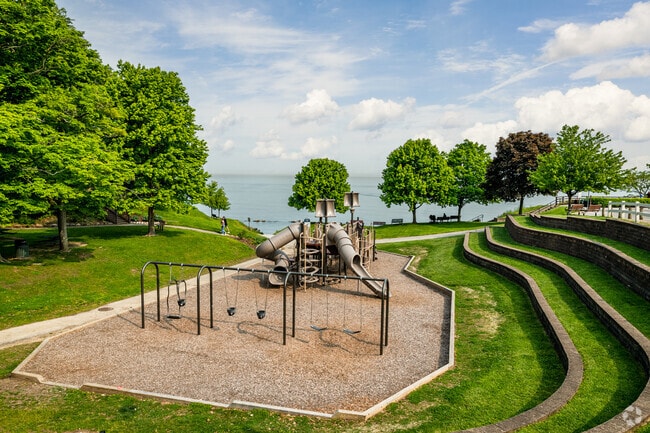
Kids from Rocky River have many ways to have fun at Rocky River Park.
Old River shopping district in Rocky River has a variety of small boutiques and restaurants.
The Bridge Building proudly welcomes all to Rocky River.
Some of the city's most prestigious homes reside where the Rocky River meets Lake Erie.
Rocky River Park features a playground and paved walking paths.
Median Household Income
$86,050
Average: $122,796
Education
9,909
Residents Have a Degree
Job Market
10,935
Workers Employed
Median Age
45 Years
Largest Age Group
60-69 Years
Approximately 13% of Residents
Under 20
22%
Over 65
25%
Housing Distribution
Rocky River has more homeowners than renters.

Education Distribution
Review this city's overall education levels.

As of August 2026, the average apartment rent in Rocky River, OH is $1,260 for a studio, $1,476 for one bedroom, $1,683 for two bedrooms, and $2,732 for three bedrooms. Apartment rent in Rocky River has decreased by -7.2% in the past year.
Explore how walkable, bikeable, drivable, and transit-friendly Rocky River, OH is for everyday living.
Moderately Walkable
Walkability
Limited Public Transit
Transit
Exceptionally Drivable
Drivability
Fairly Bikeable
Bikeability

Kensington Intermediate Elementary School
Public
Grades K-5
589 Students

Goldwood Primary Elementary School
Public
Grades K-5
573 Students

Public
Grades 6-8
574 Students

Public
Grades 9-12
779 Students

 The GreatSchools Rating helps parents compare schools within a state based on a variety of school quality indicators and provides a helpful picture of how effectively each school serves all of its students. Ratings are on a scale of 1 (below average) to 10 (above average) and can include test scores, college readiness, academic progress, advanced courses, equity, discipline and attendance data. We also advise parents to visit schools, consider other information on school performance and programs, and consider family needs as part of the school selection process.
View GreatSchools Rating Methodology
Data provided by
GreatSchools.org
© 2026. All rights reserved.
The GreatSchools Rating helps parents compare schools within a state based on a variety of school quality indicators and provides a helpful picture of how effectively each school serves all of its students. Ratings are on a scale of 1 (below average) to 10 (above average) and can include test scores, college readiness, academic progress, advanced courses, equity, discipline and attendance data. We also advise parents to visit schools, consider other information on school performance and programs, and consider family needs as part of the school selection process.
View GreatSchools Rating Methodology
Data provided by
GreatSchools.org
© 2026. All rights reserved.
† Our analysis of utilities, groceries, transportation, healthcare, home prices, and other goods and services is sourced from the Cost of Living Index, a respected benchmark published by the Council for Community and Economic Research (C2ER) that provides a thorough overview of living expenses across different regions.
Rent data is provided by CoStar Group’s Market Trend reports. As the industry leader in commercial real estate information, analytics, and news, CoStar conducts extensive research to produce and maintain a comprehensive database of commercial real estate information. We combine this data with public record to provide the most up-to-date rental information available.
Consumer goods, services, and home prices are sourced from the Cost of Living Index published by the Council for Community and Economic Research (C2ER). The data on this page is updated quarterly. It was last published in June 2026.
Demographic information comes from Neustar and combines detailed address data with U.S. Census and American Community Survey statistics to produce reliable local estimates.