Median Age
46 Years
Largest Age Group
15-24 Years
Approximately 16% of Residents
Under 20
22%
Over 65
25%
Avg Rent
$2,917
Population
19,972
Renter Mix
15% Rent
Lake Forest earned its identity from the ground up: founded in 1857 alongside Lake Forest College as a planned community on the North Shore, it was designed from the start with winding roads through wooded estates rather than a conventional street grid. That intentional character still defines the city today, roughly 30 miles north of Chicago along the Lake Michigan shoreline. Major employers like Northwestern Lake Forest Hospital, Abbott Laboratories, and Pfizer give the local economy a strong institutional backbone, while two Metra commuter rail lines connect residents to Chicago's Loop in under an hour.
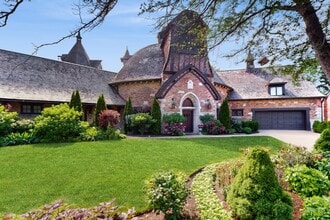
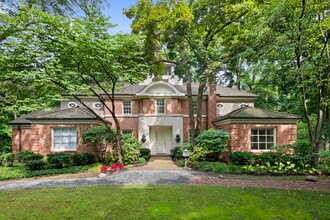
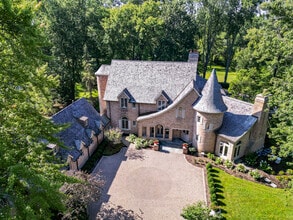
The city's eastern neighborhoods are something of an open-air architectural archive, with historic homes designed by Howard Van Doren Shaw, David Adler, and Frank Lloyd Wright lining roads that curve through preserved woodland. Western Lake Forest offers a more typical suburban feel, anchored by its own Metra station. Lake Forest College brings an active academic presence to the community, and each September the Lake Forest Open Lands Association hosts its Bagpipes and Bonfire gathering, an evening of live music and controlled prairie burns that reflects the city's deep commitment to land conservation.
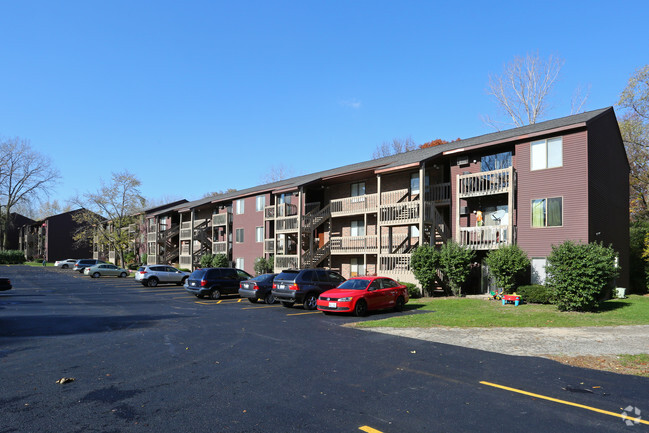
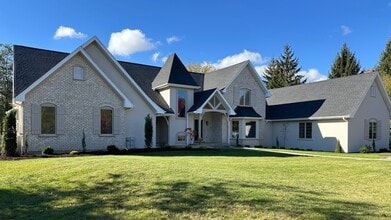
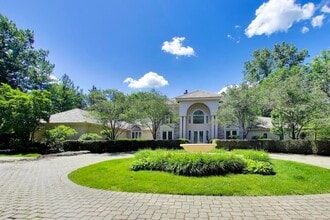
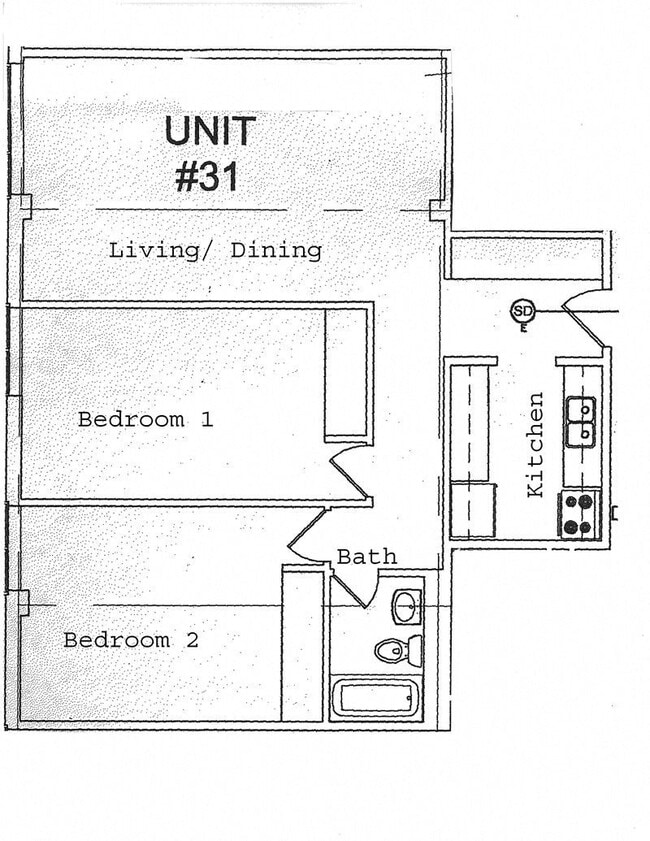
The rental market includes garden-style apartment communities, townhomes, mid-rise buildings, and single-family homes available for rent. Renters drawn to architectural character, preserved green space, and direct rail access to Chicago will find Lake Forest a compelling place to call home.
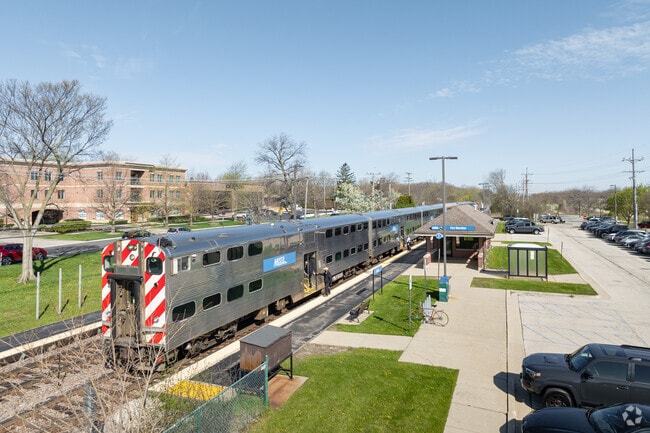
Fort Sheridan Metra Station is another convenient way to get to the city.
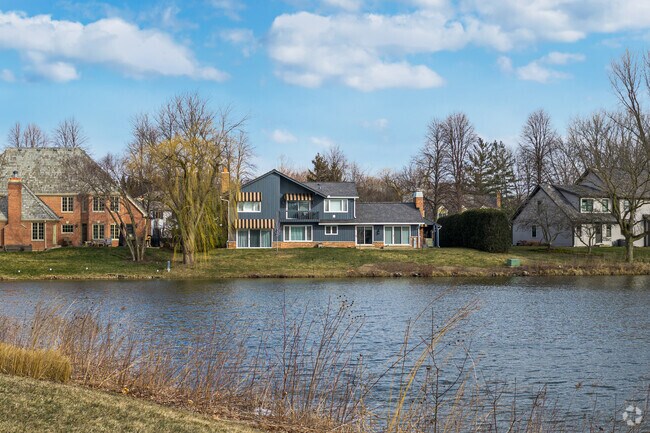
A row of homes in Lake Forest all share a fantastic view.
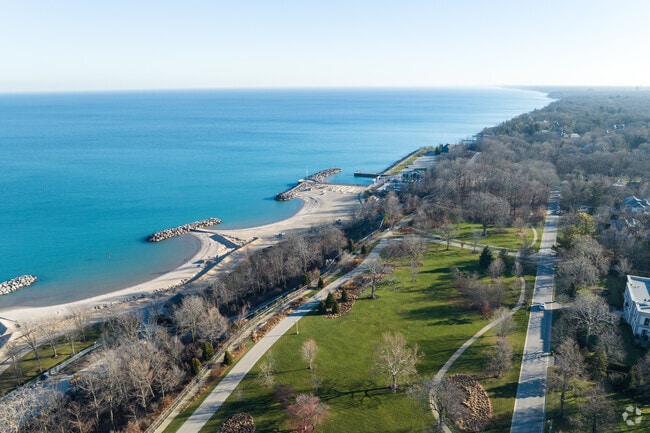
Forest Park in Lake Forest sits along Lake Michigan and offers scenic lakefront access.
Forest Park Beach in Lake Forest has plenty of trails for walkers and bikers.
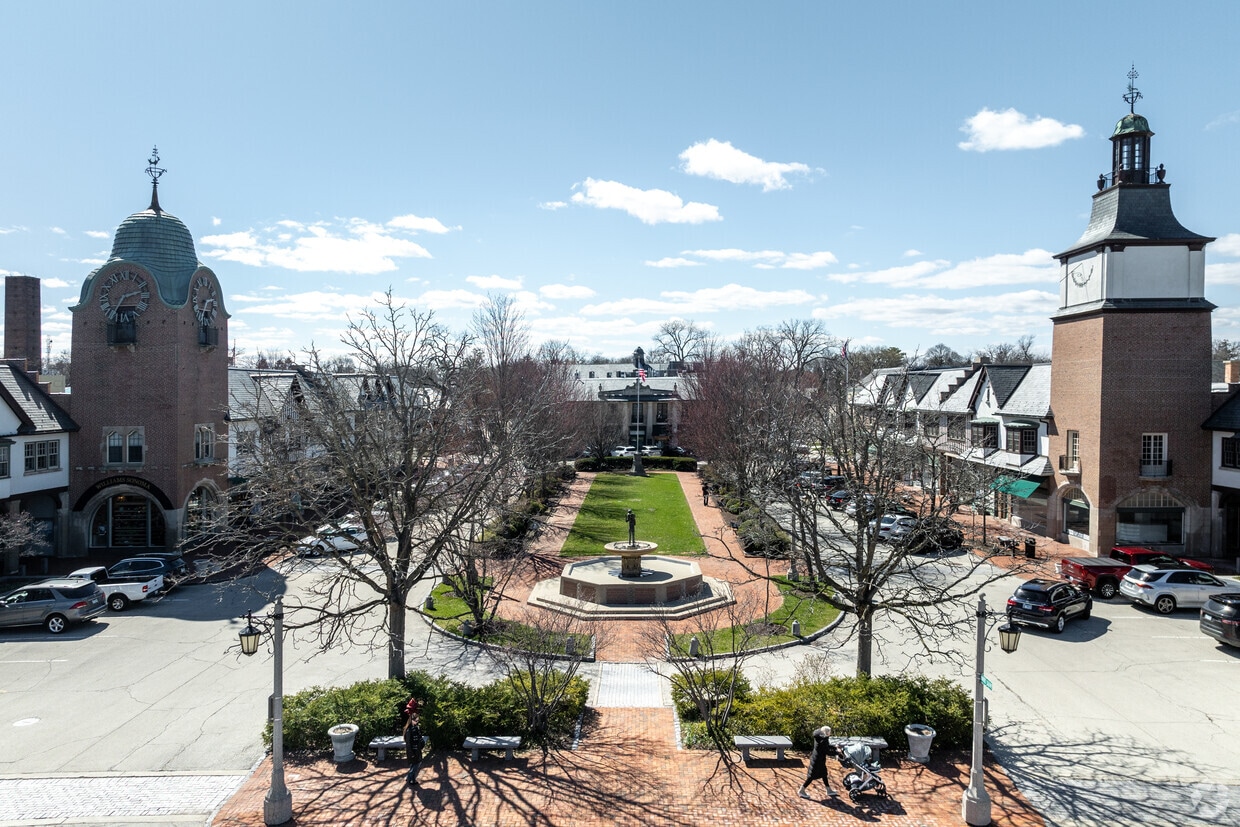
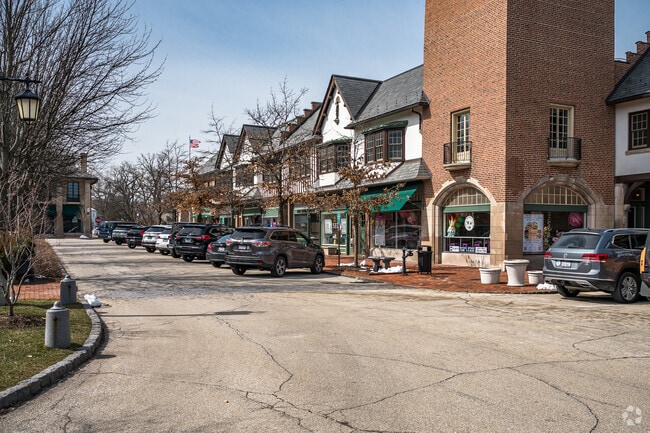
Residents frequent downtown during their freetime.
Fort Sheridan Forest Preserve in Lake Forest offers trails for joggers and cyclists.
Median Household Income
$195,578
Average: $200,557
Education
11,618
Residents Have a Degree
Job Market
8,928
Workers Employed
Median Age
46 Years
Largest Age Group
15-24 Years
Approximately 16% of Residents
Under 20
22%
Over 65
25%
Housing Distribution
Lake Forest has more homeowners than renters.

Education Distribution
Review this city's overall education levels.

As of September 2026, the average apartment rent in Lake Forest, IL is $2,917 for one bedroom, $4,464 for two bedrooms, and $5,912 for three bedrooms. Apartment rent in Lake Forest has increased by 0.8% in the past year.
Explore how walkable, bikeable, drivable, and transit-friendly Lake Forest, IL is for everyday living.
Fairly Walkable
Walkability
Limited Public Transit
Transit
Exceptionally Drivable
Drivability
Fairly Bikeable
Bikeability

Public
Grades K-5
374 Students

Public
Grades K-5
339 Students
Public
Grades K-5
308 Students
Public
Grades PK-5
263 Students
Public
Grades K-8
143 Students

Public
Grades 6-8
360 Students
Public
Grades K-8
143 Students
Public
Grades 9-12
1,348 Students

 The GreatSchools Rating helps parents compare schools within a state based on a variety of school quality indicators and provides a helpful picture of how effectively each school serves all of its students. Ratings are on a scale of 1 (below average) to 10 (above average) and can include test scores, college readiness, academic progress, advanced courses, equity, discipline and attendance data. We also advise parents to visit schools, consider other information on school performance and programs, and consider family needs as part of the school selection process.
View GreatSchools Rating Methodology
Data provided by
GreatSchools.org
© 2026. All rights reserved.
The GreatSchools Rating helps parents compare schools within a state based on a variety of school quality indicators and provides a helpful picture of how effectively each school serves all of its students. Ratings are on a scale of 1 (below average) to 10 (above average) and can include test scores, college readiness, academic progress, advanced courses, equity, discipline and attendance data. We also advise parents to visit schools, consider other information on school performance and programs, and consider family needs as part of the school selection process.
View GreatSchools Rating Methodology
Data provided by
GreatSchools.org
© 2026. All rights reserved.
† Our analysis of utilities, groceries, transportation, healthcare, home prices, and other goods and services is sourced from the Cost of Living Index, a respected benchmark published by the Council for Community and Economic Research (C2ER) that provides a thorough overview of living expenses across different regions.
Rent data is provided by CoStar Group’s Market Trend reports. As the industry leader in commercial real estate information, analytics, and news, CoStar conducts extensive research to produce and maintain a comprehensive database of commercial real estate information. We combine this data with public record to provide the most up-to-date rental information available.
Consumer goods, services, and home prices are sourced from the Cost of Living Index published by the Council for Community and Economic Research (C2ER). The data on this page is updated quarterly. It was last published in September 2026.
Demographic information comes from Neustar and combines detailed address data with U.S. Census and American Community Survey statistics to produce reliable local estimates.