Applied Filters
Price
Transit Lines
Home Type
Space
Home Styles
Specialty Housing
Housing Type
Short-Term
Additional Specialties
Pet Policy
Move-In Date
Popular Amenities
School data provided by
 (opens in new window/tab)
The GreatSchools Rating summarizes school quality based on student progress, college readiness, and test scores.
(opens in new window/tab)
The GreatSchools Rating summarizes school quality based on student progress, college readiness, and test scores.
(opens in new window/tab)
The GreatSchools Rating summarizes school quality based on student progress, college readiness, and test scores.
Show Only
Keyword
Apartments for Rent in Kew Gardens - Queens
26 Rentals
-
-
1 / 5
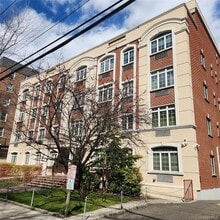 2 Beds$3,000Total Monthly PriceTotal Monthly Price NewPrices include all required monthly fees.Condo for Rent
 -
1 / 2
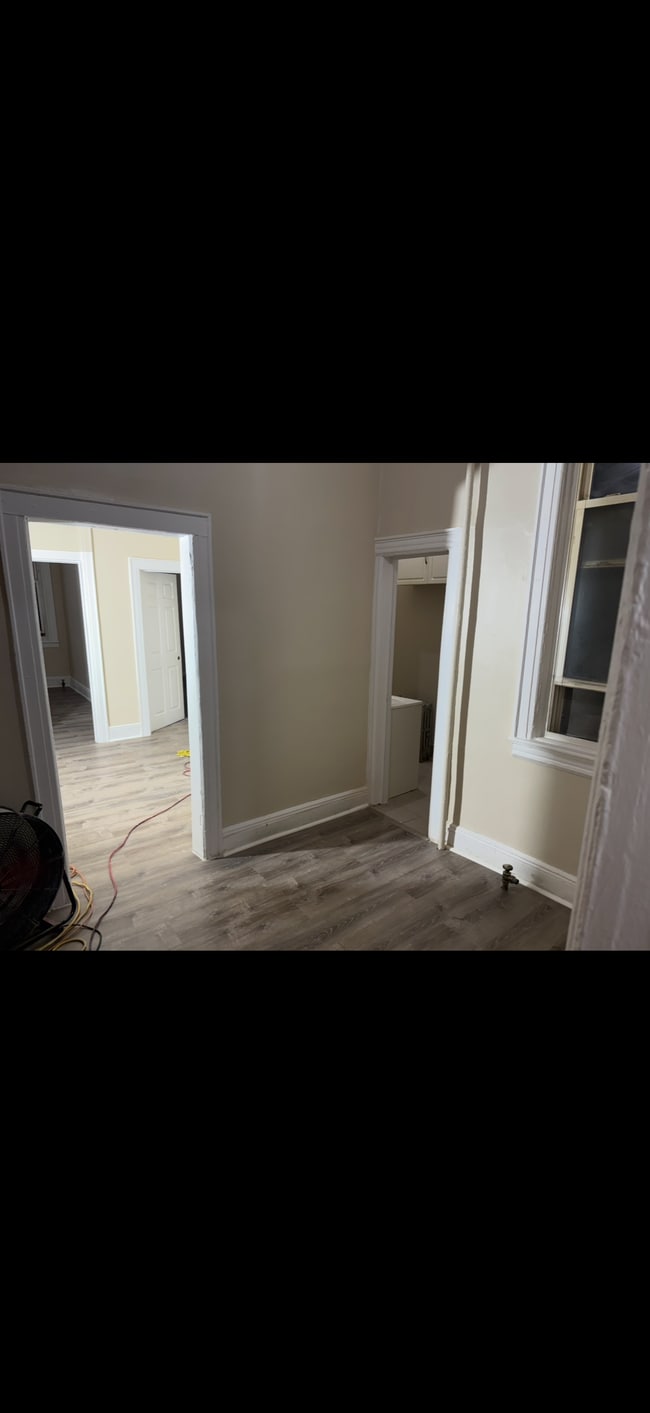 2 Beds$2,800Total Monthly Price12 Month LeaseTotal Monthly Price NewPrices include all required monthly fees.Apartment for Rent
 -
1 / 7
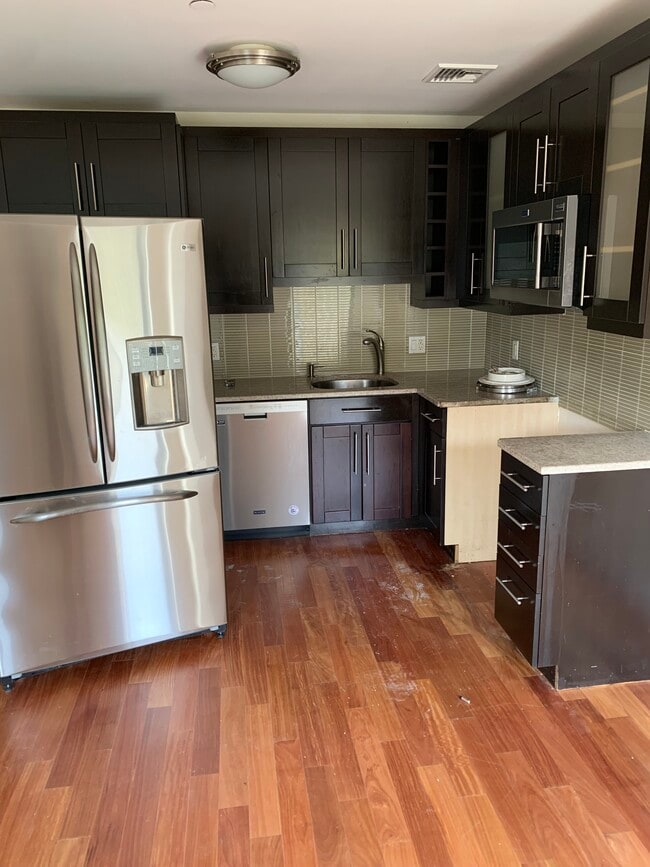 2 Beds$3,950Total Monthly Price12 Month LeaseTotal Monthly Price NewPrices include all required monthly fees.Apartment for Rent
 -
1 / 5
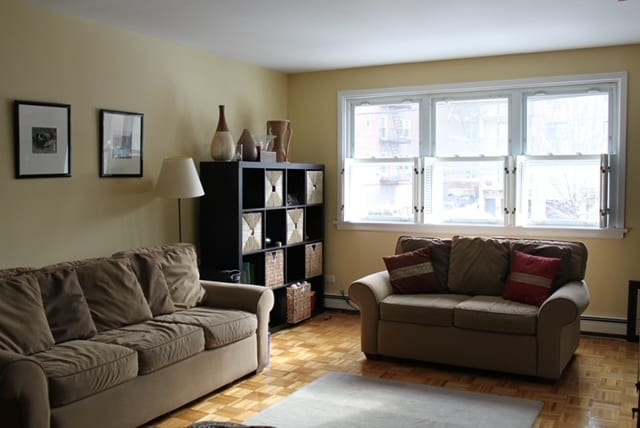 3 Beds$3,400Total Monthly Price12 Month LeaseTotal Monthly Price NewPrices include all required monthly fees.Apartment for Rent
 -
1 / 5
-
1 / 5
-
1 / 5
-
1 / 5
-
1 / 5
-
1 / 5
-
1 / 5
-
1 / 5
-
1 / 5
-
1 / 5
-
1 / 5
-
1 / 5
-
1 / 5
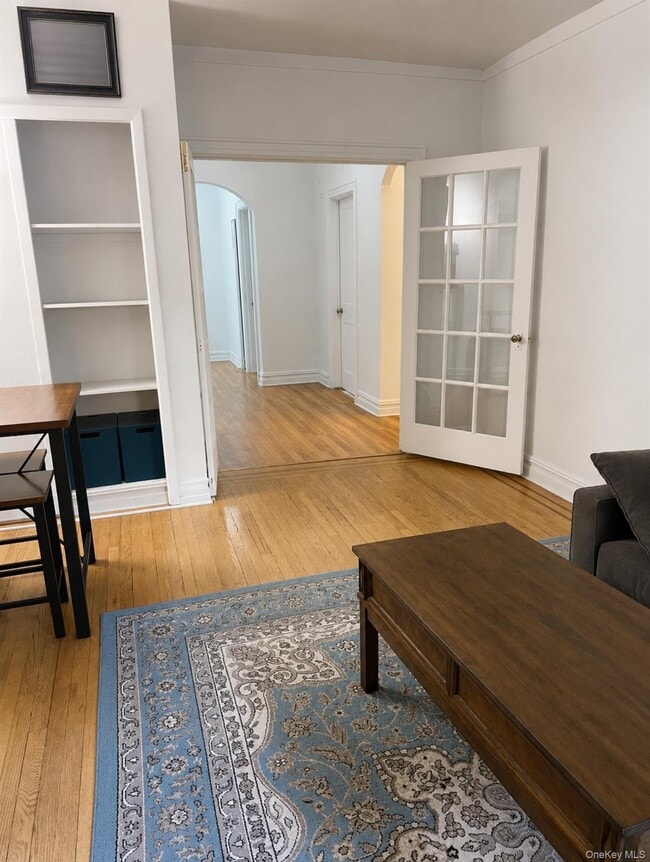
-
1 / 5
-
1 / 5

-
1 / 5

-
1 / 5

-
1 / 5

-
1 / 5
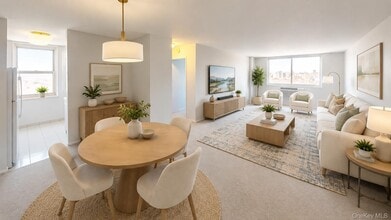
-
1 / 5
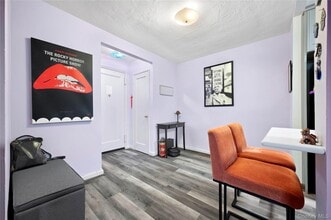
-
1 / 5

Apartments for Rent in Kew Gardens, Queens, NY
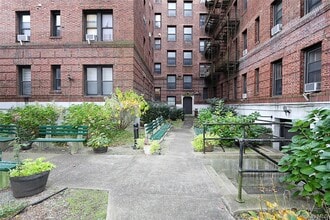
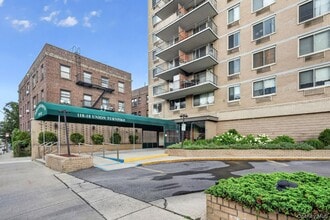
Kew Gardens sits at the geographic center of Queens, carrying the quiet confidence of a neighborhood that has never needed to prove itself. Developed in the early 20th century as one of seven planned garden communities in the borough, it retains its neo-Tudor architecture and tree-lined streets while remaining well-connected to the broader city. The Long Island Rail Road runs directly through the neighborhood, and nearby subway lines put Midtown Manhattan within a reasonable commute. Forest Park borders the area to the west, offering trails and open space without requiring a car. Lefferts Boulevard anchors the commercial corridor with a walkable stretch of shops and dining. The Queens County Criminal Court and Civil Court buildings also sit within the neighborhood, giving it an institutional presence that anchors steady local activity. Renters will find a mix of pre-war apartment buildings, co-ops, and mid-rise apartment communities, with unit sizes that tend to be more generous than what Manhattan offers at comparable price points. The surrounding neighborhoods of Forest Hills and Richmond Hill add to the sense that Kew Gardens belongs to a broader, well-established corner of Queens worth settling into.
Kew Gardens - Queens, NY Rental Insights
-
The average rent for the Kew Gardens neighborhood of Queens, NY is $2,079, but rentals range from as little as $1,599 to as much as $5,158 depending on the rental style.
-
Looking for a studio apartment in the Kew Gardens neighborhood? Expect to pay around $1,599 per month.
-
one bedroom Kew Gardens apartments rent for around $2,079 per month.
-
Kew Gardens has two bedroom apartments that rent for around $2,985 per month.
-
three bedroom apartments in Kew Gardens are usually priced around $5,158 per month.
-
Students looking to rent in Kew Gardens while staying close to campus will have access to York College, St. John's University, Queens College, and Queensborough Comm. Coll..
Find the Perfect Kew Gardens - Queens, NY Apartment
Search Nearby Rentals
Explore Apartments by Borough
Nearby Apartment Rentals
- Kew Gardens Hills Apartments for Rent
- South Richmond Hill Apartments for Rent
- Flushing Apartments for Rent
- South Ozone Park Apartments for Rent
- Queens Apartments for Rent
- Middle Village Apartments for Rent
- Jamaica Apartments for Rent
- Addisleigh Park Apartments for Rent
- Howard Beach Apartments for Rent
- Queens Village Apartments for Rent
Rentals in Nearby Neighborhoods
- East Village Apartments for Rent
- Southeast Queens Apartments for Rent
- Northeast Queens Apartments for Rent
- East New York Apartments for Rent
- Northwestern Queens Apartments for Rent
- Williamsburg Apartments for Rent
- Flatbush Apartments for Rent
- South Shore Queens Apartments for Rent
- Western Nassau Apartments for Rent
- Prospect Park Apartments for Rent
Nearby House Rentals
- Homes for rent in Kew Gardens Hills
- Homes for rent in South Richmond Hill
- Homes for rent in Flushing
- Homes for rent in South Ozone Park
- Homes for rent in Queens
- Homes for rent in Middle Village
- Homes for rent in Jamaica
- Homes for rent in Addisleigh Park
- Homes for rent in Howard Beach
- Homes for rent in Queens Village
Meet your Ai rental advisor
Type or have a voice conversation to get instant answers and faster results.