Median Age
35 Years
Largest Age Group
10-19 Years
Approximately 16% of Residents
Under 20
29%
Over 65
14%


Avg Rent
$1,142
Population
9,476
Renter Mix
40% Rent
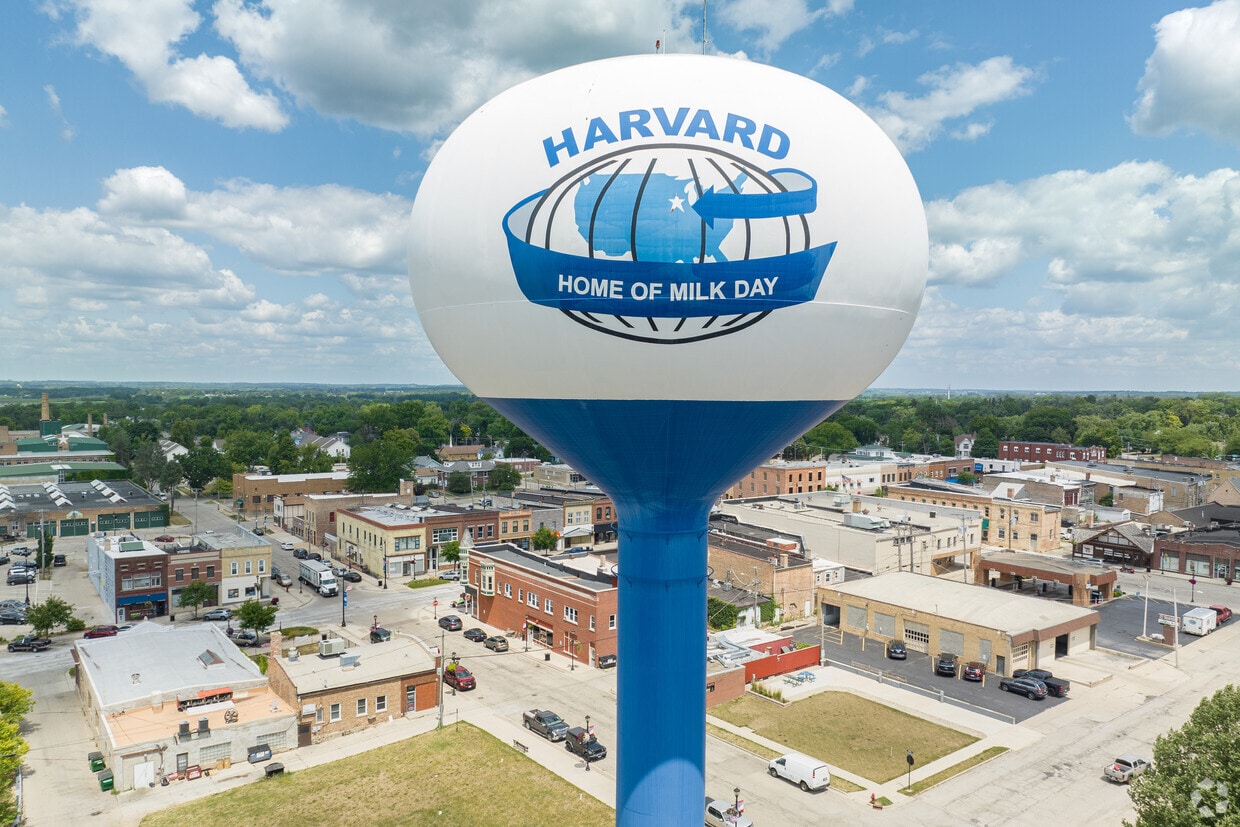
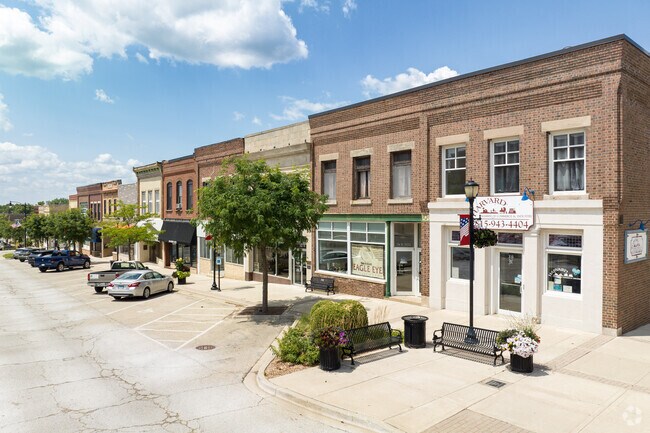
The self-proclaimed Milk Capital of the World, Harvard is a quiet, affordable small city at the far northwest corner of McHenry County, just seven miles south of the Wisconsin border and 63 miles from the Chicago Loop. The compact downtown along Ayer Street is easy to cover on foot, with local restaurants, shops, and everyday services within short walking distance of one another. Conservation land wraps around much of the city, giving the area a pastoral, open feel without sacrificing access to daily conveniences.
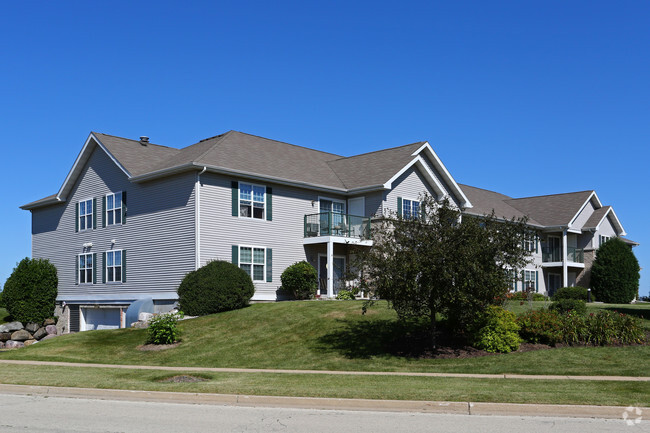
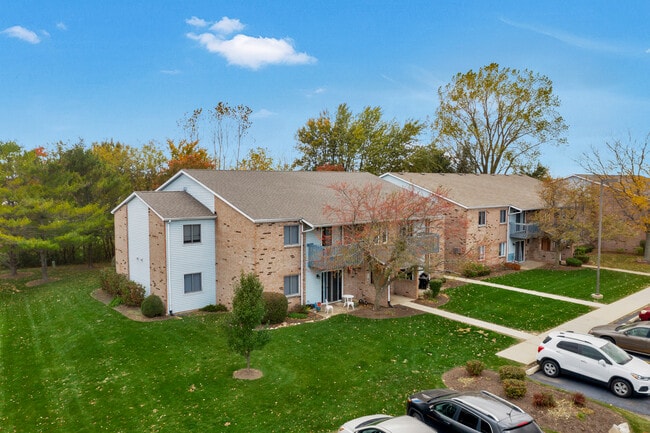
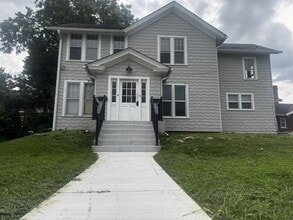
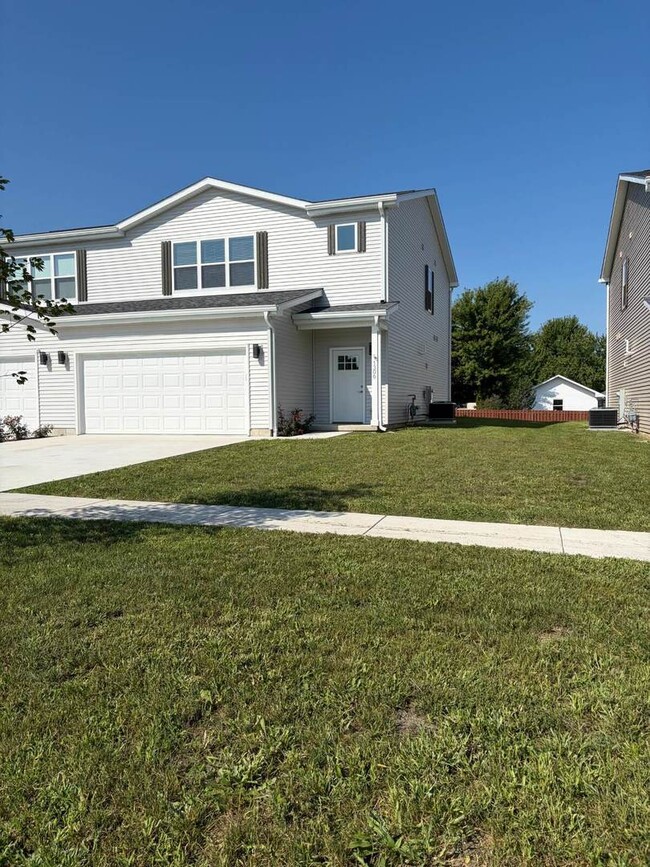
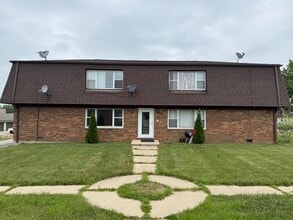
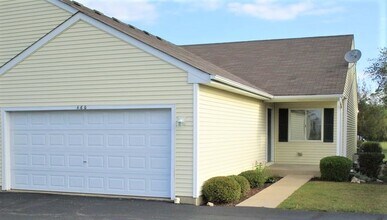
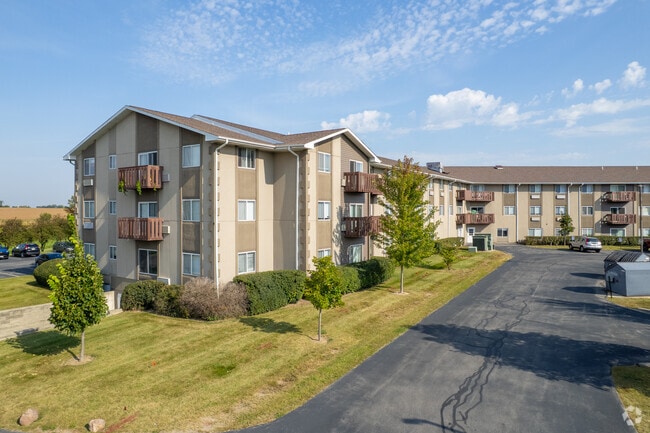
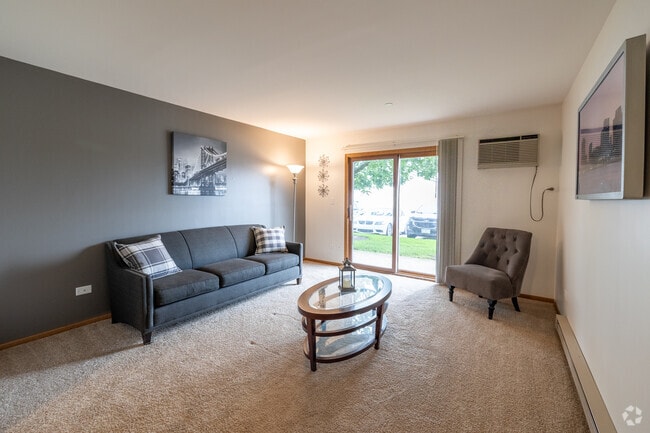
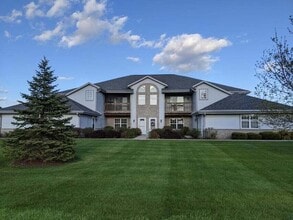
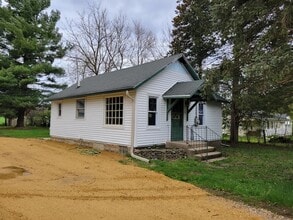
The rental market here leans toward ground-level living: ranch homes, bungalows, and Victorian-influenced farmhouses line the quieter residential streets, while garden-style apartment communities offer more traditional rental options. New traditional-style construction has appeared throughout the community since the early 2000s, adding to the mix alongside older homes that date back to the 1800s.
Harvard hosts the annual Milk Days festival each June, one of the longest-running festivals in Illinois, drawing visitors from across the region to celebrate the city's dairy farming heritage. The Harvard Diggins Library, which traces its roots to 1909, was the first free-standing public library in McHenry County and continues to serve as a community anchor.
Folks can hike along the preserve’s seven miles of trails at Rush Creek Conservation Area.
Cast a line from the shores of the pond at Rush Creek Conservation Area to catch some fish.
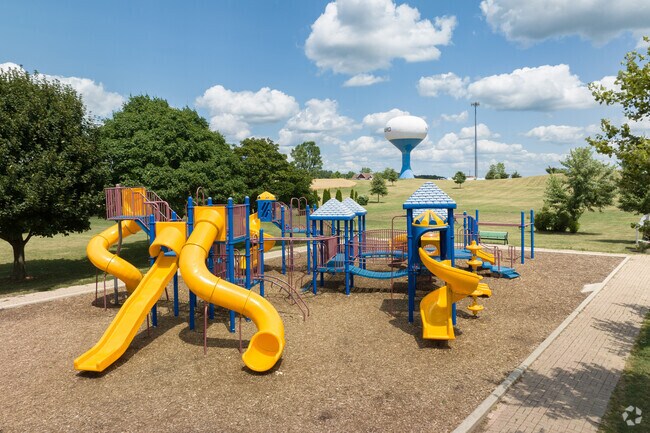
Lions Park in Harvard includes a playground and ball fields.
By The Dozen Bakery in Harvard offers scones, macarons and more for a little snack on the run.
Downtown Harvard is 63 miles from Chicago.
Bikers with dogs in Harvard enjoy the Rush Creek Conservation area on a warm sunny April day.
Median Household Income
$65,145
Average: $75,323
Education
1,390
Residents Have a Degree
Job Market
4,850
Workers Employed
Median Age
35 Years
Largest Age Group
10-19 Years
Approximately 16% of Residents
Under 20
29%
Over 65
14%
Housing Distribution
Harvard has more homeowners than renters.

Education Distribution
Review this city's overall education levels.

As of September 2026, the average apartment rent in Harvard, IL is $1,054 for a studio, $1,142 for one bedroom, $1,204 for two bedrooms, and $1,559 for three bedrooms. Apartment rent in Harvard has increased by 3.1% in the past year.
Explore how walkable, bikeable, drivable, and transit-friendly Harvard, IL is for everyday living.
Somewhat Walkable
Walkability
Minimal Public Transit
Transit
Exceptionally Drivable
Drivability
Fairly Bikeable
Bikeability

Public
Grades K-5
316 Students

Public
Grades K-5
654 Students

Public
Grades 6-8
583 Students
Public
Grades 9-12
800 Students

 The GreatSchools Rating helps parents compare schools within a state based on a variety of school quality indicators and provides a helpful picture of how effectively each school serves all of its students. Ratings are on a scale of 1 (below average) to 10 (above average) and can include test scores, college readiness, academic progress, advanced courses, equity, discipline and attendance data. We also advise parents to visit schools, consider other information on school performance and programs, and consider family needs as part of the school selection process.
View GreatSchools Rating Methodology
Data provided by
GreatSchools.org
© 2026. All rights reserved.
The GreatSchools Rating helps parents compare schools within a state based on a variety of school quality indicators and provides a helpful picture of how effectively each school serves all of its students. Ratings are on a scale of 1 (below average) to 10 (above average) and can include test scores, college readiness, academic progress, advanced courses, equity, discipline and attendance data. We also advise parents to visit schools, consider other information on school performance and programs, and consider family needs as part of the school selection process.
View GreatSchools Rating Methodology
Data provided by
GreatSchools.org
© 2026. All rights reserved.
† Our analysis of utilities, groceries, transportation, healthcare, home prices, and other goods and services is sourced from the Cost of Living Index, a respected benchmark published by the Council for Community and Economic Research (C2ER) that provides a thorough overview of living expenses across different regions.
Rent data is provided by CoStar Group’s Market Trend reports. As the industry leader in commercial real estate information, analytics, and news, CoStar conducts extensive research to produce and maintain a comprehensive database of commercial real estate information. We combine this data with public record to provide the most up-to-date rental information available.
Consumer goods, services, and home prices are sourced from the Cost of Living Index published by the Council for Community and Economic Research (C2ER). The data on this page is updated quarterly. It was last published in September 2026.
Demographic information comes from Neustar and combines detailed address data with U.S. Census and American Community Survey statistics to produce reliable local estimates.