Median Age
36 Years
Largest Age Group
10-19 Years
Approximately 15% of Residents
Under 20
28%
Over 65
13%




Avg Rent
$1,350
Population
9,653
Renter Mix
25% Rent
The quiet suburban streets of Hampton, Georgia bring a sense of small town charm that defines this tight-knit community. With affordable housing and a family-friendly atmosphere, there are so many fantastic qualities that bring people to this growing suburb.
Hampton is situated nearly 30 miles southeast of Atlanta in Henry County. Though far enough to feel like a small town, Hampton is close enough to Georgia’s capital city for residents to enjoy its abundance of dining, shopping, and entertainment options, along with its picturesque skyline.
With spacious neighborhoods and wooded lots, this quaint city offers a slower pace of life than what you’ll get from a bustling metropolis. With annual community events and the safest of residential streets, it’s no wonder families flock to this Georgia suburb.
In the center of Hampton, discover a tiny, historic commercial district with a few local businesses, shops, and restaurants, including a local brewery! This welcoming city has so much to offer- so see what’s available in Hampton, Georgia today.
Hampton's Atlanta Motor Speedway features a world-class NASCAR track located on over 850 acres.
Hampton's Speakeasy Bookstore is a gem where guests can browse floor-to-ceiling shelves.
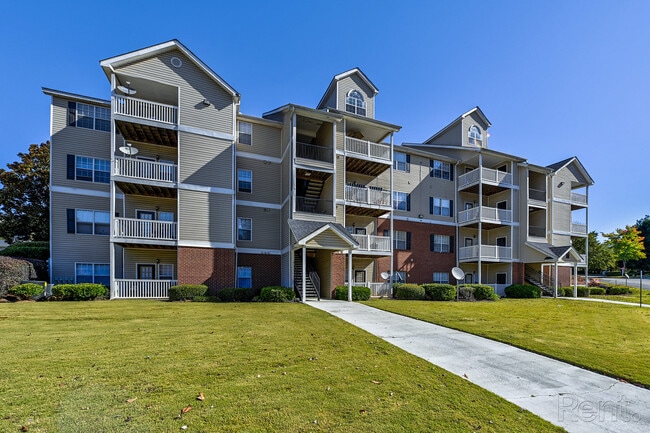
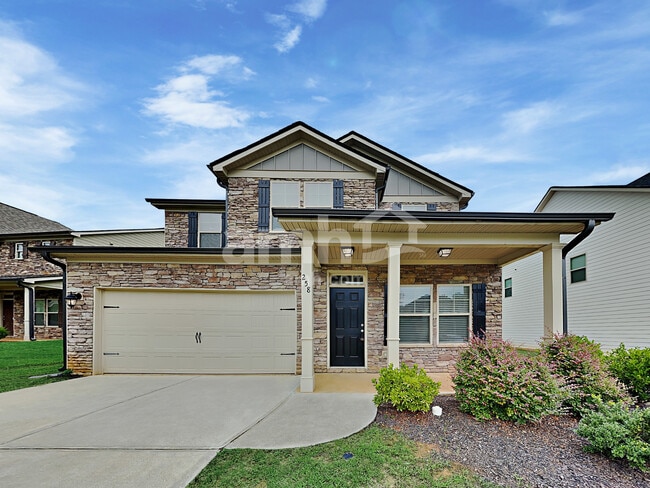
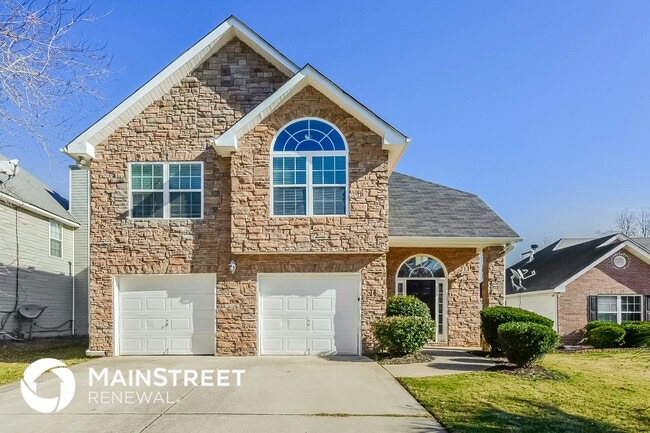
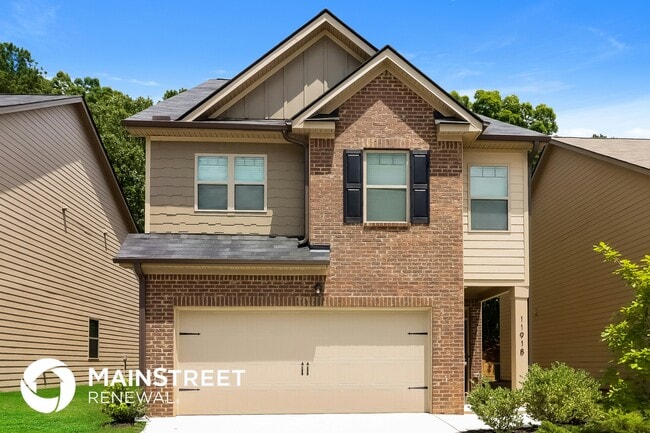
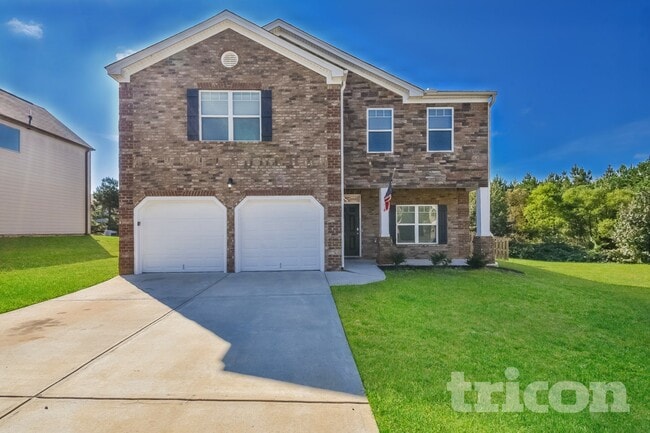
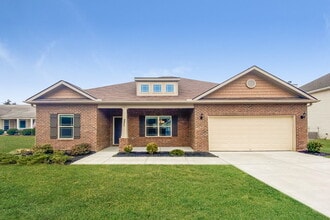
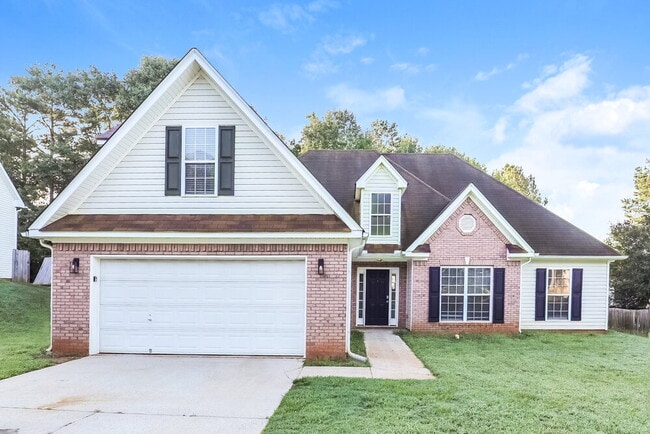
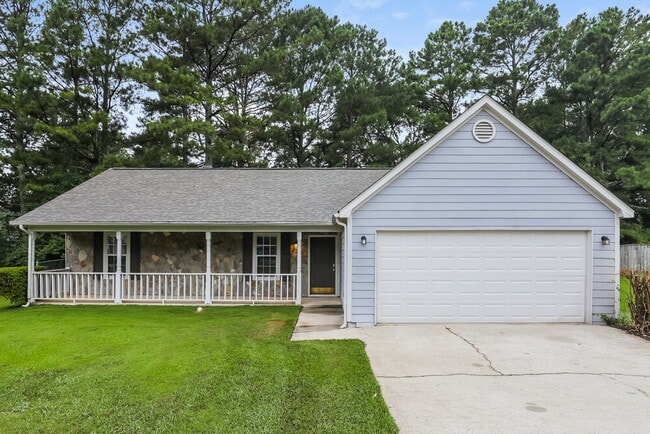
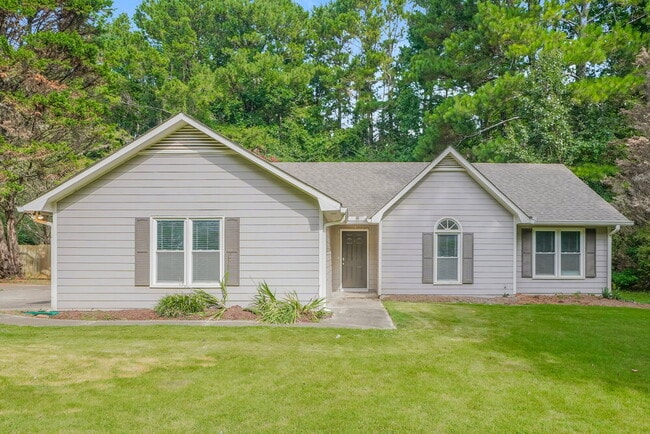
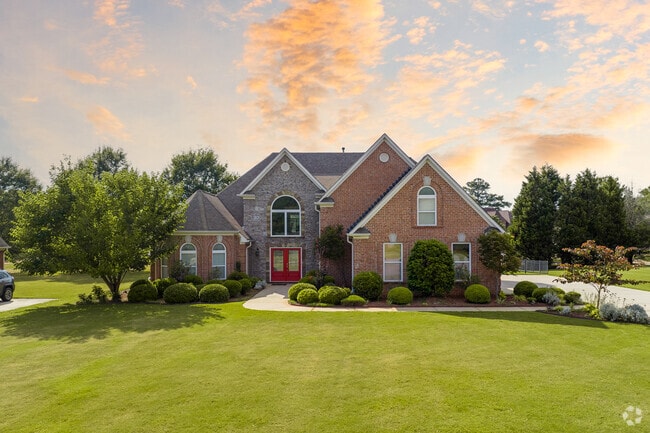
Residents of Hampton can enjoy real estate on spacious lots.
The streets of Hampton's Main St. bustle with longtime residents and new visitors.
Nash Farm Park is an old Civil War Battle Field spanning over 200 acres.
Hampton residents can find convenience in taking I-75 to and from Downtown Atlanta.
Median Household Income
$67,042
Average: $72,272
Education
1,843
Residents Have a Degree
Job Market
4,660
Workers Employed
Median Age
36 Years
Largest Age Group
10-19 Years
Approximately 15% of Residents
Under 20
28%
Over 65
13%
Housing Distribution
Hampton has more homeowners than renters.

Education Distribution
Review this city's overall education levels.

As of July 2026, the average apartment rent in Hampton, GA is $1,360 for one bedroom, $1,572 for two bedrooms, and $1,934 for three bedrooms. Apartment rent in Hampton has increased by 5.0% in the past year.
Explore how walkable, bikeable, drivable, and transit-friendly Hampton, GA is for everyday living.
Somewhat Walkable
Walkability
Limited Public Transit
Transit
Exceptionally Drivable
Drivability
Not Bikeable
Bikeability

Mount Carmel Elementary School
Public
Grades PK-5
557 Students

Public
Grades PK-5
1,047 Students

Public
Grades PK-5
917 Students
Public
Grades PK-5
693 Students
Public
Grades PK-5
815 Students

Public
Grades 6-8
1,327 Students
Public
Grades 6-8
1,130 Students
Public
Grades 6-8
734 Students

Public
Grades 6-8
549 Students

Public
Grades 9-12
1,861 Students
Public
Grades 9-12
1,762 Students
Public
Grades 9-12
1,973 Students

Public
Grades 9-12
1,112 Students
 The GreatSchools Rating helps parents compare schools within a state based on a variety of school quality indicators and provides a helpful picture of how effectively each school serves all of its students. Ratings are on a scale of 1 (below average) to 10 (above average) and can include test scores, college readiness, academic progress, advanced courses, equity, discipline and attendance data. We also advise parents to visit schools, consider other information on school performance and programs, and consider family needs as part of the school selection process.
View GreatSchools Rating Methodology
Data provided by
GreatSchools.org
© 2026. All rights reserved.
The GreatSchools Rating helps parents compare schools within a state based on a variety of school quality indicators and provides a helpful picture of how effectively each school serves all of its students. Ratings are on a scale of 1 (below average) to 10 (above average) and can include test scores, college readiness, academic progress, advanced courses, equity, discipline and attendance data. We also advise parents to visit schools, consider other information on school performance and programs, and consider family needs as part of the school selection process.
View GreatSchools Rating Methodology
Data provided by
GreatSchools.org
© 2026. All rights reserved.
† Our analysis of utilities, groceries, transportation, healthcare, home prices, and other goods and services is sourced from the Cost of Living Index, a respected benchmark published by the Council for Community and Economic Research (C2ER) that provides a thorough overview of living expenses across different regions.
Rent data is provided by CoStar Group’s Market Trend reports. As the industry leader in commercial real estate information, analytics, and news, CoStar conducts extensive research to produce and maintain a comprehensive database of commercial real estate information. We combine this data with public record to provide the most up-to-date rental information available.
Consumer goods, services, and home prices are sourced from the Cost of Living Index published by the Council for Community and Economic Research (C2ER). The data on this page is updated quarterly. It was last published in June 2026.
Demographic information comes from Neustar and combines detailed address data with U.S. Census and American Community Survey statistics to produce reliable local estimates.