Median Age
38 Years
Largest Age Group
30-39 Years
Approximately 15% of Residents
Under 20
25%
Over 65
15%





Avg Rent
$1,499
Population
31,223
Renter Mix
36% Rent
What was once two quiet Illinois farms has grown into one of DuPage County's most accessible villages, drawing renters who want suburban comfort without the premium price of neighboring Glen Ellyn or Lombard. Glendale Heights, about 25 miles west of downtown Chicago, is almost entirely residential in character, with well-established streets, a strong sense of community, and convenient access to major expressways and O'Hare International Airport. Businesses like HYDAC Technology Corporation, OSG USA, Chicago Blower Corporation, and a regional medical center anchor the local economy, while Wheaton College, Elmhurst University, and the College of DuPage are all within a short drive.
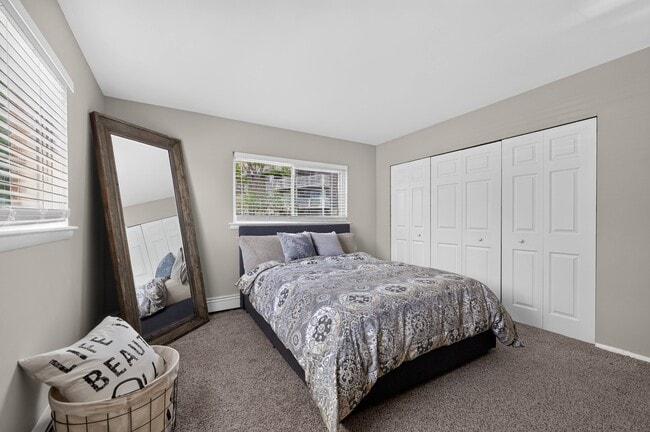
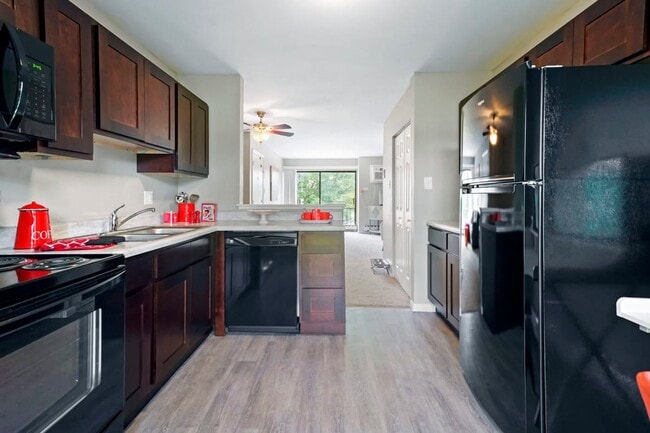
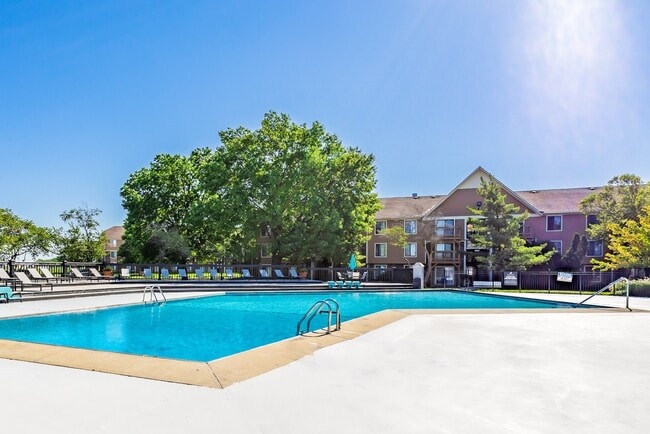
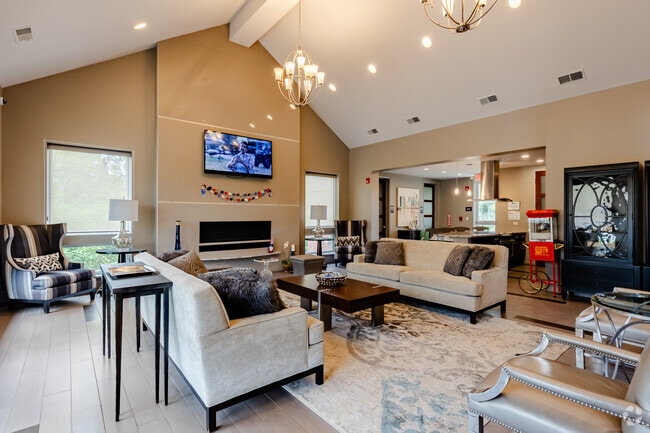
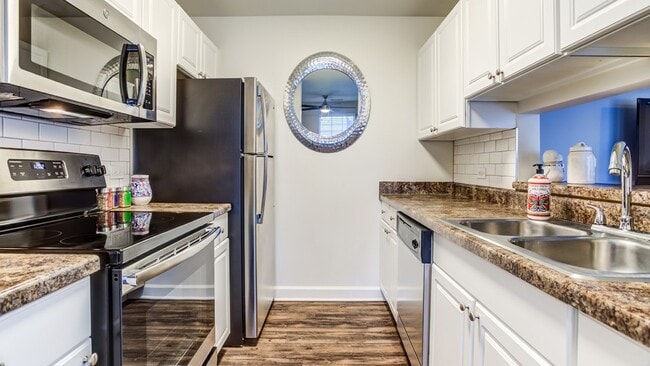
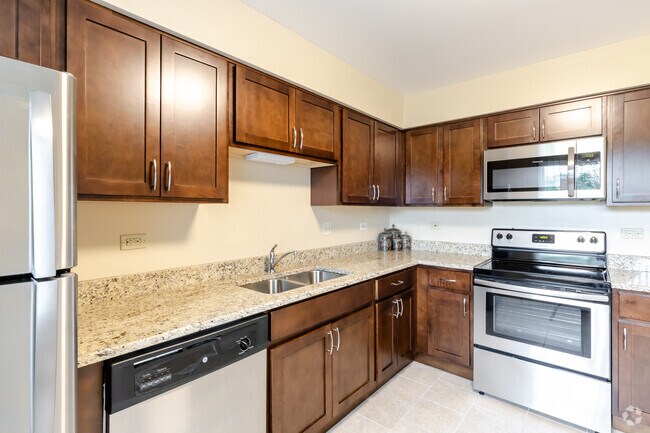
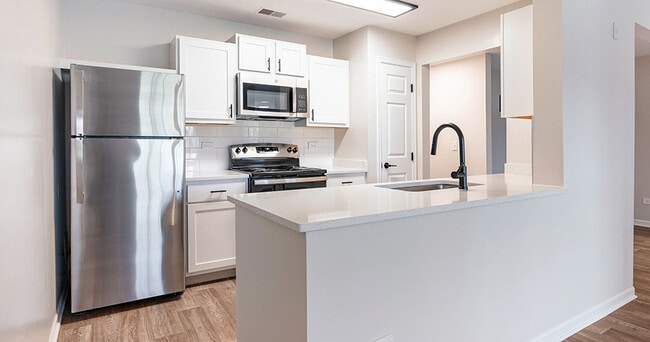
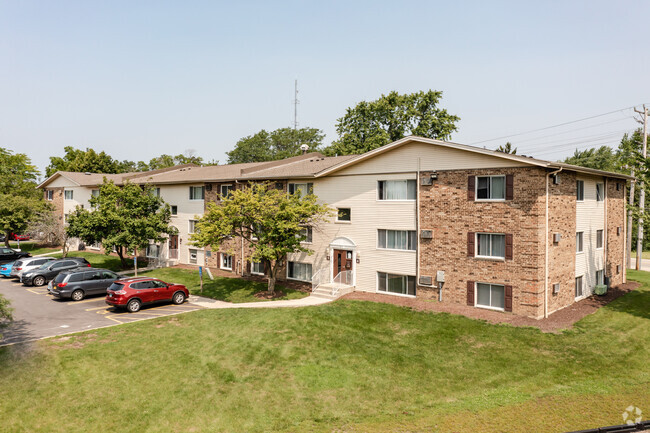
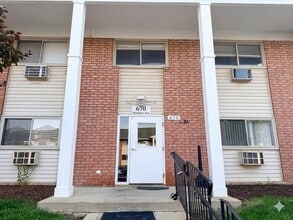
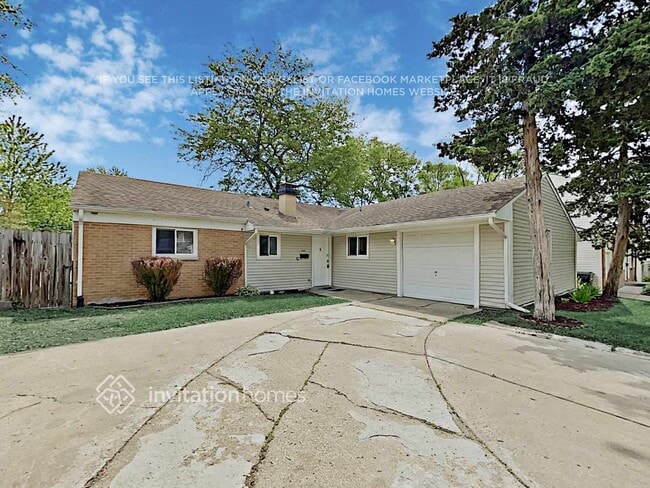
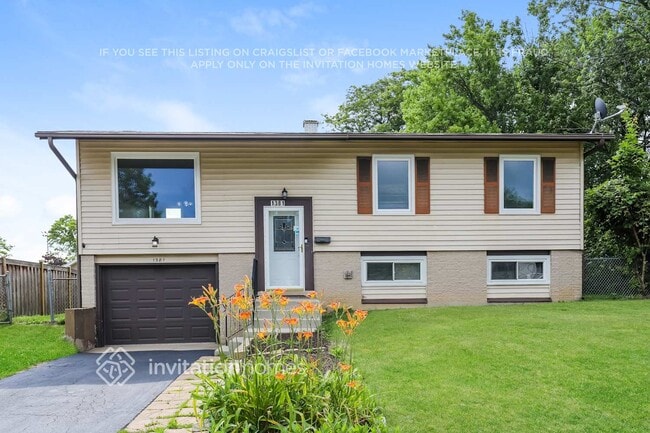
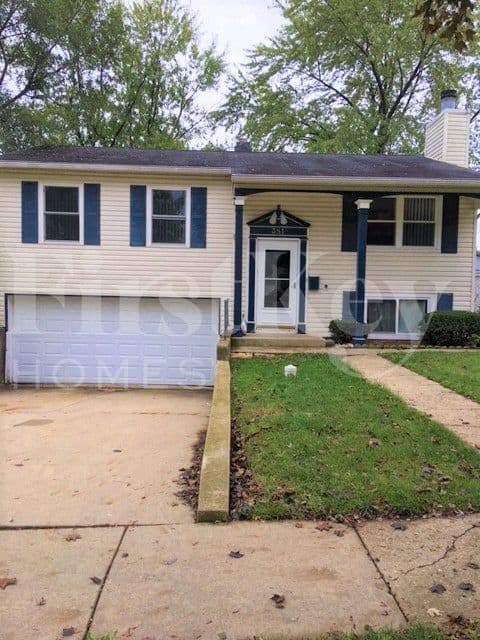
The rental landscape here offers solid variety, from spacious townhome communities to apartment communities in low-rise and garden-style settings, with rents running below the Illinois statewide average. The village began taking shape in 1958 when developers transformed farmland into the first subdivisions, and that foundation of single-family homes still defines much of its look and feel today. Commercial life runs along East Army Trail Road and North Avenue, where shops, restaurants, and everyday services are easy to reach by car. Glendale Heights delivers a grounded, no-frills suburban lifestyle with real value built in.
Enjoy the beautiful nature around East Branch Forest Preserve.
East Branch Forest Preserve features a paved walking and biking trail.s
Target is a big-name store where Glendale Heights residents stock up their pantries.
Visitors have so many cars to admire at the Show and Shine Car Show in Glendale.
Median Household Income
$81,998
Average: $94,473
Education
7,913
Residents Have a Degree
Job Market
17,585
Workers Employed
Median Age
38 Years
Largest Age Group
30-39 Years
Approximately 15% of Residents
Under 20
25%
Over 65
15%
Housing Distribution
Glendale Heights has more homeowners than renters.

Education Distribution
Review this city's overall education levels.

As of August 2026, the average apartment rent in Glendale Heights, IL is $1,457 for one bedroom, $1,742 for two bedrooms, and $2,292 for three bedrooms. Apartment rent in Glendale Heights has increased by 3.1% in the past year.
Explore how walkable, bikeable, drivable, and transit-friendly Glendale Heights, IL is for everyday living.
Fairly Walkable
Walkability
Minimal Public Transit
Transit
Very Drivable
Drivability
Fairly Bikeable
Bikeability

Public
Grades K-5
403 Students

Public
Grades K-8
719 Students

Public
Grades K-5
442 Students
Public
Grades K-5
386 Students

Public
Grades K-5
390 Students

Public
Grades K-8
719 Students
Public
Grades 6-8
747 Students
 The GreatSchools Rating helps parents compare schools within a state based on a variety of school quality indicators and provides a helpful picture of how effectively each school serves all of its students. Ratings are on a scale of 1 (below average) to 10 (above average) and can include test scores, college readiness, academic progress, advanced courses, equity, discipline and attendance data. We also advise parents to visit schools, consider other information on school performance and programs, and consider family needs as part of the school selection process.
View GreatSchools Rating Methodology
Data provided by
GreatSchools.org
© 2026. All rights reserved.
The GreatSchools Rating helps parents compare schools within a state based on a variety of school quality indicators and provides a helpful picture of how effectively each school serves all of its students. Ratings are on a scale of 1 (below average) to 10 (above average) and can include test scores, college readiness, academic progress, advanced courses, equity, discipline and attendance data. We also advise parents to visit schools, consider other information on school performance and programs, and consider family needs as part of the school selection process.
View GreatSchools Rating Methodology
Data provided by
GreatSchools.org
© 2026. All rights reserved.
† Our analysis of utilities, groceries, transportation, healthcare, home prices, and other goods and services is sourced from the Cost of Living Index, a respected benchmark published by the Council for Community and Economic Research (C2ER) that provides a thorough overview of living expenses across different regions.
Rent data is provided by CoStar Group’s Market Trend reports. As the industry leader in commercial real estate information, analytics, and news, CoStar conducts extensive research to produce and maintain a comprehensive database of commercial real estate information. We combine this data with public record to provide the most up-to-date rental information available.
Consumer goods, services, and home prices are sourced from the Cost of Living Index published by the Council for Community and Economic Research (C2ER). The data on this page is updated quarterly. It was last published in June 2026.
Demographic information comes from Neustar and combines detailed address data with U.S. Census and American Community Survey statistics to produce reliable local estimates.