Median Age
42 Years
Largest Age Group
30-39 Years
Approximately 16% of Residents
Under 20
20%
Over 65
20%

Avg Rent
$1,203
Population
8,019
Renter Mix
41% Rent
Fern Park is a small census-designated place in Seminole County, just north of Orlando along the US-17/92 corridor, giving renters quick access to the broader Central Florida metro without the pace and price of the city core. The area carries a low-key, suburban feel, where single-story retail strips and tree-lined side streets sit close together, and the general rhythm of daily life runs at a noticeably relaxed tempo.
Seminole County's well-regarded public school system serves the area, and Seminole State College maintains a campus in nearby Sanford, keeping higher education within reach. The broader Casselberry and Winter Park employment corridors are only minutes away, which means commute times stay manageable for most residents.
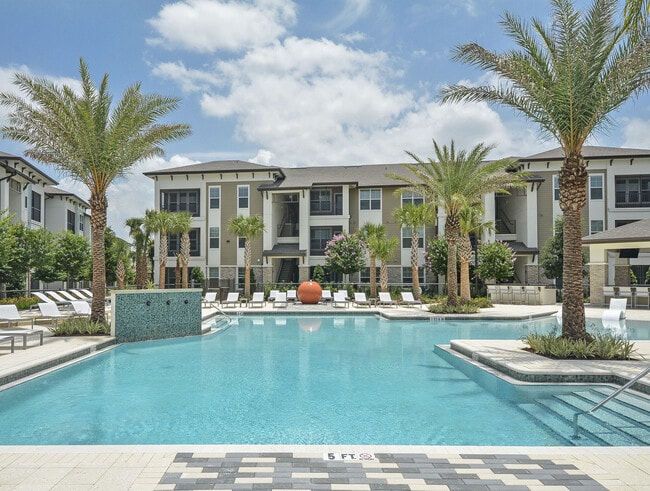
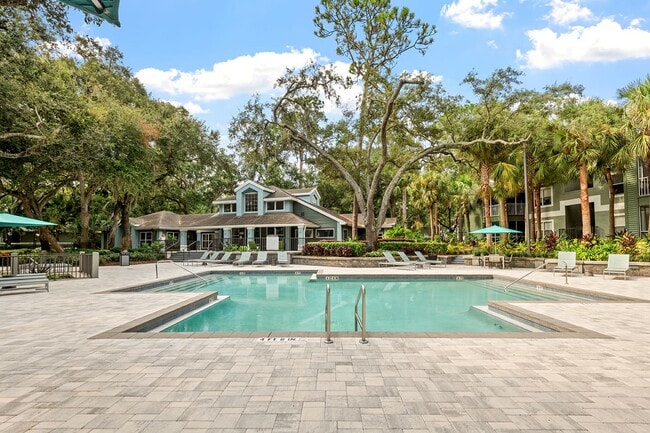
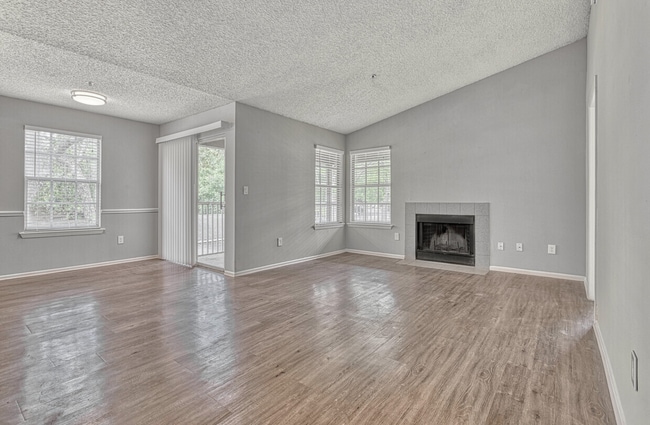
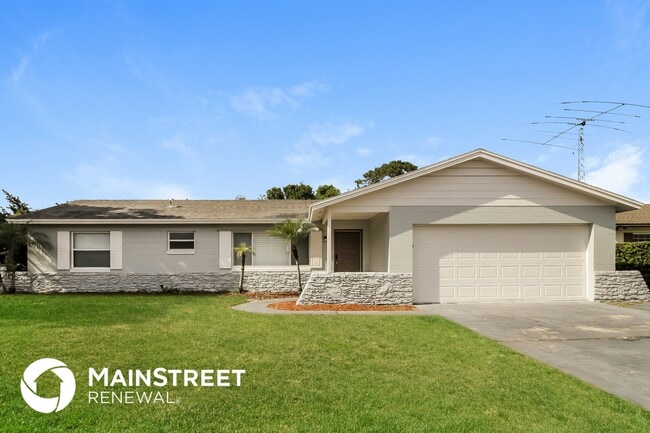
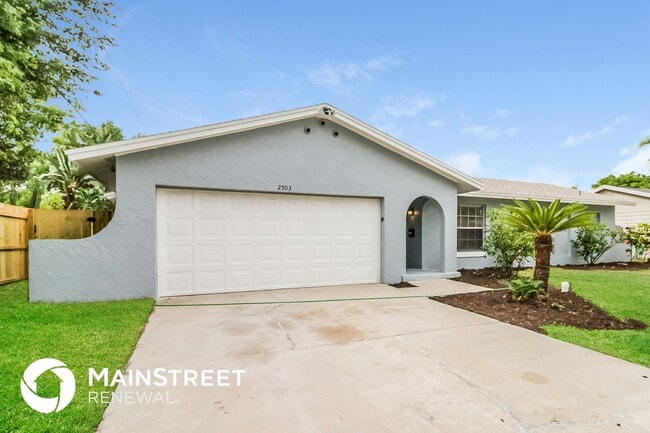
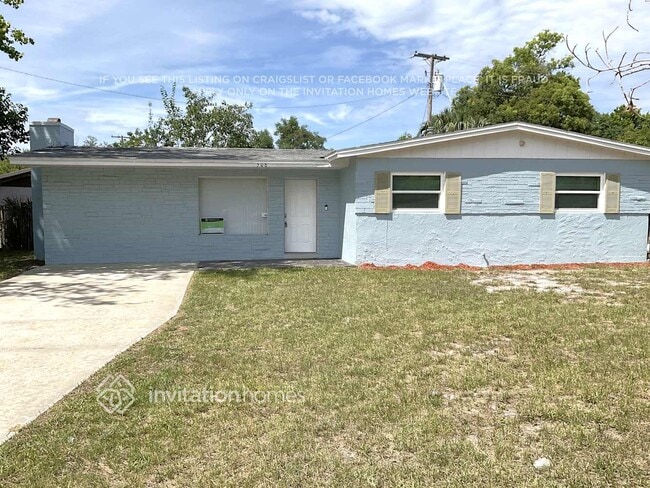
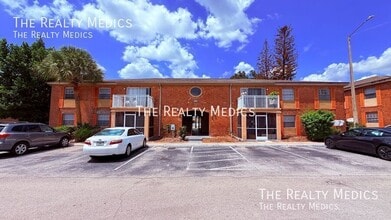
The housing stock in Fern Park leans toward smaller-scale apartment communities, garden-style buildings, and modest single-family rentals rather than high-rise towers. Most apartment communities here feature open layouts and surface parking in landscaped settings, offering a quieter alternative to denser urban options. Renters who want proximity to Orlando's job market, entertainment, and major highways, while still coming home to a neighborhood that feels unhurried and approachable, tend to find Fern Park a practical and comfortable fit.
Median Household Income
$61,104
Average: $83,473
Education
2,581
Residents Have a Degree
Job Market
4,063
Workers Employed
Median Age
42 Years
Largest Age Group
30-39 Years
Approximately 16% of Residents
Under 20
20%
Over 65
20%
Housing Distribution
Fern Park has more homeowners than renters.

Education Distribution
Review this city's overall education levels.

As of July 2026, the average apartment rent in Fern Park, FL is $1,130 for a studio, $1,203 for one bedroom, and $1,370 for two bedrooms. Apartment rent in Fern Park has decreased by -4.0% in the past year.
Explore how walkable, bikeable, drivable, and transit-friendly Fern Park, FL is for everyday living.
Moderately Walkable
Walkability
Limited Public Transit
Transit
Exceptionally Drivable
Drivability
Fairly Bikeable
Bikeability

English Estates Elementary School
Public
Grades PK-5
561 Students

 The GreatSchools Rating helps parents compare schools within a state based on a variety of school quality indicators and provides a helpful picture of how effectively each school serves all of its students. Ratings are on a scale of 1 (below average) to 10 (above average) and can include test scores, college readiness, academic progress, advanced courses, equity, discipline and attendance data. We also advise parents to visit schools, consider other information on school performance and programs, and consider family needs as part of the school selection process.
View GreatSchools Rating Methodology
Data provided by
GreatSchools.org
© 2026. All rights reserved.
The GreatSchools Rating helps parents compare schools within a state based on a variety of school quality indicators and provides a helpful picture of how effectively each school serves all of its students. Ratings are on a scale of 1 (below average) to 10 (above average) and can include test scores, college readiness, academic progress, advanced courses, equity, discipline and attendance data. We also advise parents to visit schools, consider other information on school performance and programs, and consider family needs as part of the school selection process.
View GreatSchools Rating Methodology
Data provided by
GreatSchools.org
© 2026. All rights reserved.
† Our analysis of utilities, groceries, transportation, healthcare, home prices, and other goods and services is sourced from the Cost of Living Index, a respected benchmark published by the Council for Community and Economic Research (C2ER) that provides a thorough overview of living expenses across different regions.
Rent data is provided by CoStar Group’s Market Trend reports. As the industry leader in commercial real estate information, analytics, and news, CoStar conducts extensive research to produce and maintain a comprehensive database of commercial real estate information. We combine this data with public record to provide the most up-to-date rental information available.
Consumer goods, services, and home prices are sourced from the Cost of Living Index published by the Council for Community and Economic Research (C2ER). The data on this page is updated quarterly. It was last published in June 2026.
Demographic information comes from Neustar and combines detailed address data with U.S. Census and American Community Survey statistics to produce reliable local estimates.