Median Age
44 Years
Largest Age Group
60-69 Years
Approximately 15% of Residents
Under 20
23%
Over 65
24%
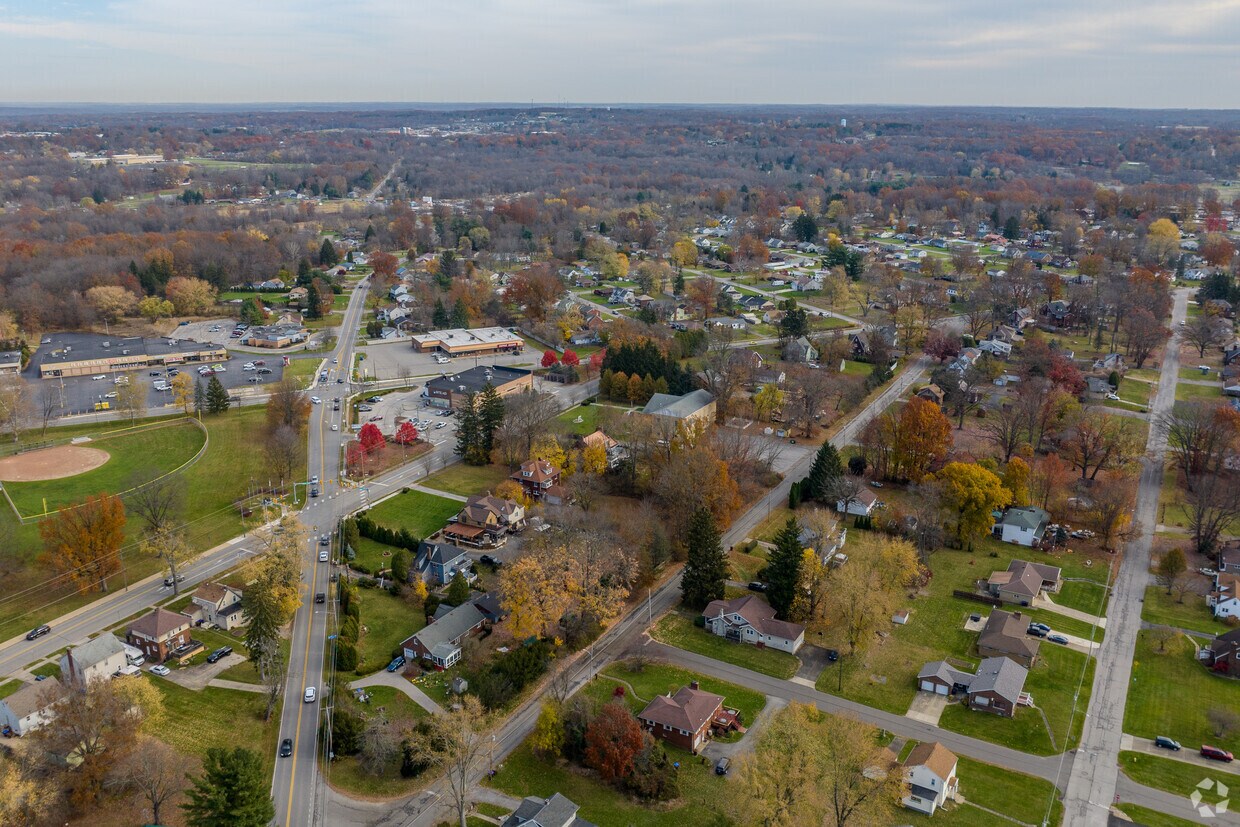
Farrell, Pennsylvania, sits along the Shenango River in western Mercer County, just steps from the Ohio state line and about 15 miles from Youngstown. Once known as "The Magic City," Farrell grew rapidly after a steel mill was built along the river in 1901, and that industrial heritage still shapes the city's character today. Renters searching for apartments for rent in Farrell will find an affordable market in a close-knit city with easy access to the broader Shenango Valley region.
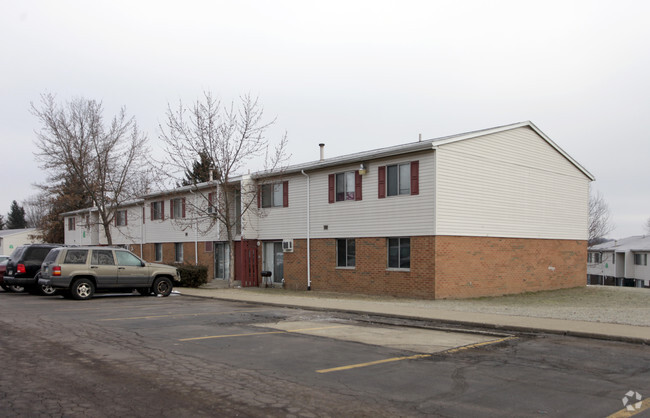
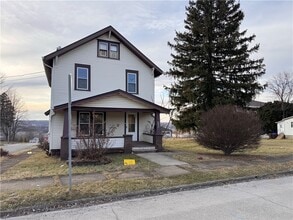
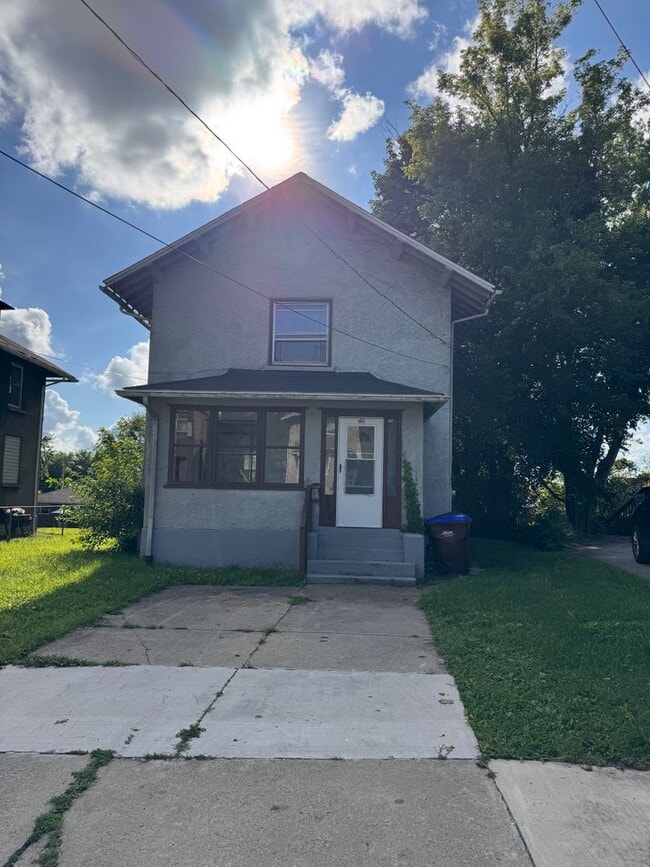
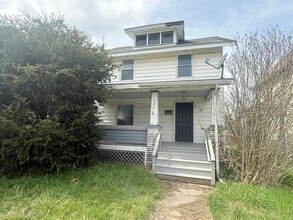
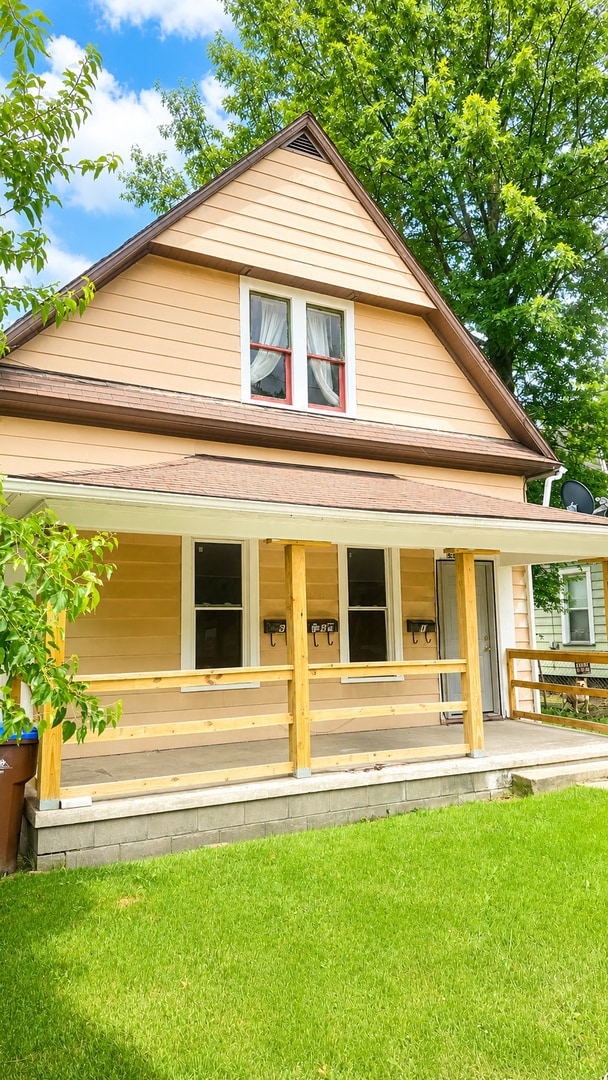
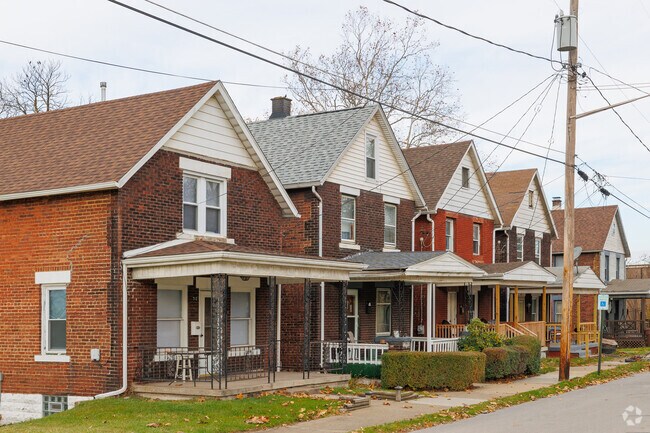
The rental housing stock in Farrell includes modest suburban-style houses, townhomes, and apartment communities that tend to offer competitive rates compared to larger nearby cities. The city's compact size means most daily needs are within a short drive. Shopping options expand quickly heading northeast into Hermitage, where the Shenango Valley Mall and a local movie theater anchor a stretch of retail and dining. Renters who enjoy the outdoors can reach McGuffey Wildlife Preserve in about 20 minutes, offering trails and natural scenery close to home.
Farrell's location along Route 62 and near Interstate 80 makes commuting to surrounding communities straightforward. Youngstown, Ohio is roughly 25 minutes away, and Pittsburgh is accessible within about an hour and 15 minutes. Several colleges are nearby, including Youngstown State University (about 25 minutes) and Grove City College (about 37 minutes), making Farrell a practical base for those working or studying in the region. For renters who want an affordable place to live with access to a larger metro area, Farrell offers a grounded, accessible option in western Pennsylvania.
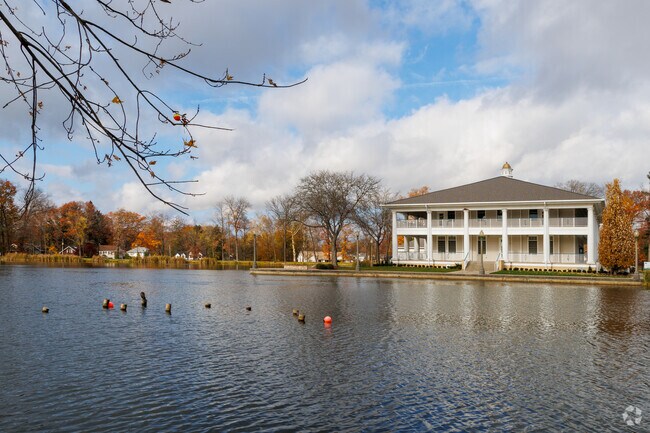
Lake Julia is named after Julia Buhl.
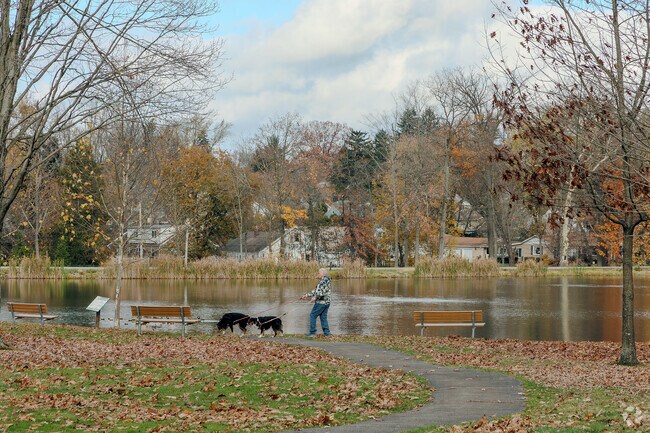
Buhl Park has plenty of places to take your dogs for a walk.
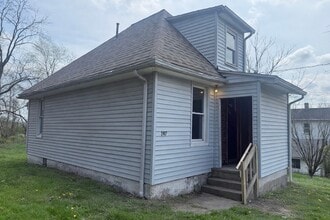
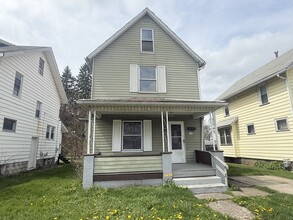
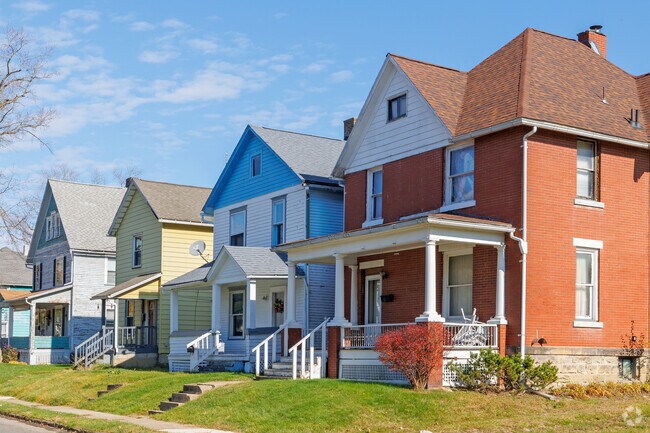
An eclectic row of homes in the Farrell neighborhood.
A monument in Farrell honoring the people who have served in the Armed Forces.
Enjoy the scenic views from one of Buhl Park's many paths and trails.
Buhl Park has an extensive network of paved paths for families to enjoy.
Median Household Income
$25,922
Average: $45,515
Education
555
Residents Have a Degree
Job Market
1,675
Workers Employed
Median Age
44 Years
Largest Age Group
60-69 Years
Approximately 15% of Residents
Under 20
23%
Over 65
24%
Housing Distribution
Farrell has more homeowners than renters.

Education Distribution
Review this city's overall education levels.

Explore how walkable, bikeable, drivable, and transit-friendly Farrell, PA is for everyday living.
Fairly Walkable
Walkability
Very Drivable
Drivability
Somewhat Bikeable
Bikeability

Russell C. Phillips Elementary School
Public
Grades PK-5
414 Students

Farrell Area High School/Upper Middle School
Public
Grades 6-12
281 Students

Farrell Area High School/Upper Middle School
Public
Grades 6-12
281 Students
 The GreatSchools Rating helps parents compare schools within a state based on a variety of school quality indicators and provides a helpful picture of how effectively each school serves all of its students. Ratings are on a scale of 1 (below average) to 10 (above average) and can include test scores, college readiness, academic progress, advanced courses, equity, discipline and attendance data. We also advise parents to visit schools, consider other information on school performance and programs, and consider family needs as part of the school selection process.
View GreatSchools Rating Methodology
Data provided by
GreatSchools.org
© 2026. All rights reserved.
The GreatSchools Rating helps parents compare schools within a state based on a variety of school quality indicators and provides a helpful picture of how effectively each school serves all of its students. Ratings are on a scale of 1 (below average) to 10 (above average) and can include test scores, college readiness, academic progress, advanced courses, equity, discipline and attendance data. We also advise parents to visit schools, consider other information on school performance and programs, and consider family needs as part of the school selection process.
View GreatSchools Rating Methodology
Data provided by
GreatSchools.org
© 2026. All rights reserved.
† Our analysis of utilities, groceries, transportation, healthcare, home prices, and other goods and services is sourced from the Cost of Living Index, a respected benchmark published by the Council for Community and Economic Research (C2ER) that provides a thorough overview of living expenses across different regions.
Rent data is provided by CoStar Group’s Market Trend reports. As the industry leader in commercial real estate information, analytics, and news, CoStar conducts extensive research to produce and maintain a comprehensive database of commercial real estate information. We combine this data with public record to provide the most up-to-date rental information available.
Consumer goods, services, and home prices are sourced from the Cost of Living Index published by the Council for Community and Economic Research (C2ER). The data on this page is updated quarterly. It was last published in September 2026.
Demographic information comes from Neustar and combines detailed address data with U.S. Census and American Community Survey statistics to produce reliable local estimates.