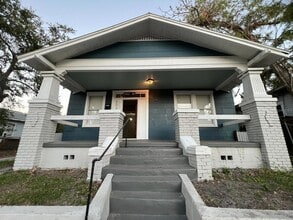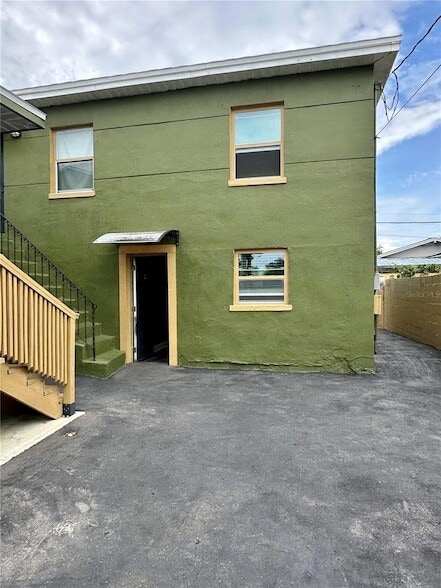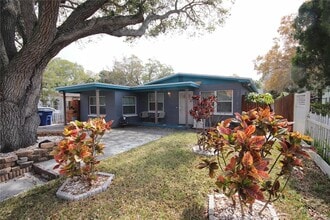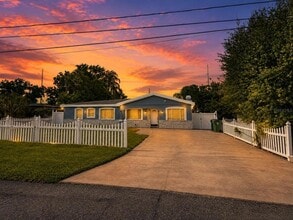
Harrison Residences
1280 E Harrison St,
Tampa, FL 33602
$2,339 - $4,802 Total Monthly Price
Studio - 2 Beds

Area Guide
Located along the Hillsborough River, Downtown Tampa is the land of street cars, history, art, and business. The Tampa Riverwalk is a great place to begin exploring this dynamic neighborhood, since it is home to so many attractions – and it’s attractive! The waterfront views alone will inspire you, but step inside the TECO Theater, spend time exploring the Tampa Museum of Art, or catch a performance at the Straz Center. The great weather may behoove you to stay outside. In that case, enjoy a live concert at the outdoor theater, located in the dog-friendly Curtis Hixon Waterfront Park.
Cross the river at West Cass Street and be at the University of Tampa in a matter of minutes. Or follow the Riverwalk south to discover the Tampa Convention Center, the Amalie Arena (Go, Tampa Bay Lightning!), and the Tampa Bay History Center. In the mood to explore the ocean? Visit the Florida Aquarium or take a cruise from the Port of Tampa. And all of that is just downtown – venture out of the neighborhood to visit Busch Gardens or the Big Cat Rescue. There’s one thing you can’t be in Tampa, and that’s bored!
While Downtown Tampa is filled with innumerable attractions, great restaurants, and shops galore, it’s also a great place to live. The wide sidewalks and brick-paved streets are pedestrian-friendly, there are bike-sharing stations located throughout the neighborhood, and the ample trees and greenspace adds natural beauty to the area.
As of August 2026, the average apartment rent in Downtown Tampa is $2,094 for a studio, $2,345 for one bedroom, $3,090 for two bedrooms, and $2,795 for three bedrooms. Apartment rent in Downtown Tampa has increased by 1.5% in the past year.
Studio
564 sq ft
Average Sq Ft
$2,094/month
Average Rent
1 BR
727 sq ft
Average Sq Ft
$2,345/month
Average Rent
2 BR
1,069 sq ft
Average Sq Ft
$3,090/month
Average Rent
3 BR
1,346 sq ft
Average Sq Ft
$2,795/month
Average Rent
Explore how walkable, bikeable, drivable, and transit-friendly Downtown Tampa - Tampa, FL is for everyday living.
Moderately Walkable
Walkability
Some Public Transit
Transit
Exceptionally Drivable
Drivability
Fairly Bikeable
Bikeability
In Downtown Tampa - Tampa, FL, daily errands are quick and hassle-free.
Supermarket Within a 5 Minute Walk
Groceries
Great Restaurant Variety Nearby
Restaurants
Exceptional Café Variety Nearby
Cafes
Great Variety of Shops Nearby
Shopping
Downtown Tampa - Tampa, FL provides green space and wellness resources in certain areas.
Large Amount of Park Space Nearby
Parks
Fair Wellness Amenity Variety Nearby
Wellness
Get a sense of what it’s like to live in Downtown Tampa - Tampa, FL from everyday activity to noise and nightlife.
Vibrant Atmosphere at Times
Vibrancy
Exceptional Nightlife Variety Nearby
Nightlife

† Our analysis of utilities, groceries, transportation, healthcare, home prices, and other goods and services is sourced from the Cost of Living Index, a respected benchmark published by the Council for Community and Economic Research (C2ER) that provides a thorough overview of living expenses across different regions.
Rent data is provided by CoStar Group’s Market Trend reports. As the industry leader in commercial real estate information, analytics, and news, CoStar conducts extensive research to produce and maintain a comprehensive database of commercial real estate information. We combine this data with public record to provide the most up-to-date rental information available.
Consumer goods, services, and home prices are sourced from the Cost of Living Index published by the Council for Community and Economic Research (C2ER). The data on this page is updated quarterly. It was last published in June 2026.
Demographic information comes from Neustar and combines detailed address data with U.S. Census and American Community Survey statistics to produce reliable local estimates.