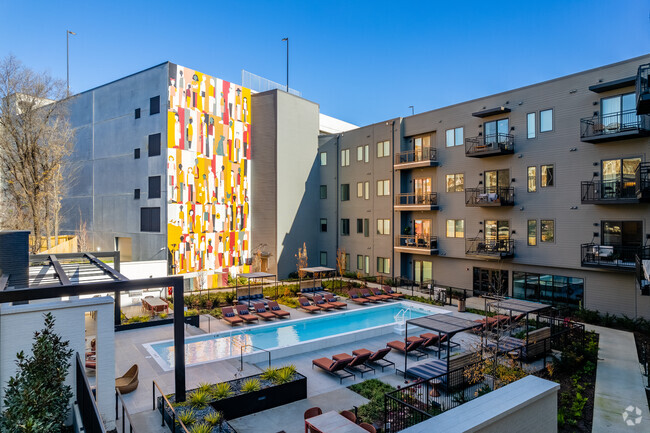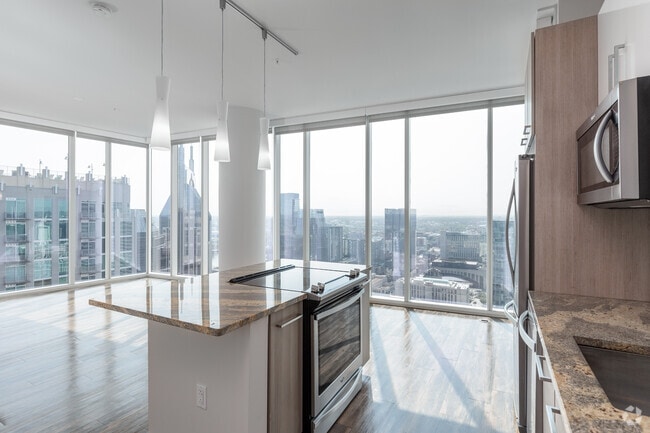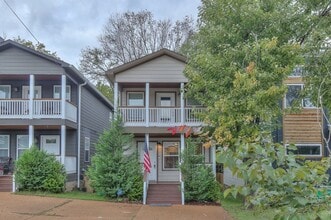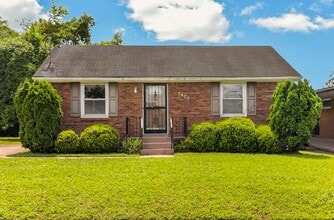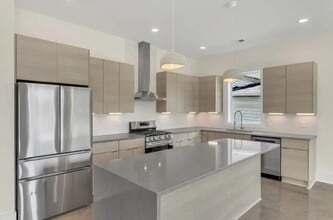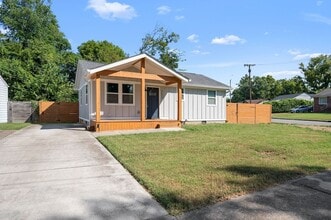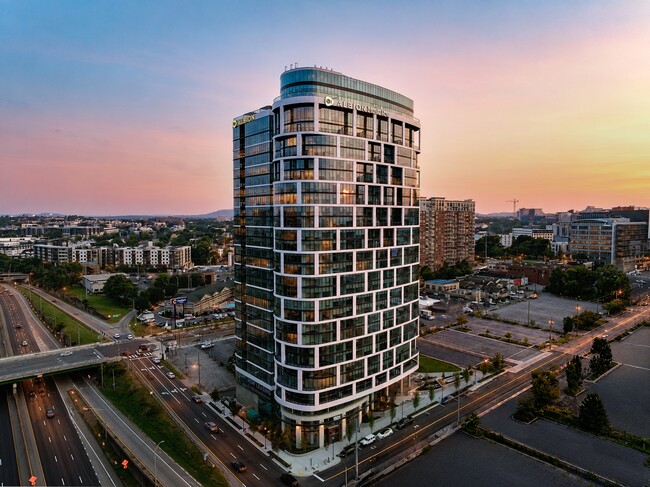
Albion Music Row
1501 McGavock St,
Nashville, TN 37203
$1,679 - $7,437 Total Monthly Price
Studio - 3 Beds

Area Guide
As the hub for entertainment and live music in Music City, Downtown Nashville is known for its Honky Tonk bars, artistic museums, and unbeatable atmosphere. Visitors from all over the world come to Downtown to explore Lower Broadway’s live music scene, also known as Honky Tonk Highway. Rowdy bars, delicious restaurants, and free live music shows are the norm. From Tootsie’s Orchid Lounge and Bootleggers Inn to Dierks Bentley’s Whiskey Row and Jason Aldean’s Kitchen + Rooftop Bar, there are quite a few country music names being thrown around town.
North of Broadway, residents and locals alike enjoy admiring the historic buildings, art galleries, and local restaurants. Check out Bicentennial Capitol Mall State Park, the Nashville Farmers’ Market, and the Tennessee State Museum. South of Broadway, you’ll discover top-notch museums and athletic arenas, such as the Frist Art Museum, the Country Music Hall of Fame, the Ryman Auditorium, and Bridgestone Arena.
Nearing the Cumberland River is the Music City Star Riverfront Transit Station, which will take you throughout the city. If you plan to commute by car, Interstates 24, 40, and 65 are at your service. Downtown Nashville is surrounded by local gems, including the Parthenon, Vanderbilt University, and the Grand Ole Opry. Homes and apartments in Downtown Nashville range from cozy and quaint to modern and upscale, so there’s something for everyone in Music City’s entertainment hub.
As of September 2026, the average apartment rent in Downtown Nashville is $1,670 for a studio, $2,013 for one bedroom, $2,969 for two bedrooms, and $4,485 for three bedrooms. Apartment rent in Downtown Nashville has decreased by 0.0% in the past year.
Studio
524 sq ft
Average Sq Ft
$1,670/month
Average Rent
1 BR
723 sq ft
Average Sq Ft
$2,013/month
Average Rent
2 BR
1,093 sq ft
Average Sq Ft
$2,969/month
Average Rent
3 BR
1,162 sq ft
Average Sq Ft
$4,485/month
Average Rent
Explore how walkable, bikeable, drivable, and transit-friendly Downtown Nashville - Nashville, TN is for everyday living.
Moderately Walkable
Walkability
Good Public Transit
Transit
Very Drivable
Drivability
Moderately Bikeable
Bikeability
In Downtown Nashville - Nashville, TN, daily errands are quick and hassle-free.
Supermarket Within a 5 Minute Walk
Groceries
Exceptional Restaurant Variety Nearby
Restaurants
Exceptional Café Variety Nearby
Cafes
Great Variety of Shops Nearby
Shopping
Downtown Nashville - Nashville, TN provides green space and wellness resources in certain areas.
Large Amount of Park Space Nearby
Parks
Fair Wellness Amenity Variety Nearby
Wellness
Get a sense of what it’s like to live in Downtown Nashville - Nashville, TN from everyday activity to noise and nightlife.
Vibrant Atmosphere
Vibrancy
Exceptional Nightlife Variety Nearby
Nightlife
Very Noisy
Quiet Score

† Our analysis of utilities, groceries, transportation, healthcare, home prices, and other goods and services is sourced from the Cost of Living Index, a respected benchmark published by the Council for Community and Economic Research (C2ER) that provides a thorough overview of living expenses across different regions.
Rent data is provided by CoStar Group’s Market Trend reports. As the industry leader in commercial real estate information, analytics, and news, CoStar conducts extensive research to produce and maintain a comprehensive database of commercial real estate information. We combine this data with public record to provide the most up-to-date rental information available.
Consumer goods, services, and home prices are sourced from the Cost of Living Index published by the Council for Community and Economic Research (C2ER). The data on this page is updated quarterly. It was last published in September 2026.
Demographic information comes from Neustar and combines detailed address data with U.S. Census and American Community Survey statistics to produce reliable local estimates.