7 Best Places to Live in Rhode Island
Thinking about moving to Rhode Island but don’t know where to start? Explore our comprehensive guide to five of Rhode Island’s best cities.


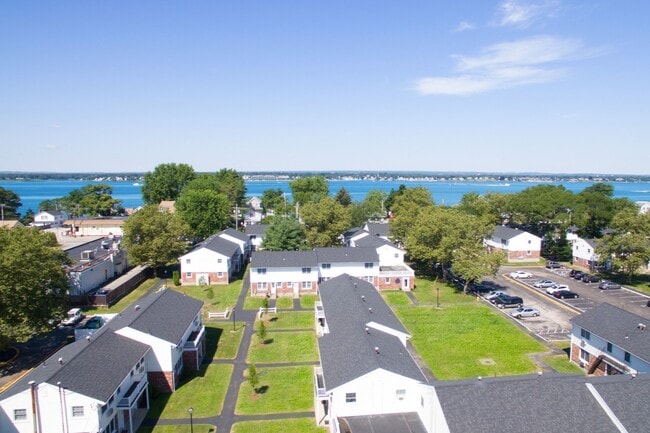
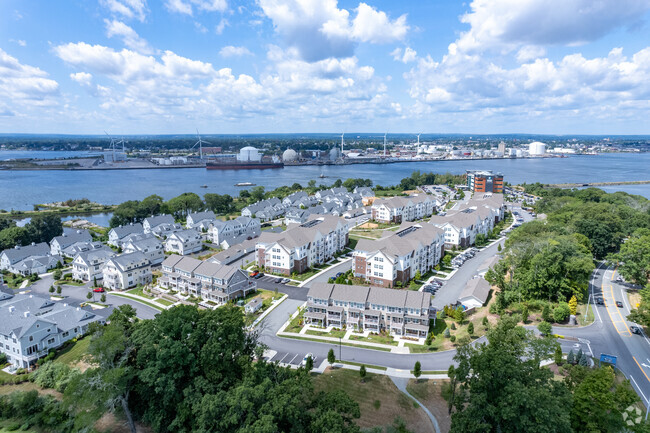
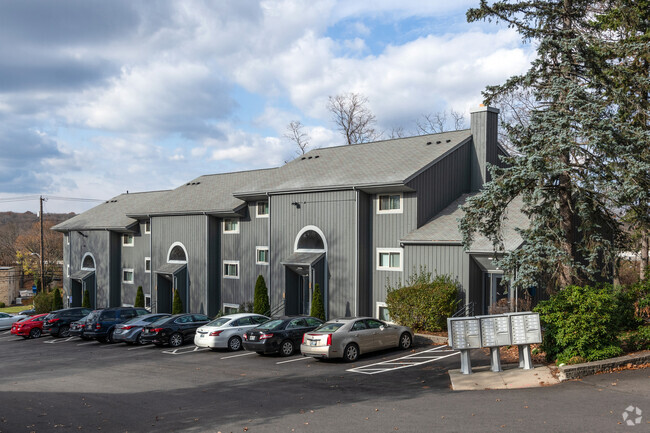
Situated about five miles south of Downtown Providence, Cranston is a picturesque suburb teeming with true New England charm. Cranston residents enjoy a peaceful atmosphere along with access to myriad suburban delights. National retailers and familiar restaurants abound at the outdoor Garden City Center while independent shops and local eateries are strewn throughout the city.
Numerous scenic parks, rivers, and ponds provide space for all kinds of outdoor activities in Cranston. The many metropolitan amenities of Providence are also within close reach, with Roger Williams Park Zoo, Providence Children’s Museum, Providence Place, and Brown University all just a short drive away. Convenience to I-95, I-295, and TF Green Airport makes commuting and traveling from Cranston a breeze.
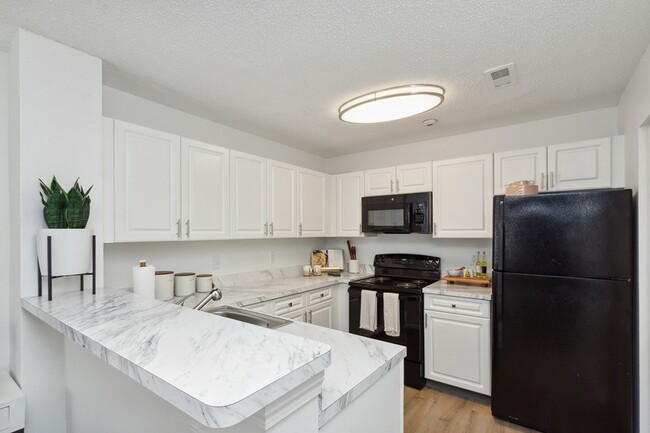
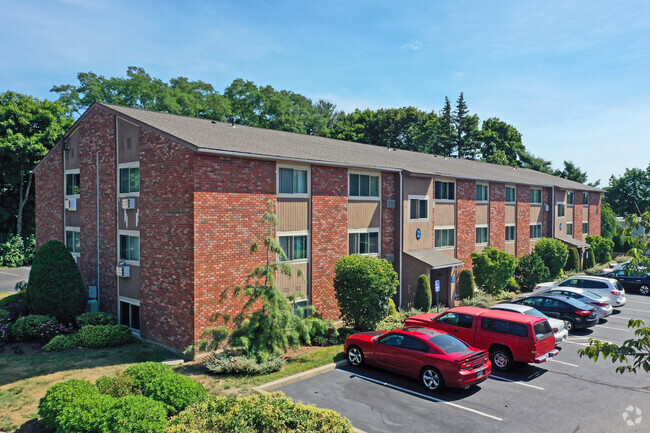
As of March 2026, the average apartment rent in Cranston, RI is $1,431 for a studio, $1,802 for one bedroom, $2,177 for two bedrooms, and $2,535 for three bedrooms. Apartment rent in Cranston has increased by 4.5% in the past year.
Thinking about moving to Rhode Island but don’t know where to start? Explore our comprehensive guide to five of Rhode Island’s best cities.
Explore how walkable, bikeable, drivable, and transit-friendly Cranston, RI is for everyday living.
Somewhat Walkable
You might be able to get out and walk when living in this area. Some errands can be accomplished on foot, but for others you’ll need a car.
Some Transit
You'll likely want a car when living in this area since it has few transit options.
Somewhat Bikeable
You might be able to find places to ride your bike in this area, but you’ll most likely want your car for most errands.
Public
Grades K-5

Public
Grades K-5
Public
Grades K-5
Hope Highlands Elementary School
Public
Grades K-6
389 Students
Public
Grades PK-5

Public
Grades 6-8
Public
Grades 6-8
Public
Grades 6-8

Public
Grades 6-8

 The GreatSchools Rating helps parents compare schools within a state based on a variety of school quality indicators and provides a helpful picture of how effectively each school serves all of its students. Ratings are on a scale of 1 (below average) to 10 (above average) and can include test scores, college readiness, academic progress, advanced courses, equity, discipline and attendance data. We also advise parents to visit schools, consider other information on school performance and programs, and consider family needs as part of the school selection process.
View GreatSchools Rating Methodology
Data provided by
GreatSchools.org
© 2026. All rights reserved.
The GreatSchools Rating helps parents compare schools within a state based on a variety of school quality indicators and provides a helpful picture of how effectively each school serves all of its students. Ratings are on a scale of 1 (below average) to 10 (above average) and can include test scores, college readiness, academic progress, advanced courses, equity, discipline and attendance data. We also advise parents to visit schools, consider other information on school performance and programs, and consider family needs as part of the school selection process.
View GreatSchools Rating Methodology
Data provided by
GreatSchools.org
© 2026. All rights reserved.

49
Communities
14,016
Units
23
Cities

33
Communities
4,452
Units
18
Cities

14
Communities
1,333
Units
13
Cities

3,487
Communities
959,069
Units
894
Cities

164
Communities
42,465
Units
96
Cities

61
Communities
9,932
Units
48
Cities
† Our analysis of utilities, groceries, transportation, healthcare, home prices, and other goods and services is sourced from the Cost of Living Index, a respected benchmark published by the Council for Community and Economic Research (C2ER) that provides a thorough overview of living expenses across different regions.
Rent data is provided by CoStar Group’s Market Trend reports. As the industry leader in commercial real estate information, analytics, and news, CoStar conducts extensive research to produce and maintain a comprehensive database of commercial real estate information. We combine this data with public record to provide the most up-to-date rental information available.
Consumer goods, services, and home prices are sourced from the Cost of Living Index published by the Council for Community and Economic Research (C2ER). The data on this page is updated quarterly. It was last published in February 2026.