Median Age
40 Years
Largest Age Group
10-19 Years
Approximately 14% of Residents
Under 20
26%
Over 65
17%



Avg Rent
$1,132
Population
5,963
Renter Mix
28% Rent
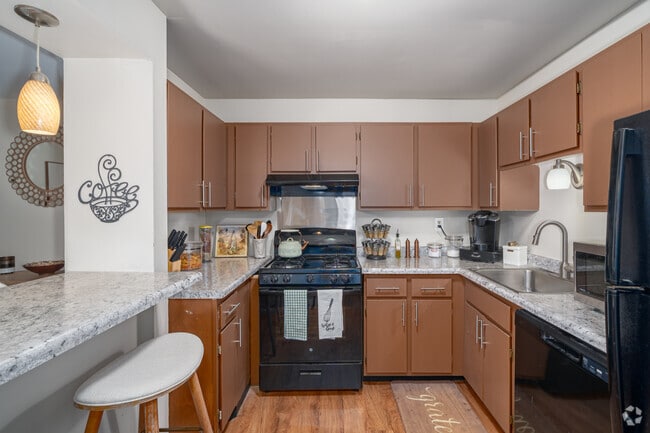
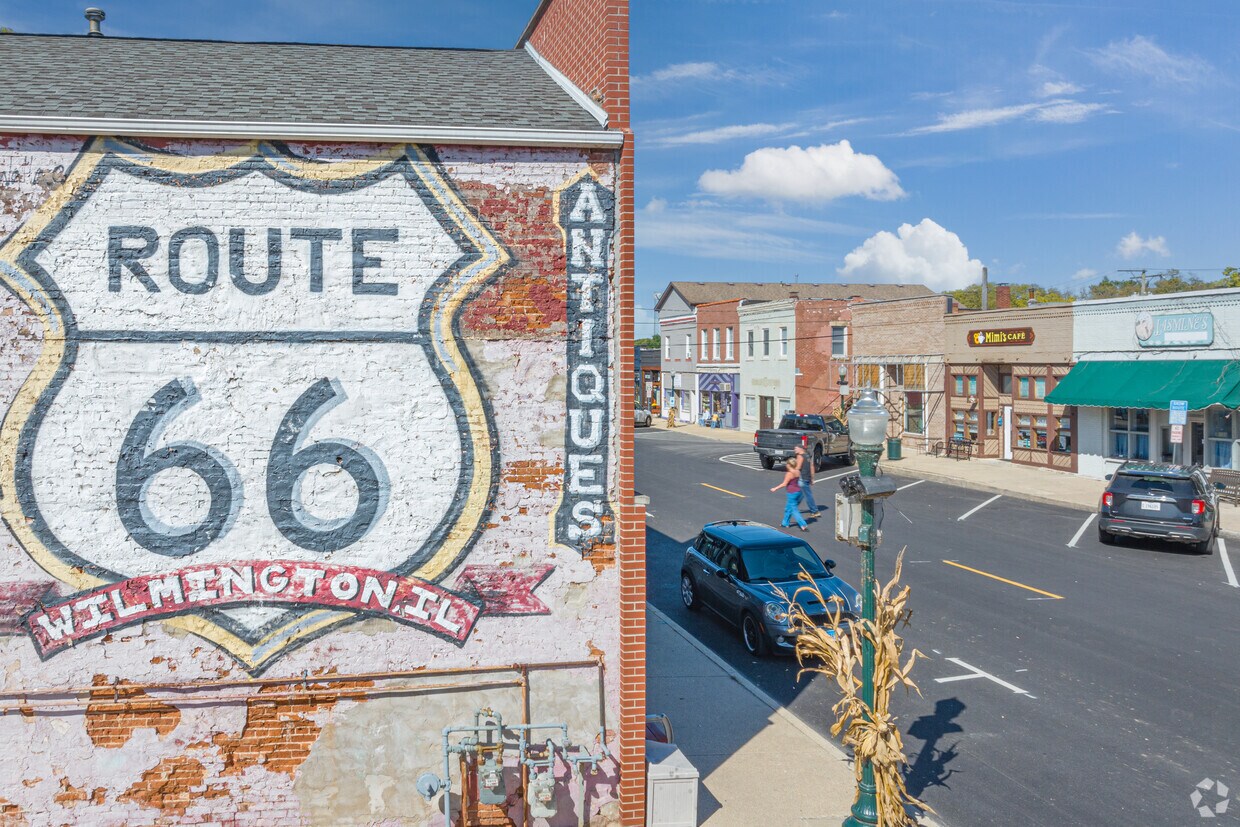
Coal City, Illinois, is a compact village about 70 miles southwest of Chicago, where a strong sense of community and a slower pace of life come with genuinely affordable rent. The village carries a proud industrial history: coal reserves discovered here in 1820 gave the area its name, and after mining declined in the 20th century, nearby manufacturing and energy production, including the Dresden Nuclear Power Plant and Braidwood Nuclear Generating Station, became the economic backbone.
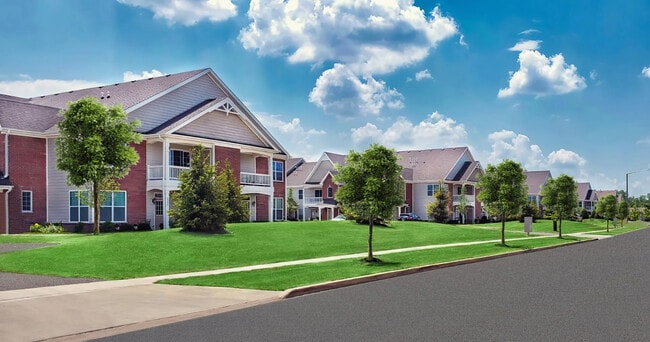
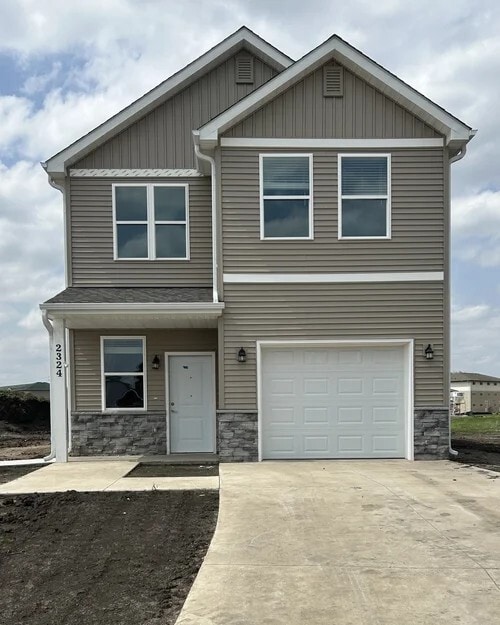
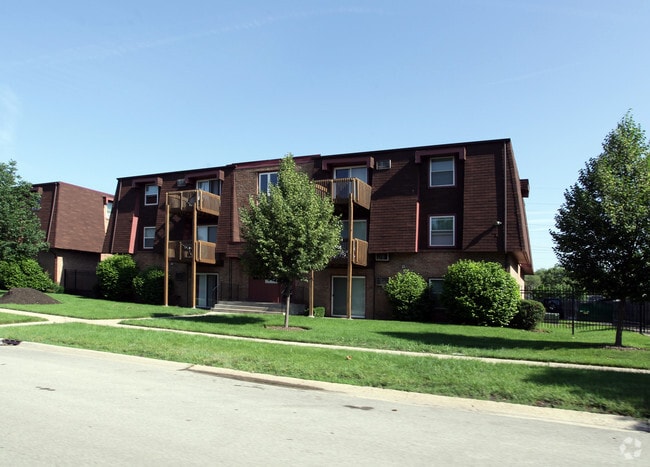
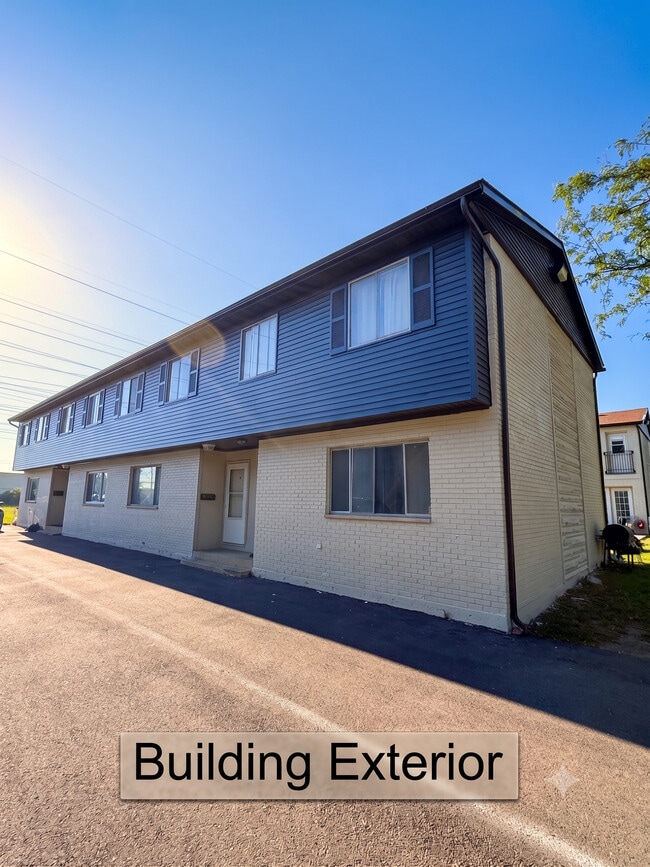
Today, many residents commute to Joliet or the broader Chicago metro, making Coal City a practical base for those who want lower costs without sacrificing access to a major job market. The rental market is anchored by single-family homes and smaller apartment communities, with rents that run well below the Illinois state average. Joliet Junior College maintains a campus about 14 miles away, adding a nearby higher-education option. Community events like outdoor movie screenings and a farmers market keep the social calendar alive, and Goose Lake Prairie State Natural Area, one of Illinois' largest remaining prairies, sits within a short drive for anyone who wants open sky and quiet trails.
The Kankakee River provides an excellent spot for Coal City fisherman.
Customers at Polk-A-Dot Restaurant near Coal City enjoy the great food and service.
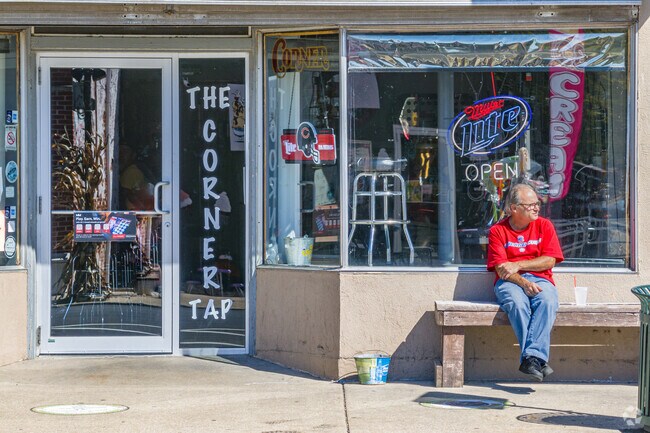
The Corner Tap is a popular bar that resides in a 150-year-old building.
Coal City residents can get fresh produce at the local Berkot's.
Median Household Income
$71,925
Average: $97,023
Education
1,029
Residents Have a Degree
Job Market
2,952
Workers Employed
Median Age
40 Years
Largest Age Group
10-19 Years
Approximately 14% of Residents
Under 20
26%
Over 65
17%
Housing Distribution
Coal City has more homeowners than renters.

Education Distribution
Review this city's overall education levels.

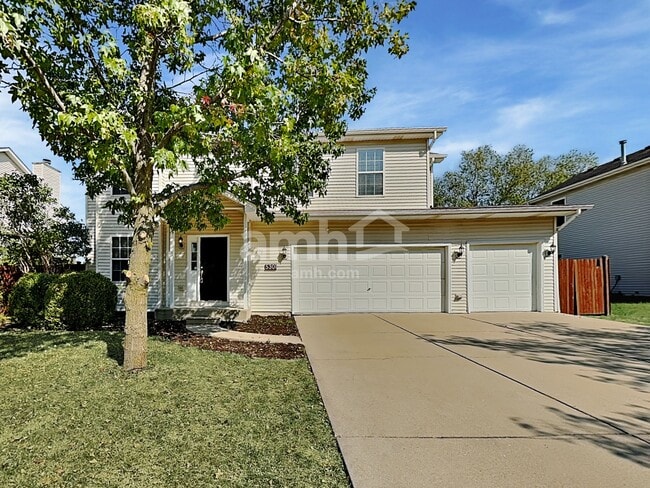
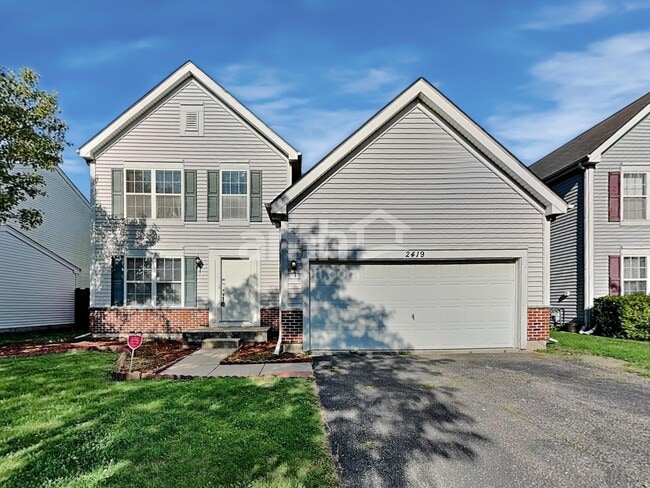
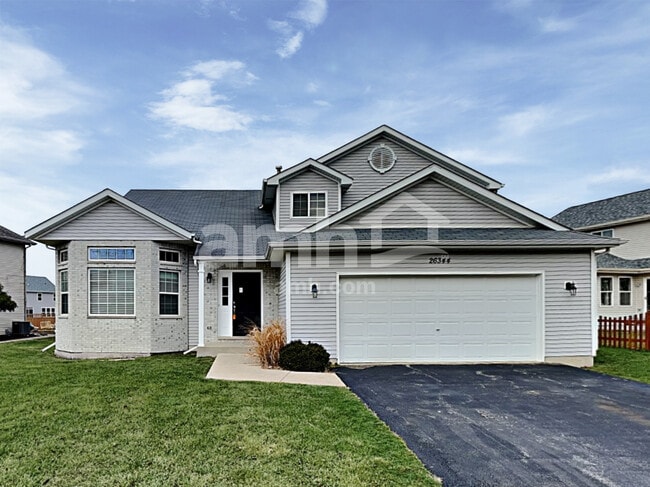
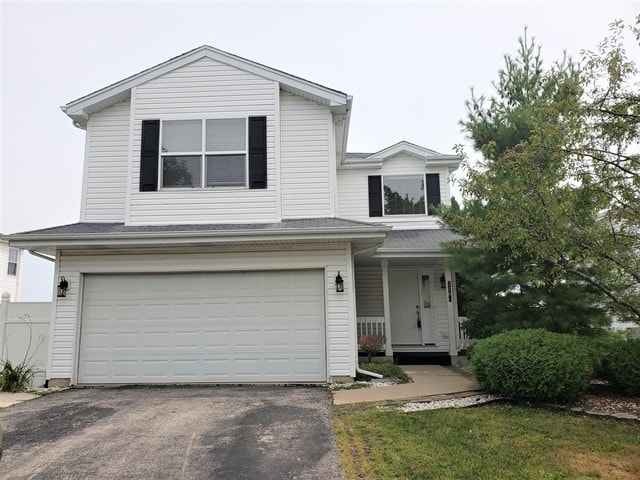
As of September 2026, the average apartment rent in Coal City, IL is $511 for a studio, $1,132 for one bedroom, and $1,095 for two bedrooms. Apartment rent in Coal City has increased by 1.4% in the past year.
Explore how walkable, bikeable, drivable, and transit-friendly Coal City, IL is for everyday living.
Fairly Walkable
Walkability
Very Drivable
Drivability
Fairly Bikeable
Bikeability

Public
Grades K-5
289 Students

Public
Grades K-5
303 Students

Coal City Early Childhood Center
Public
Grades PK-5
438 Students

Public
Grades 6-8
450 Students

Public
Grades 9-12
641 Students
 The GreatSchools Rating helps parents compare schools within a state based on a variety of school quality indicators and provides a helpful picture of how effectively each school serves all of its students. Ratings are on a scale of 1 (below average) to 10 (above average) and can include test scores, college readiness, academic progress, advanced courses, equity, discipline and attendance data. We also advise parents to visit schools, consider other information on school performance and programs, and consider family needs as part of the school selection process.
View GreatSchools Rating Methodology
Data provided by
GreatSchools.org
© 2026. All rights reserved.
The GreatSchools Rating helps parents compare schools within a state based on a variety of school quality indicators and provides a helpful picture of how effectively each school serves all of its students. Ratings are on a scale of 1 (below average) to 10 (above average) and can include test scores, college readiness, academic progress, advanced courses, equity, discipline and attendance data. We also advise parents to visit schools, consider other information on school performance and programs, and consider family needs as part of the school selection process.
View GreatSchools Rating Methodology
Data provided by
GreatSchools.org
© 2026. All rights reserved.
† Our analysis of utilities, groceries, transportation, healthcare, home prices, and other goods and services is sourced from the Cost of Living Index, a respected benchmark published by the Council for Community and Economic Research (C2ER) that provides a thorough overview of living expenses across different regions.
Rent data is provided by CoStar Group’s Market Trend reports. As the industry leader in commercial real estate information, analytics, and news, CoStar conducts extensive research to produce and maintain a comprehensive database of commercial real estate information. We combine this data with public record to provide the most up-to-date rental information available.
Consumer goods, services, and home prices are sourced from the Cost of Living Index published by the Council for Community and Economic Research (C2ER). The data on this page is updated quarterly. It was last published in September 2026.
Demographic information comes from Neustar and combines detailed address data with U.S. Census and American Community Survey statistics to produce reliable local estimates.