10 Best Chicago Neighborhoods for Foodies
Looking to live in a Chicago neighborhood with great food? Explore some of the hotspots of Chicago’s food scene for the best deep-dish pizza, Italian beef, and Chicago-style hot dogs.


Area Guide
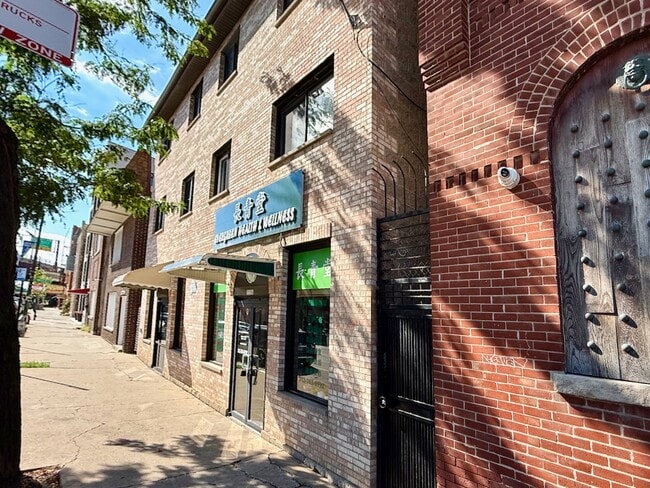
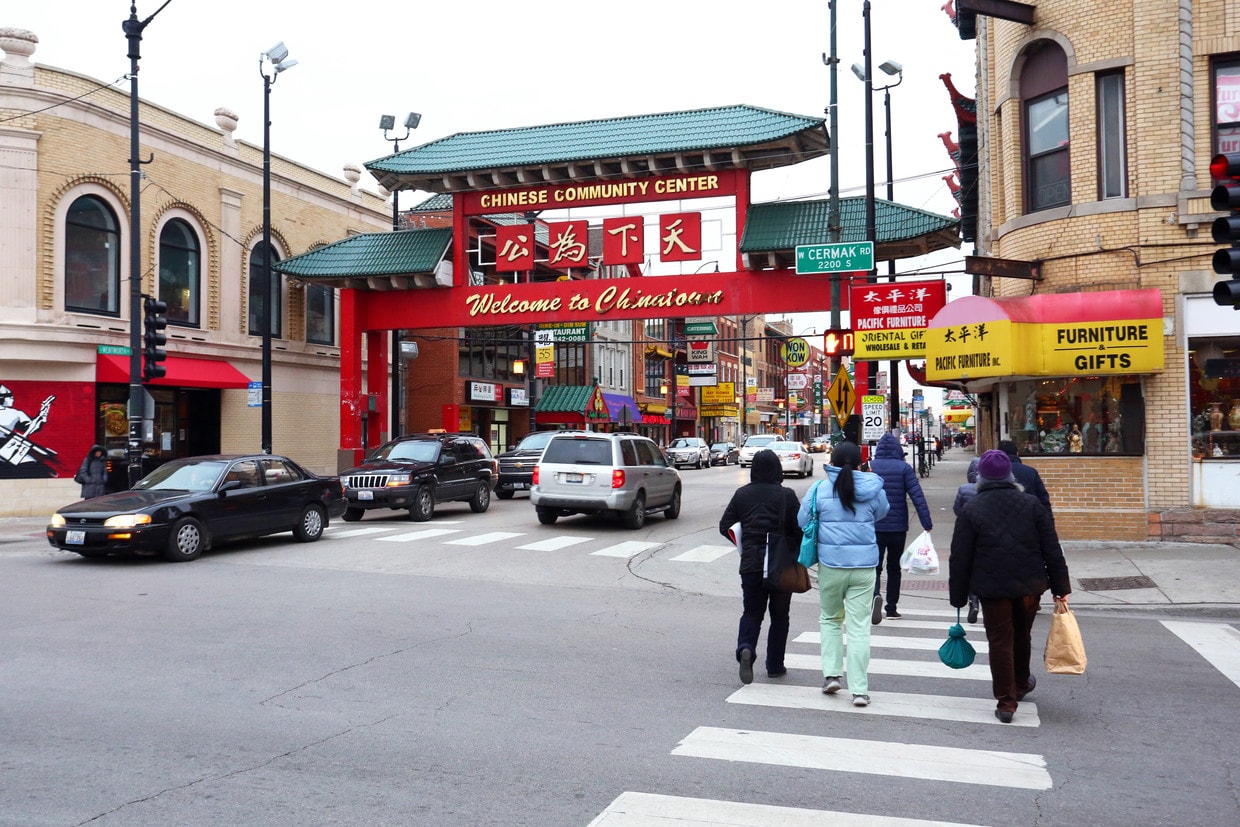
Located on Chicago’s South Side, Chinatown is a vibrant business district brimming with an array of specialty shops, cafes, dim sum spots, and teahouses. The robust Chinatown Square outdoor mall boasts plenty of additional shopping and dining opportunities as well as intricate murals and sculptures.
Chinatown residents enjoy a peaceful reprieve from an otherwise bustling atmosphere at the 12-acre Ping Tom Memorial Park, situated along the south branch of the Chicago River. The neighborhood provides a strong sense of community at numerous year-round events, from the annual Summer Fair to the Lunar New Year Parade. Getting around from Chinatown is easy with access to the Red Line, I-55, and I-90.
As of September 2026, the average apartment rent in Chinatown is $3,475 for a studio, $4,284 for one bedroom, $6,081 for two bedrooms, and $8,639 for three bedrooms. Apartment rent in Chinatown has increased by 2.5% in the past year.
Studio
419 sq ft
Average Sq Ft
$3,475/month
Average Rent
1 BR
549 sq ft
Average Sq Ft
$4,284/month
Average Rent
2 BR
788 sq ft
Average Sq Ft
$6,081/month
Average Rent
3 BR
1,120 sq ft
Average Sq Ft
$8,639/month
Average Rent

10 Best Chicago Neighborhoods for Foodies
Looking to live in a Chicago neighborhood with great food? Explore some of the hotspots of Chicago’s food scene for the best deep-dish pizza, Italian beef, and Chicago-style hot dogs.

When Is the Best Time to Move?
Fall deals, winter savings, and summer price spikes—here’s what each season means for your move.

The Essential To-Do List Before Moving Out of an Apartment
From proper notice to the walk-through, this checklist covers what stands between you and your deposit.
Explore how walkable, bikeable, drivable, and transit-friendly Chinatown - Chicago, IL is for everyday living.
Moderately Walkable
Walkability
Exceptional Public Transit
Transit
Moderately Drivable
Drivability
Moderately Bikeable
Bikeability
In Chinatown - Chicago, IL, daily errands are quick and hassle-free.
Supermarket Within a 5 Minute Walk
Groceries
Exceptional Restaurant Variety Nearby
Restaurants
Exceptional Café Variety Nearby
Cafes
Exceptional Variety of Shops Nearby
Shopping
Chinatown - Chicago, IL provides green space and wellness resources in certain areas.
Very Large Amount of Park Space Nearby
Parks
Good Wellness Amenity Variety Nearby
Wellness
Get a sense of what it’s like to live in Chinatown - Chicago, IL from everyday activity to noise and nightlife.
Vibrant Atmosphere
Vibrancy
Exceptional Nightlife Variety Nearby
Nightlife


Current Resident
7 years and 7 months ago•Niche Review
Chinatown has a great cultural immersion. The Chinese population is largely located in this area, where interacting with Chinese language and culture is simply amazing. The cultural taxation is my only issue along with gentrification of business capitalism.
Current Resident
9 years and 9 months ago•Niche Review
I lived in Chinatown since 2015 and I love this neighborhood. They are friendly and protective. Also, the stores are inexpensive. Red line is 5 minutes walking, and in 10 minutes you are in the loop. Chinatown is amazing I would never change for an other neighborhood.
† Our analysis of utilities, groceries, transportation, healthcare, home prices, and other goods and services is sourced from the Cost of Living Index, a respected benchmark published by the Council for Community and Economic Research (C2ER) that provides a thorough overview of living expenses across different regions.
Rent data is provided by CoStar Group’s Market Trend reports. As the industry leader in commercial real estate information, analytics, and news, CoStar conducts extensive research to produce and maintain a comprehensive database of commercial real estate information. We combine this data with public record to provide the most up-to-date rental information available.
Consumer goods, services, and home prices are sourced from the Cost of Living Index published by the Council for Community and Economic Research (C2ER). The data on this page is updated quarterly. It was last published in September 2026.
Demographic information comes from Neustar and combines detailed address data with U.S. Census and American Community Survey statistics to produce reliable local estimates.