Median Age
39 Years
Largest Age Group
40-49 Years
Approximately 17% of Residents
Under 20
27%
Over 65
12%


Avg Rent
$1,226
Population
85,448
Renter Mix
37% Rent
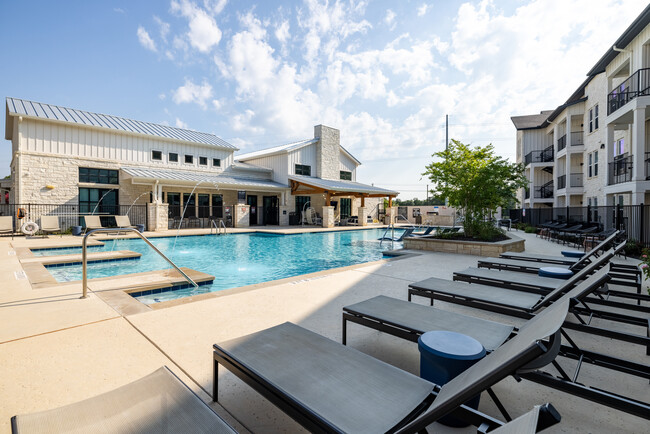
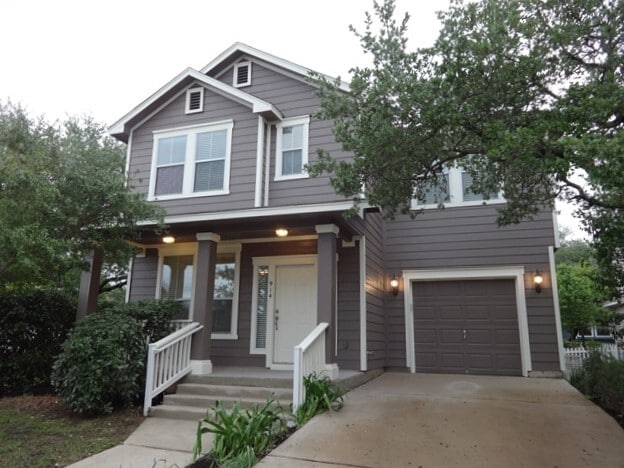
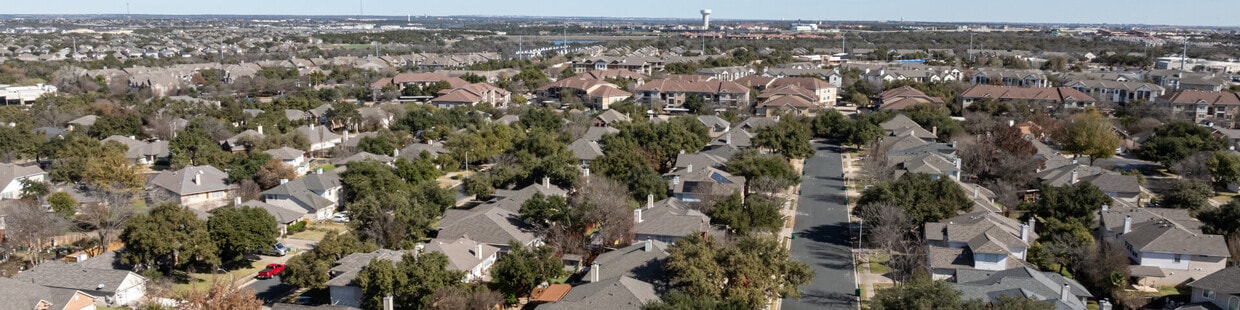
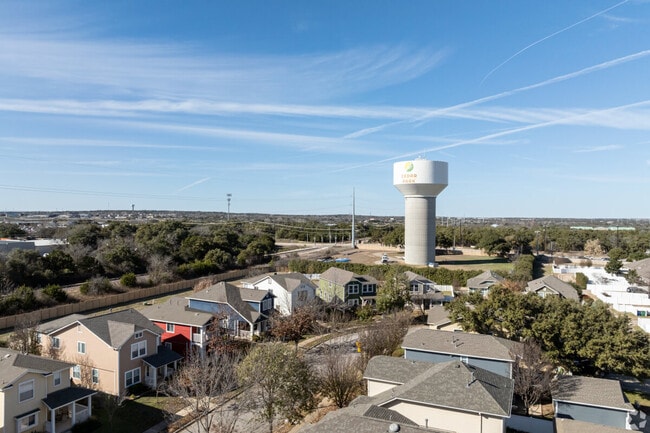
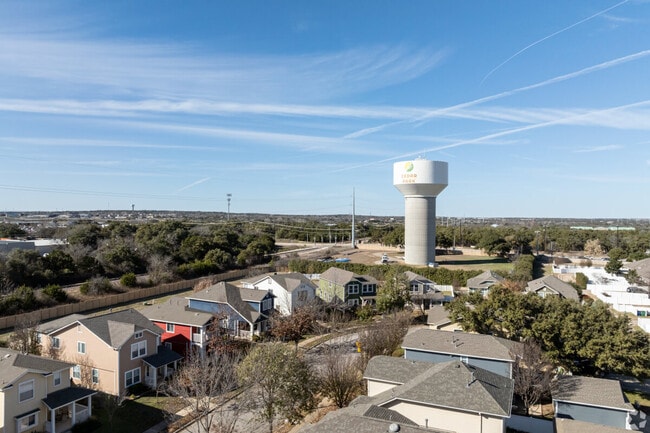
Cedar Park sits about 16 miles northwest of Austin, occupying a sweet spot where the energy of a major metro gradually gives way to the quieter rhythm of Central Texas Hill Country. The city has grown steadily into a well-rounded community anchored by strong employer proximity to Austin's tech corridor, making it a practical base for people who work in the city but prefer more room to breathe. Cedar Park's roots go back to 1873, when the area was still called Running Brushy, named after a spring that fed the headwaters of a local creek—a piece of history the city has worked to preserve alongside its forward momentum.
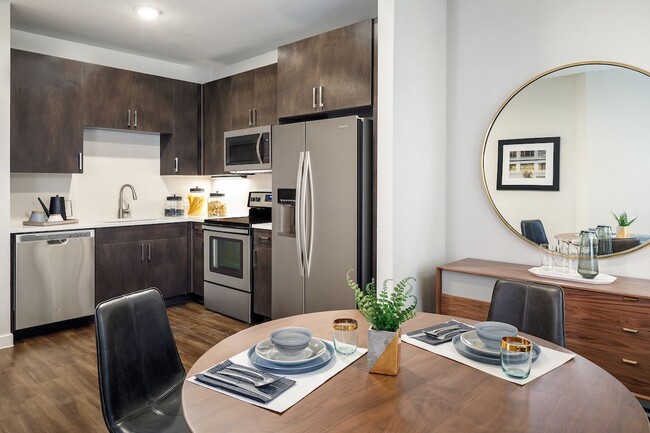
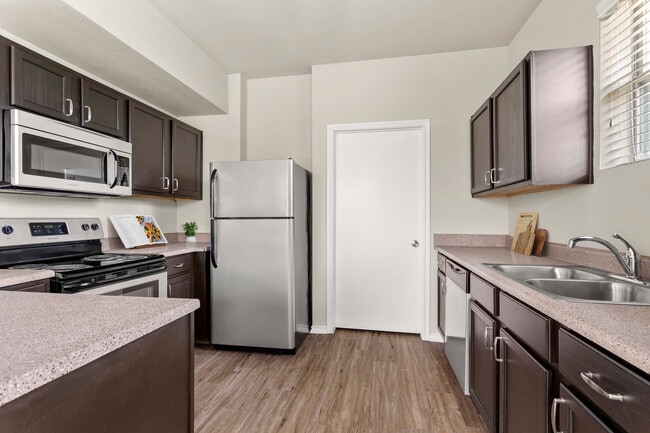
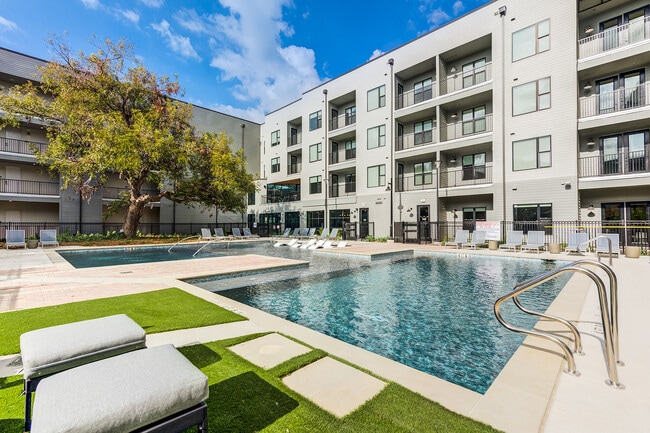
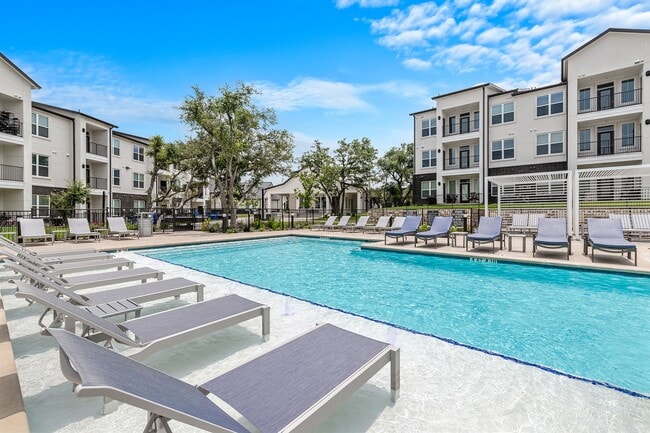
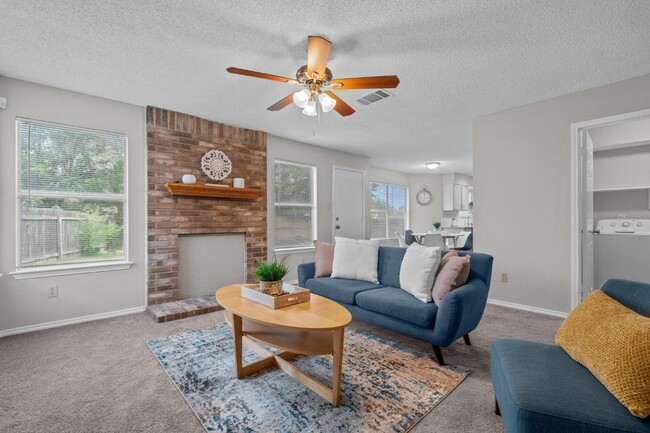
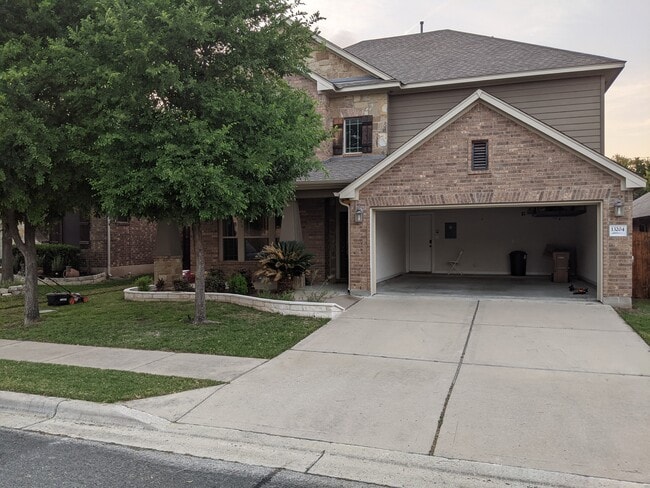
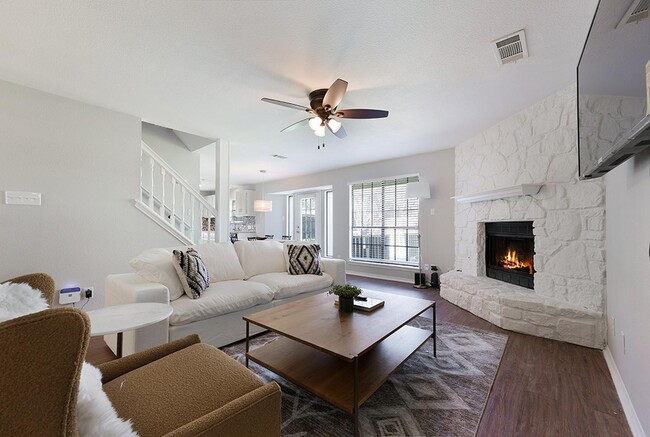
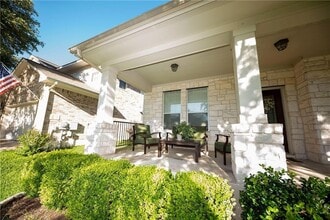
Neighborhoods here range from established residential pockets near Brushy Creek to newer developments closer to the H-E-B Center at Cedar Park, home to the Texas Stars of the American Hockey League. The housing stock reflects that range, with apartment communities, townhomes, and garden-style rentals spread throughout the city. Renters can find everything from compact studios to spacious multi-bedroom layouts depending on the area. Leander ISD serves the community, and everyday conveniences are easy to reach without venturing far from home. Cedar Park offers a grounded, practical place to live within striking distance of one of Texas's most dynamic cities.
Life in Cedar Park is relaxed and laid-back.
Cedar Park's lakes attract kayakers and water lovers.
Outdoor trails run throughout Cedar Park.
Take the train to nearby Austin.
Median Household Income
$112,381
Average: $134,959
Education
33,841
Residents Have a Degree
Job Market
46,787
Workers Employed
Median Age
39 Years
Largest Age Group
40-49 Years
Approximately 17% of Residents
Under 20
27%
Over 65
12%
Housing Distribution
Cedar Park has more homeowners than renters.

Education Distribution
Review this city's overall education levels.

As of July 2026, the average apartment rent in Cedar Park, TX is $983 for a studio, $1,226 for one bedroom, $1,615 for two bedrooms, and $1,893 for three bedrooms. Apartment rent in Cedar Park has increased by 2.3% in the past year.
The cost of living in Cedar Park, TX is 5.6% lower than the national average. Generally, housing in Cedar Park is 19.3% less expensive than the national average, with rent falling between $983 - $1,893. You can expect to pay 3.2% less for groceries, 8.8% more for utilities, and 7.3% less for transportation.
Compare Cities
Explore how walkable, bikeable, drivable, and transit-friendly Cedar Park, TX is for everyday living.
Fairly Walkable
Walkability
Exceptionally Drivable
Drivability
Somewhat Bikeable
Bikeability

Public
Grades PK-5
674 Students

Public
Grades PK-12
127 Students
Ronald Reagan Elementary School
Public
Grades PK-5
817 Students

Public
Grades PK-5
560 Students
Public
Grades PK-5
528 Students
Public
Grades PK-12
127 Students
Public
Grades 6-8
1,364 Students
Public
Grades 6-8
1,286 Students

Public
Grades 6-8
1,254 Students
Public
Grades 6-8
1,254 Students
Public
Grades PK-12
127 Students
Public
Grades 9-12
2,646 Students
Public
Grades 9-12
1,952 Students
 The GreatSchools Rating helps parents compare schools within a state based on a variety of school quality indicators and provides a helpful picture of how effectively each school serves all of its students. Ratings are on a scale of 1 (below average) to 10 (above average) and can include test scores, college readiness, academic progress, advanced courses, equity, discipline and attendance data. We also advise parents to visit schools, consider other information on school performance and programs, and consider family needs as part of the school selection process.
View GreatSchools Rating Methodology
Data provided by
GreatSchools.org
© 2026. All rights reserved.
The GreatSchools Rating helps parents compare schools within a state based on a variety of school quality indicators and provides a helpful picture of how effectively each school serves all of its students. Ratings are on a scale of 1 (below average) to 10 (above average) and can include test scores, college readiness, academic progress, advanced courses, equity, discipline and attendance data. We also advise parents to visit schools, consider other information on school performance and programs, and consider family needs as part of the school selection process.
View GreatSchools Rating Methodology
Data provided by
GreatSchools.org
© 2026. All rights reserved.
† Our analysis of utilities, groceries, transportation, healthcare, home prices, and other goods and services is sourced from the Cost of Living Index, a respected benchmark published by the Council for Community and Economic Research (C2ER) that provides a thorough overview of living expenses across different regions.
Rent data is provided by CoStar Group’s Market Trend reports. As the industry leader in commercial real estate information, analytics, and news, CoStar conducts extensive research to produce and maintain a comprehensive database of commercial real estate information. We combine this data with public record to provide the most up-to-date rental information available.
Consumer goods, services, and home prices are sourced from the Cost of Living Index published by the Council for Community and Economic Research (C2ER). The data on this page is updated quarterly. It was last published in June 2026.
Demographic information comes from Neustar and combines detailed address data with U.S. Census and American Community Survey statistics to produce reliable local estimates.