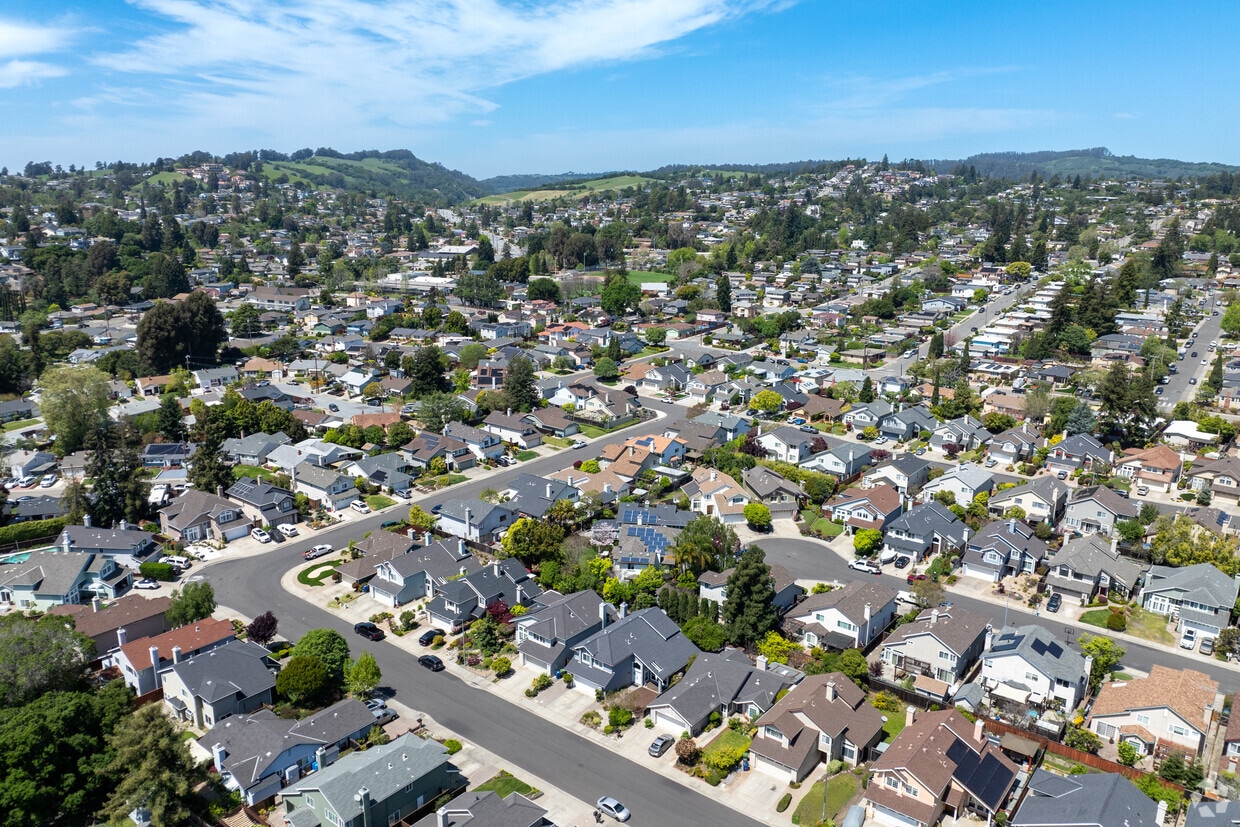
Downtown Castro Valley residents have easy access to explore the surrounding hills.
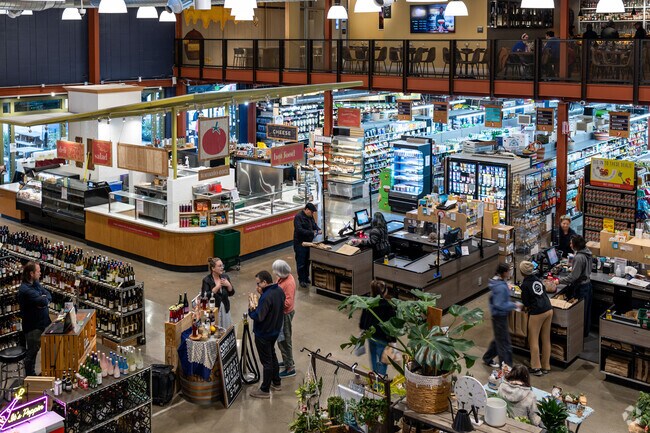
Downtown Castro Valley Marketplace is the largest food hall and community gathering space.
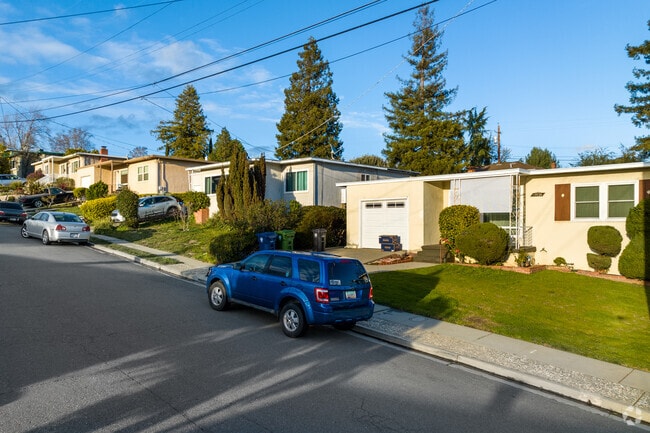
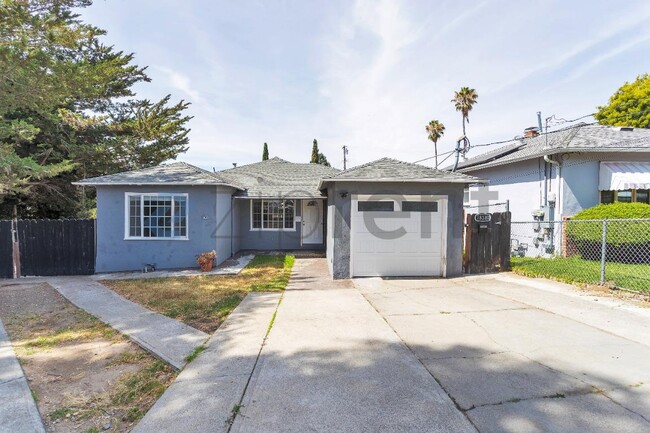
Ranch-style homes line the streets of the Downtown Castro Valley neighborhood.
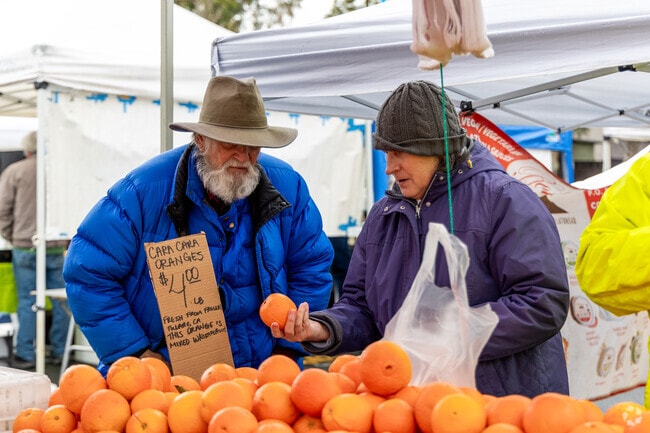
The weekly Castro Valley Farmer's Market offers local produce.
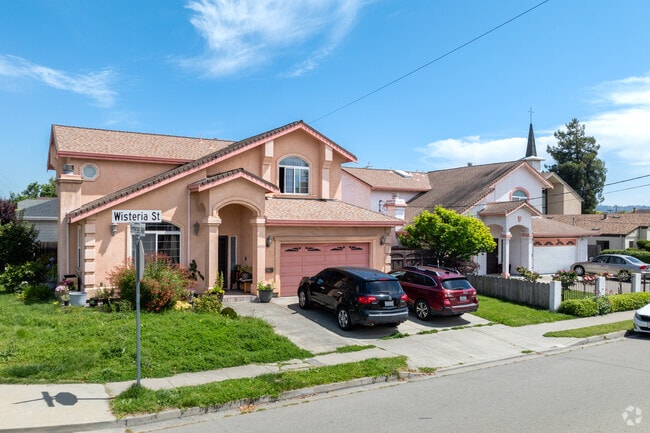
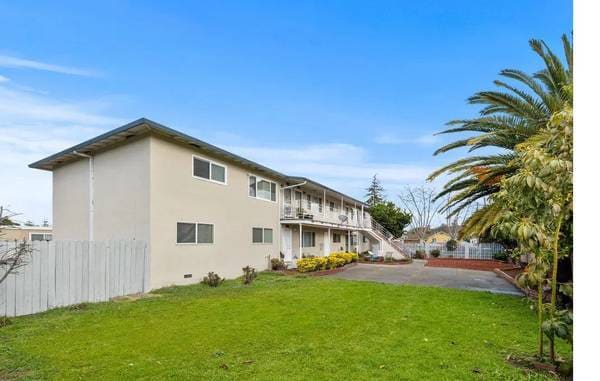
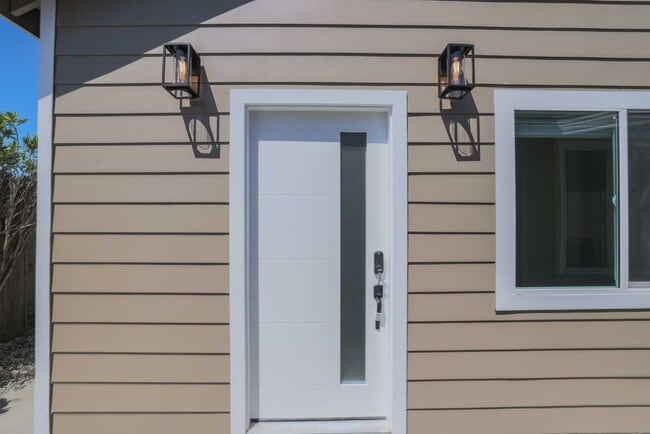
Homes in the Downtown Castro Valley exhibit a variety of architectural styles.

Castro Valley, CA

Area Guide

Avg Rent

$1,968

Population

61,420

Renter Mix

34% Rent

Your San Francisco Retreat

Nature Forest Parks

Nestled in the rolling hills of Alameda County, Castro Valley is named after 19th-century Californio ranchero Guillermo Castro, who once owned the land the community sits on today. With a population of around 66,000, it ranks among the most populous unincorporated areas in California. Renters searching for apartments for rent in Castro Valley will find a community that offers easy access to the broader Bay Area while maintaining a quieter, more residential feel than nearby urban centers.

Renters in Castro Valley can choose from a mix of apartment communities, condos, townhomes, and single-family houses for rent. Castro Valley Boulevard is the main commercial corridor, lined with local shops, restaurants, and everyday services. The nearby Bayfair Center adds major retail options along with a movie theater and dining. Lake Chabot Regional Park, Cull Canyon Regional Recreation Area, and Don Castro Regional Recreation Area are all within minutes, making it easy to hike, fish, boat, or picnic on weekends. The Hayward Japanese Gardens also provides a peaceful retreat just to the south.

Commuting from Castro Valley is straightforward. The Castro Valley BART station connects riders to San Francisco in under 30 minutes, and the Hayward BART station is also close by. Drivers have easy access to I-580, linking to Oakland, Fremont, and the greater East Bay. Metro Oakland International Airport is about 12 miles away, and San Francisco International Airport is roughly 27 miles from the community. Major employers and educational institutions, including Cal State East Bay and Chabot College, are within a short drive, making Castro Valley a practical base for work and school across the region.

Explore the City

Ranch-style homes line the streets of the Downtown Castro Valley neighborhood.

The weekly Castro Valley Farmer's Market offers local produce.

Homes in the Downtown Castro Valley exhibit a variety of architectural styles.

Cordial Bottle Shop offers a wide range of wine in Marketplace Monthly Mixer in Castro Valley.

The swimming lagoon is one of the biggest attractions at Don Castro Regional Park.

Residents enjoy a peaceful boat ride through Lake Chabot in Castro Valley East.

Demographics

Median Household Income

$124,324

Average: $153,548

Education

21,164

Residents Have a Degree

Job Market

32,326

Workers Employed

Age Distribution
Get a sense of this area's population profile.

Median Age

44 Years

Largest Age Group

40-49 Years

Approximately 14% of Residents

Under 20

22%

Over 65

20%
Housing Distribution

Castro Valley has more homeowners than renters.

Renters
34%
Non-Renters
66%

Education Distribution

Review this city's overall education levels.

Bachelor's or Higher
31%
Other Education
69%

Rent Trends

As of May 2026, the average apartment rent in Castro Valley, CA is $1,667 for a studio, $1,957 for one bedroom, $2,426 for two bedrooms, and $3,148 for three bedrooms. Apartment rent in Castro Valley has increased by 1.1% in the past year.

Property Type
Average Rent
Average Sq Ft
Apartment
$1,957/month
599 Sq Ft
House
$2,631/month
726 Sq Ft
See Rental Market Trends in Castro Valley, CA

Getting Around

Fairly Walkable

Walkability

40 / 100

Limited Public Transit

Transit

20 / 100

Exceptionally Drivable

Drivability

90 / 100

Fairly Bikeable

Bikeability

50 / 100

Schools

Independent Elementary School

Public

Grades K-5

662 Students

Proctor Elementary School

Public

Grades K-5

613 Students

Vannoy Elementary School

Public

Grades K-5

536 Students

Marshall Elementary

Public

Grades K-5

515 Students

Marshall Elementary School

Public

Grades K-5

515 Students

Creekside Middle School

Public

Grades 6-8

754 Students

Creekside Middle

Public

Grades 6-8

754 Students

Canyon Middle School

Public

Grades 6-8

1,418 Students

Canyon Middle

Public

Grades 6-8

1,418 Students

Special Education-Preschool-Laurel

Public

Grades K-12

1 Students

Castro Valley High School

Public

Grades 9-12

2,874 Students

Castro Valley High

Public

Grades 9-12

2,874 Students

Roy A. Johnson High School

Public

Grades 9-12

18 Students

Special Education-Preschool-Laurel

Public

Grades K-12

1 Students

Points of Interest

Parks and Recreation

  • Cull Canyon Regional Recreation Area
  • Don Castro Regional Recreation Area
  • Lake Chabot Regional Park
  • Sulphur Creek Nature Center
  • Anthony Chabot Regional Park

Airports

  • Metro Oakland International
  • San Francisco International

Top Apartments in Castro Valley

Houses for Rent in Castro Valley

Living in Castro Valley

History

-

Castro Valley takes its name from Don Guillermo Castro, a Mexican Californio ranchero who controlled roughly 28,000 acres here starting in 1840. His land grant, known as Rancho San Lorenzo, stretched across today's Castro Valley, Hayward, and San Lorenzo. Much of that history survives in street names and in the surrounding canyons, where Portuguese farming families arrived in the 1860s and 1870s, with many descendants still residing on those same hillside parcels. Lake Chabot, built by Chinese laborers in the 1870s, remains a well-visited park and reservoir. The first public school, Redwood School, opened in 1866, and a California Historical Landmark plaque now marks its original site on Redwood Road.

During the mid-20th century, chicken ranches dominated the landscape, and Castro Valley gradually transformed into a residential community as nearby cities grew. The Adobe Art Gallery, constructed in 1936 by the Works Progress Administration, still operates as a public art space. Architecture enthusiasts will find several Joseph Eichler-designed homes from the 1950s dotting the hillsides, part of the larger wave of modernist tract development that defined Bay Area suburbia. Today, Castro Valley retains its identity as an area shaped by the ranching legacy of its namesake and the practical infrastructure built by generations of immigrant workers.

Restaurants

-

Castro Valley offers a diverse dining scene that reflects the community's multicultural character and suburban charm. Local favorites are concentrated along Castro Valley Boulevard, including long-standing staples like Doug's Place, a cozy breakfast diner. The food scene here skews toward American comfort food, but Japanese, Thai, and Chinese restaurants are also popular here. The city's location in the San Francisco Bay Area places residents within reach of plenty of options.

Transportation

-

Castro Valley offers convenient access to the greater Bay Area through a combination of public transit and major roadways. AC Transit provides bus service throughout the community, with multiple routes connecting residents to nearby cities and BART stations in Hayward, San Leandro, and Dublin/Pleasanton. These connections make commuting to San Francisco, Oakland, and other employment centers accessible for those who prefer not to drive. Interstate 580 runs through the heart of Castro Valley, providing direct east-west access to Oakland, San Francisco, and the Tri-Valley region. Interstate 238 intersects with I-580, offering routes toward San Jose and the South Bay.

For air travel, Castro Valley is positioned roughly 30 miles from both San Francisco International Airport and Oakland International Airport, with Oakland being the closer option for most residents. The community's location along the I-580 corridor places it within reasonable commuting distance to major employment hubs, typically about 25-30 minutes to downtown Oakland and 45-60 minutes to San Francisco, depending on traffic conditions. While Castro Valley itself is primarily car-oriented with limited walkability in residential areas, the downtown Castro Valley Boulevard corridor offers more pedestrian-friendly amenities and local shops within walking distance for nearby residents.

Parks

-

Lake Chabot Regional Park is a centerpiece for outdoor recreation, featuring a 315-acre reservoir where residents enjoy fishing, boating, and scenic picnicking along the shoreline. The park's extensive trail network connects to the East Bay Regional Park District system, providing hikers and cyclists with routes that wind through oak woodlands and offer sweeping views of the surrounding hills. Cull Canyon Regional Recreation Area is another popular destination, particularly during warmer months when residents gather at the swim lagoon and sandy beach area. The park also includes playgrounds, picnic areas with barbecue facilities, and trails that appeal to casual walkers and nature enthusiasts alike.

Community parks throughout Castro Valley provide convenient access to sports fields, tennis courts, and open green spaces for neighborhood gatherings. Don Castro Regional Recreation Area features its own swimming lagoon and hosts seasonal events that bring residents together for outdoor activities. The area's parks and recreation facilities reflect the community's appreciation for maintaining accessible outdoor spaces that support active lifestyles and community activities throughout the year.

Cost

-

Castro Valley offers a cost of living that reflects its location in the San Francisco Bay Area, with housing expenses notably higher than both state and national averages. The community's proximity to major employment centers in Silicon Valley and Oakland contributes to its competitive housing market. Apartment rental prices in Castro Valley typically range from around $2,200 for a one-bedroom unit to $3,000 or more for a two-bedroom apartment, positioning the area as moderately priced compared to neighboring cities like San Leandro and Hayward. While these rents exceed the California state average by a considerable margin and sit well above the national median, Castro Valley provides relative value when compared to San Francisco or nearby peninsula communities where similar units can command significantly higher prices. The area's suburban character, well-regarded schools, and convenient access to regional transportation corridors make it an attractive option for those seeking Bay Area living with somewhat more manageable housing costs than the urban core.

Shopping

-

Castro Valley Boulevard is the main retail corridor, lined with shops, services, and local businesses that give the area its community character. The Castro Valley Marketplace anchors much of the local shopping scene, featuring grocery stores, chain retailers, and casual dining options in one accessible location. Residents also frequent nearby shopping centers like the Castro Valley Plaza, where specialty shops and services create a neighborhood-friendly atmosphere.

For fresh produce and artisan goods, the Castro Valley Farmers Market operates seasonally, bringing together local vendors and farmers in a lively outdoor setting. The market has become a weekend gathering spot where residents can pick up seasonal fruits, vegetables, baked goods, and handmade crafts. Beyond the main boulevard, Castro Valley's proximity to larger regional centers means additional shopping destinations are just a short drive away, including Bay Fair Center and Bayfair Mall in nearby San Leandro, which offer broader department store and specialty retail selections. This combination of local shops and accessible regional options provides residents with a well-rounded shopping experience.

Search Nearby Rentals

Methodology

† Our analysis of utilities, groceries, transportation, healthcare, home prices, and other goods and services is sourced from the Cost of Living Index, a respected benchmark published by the Council for Community and Economic Research (C2ER) that provides a thorough overview of living expenses across different regions.

Rent data is provided by CoStar Group’s Market Trend reports. As the industry leader in commercial real estate information, analytics, and news, CoStar conducts extensive research to produce and maintain a comprehensive database of commercial real estate information. We combine this data with public record to provide the most up-to-date rental information available.

Consumer goods, services, and home prices are sourced from the Cost of Living Index published by the Council for Community and Economic Research (C2ER). The data on this page is updated quarterly. It was last published in February 2026.

Demographic information comes from Neustar and combines detailed address data with U.S. Census and American Community Survey statistics to produce reliable local estimates.